
What was the name of the feared secret police force used by Salazar's
What was the name of the feared secret police force used by Salazar's regime to suppress political opposition?
The rebellious birth of Portugal
Wind, wood, and uncharted oceans
Shaken to the core
From red carnations to modern democracy
biocentennial The 1974 Portuguese revolution proved that peaceful symbols like flowers can disarm soldiers and inspire modern protest movements.
biocentennial Antonio Salazar controlled his nation through a feared secret police force during his long dictatorship.

biocentennial The regime isolated the nation, used the feared PIDE secret police to suppress freedom, and insisted on keeping costly African colonies
What was the name of the authoritarian regime led by António de Oliveira Salazar from 1933 to 1974?
What was the name of the feared secret police force used by Salazar's regime to suppress political opposition?
April 25 Bridge: Lisbon's famous suspension bridge, which looks remarkably like San Francisco's Golden Gate Bridge, was renamed from 'Salazar Bridge' to 'April 25 Bridge' right after the revolution.
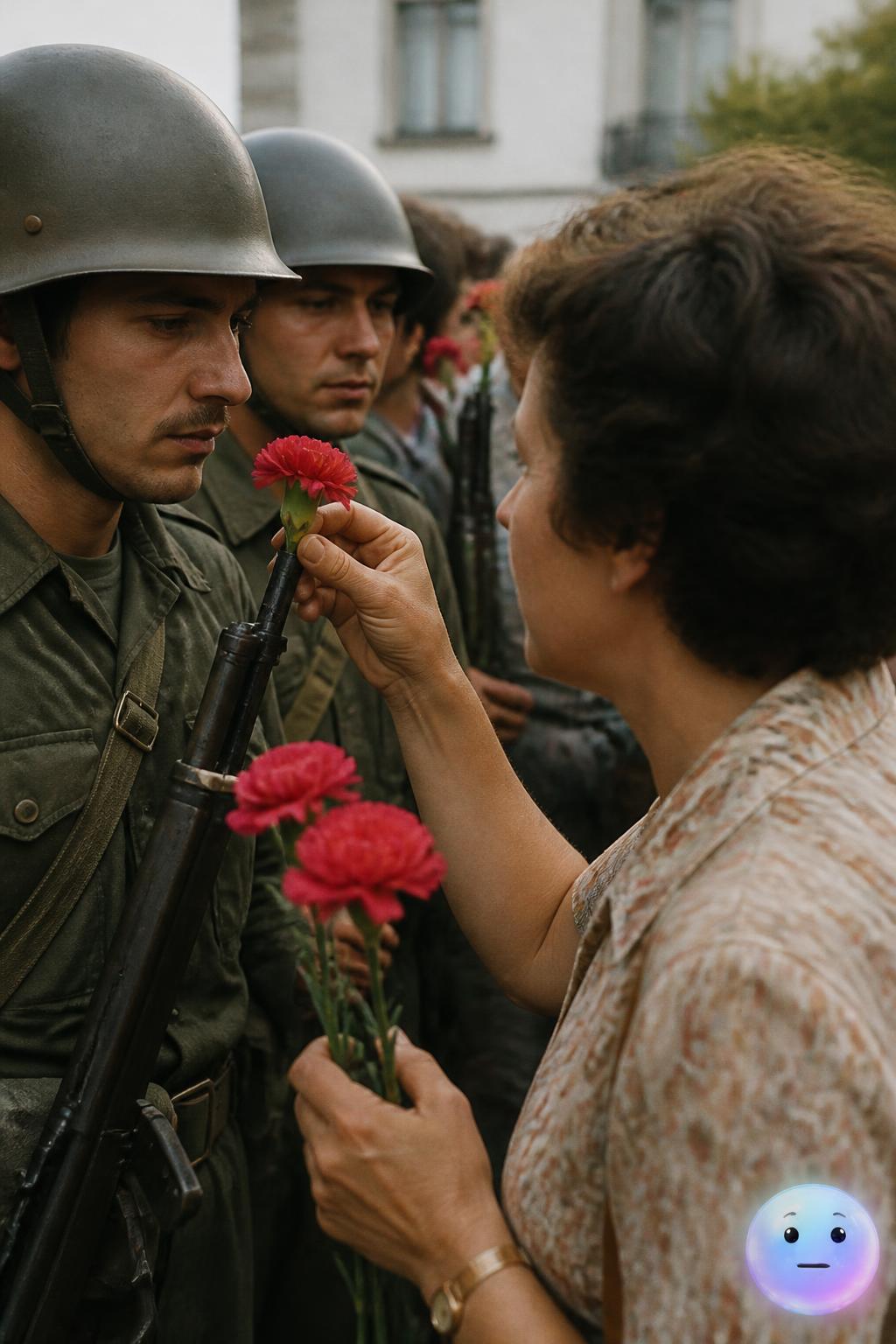
biocentennial The 1974 Carnation Revolution ended Portugal's dictatorship and its African colonial wars.
Which flower became the famous symbol of the peaceful 1974 revolution that restored democracy to Portugal?
What triggered the military officers to overthrow the dictatorship in the 1974 Carnation Revolution?
A herbaceous plant with showy, fragrant pink, white, or red flowers. Portuguese citizens placed these red flowers in soldiers' gun barrels during the peaceful 1974 military coup.
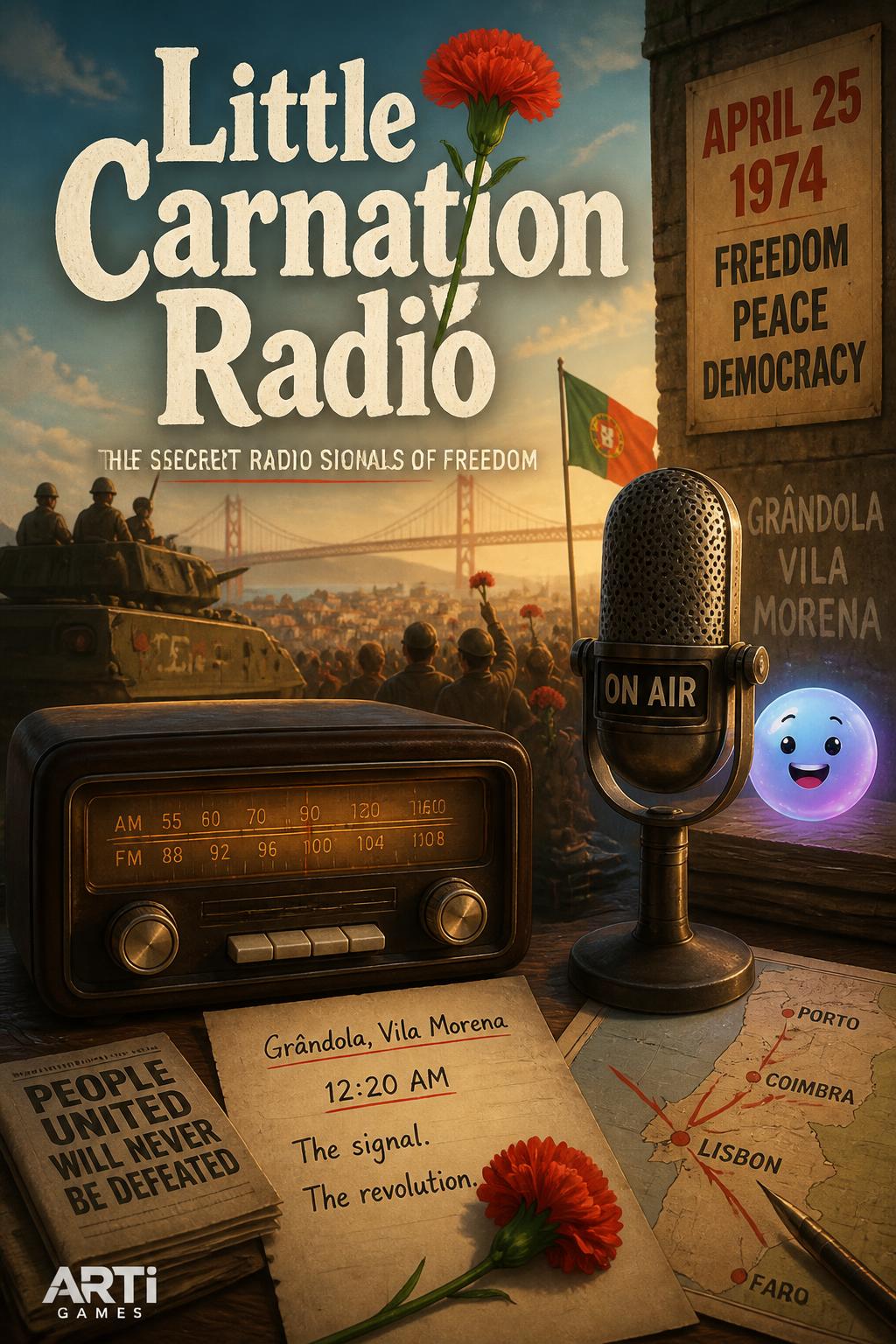
biocentennial Tune the radio dial to discover how secret songs started Portugal's Carnation Revolution.
Why did the rebel military captains use radio broadcasts to launch their operation?
Which folk song served as the secret radio signal to launch the Carnation Revolution on April 25, 1974?
biocentennial Portuguese Fado
Our sweet destiny, our sweet destiny, A quiet song on the shore.
Which Portuguese word describes the bittersweet feeling of longing and nostalgia central to fado music?
Which unique stringed instrument traditionally accompanies the singer in a classic fado performance?