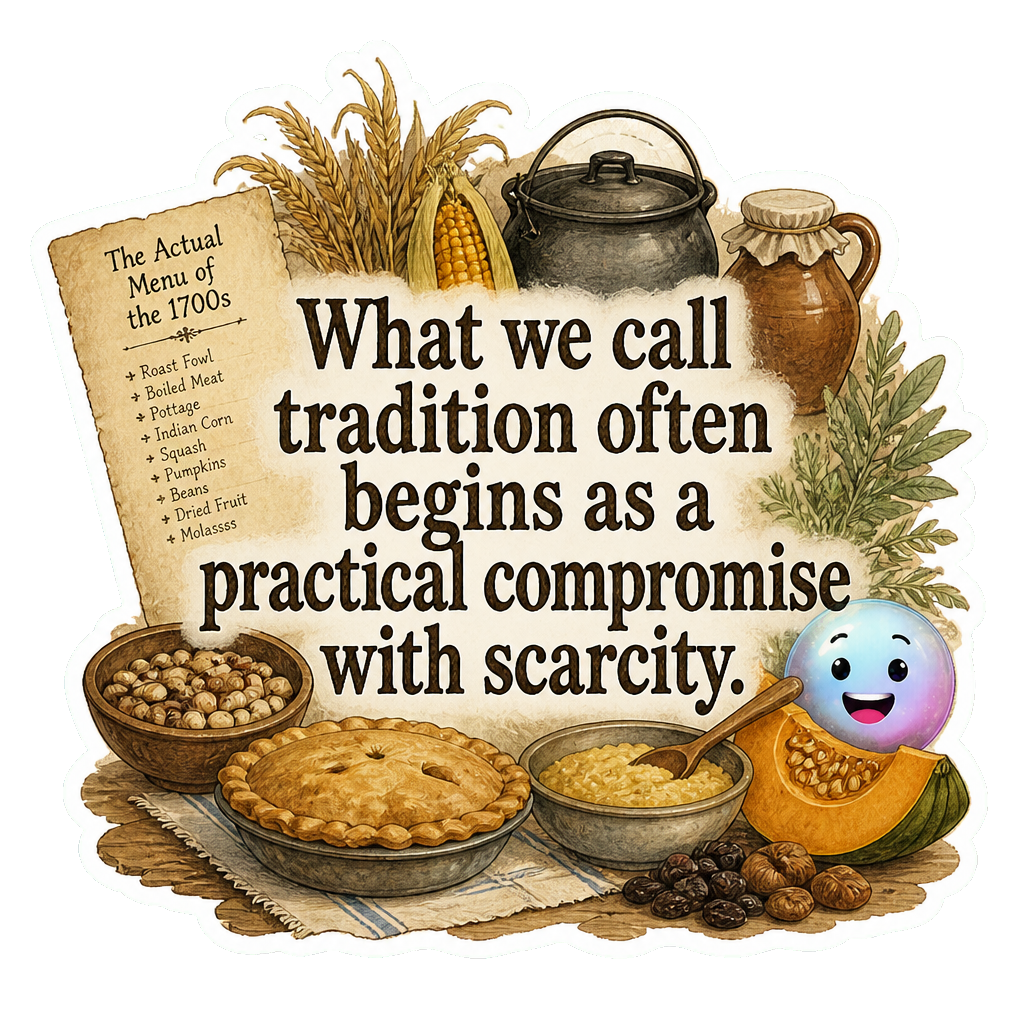
What we call tradition often begins as a practical compromise with scarcity.
The shifting calendar of gratitude
The actual menu of the 1700s
Indigenous ingredients and colonial fusion
How the feast changed across regions
jordan_k Venison took center stage as the highly prized main roast for wealthy families in the late 1700s.
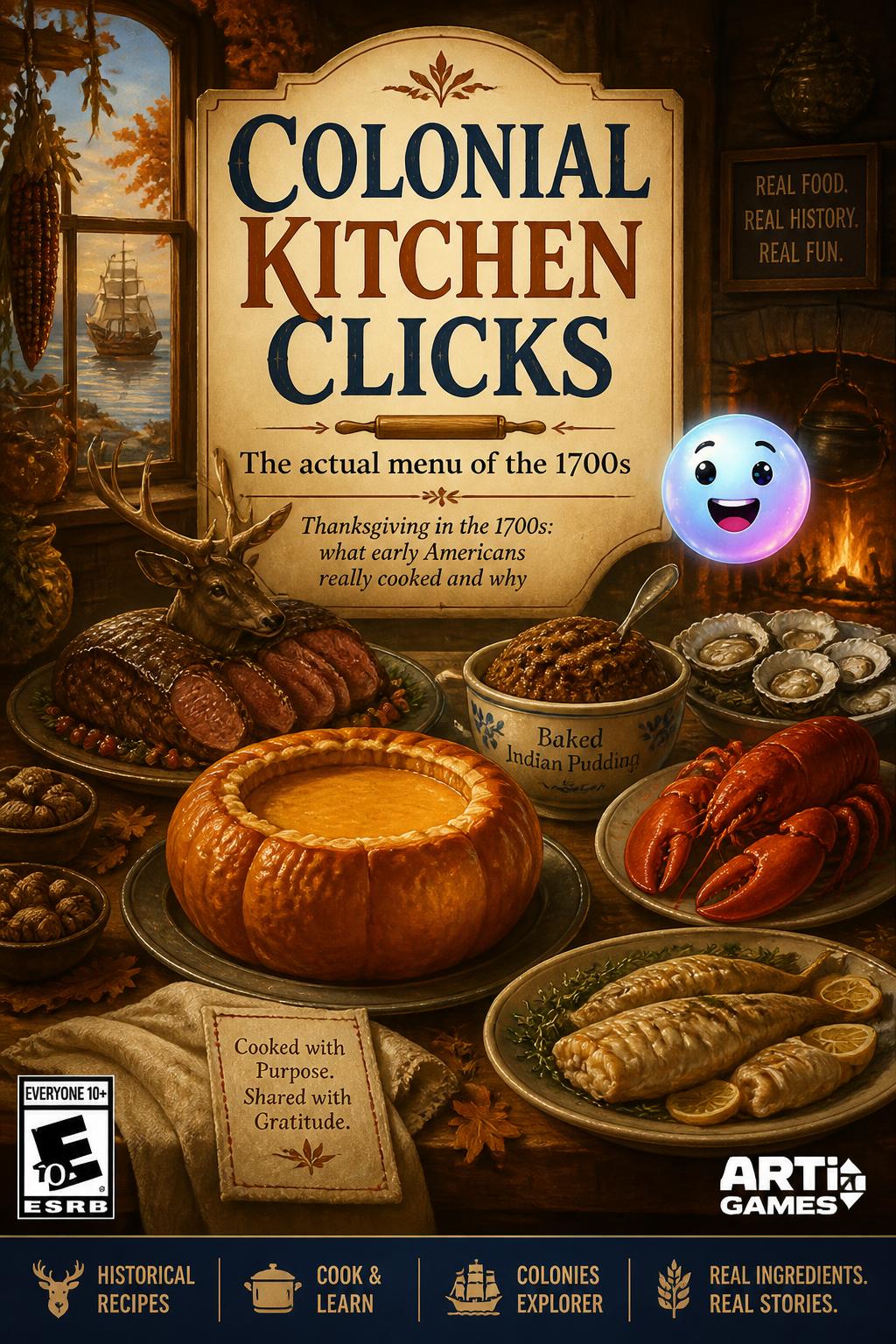
jordan_k Sort authentic colonial foods from modern myths to discover what early Americans really cooked.
Which of these modern Thanksgiving staples was completely unavailable to 18th-century American cooks?
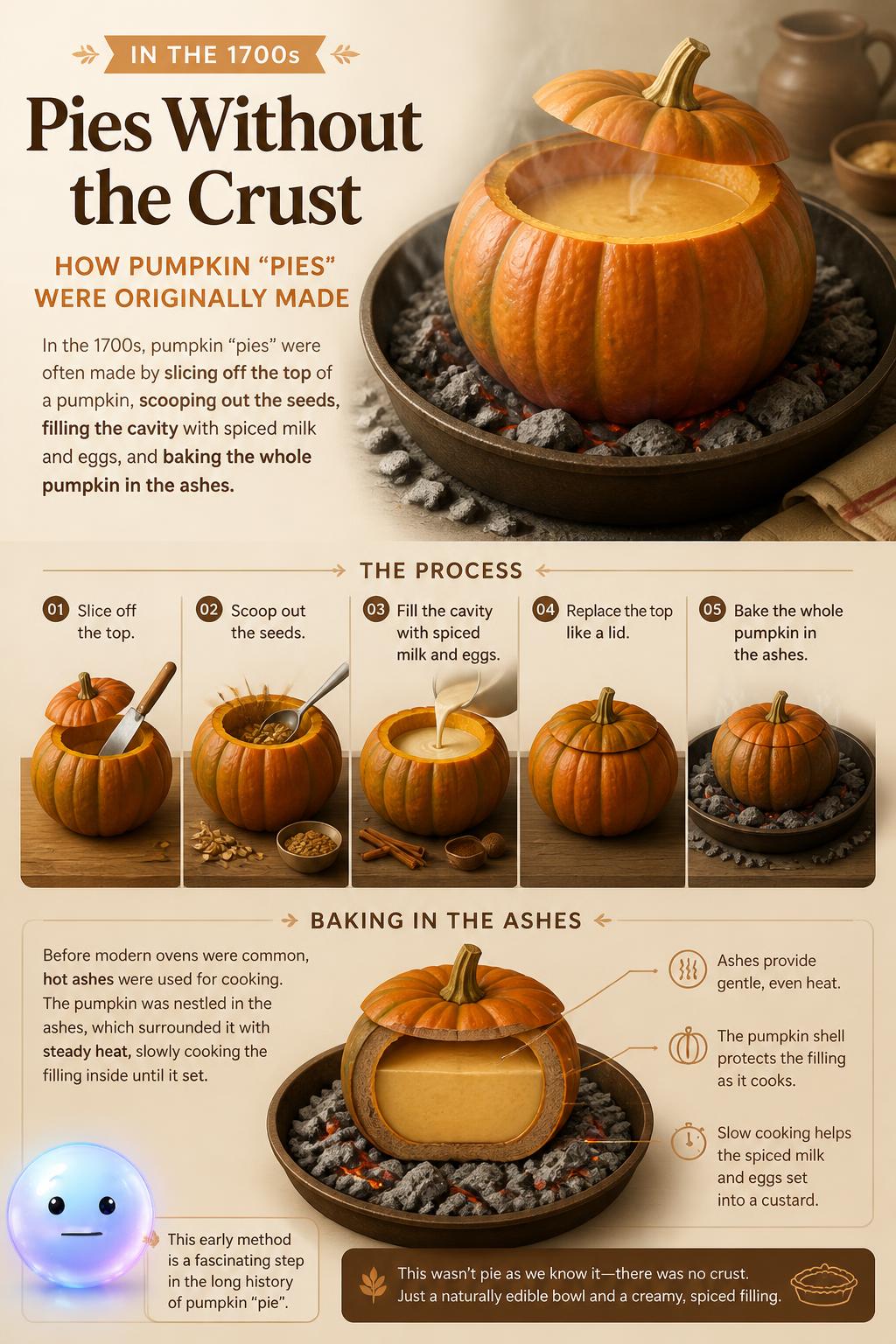
jordan_k In the 1700s, Americans made crustless pumpkin pies by baking spiced milk and eggs directly inside a hollowed pumpkin buried in ashes.
What did early American bakers call the thick, hard pastry crusts used to hold pie fillings, which were often not meant to be eaten?
How did colonial bakers heat up their large brick ovens to bake Thanksgiving pies and bread?
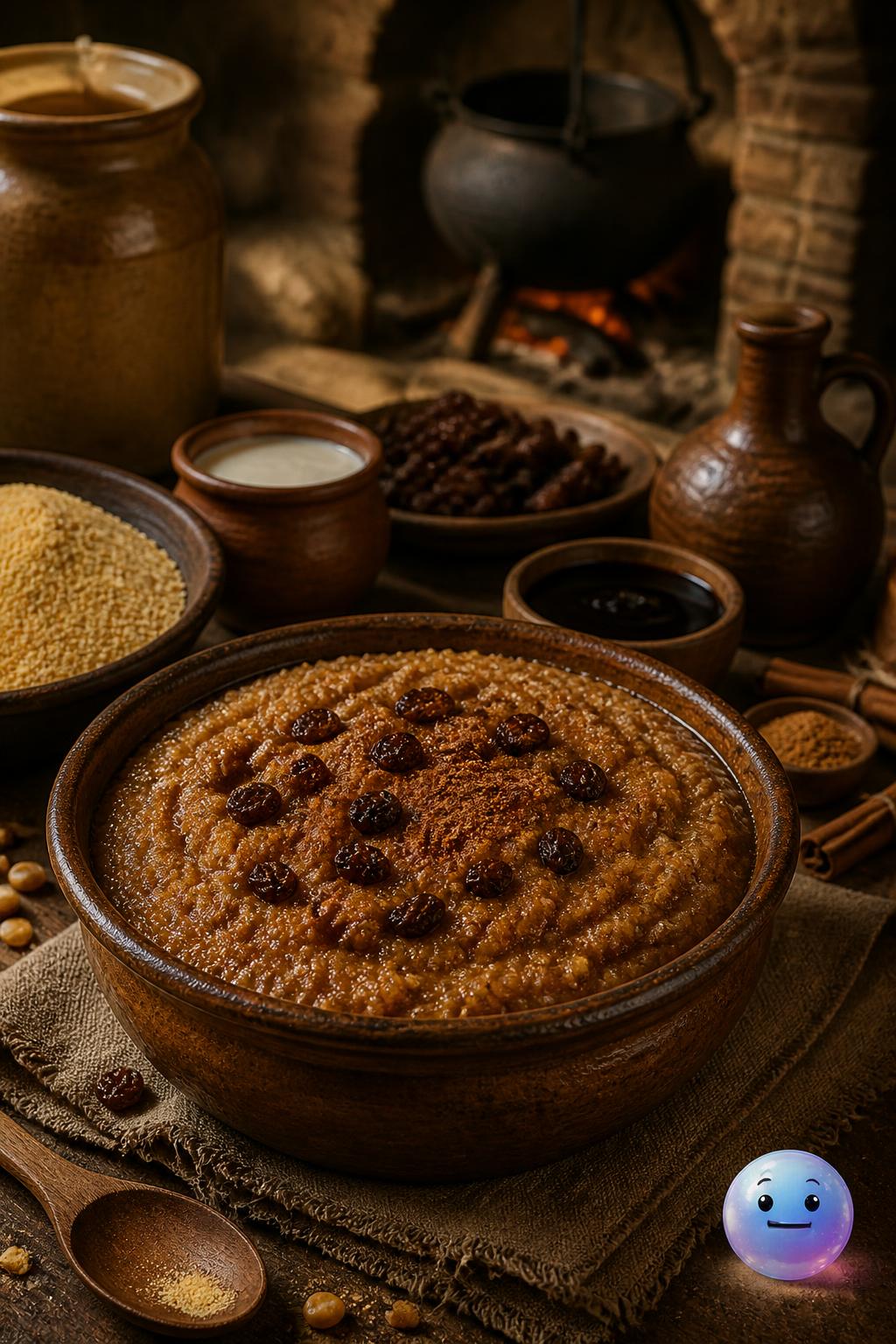
jordan_k In the 1700s, expensive wheat forced colonists to bake Indian pudding using cornmeal.
Why was molasses, rather than white sugar, the primary sweetener used in colonial Indian pudding?
Colonial Pies: In the 1700s, pie crusts were called 'coffins' and were often made so thick and hard that people only ate the filling inside, discarding the crust.
What was a 'pigeon pasty,' a popular meat dish served at 18th-century festive dinners?
jordan_k Seafood on the 1700s Thanksgiving Table
We're piling seafood on the Thanksgiving table (yeah, on the table!) / With oysters and lobsters, we're keeping it coastal (keeping it coastal!)
Which shellfish was so abundant in 18th-century New York and New England that it was often used as cheap food for servants and animals?
Meat from a deer, typically used as food. In 1779, Juliana Smith recorded that her family served a roasted haunch of this meat at Thanksgiving.
Why did 18th-century cooks frequently serve boiled onions and turnips with their Thanksgiving turkey?