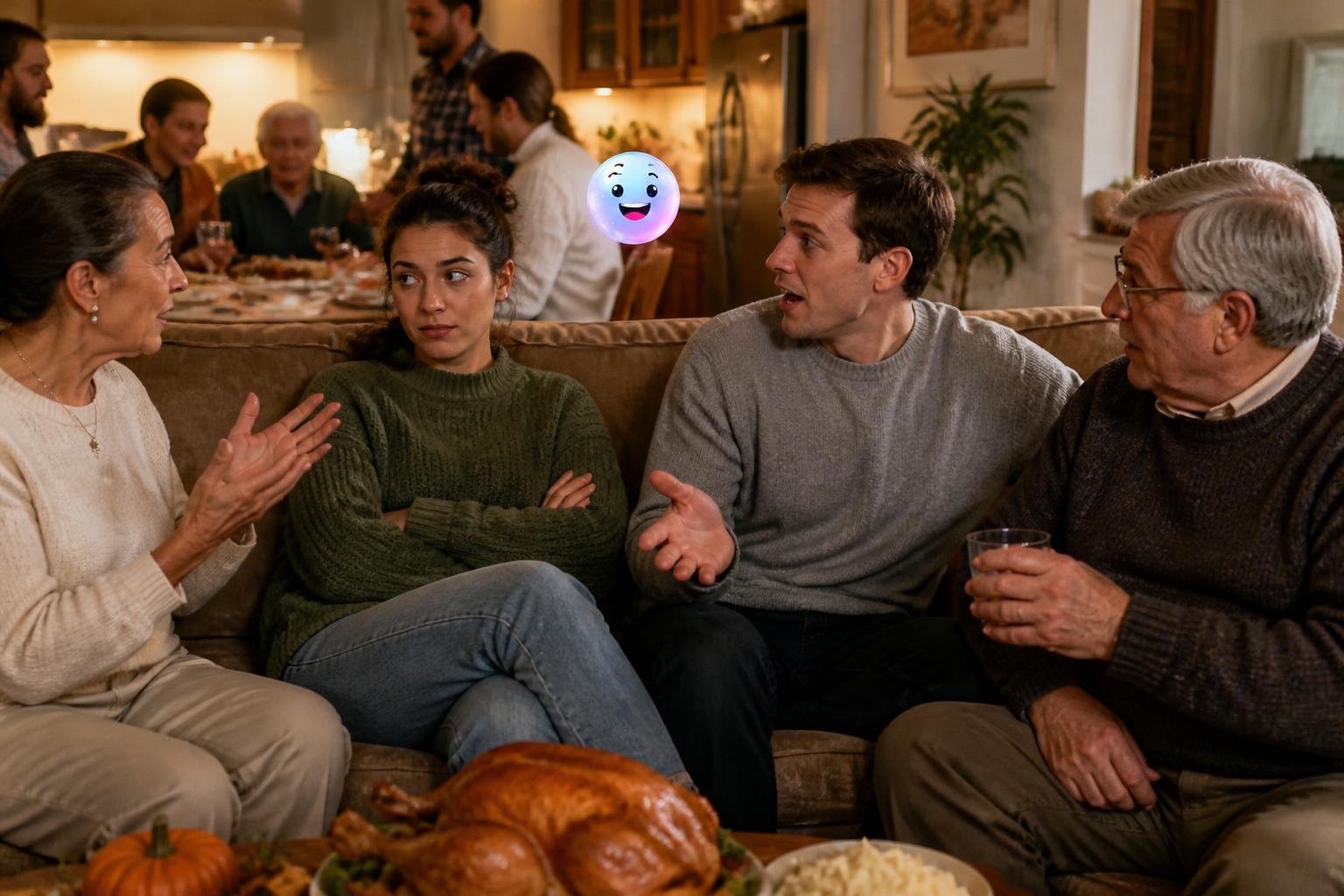
Which age group of adult children is statistically most likely to
Which age group of adult children is statistically most likely to experience family regression when visiting parents?
The great migration: navigating the logistics of getting home
The time-travel bedroom: the psychology of returning home
Feast, fails, and food feuds: the culinary chaos
Surviving the social minefield: traditions and questions

sonia Family regression causes successful adults to revert to childhood behaviors immediately upon entering their parents' house.
What is the psychological term for when adult children return home and unconsciously adopt their old teenage behaviors?
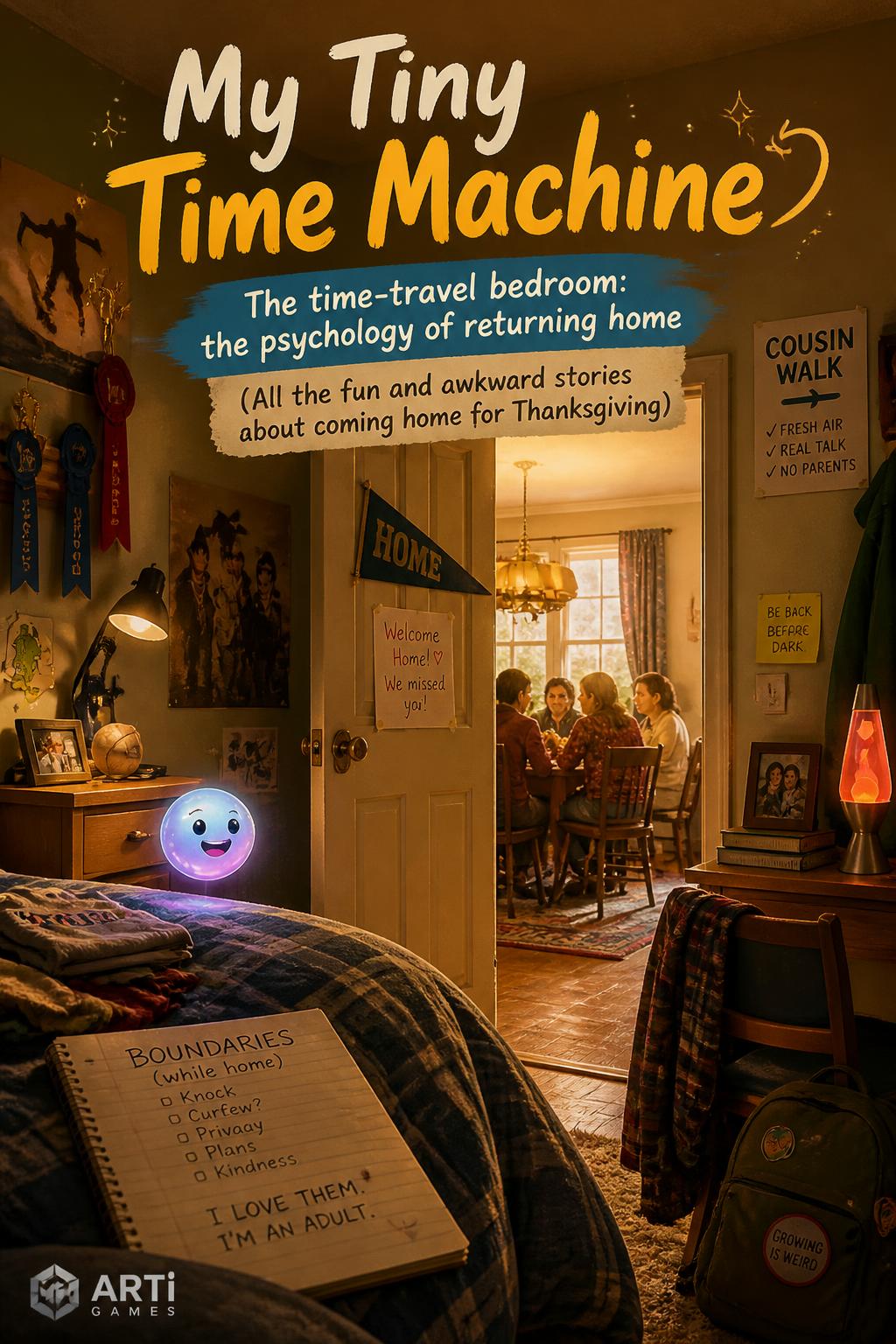
sonia Balance teen and adult choices to navigate the awkward psychology of returning home for Thanksgiving.
Which age group of adult children is statistically most likely to experience family regression when visiting parents?
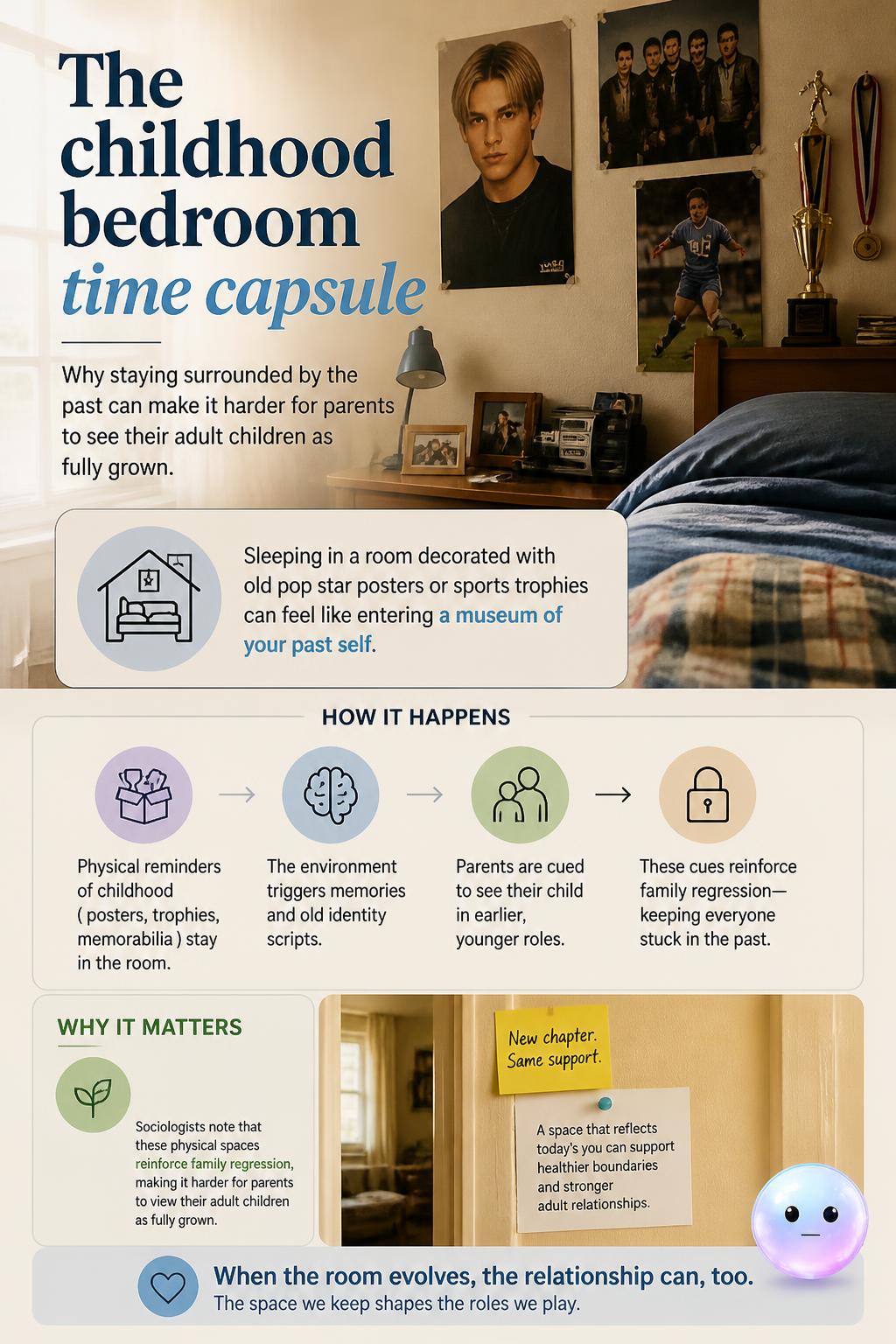
sonia Childhood bedrooms decorated with old posters and trophies cause family regression, preventing parents from seeing their visiting adult children as fully grown.
Why do preserved childhood bedrooms often make it harder for parents to treat their visiting adult children as peers?
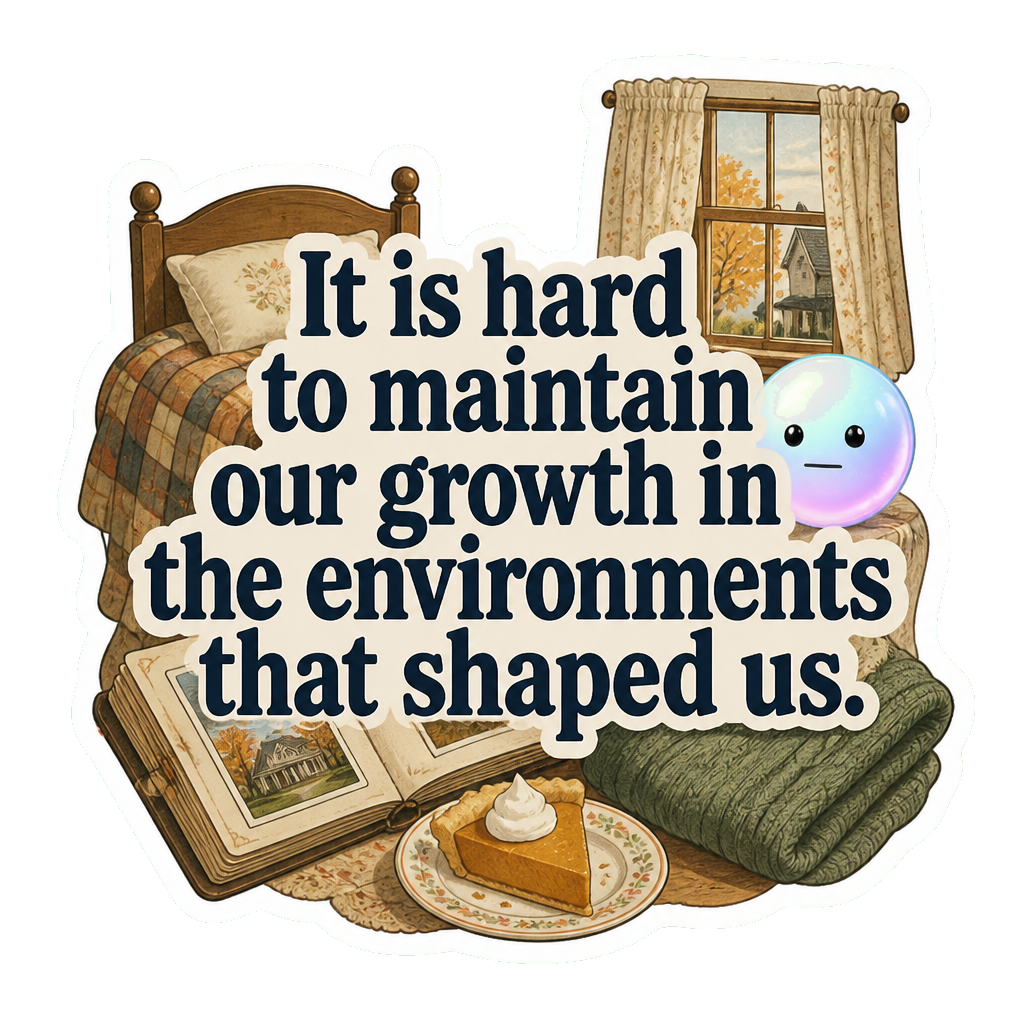
What is the informal nickname given to the night before Thanksgiving when old classmates reunite at local hometown bars?

sonia The Thanksgiving cousin walk provides a vital mental health break from intense dinners.
What is the primary social purpose of the modern 'cousin walk' tradition during Thanksgiving gatherings?
Family regression: Psychologists say returning to your childhood home activates sensory triggers like smells and sights that instantly reset your brain to childhood behaviors.
How do psychologists recommend dealing with sibling rivalry that resurfaces during the Thanksgiving holiday?
sonia Negotiating Adult Boundaries in the Time-Travel Bedroom
When my childhood home tries to reset my state, My adult boundaries are what I negotiate.
What do family therapists recommend doing before arriving home to prevent conflicts over rules like curfews?
The aspect of a person's identity that is shaped by their connections and interactions with significant others. Psychologists Susan Andersen and Serena Chen linked this concept to why adults act like teenagers around family.
Which psychological framework explains how family members fall into rigid, recurring roles during holiday gatherings?