
BETA
YOUR GOAL
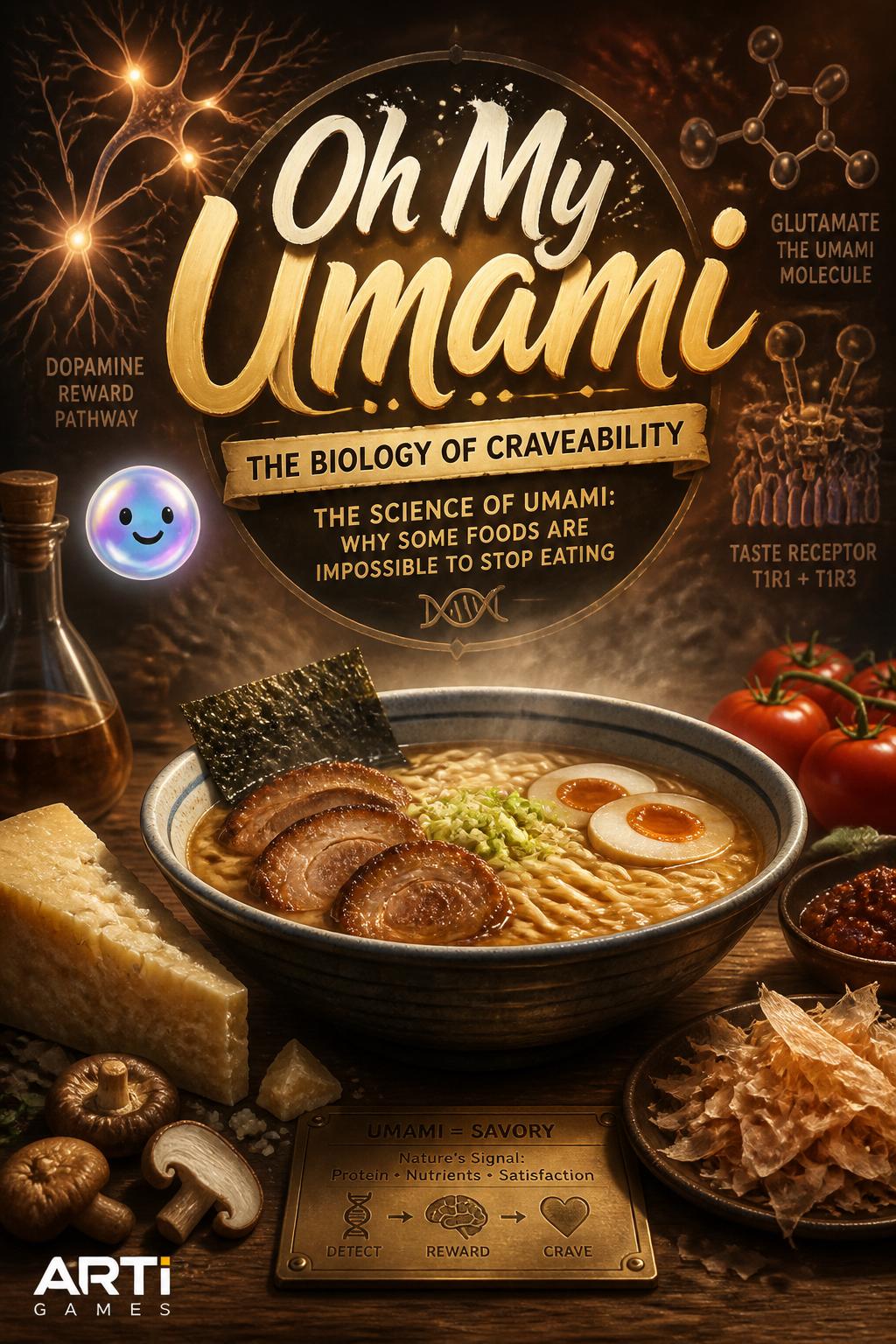
Master of The science of umami
renato The biology of craveability
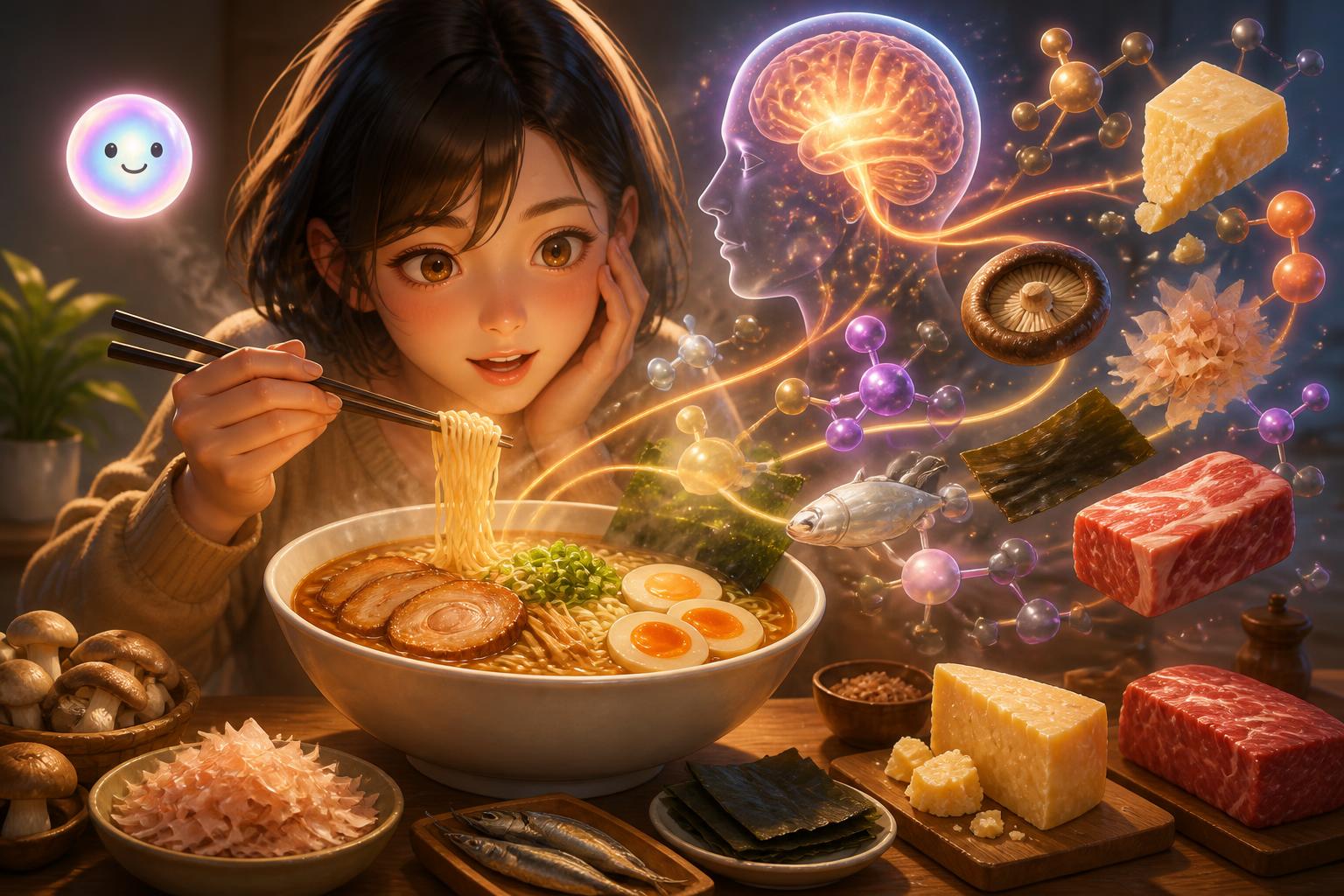
When that savory umami hits your tongue, your brain lights up, says, 'More, more, more!'
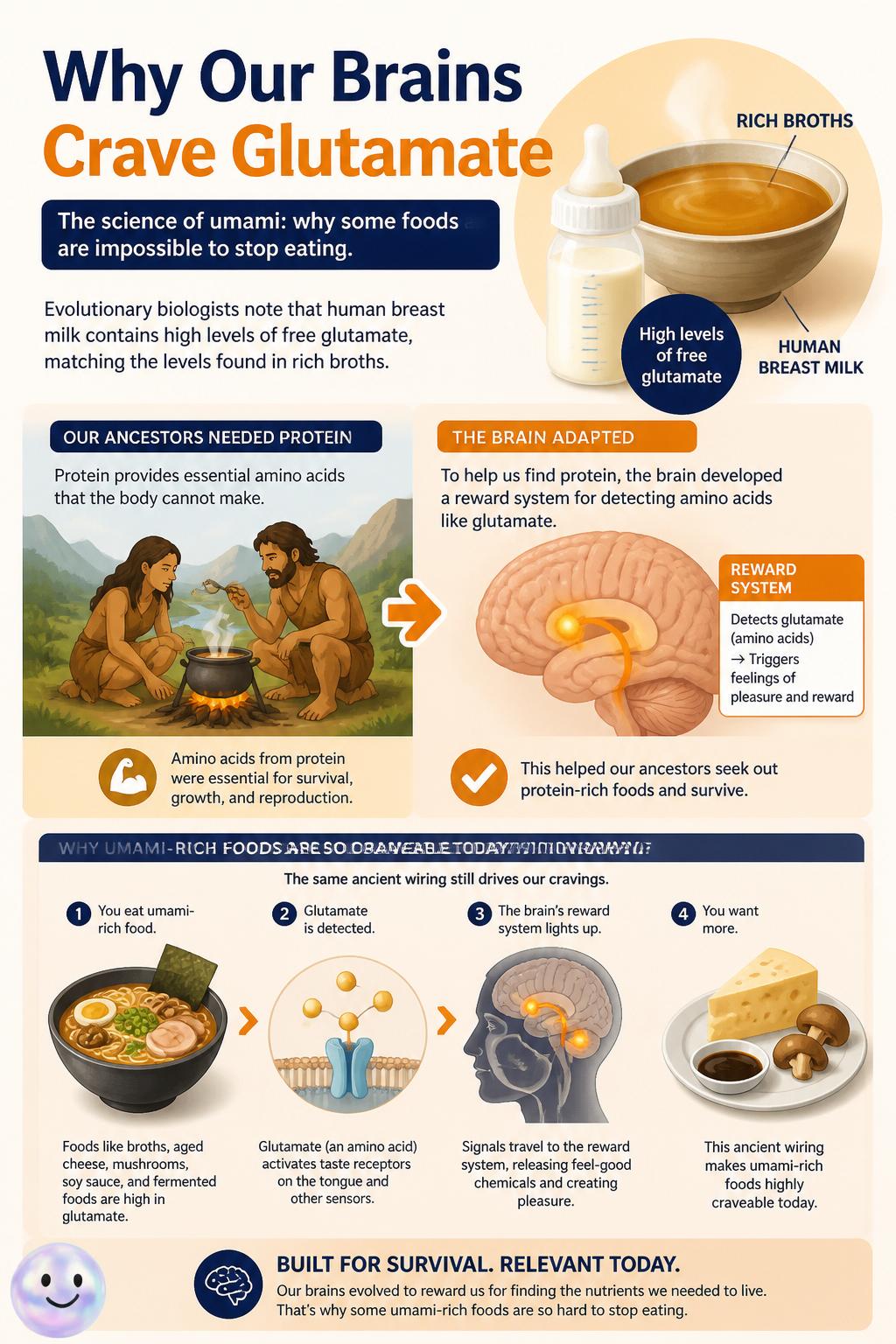
renato Humans evolved to love the taste of umami because it serves as a reliable sensory signal for life-sustaining protein.
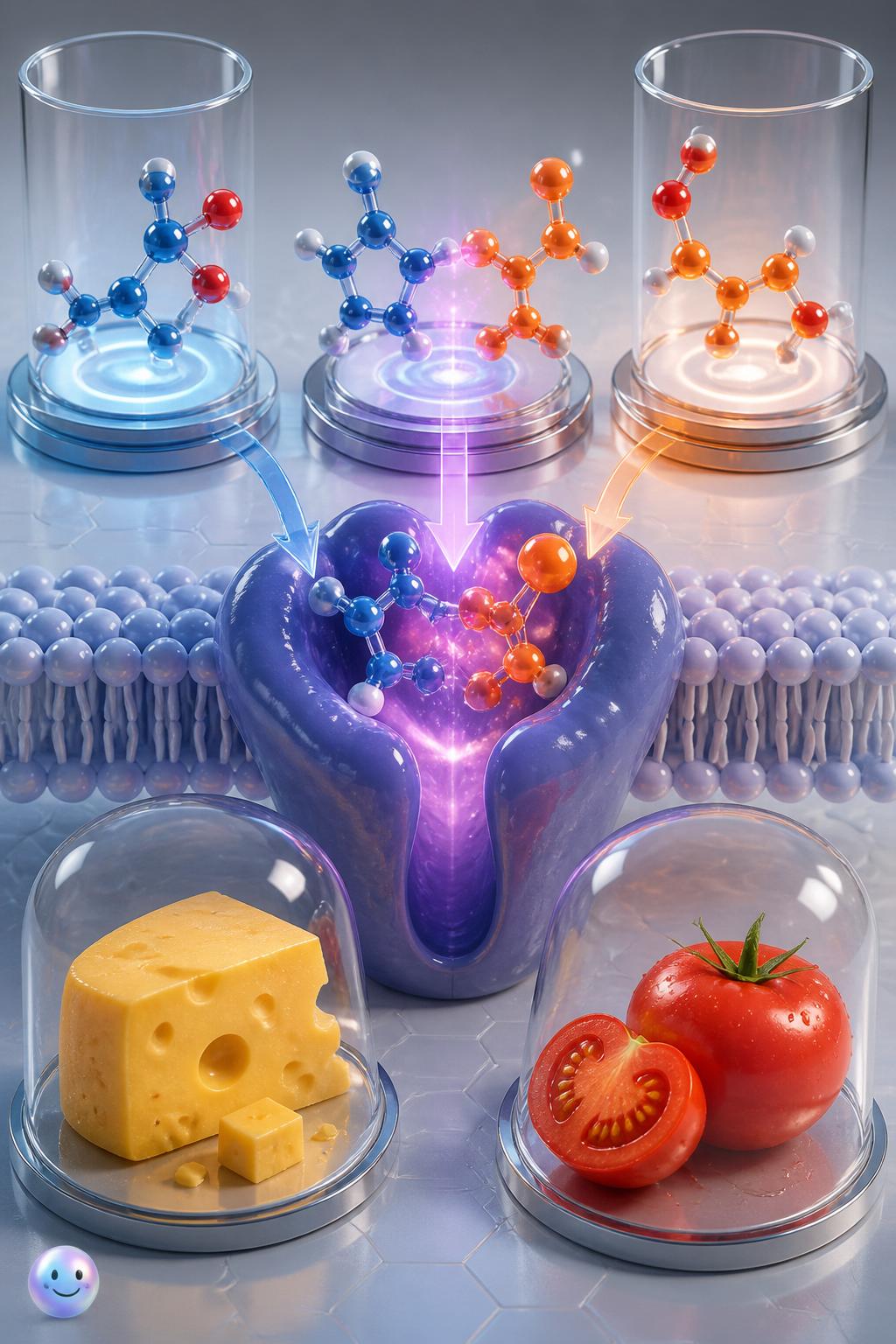
renato Combining glutamate with specific nucleotides creates a taste explosion that makes foods significantly more flavorful than either ingredient alone.
Supercharged taste buds: When you pair kelp with dried bonito flakes, the umami flavor doesn't just double; the compounds multiply each other's strength by eight times.
From an evolutionary perspective, what vital macronutrient does the taste of umami signal to our brains?
Which nerve transmits umami signals from the stomach to the brain to prepare for digestion?
Which nucleotide, highly concentrated in bonito flakes, works synergistically with seaweed glutamate?
What happens to the flavor intensity when glutamate is combined with nucleotides like IMP or GMP?