
Komuso Zen Monks: Playing Flutes in Straw Baskets
Discover why 17th-century Japanese Zen monks called Komuso wore large straw baskets over their heads while playing the shakuhachi flute.
The physics of breath and metal
From mammoth bones to silver tubes
The silver voice of the orchestra
Flutes of the global stage
maestro Inca musicians originally carved this wooden flute with a U-shaped notch. Today, players recreate the sound of mountain winds blowing through the high Andes peaks.
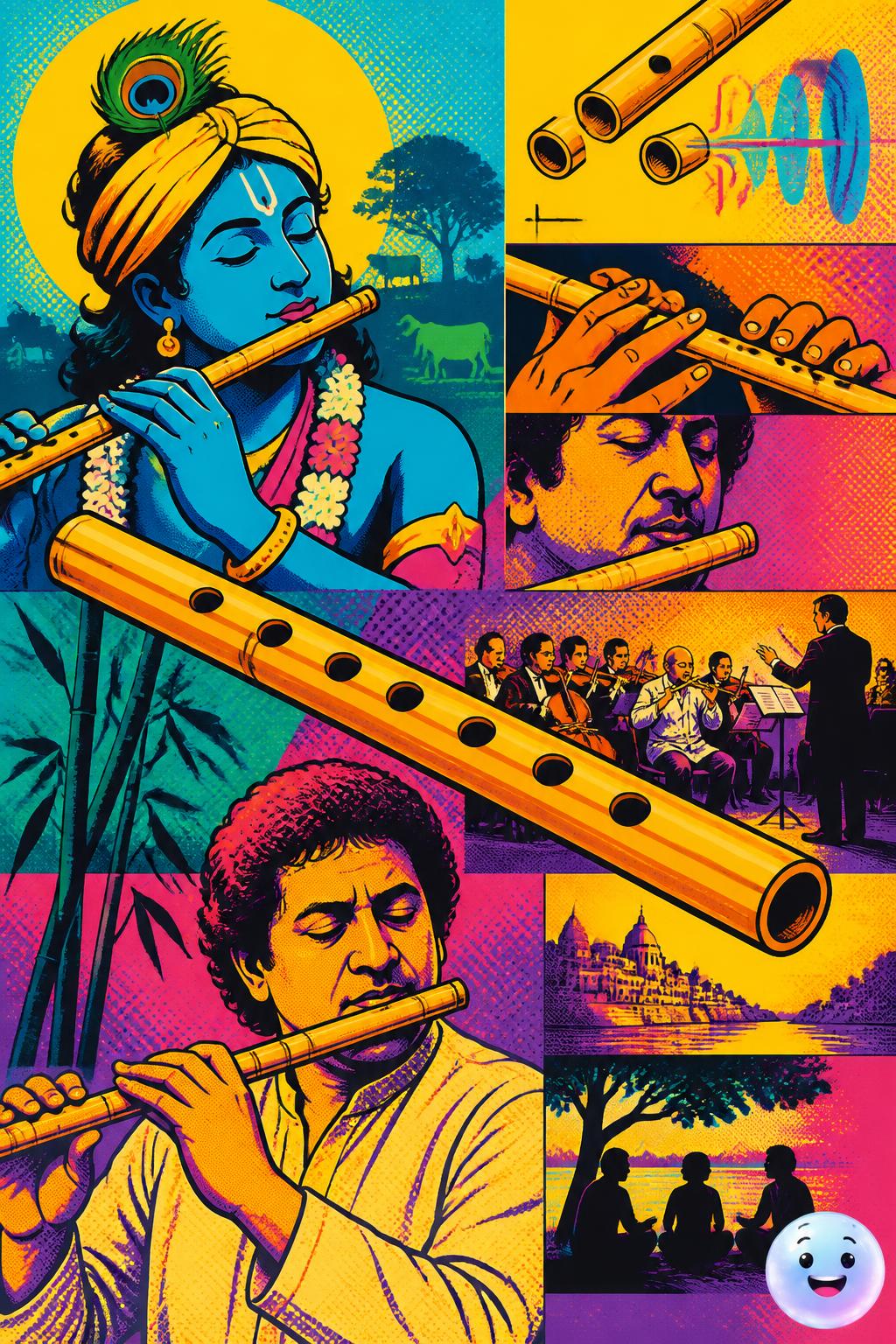
maestro Linked to the deity Krishna, this instrument features a single joint of seasoned bamboo. Masters like Hariprasad Chaurasia slide their fingers to mimic the human voice.
maestro Carved cedar or redwood bodies split air between two separate chambers. A decorative wooden block called a fetish channels breath across the gap to create improvisational melodies

maestro Assemble the flute's parts to discover how this woodwind instrument produces its unique sound.
maestro This end-blown bamboo instrument dates back to the eighth century. During the Edo period, Fuke Zen monks played single, focused breaths to achieve spiritual enlightenment.

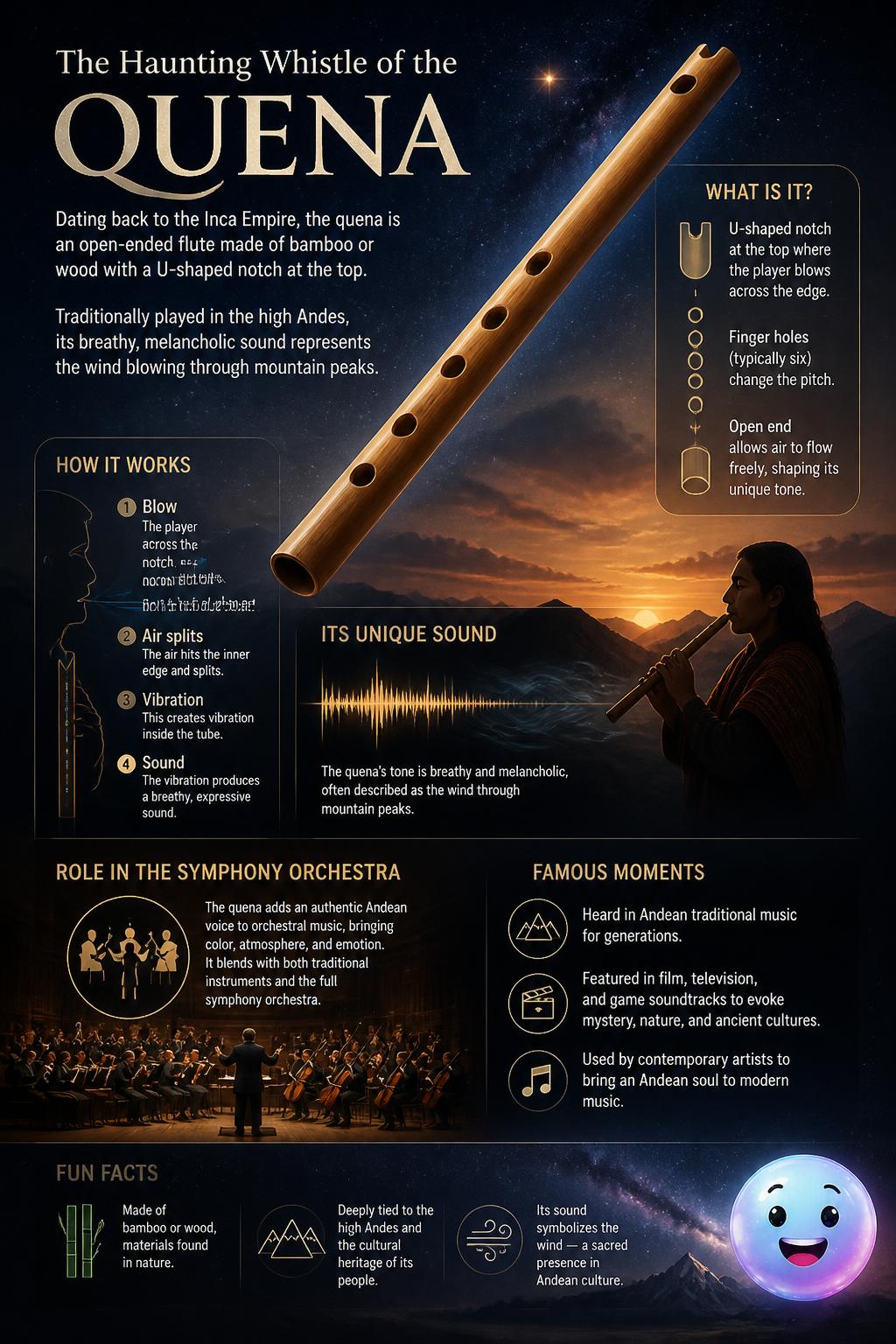
maestro An open-ended bamboo quena flute features a distinctive U-shaped notch at the top
Zen monk flutists: In 17th-century Japan, Zen monks called Komuso wore large straw baskets over their heads to symbolize detachment while playing the shakuhachi.
A traditional Japanese end-blown flute made of bamboo. Fuke Zen monks in seventeenth-century Japan played this instrument as a spiritual practice called suizen.
Which traditional Japanese bamboo flute was used by Zen monks for 'blowing meditation'?
What is the name of the external block or 'bird' on a Native American flute that channels air?
What did the Japanese 'Komuso' monks wear on their heads while playing the shakuhachi?