Chapter 1
The parting of East and West
Chapter 2
Windows to the divine
Chapter 3
Sacred architecture and spaces
Chapter 4
Rituals, mysteries, and the calendar
Ch 2 · Windows to the divine
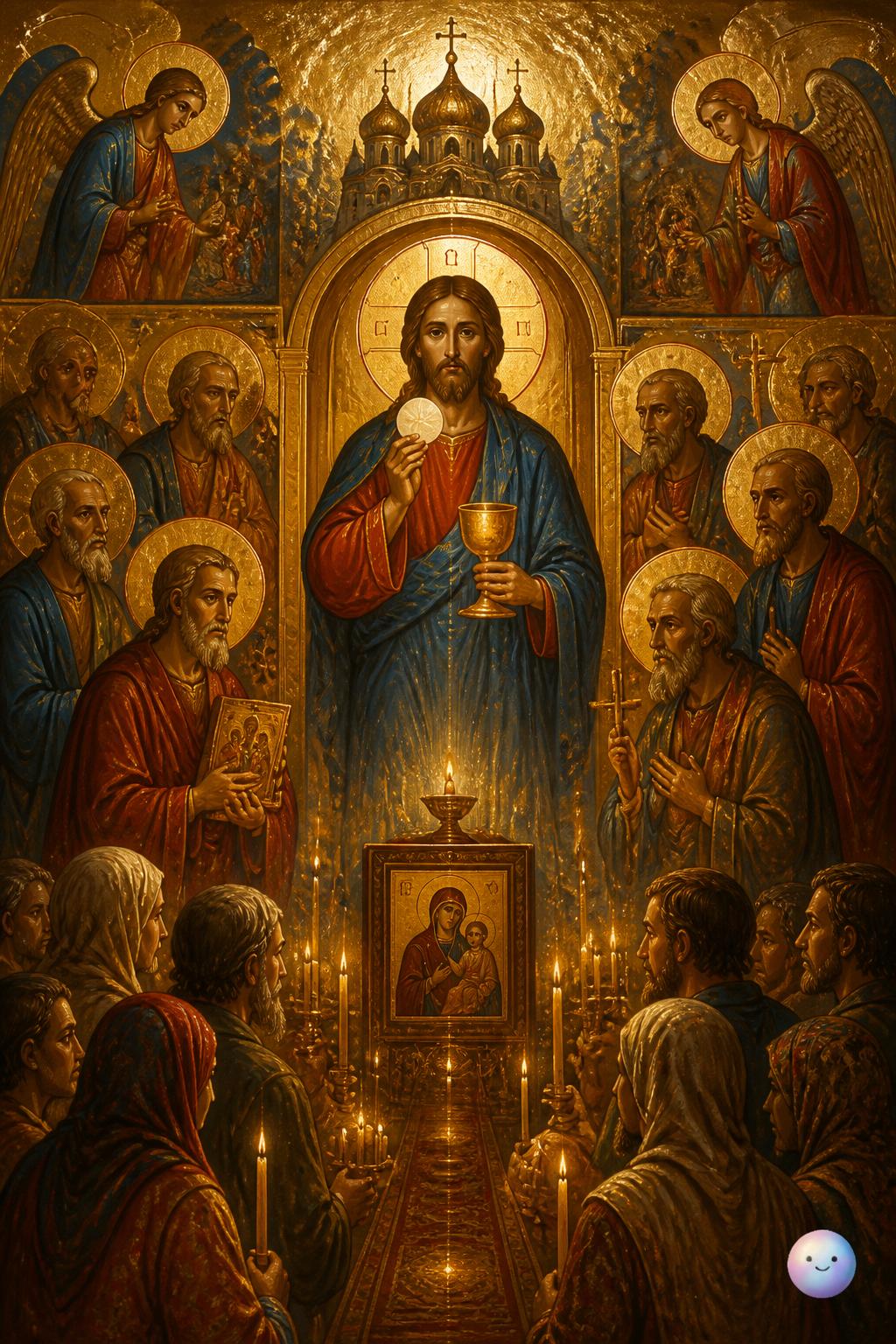
renaissanceman Orthodox icons do not aim for realistic depth; instead, they use inverse perspective and symbolic colors to represent a spiritual reality.
Quiz
Which 15th-century Russian monk painted the famous 'Trinity' icon, celebrated for its circular harmony?
Quiz
What does the color gold represent in the symbolic language of Eastern Orthodox iconography?
Quiz
Which Byzantine Empress permanently restored the veneration of icons in 843 AD, ending the Iconoclastic Controversy?
BETA
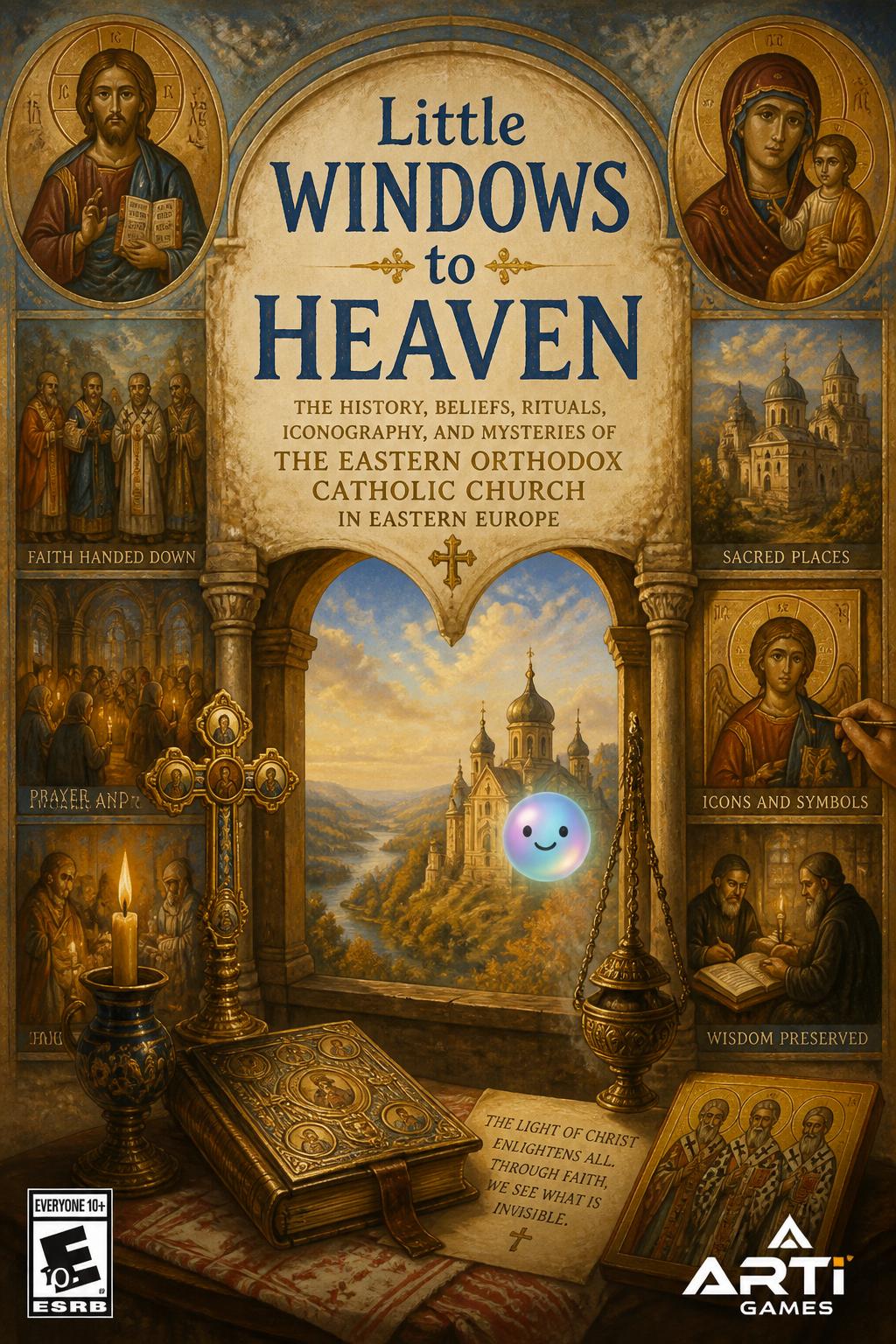
renaissanceman Match the symbolic colors to each saint to master the secret language of Orthodox icons.
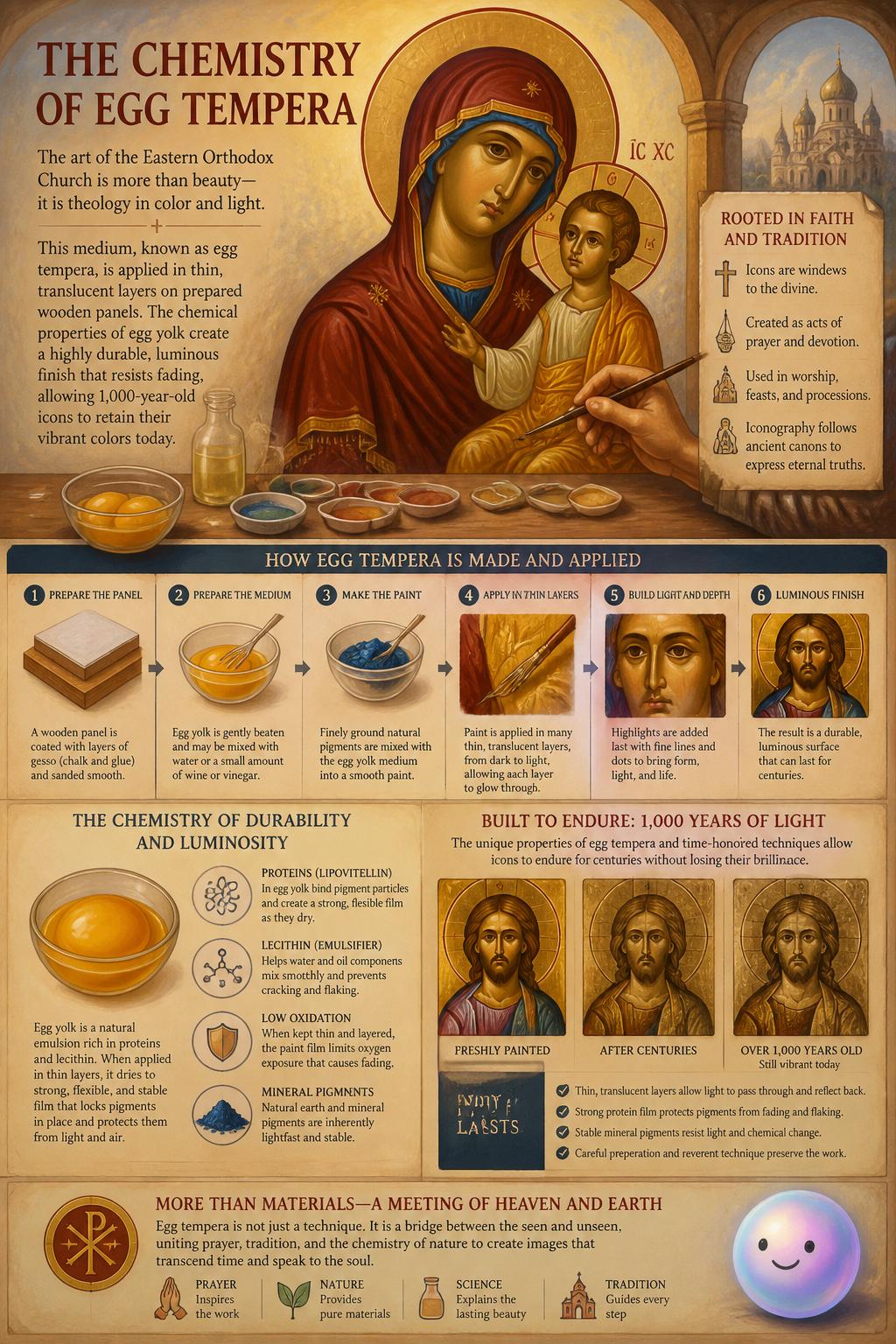
renaissanceman Orthodox iconographers use a traditional mixture of egg yolk, water, and natural mineral pigments to paint their masterpieces.
Quiz
Why do Orthodox icons use 'inverse perspective' where background lines widen toward the viewer?
Quiz
What is the correct theological term for how Orthodox Christians interact with icons, distinct from worshiping them?
Quiz
What is the term for the historical movement in Byzantium that sought to destroy religious images?
renaissanceman Eastern Orthodox Church Icons
Windows to heaven, windows to heaven, holy icons let grace in.
Quiz
What traditional binding medium is mixed with natural pigments to paint Orthodox icons?
Quiz
Instead of canvas, what material is traditionally used as the base for writing an Orthodox icon?
Fun Fact
Windows to heaven: Icons are not considered simple paintings; Orthodox theology treats them as literal 'windows' through which believers interact with the spiritual world.
Glossary
icon (noun)
An image, picture, or symbol that represents a specific object, person, or concept. In 787 CE, the Second Council of Nicaea officially restored the veneration of these sacred Orthodox images.