Debunking the pyramid slave myth
Paid in beer and bread
The ultimate team building project

artiteacher Herodotus accidentally started the pyramid slave myth by recording local folklore instead of archaeological evidence.
In what year did archaeologists discover the worker cemetery near the Giza pyramids?
Why was the burial location of the Giza pyramid workers so significant to archaeologists?
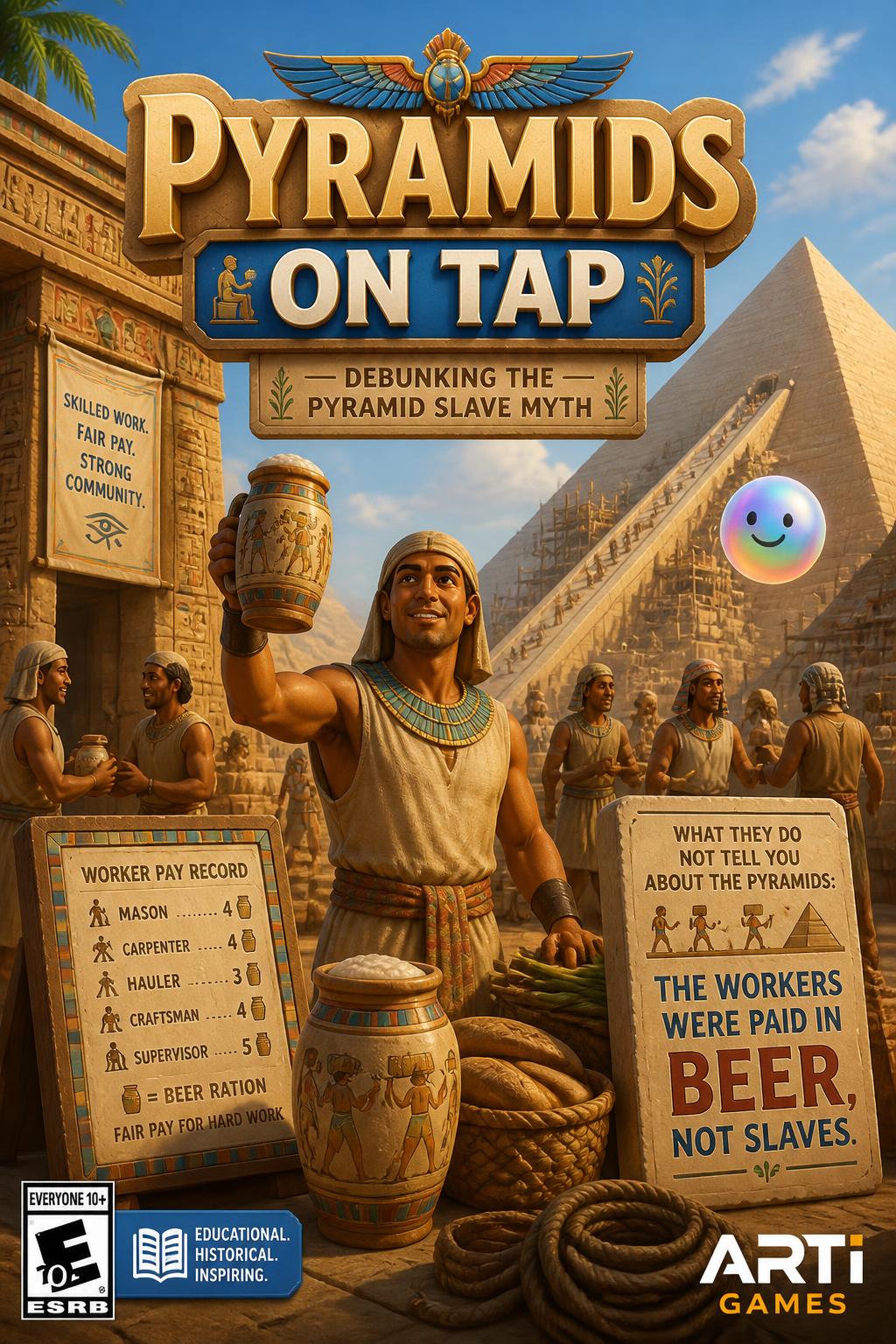
artiteacher Play this interactive game to debunk the pyramid slave myth and discover how ancient Egyptian builders were actually compensated with beer.
artiteacher Explore the discovery of the worker tombs and learn how evidence of beer payments proves the pyramids were built by paid workers, not slaves.
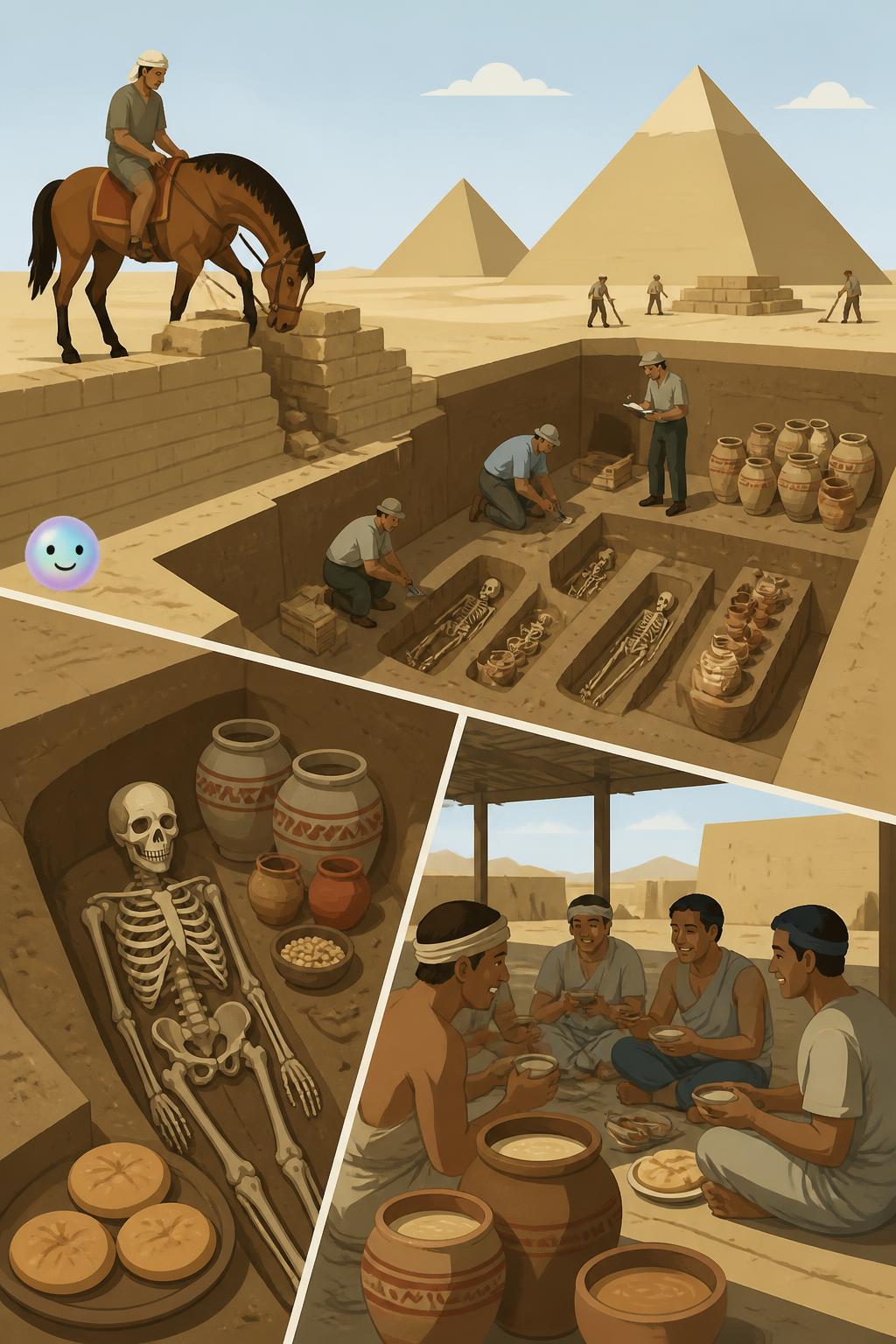
artiteacher Tombs of pyramid builders found near the Giza pyramids show they were buried with respect.
Who wrote the earliest, and incorrect, historical account claiming that 100,000 slaves built the Egyptian pyramids?
What is the name of the ancient worker village discovered near the Giza pyramids?
artiteacher Pyramid Builders
Paid in beer, paid in beer! No slaves at Giza, we are paid in beer!
artiteacher Watch to uncover the secrets of the Giza worker village, where pyramid builders were compensated with beer instead of being forced into slavery.
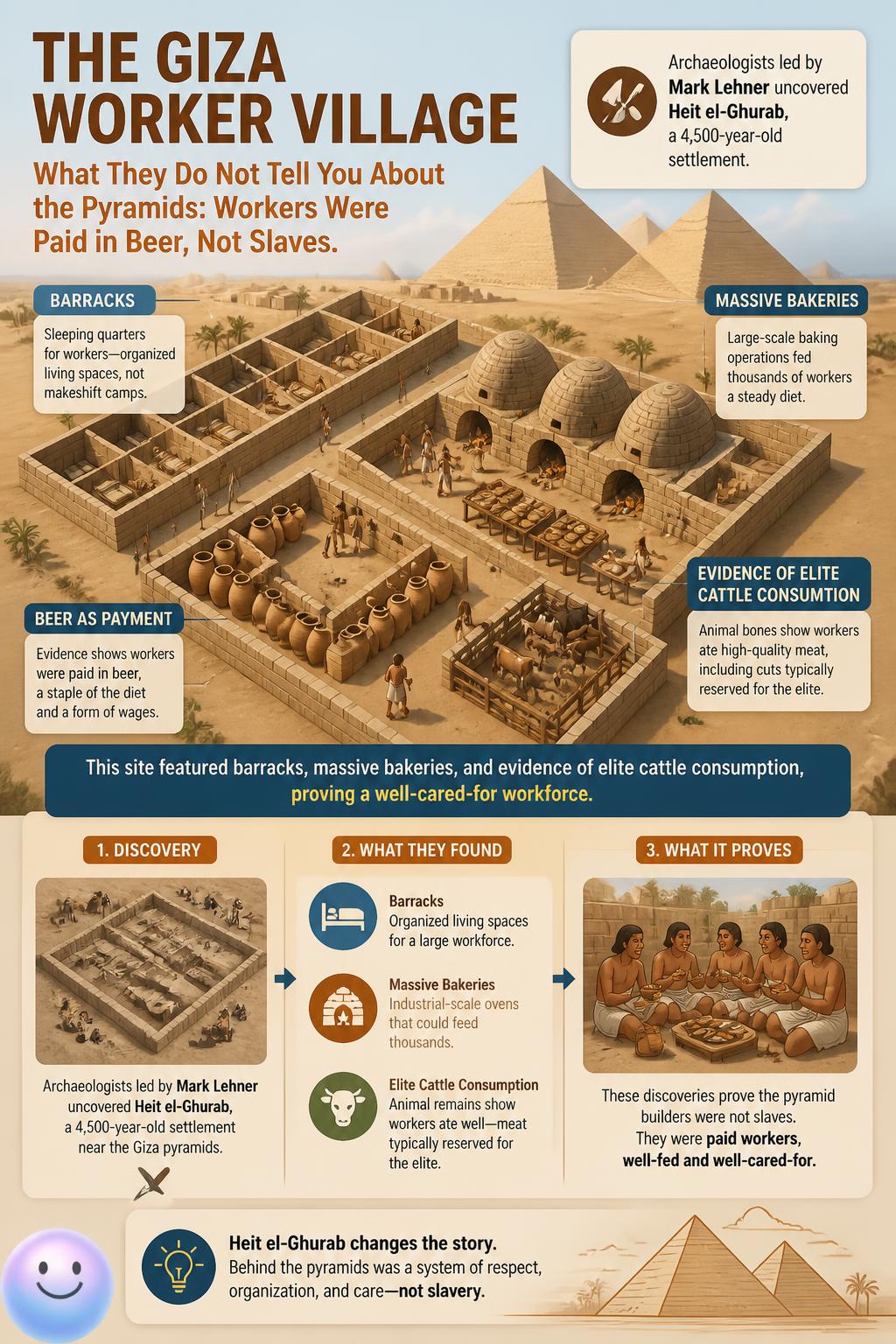
artiteacher Excavations revealed a highly organized city that housed thousands of pyramid builders.
What was the ancient Egyptian system of temporary, state-mandated labor called?
During which annual natural event did seasonal farmers travel to Giza to build the pyramids?
Pyramid builder tombs: Workers were buried in prestigious tombs near the sacred pyramids, a privilege strictly forbidden for slaves in ancient Egypt.
artiteacher Watch how the voluntary draft system organized ancient Egyptian pyramid builders, revealing they were paid workers compensated in beer, not slaves.
Which famous archaeologist co-discovered the Giza worker village and proved the builders were paid?
What did archaeologists find inside the Giza worker tombs that proved they were highly respected?
An alcoholic beverage made by brewing and fermenting cereal grains. Excavations at Giza revealed that pyramid builders received daily rations of this beverage as compensation.