The flower card dynasty of Kyoto
The wild era of bizarre experiments
The birth of the modern video game
The philosophy of pure play
nintendo In 1889, Fusajiro Yamauchi sold handmade Hanafuda cards in Kyoto. These beautiful, numberless designs bypassed a strict government ban on foreign playing cards as a clever legal loophole.
nintendo Kyoto's Hanafuda Dynasty
Before the consoles glowed, Kyoto pressed flowers into mulberry bark!
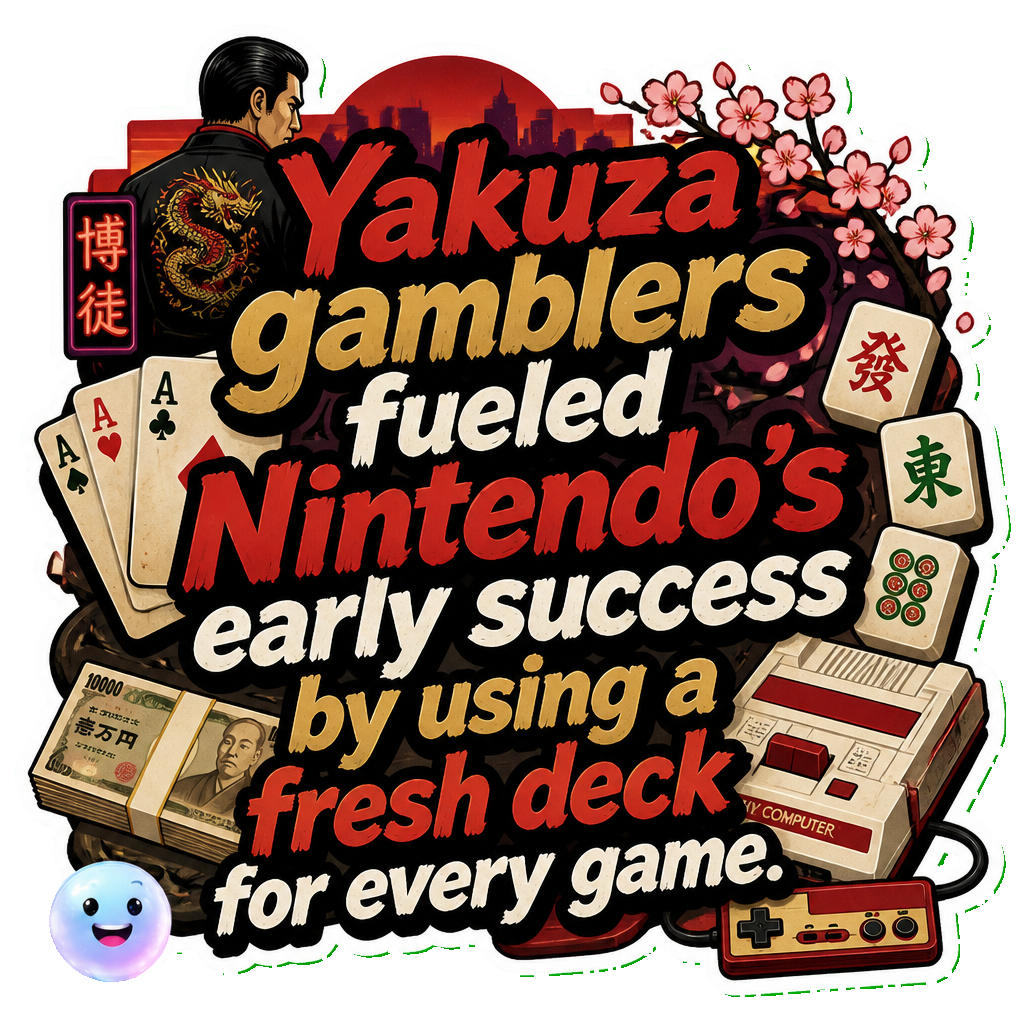
nintendo During the early 1900s, yakuza gamblers in Kyoto and Osaka demanded fresh Nintendo Hanafuda decks for every game to prevent cheating, causing sales to skyrocket.
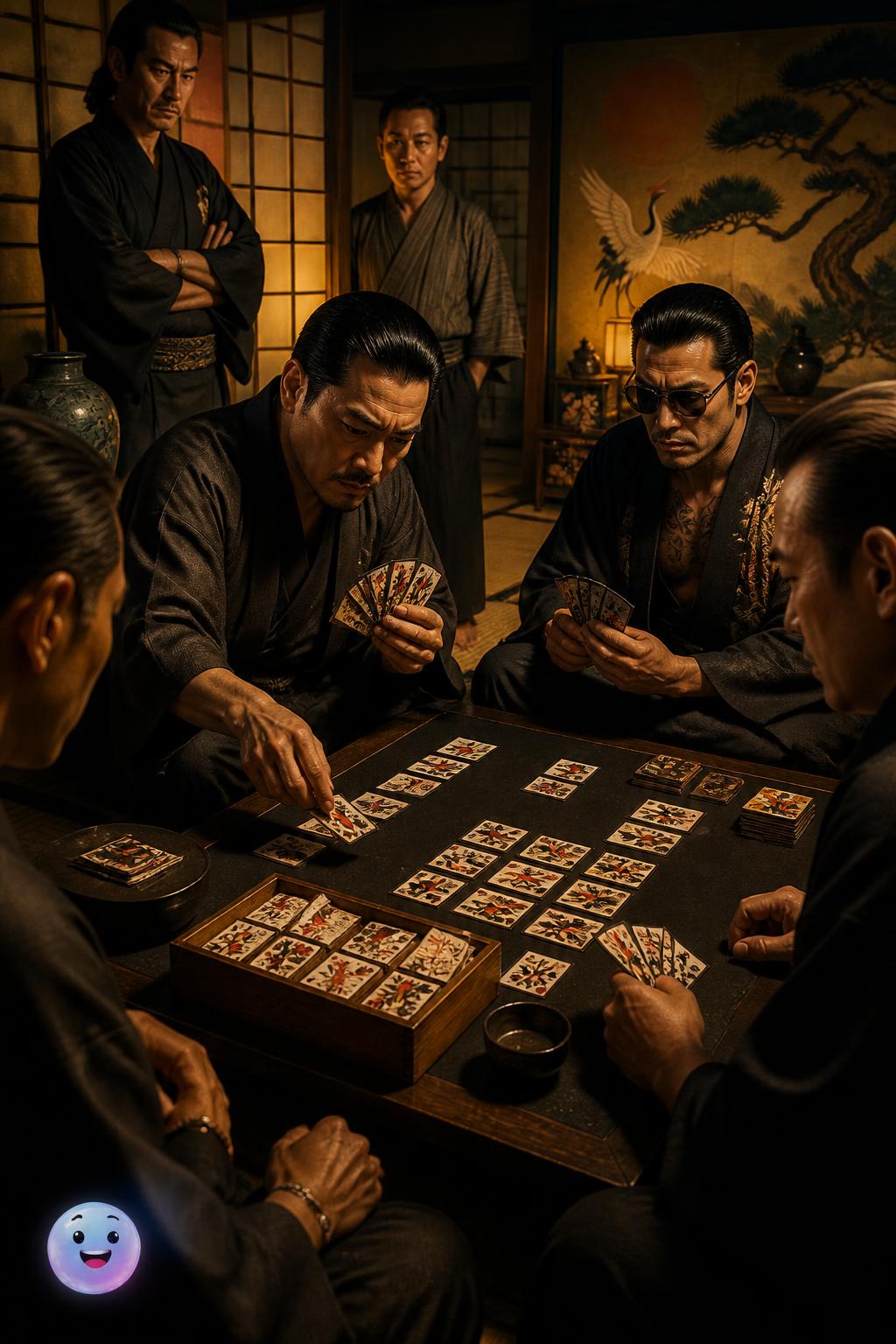
nintendo Traditional Hanafuda cards glow under dramatic warm light on a dark wooden table.
Which organized group was a major customer of Nintendo's cards in the early 20th century?
Why did Nintendo's Hanafuda cards become popular despite Japan's strict ban on foreign playing cards?
nintendo In 1959, Hiroshi Yamauchi licensed Mickey Mouse for Nintendo playing cards. This deal sold over 600,000 packs and brought card games into Japanese family homes.
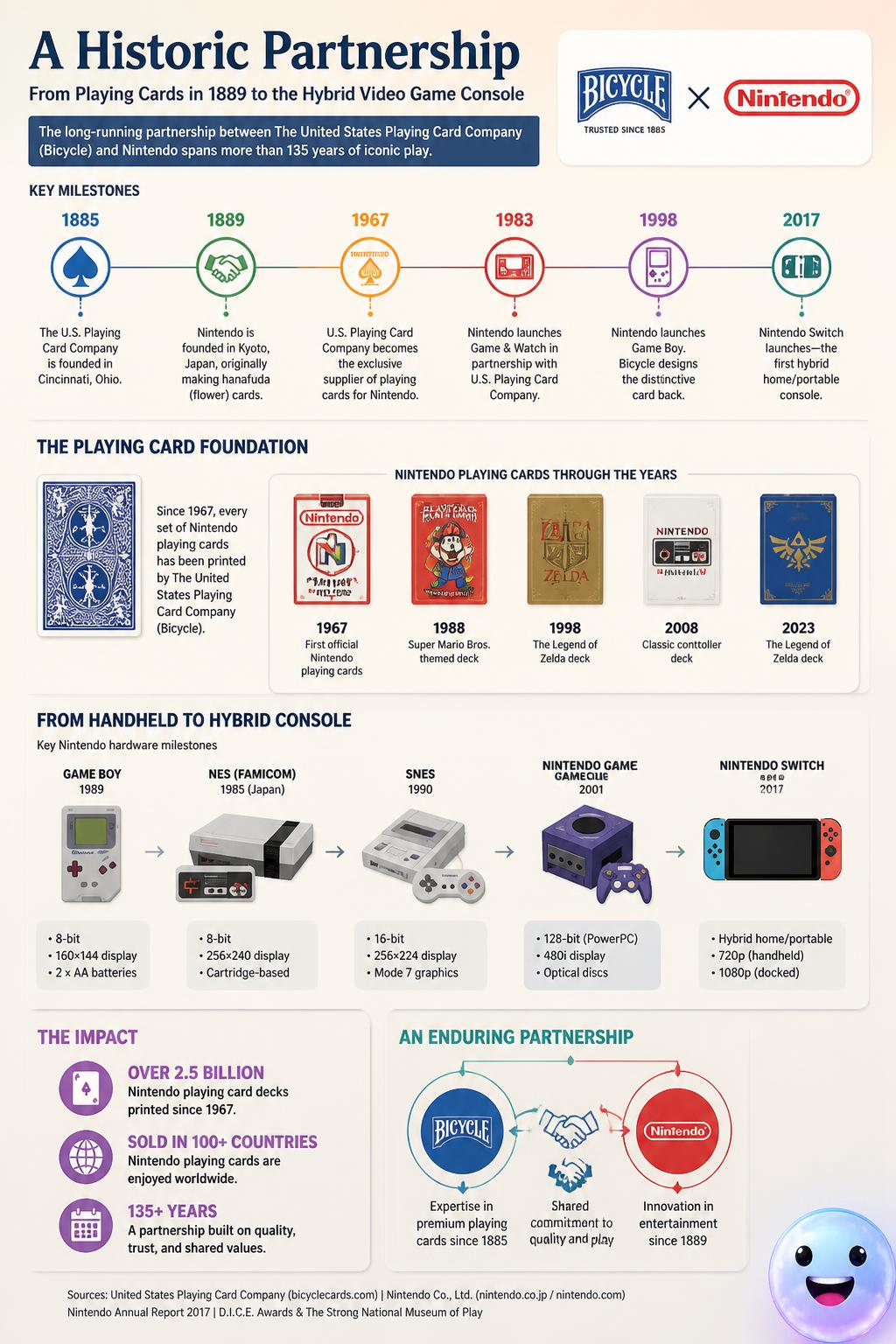
nintendo Diagrams trace Nintendo's evolution from 1889 playing cards to the hybrid console.
In 1959, which American company did Nintendo partner with to put cartoon characters on their cards?
Who took over as the third president of Nintendo in 1949, transforming it into a modern corporation?
Nintendo's name meaning: The name 'Nintendo' translates roughly to 'leave luck to heaven,' reflecting its gambling card origins.
nintendo Nintendo opened this Shimogyo ward landmark in 1930 to expand card production. A 2022 renovation transformed the historic building into a boutique hotel called Marufukuro.
What product did Nintendo exclusively manufacture when the company was founded in 1889?
A style of traditional Japanese playing cards decorated with floral and nature-themed illustrations. Fusajiro Yamauchi founded Nintendo in Kyoto in 1889 to manufacture and sell these cards.