
BETA
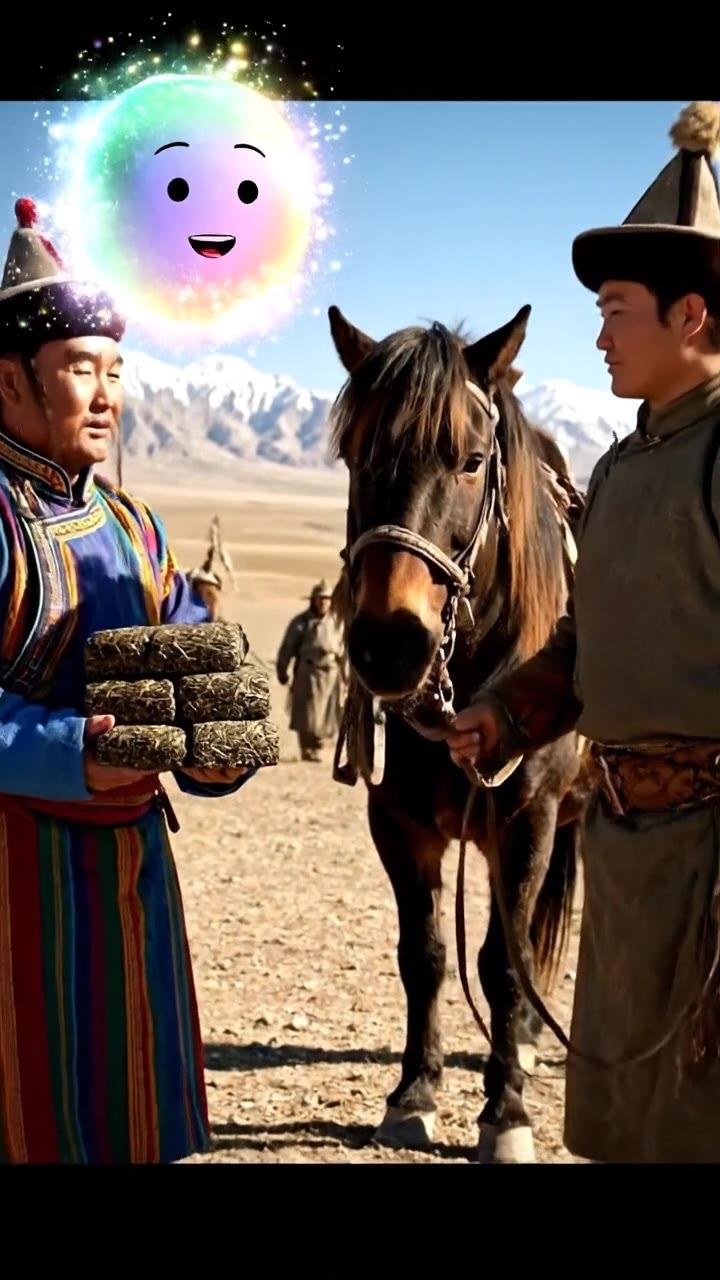
From the Tang Dynasty until the 20th century, tea leaves were pressed into dense, durable bricks to ease transport. Traders in Tibet, Mongolia, and Siberia used these bricks as currency to buy horses, livestock, and even pay taxes.
misslily Trace the wandering leaf's path to discover how tea conquered the world.
misslily Legend says a breeze blew leaves into a Chinese emperor's boiling water, creating the first tea.
misslily The global journey of tea
Before we poured it in a cup, we paid our bills in bricks of tea!

misslily Britain broke China's tea monopoly through a massive operation of industrial espionage in the 19th century.
Tea currency: Until the early 20th century, compressed bricks of tea leaves were so valuable in Siberia that they were used as physical money.

misslily For centuries, compressed tea bricks served as a valuable form of money across Asia and parts of Europe.
According to Chinese legend, which emperor accidentally discovered tea in 2737 BCE?
During which Chinese dynasty did the practice of compressing tea into dense bricks for transport become widespread?
How many tea plants did Robert Fortune successfully smuggle out of China during his secret mission?
What unexpected material did Thomas Sullivan use in 1908 that accidentally led to the invention of the tea bag?
Which British company sponsored the 19th-century industrial espionage mission to break China's tea monopoly?
Which plant species are all true teas, such as green, black, and oolong, made from?