Profile
Miss Lily
0 friends
Masteries

No masteries yet
misslily El debut literario de David Walliams en la escritura infantil
misslily El éxito mundial de los libros infantiles de David Walliams
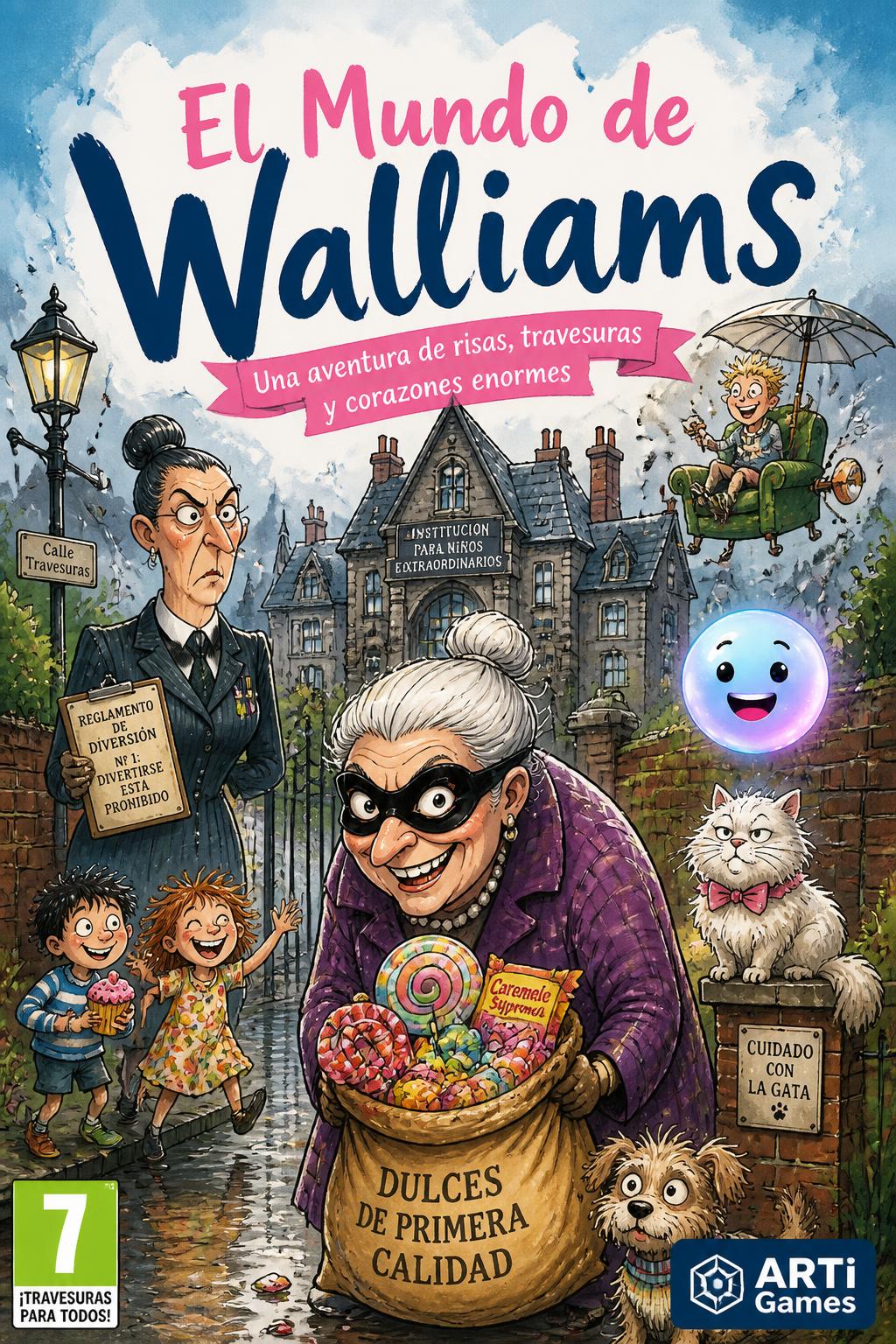
misslily Asocia cada personaje con su historia para descubrir el disparatado mundo de David Walliams.
misslily David Walliams
¡Salió de la tele, / trajo sus misterios, / y vendió millones!
De la televisión a vender millones de libros al irreverente estilo de Roald Dahl.
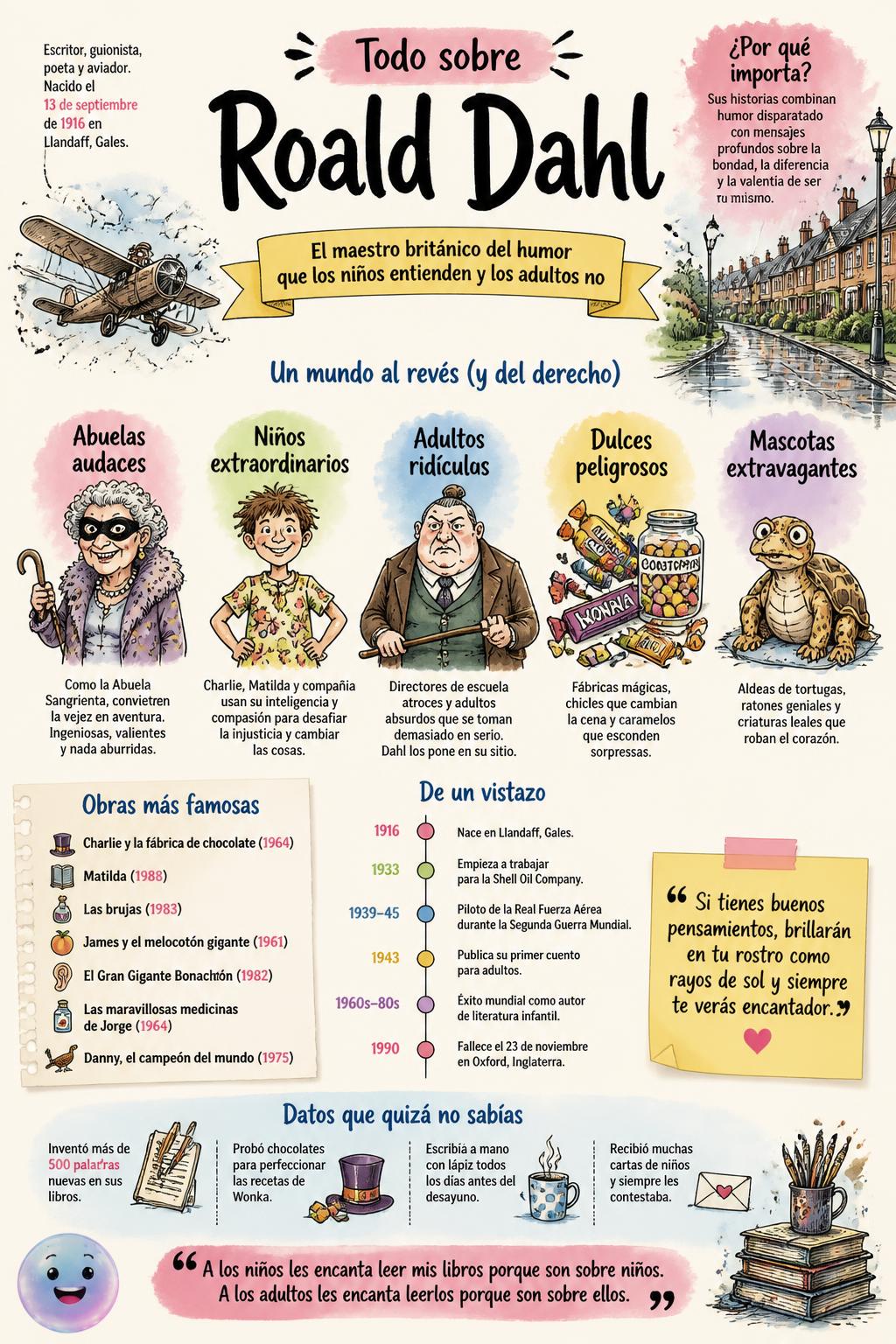
misslily Las comparaciones con el maestro del humor negro y la rebeldía infantil.
misslily David Walliams created his debut children's novel to challenge traditional stereotypes.
Nado de caridad: David Walliams nadó los 34 kilómetros del Canal de la Mancha en 2006 para recaudar más de un millón de libras para la caridad Sport Relief.
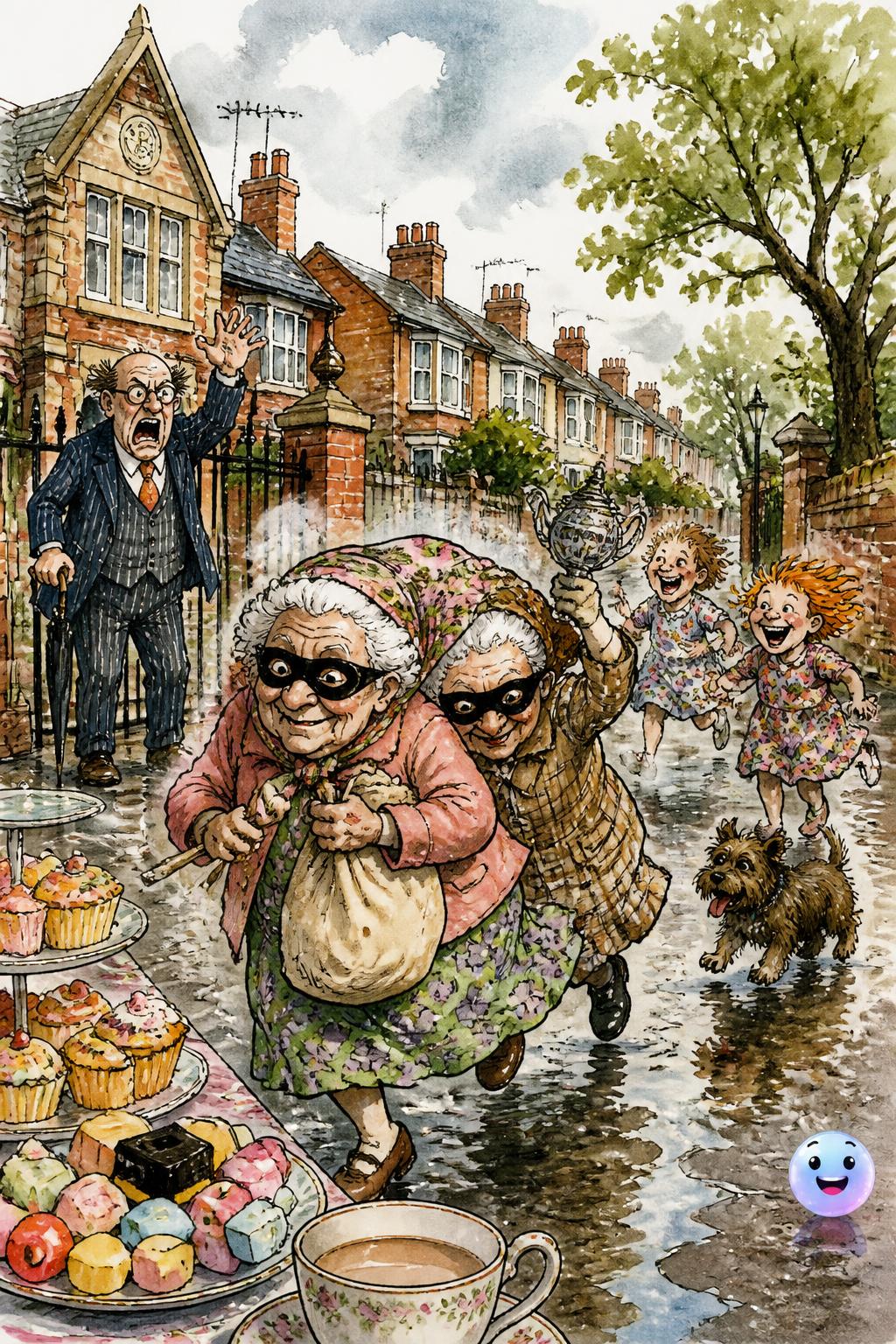
misslily Cómo una idea audaz se convirtió en su primera y aclamada novela.
Persona que se dedica profesionalmente a hacer reír al público mediante chistes, gestos o actuaciones humorísticas. Walliams consolidó su fama televisiva con este rol antes de publicar su primer libro infantil en 2008.
¿En qué famoso programa de televisión británico fue juez David Walliams de 2012 a 2022?
¿Qué talento de David Walliams te parece más asombroso?
¿En qué año se publicó la primera novela infantil de David Walliams, "El chico del vestido"?
¿Cuál de las siguientes actividades benéficas realizó David Walliams para recaudar fondos en 2006?
¿Cuál es el nombre real de nacimiento del autor infantil David Walliams?
¿Qué prestigiosa distinción real recibió David Walliams en 2017 por sus servicios a la caridad y las artes?
¿Qué exitosa serie de sketches cómicos creó y protagonizó David Walliams junto a Matt Lucas?
misslily David Walliams transformed modern children's publishing with his high-energy books.
¿Con qué célebre autor de "Matilda" se compara frecuentemente el estilo literario de David Walliams?
¿A cuántos idiomas aproximadamente se han traducido los exitosos libros de David Walliams?
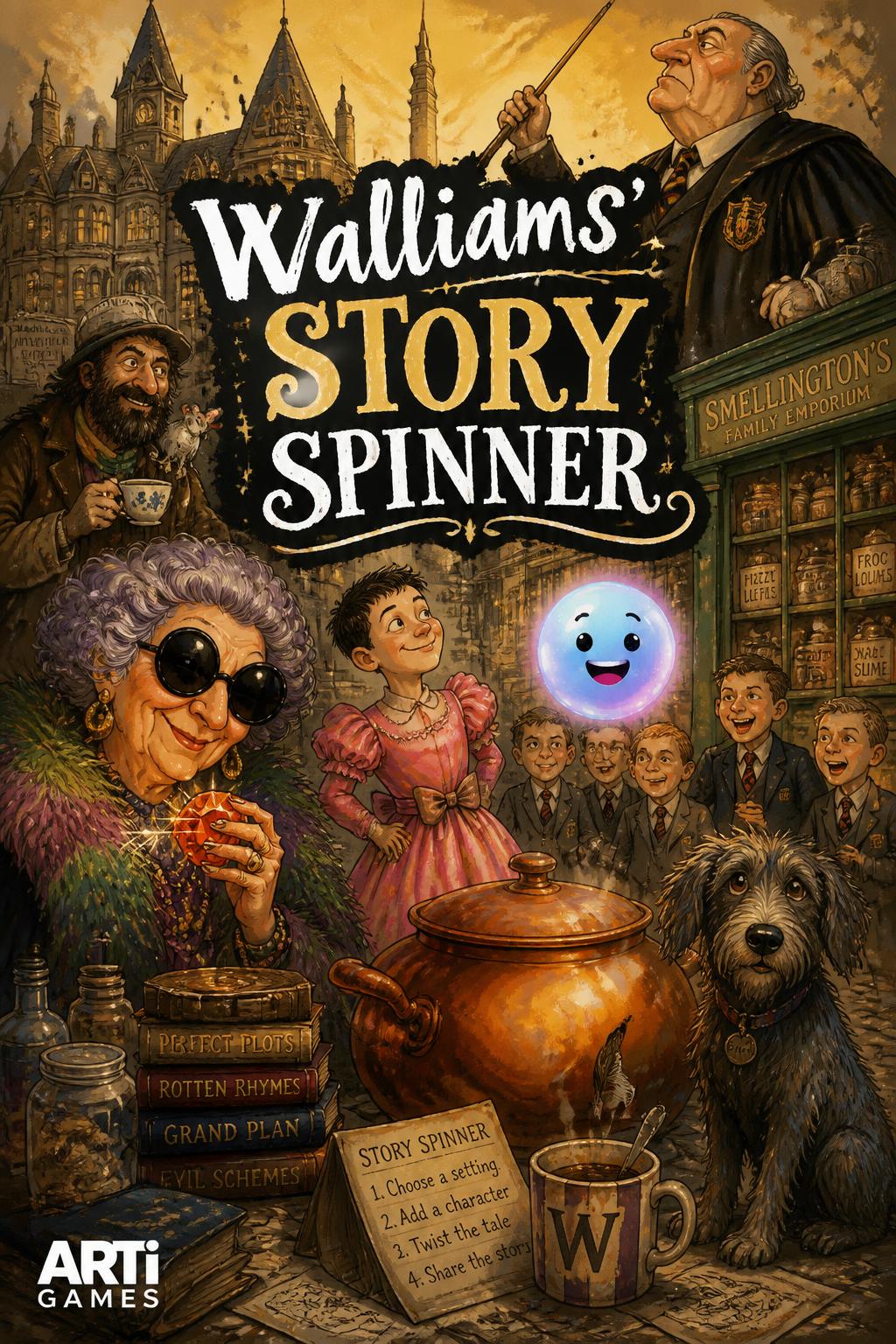
misslily Spin the story spinner to discover the quirky characters and heartfelt worlds of David Walliams.
misslily David Walliams' Children's Books
From the TV screen, Quentin Blake's ink brought the boy in the dress to life!
His eccentric 'Little Britain' characters inspired his children's books.
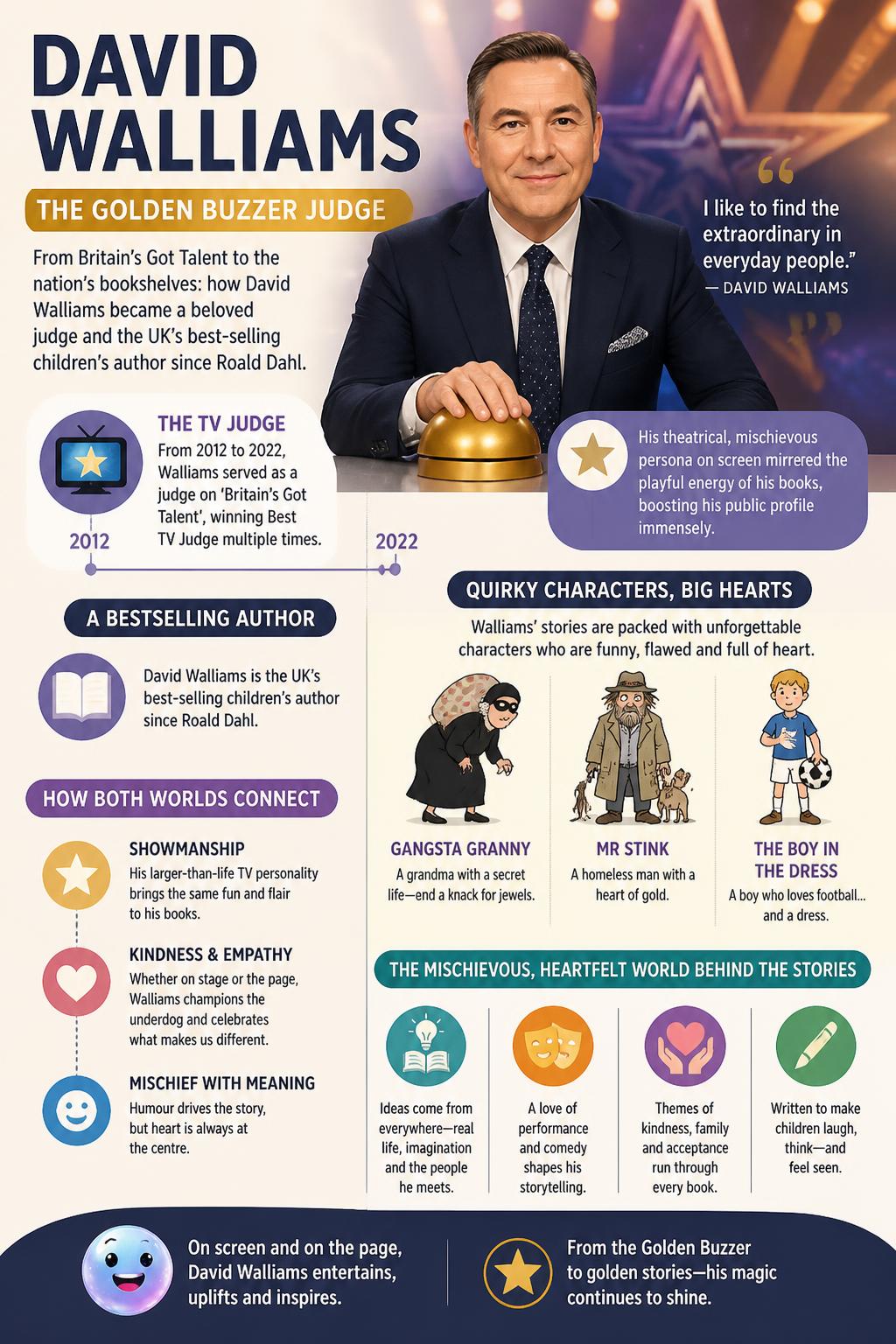
misslily Walliams balanced his writing career with a decade-long stint on a major talent show.
Name change: David Walliams changed his last name from Williams because there was already another actor registered with that name.

misslily Walliams made his literary debut in 2008 with a story about self-expression.
The first public appearance of a performer or a new work of art. Walliams made his literary debut in 2008 with the publication of The Boy in the Dress.
In what year did David Walliams publish his very first children's novel, 'The Boy in the Dress'?
Which Walliams career path is cooler?
Why did David Walliams change his surname from Williams?
Which character trait of David Walliams on 'Britain's Got Talent' most mirrored his books?
What British TV sketch comedy show first made David Walliams a household name in 2003?
By 2017, into how many languages had David Walliams's children's books been translated?
What is the main character's favorite sport in the book 'The Boy in the Dress'?
For how many years did David Walliams serve as a judge on the television show 'Britain's Got Talent'?
Which famous illustrator, known for his work with Roald Dahl, illustrated Walliams's debut book?
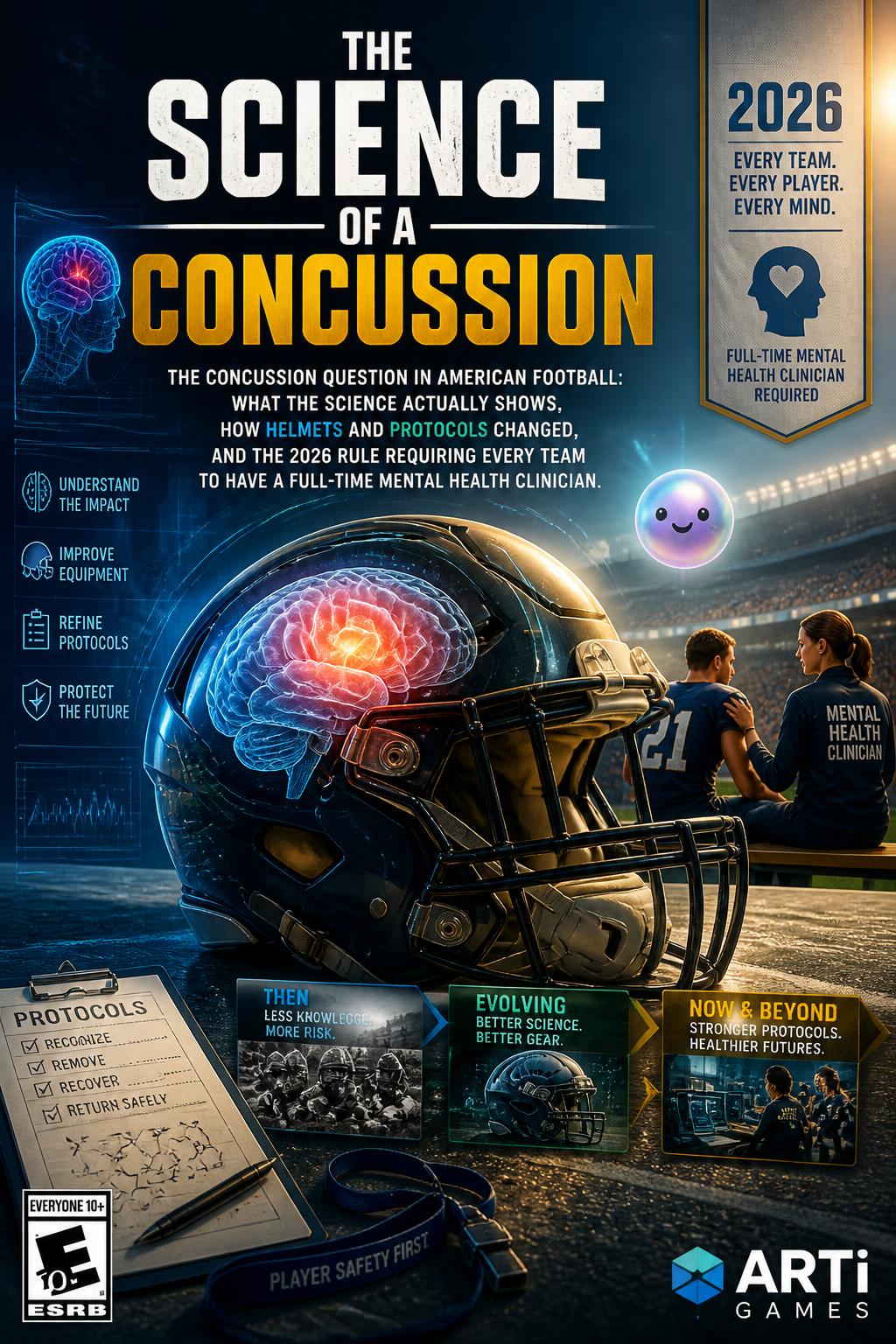
misslily Learn what science shows about football concussions, how safety protocols and helmets are changing, and the new 2026 mental health clinician rule.
misslily The Science of Concussions
It's the twist, not the hit, that stretches our pathways, but team clinicians are here to heal the mind.
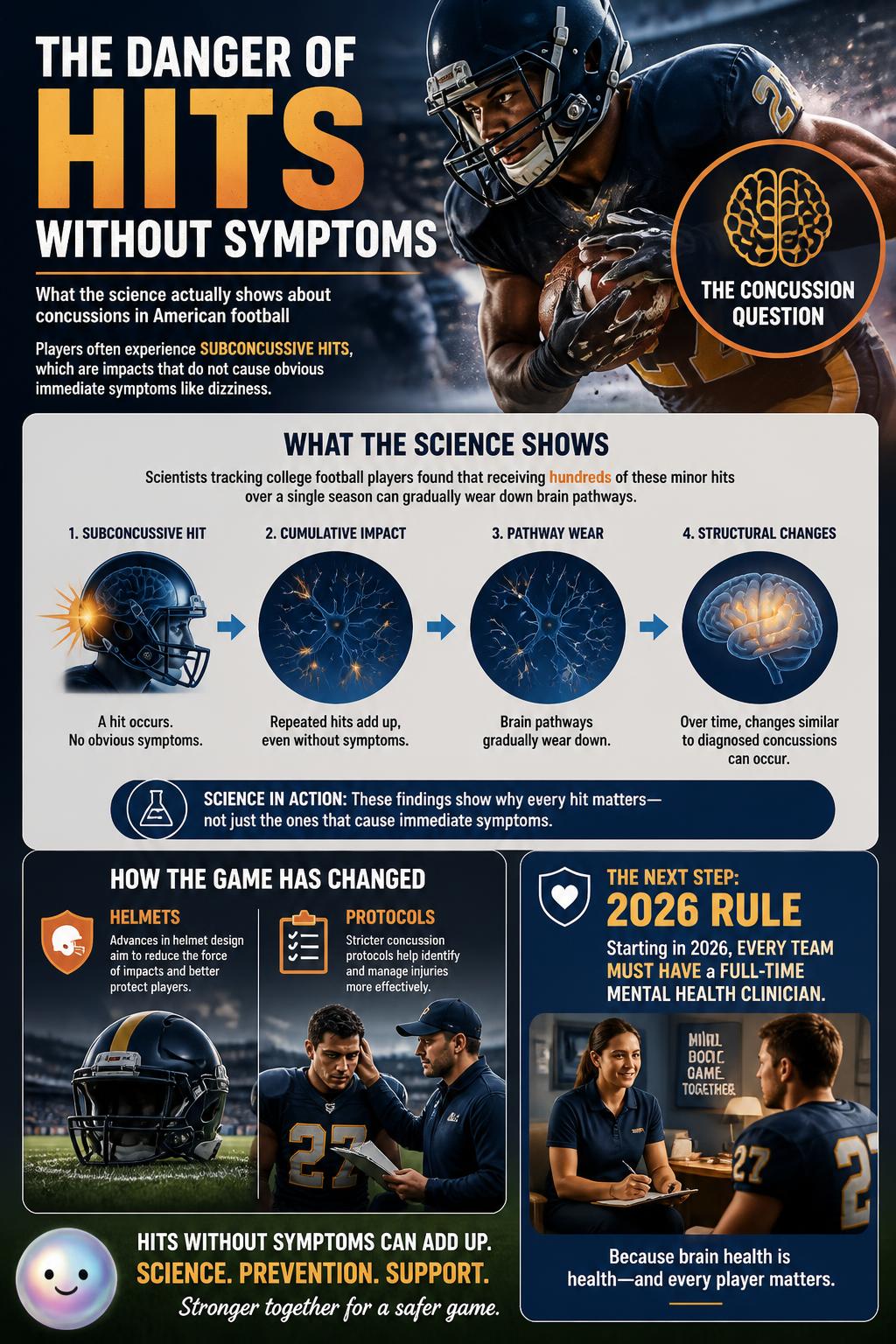
misslily Hundreds of minor, symptom-free hits over a season can cause cumulative brain changes even without a diagnosed concussion.
Brain consistency: Your brain is actually about the consistency of soft gelatin, which is why sudden jolts can easily warp and stretch its delicate pathways.
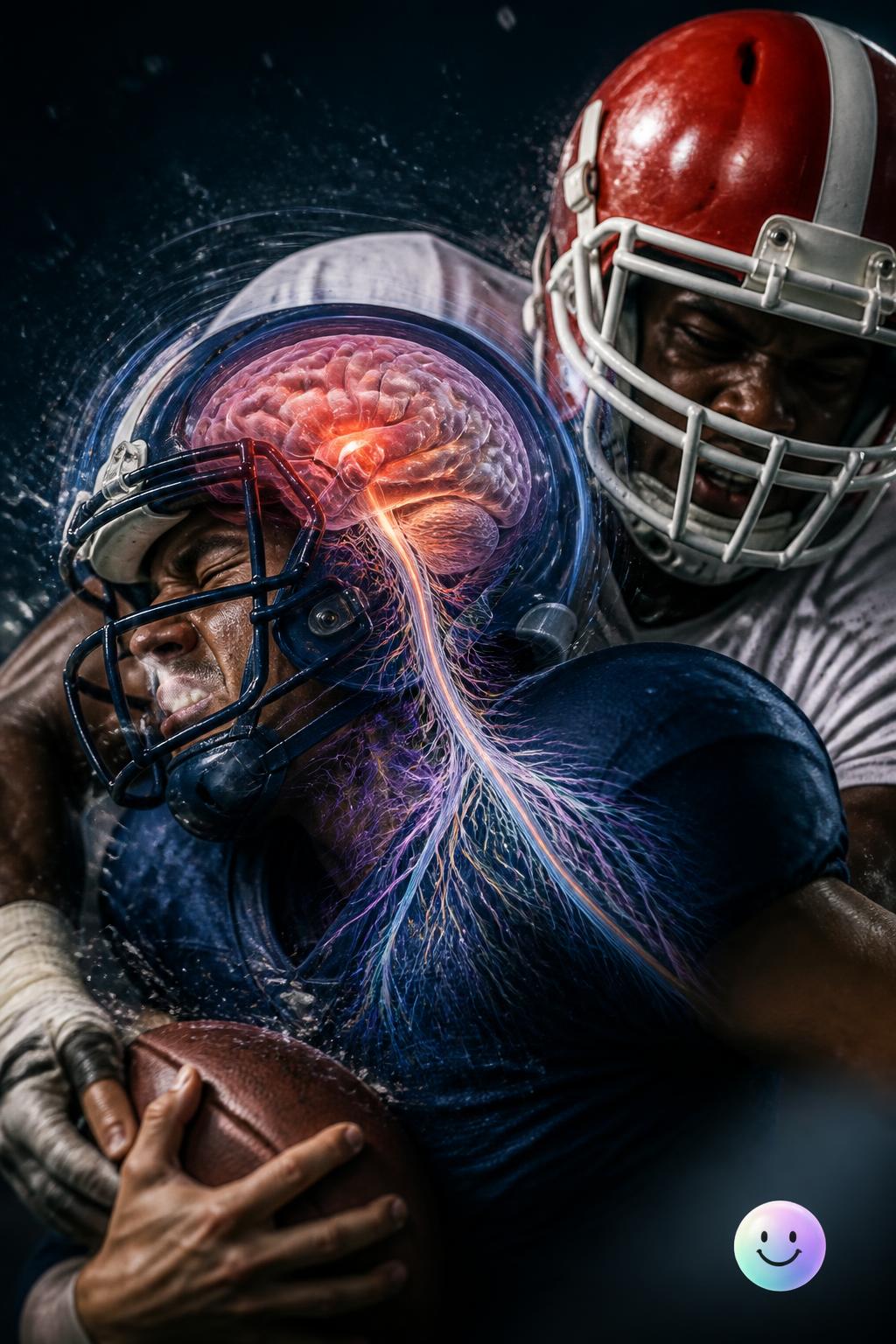
misslily Rotational forces, or the twisting of the brain inside the skull, are often far more dangerous than straightforward linear impacts.
A temporary loss of brain function caused by a blow or injury to the head. In football, this injury occurs when rapid rotational forces cause the brain to twist inside the skull.
In what year did neuropathologist Dr. Bennet Omalu first identify CTE in a deceased professional football player?
What immediate chemical change happens in the brain right after a concussive impact?
Why can Chronic Traumatic Encephalopathy (CTE) currently only be diagnosed after a person has passed away?
What abnormal protein builds up in the brain of someone suffering from Chronic Traumatic Encephalopathy (CTE)?
What are minor head impacts called that do not show immediate concussion symptoms but can cause cumulative damage?
Which part of the brain cell gets stretched and damaged during a high-impact rotational hit?
Which type of force causes the head to twist, stretching nerve axons deep within the brain?
What biological substance makes up the brain's consistency, making it vulnerable to sudden sloshing inside the skull?

misslily Decode the silent notes to discover how Beethoven composed his greatest symphonies while deaf.