The giant scale of gross domestic product
When money loses its magic
The puzzle of finding a job
The wizards of the interest rate
The government's giant checkbook

marcus Sweden founded Sveriges Riksbank in 1668, while America created the Federal Reserve in 1913. These institutions prioritize national economic stability over profit to rescue struggling commercial banks.
In the 2010s, which European country was among the first to introduce negative interest rates to encourage commercial banks to lend money?
Why do central banks aim to be independent of their country's political governments?

marcus Cast rate spells to discover how central banks balance inflation and economic growth.
marcus Higher rates make car and home loans expensive to cool down rising prices. Lowering rates during recessions encourages families and businesses to spend and invest again.

Which central bank, founded in 1668 in Sweden, is recognized as the oldest central bank in the world?
marcus Federal Open Market Committee
They're sketching their dots on a quarterly chart, To show where the future of interest will start.
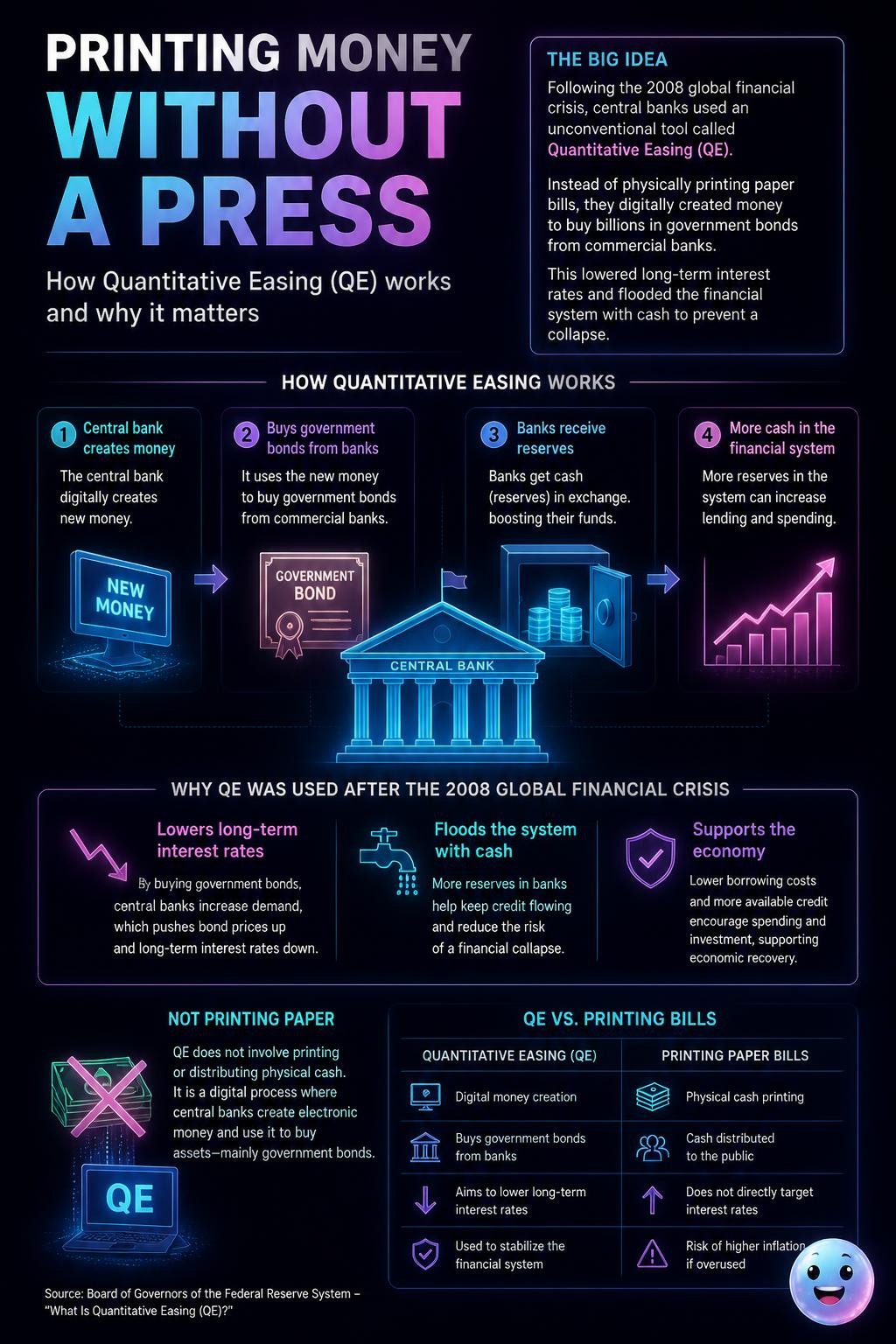
marcus An educational guide explains macroeconomics, inflation, interest rates, and digital money creation.
Which major central bank manages the monetary policy for nineteen European Union member states?
What happens to borrowing costs for ordinary citizens when a central bank lowers its benchmark interest rate?
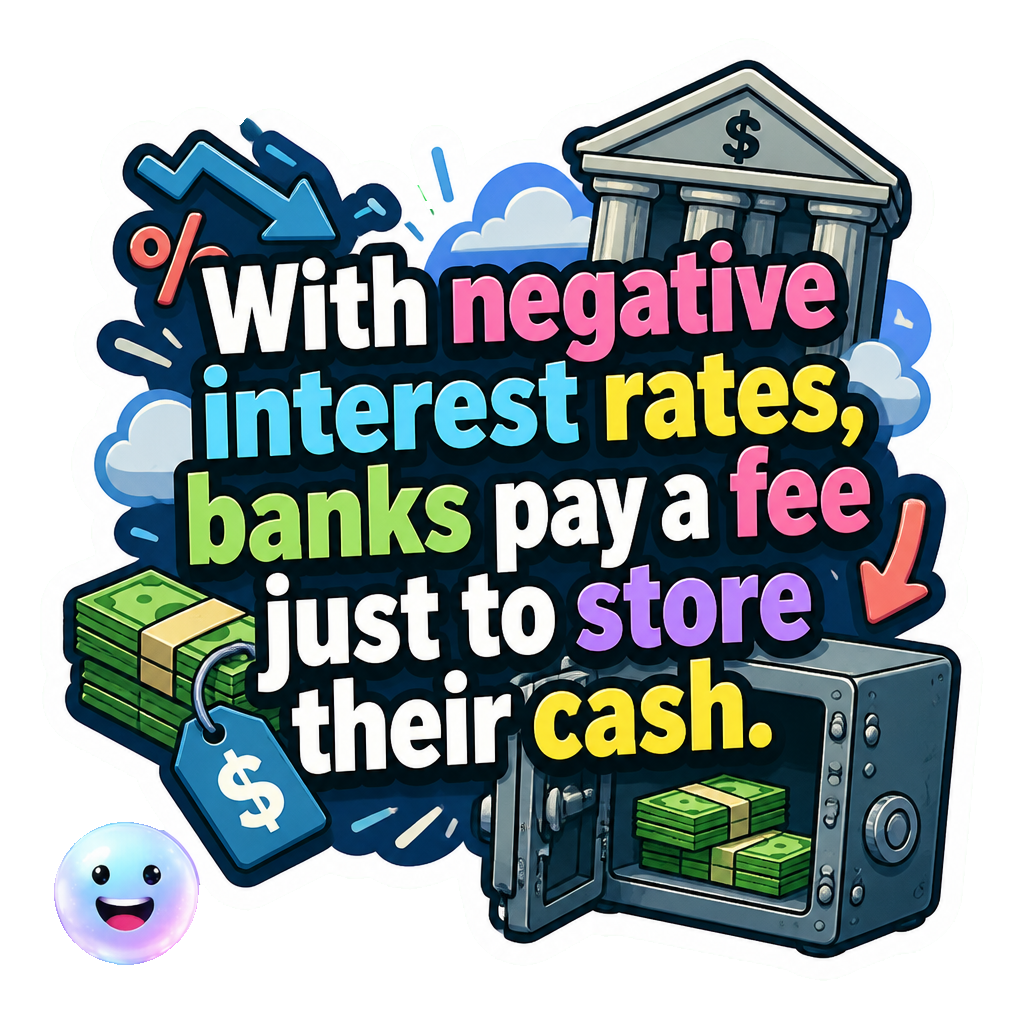
marcus Denmark introduced negative interest rates in 2012 to stop banks from hoarding cash. This policy forced commercial banks to lend money to local businesses instead.
What unconventional monetary policy involves a central bank buying massive amounts of government bonds to pump cash directly into the economy?
Who serves as the primary decision-making body for monetary policy in the United States Federal Reserve?
Fort Knox security: The United States Bullion Depository at Fort Knox, Kentucky, holds over 147 million ounces of gold, guarded by tank units and steel-plated concrete walls.
A national institution that manages a country's currency, money supply, and interest rates. In 1980, the Federal Reserve raised interest rates to a historic twenty percent to combat runaway inflation.