Architects of massive empires
Golden ages of culture and science
Lawmakers who shaped society
Monarchs of unexpected talents
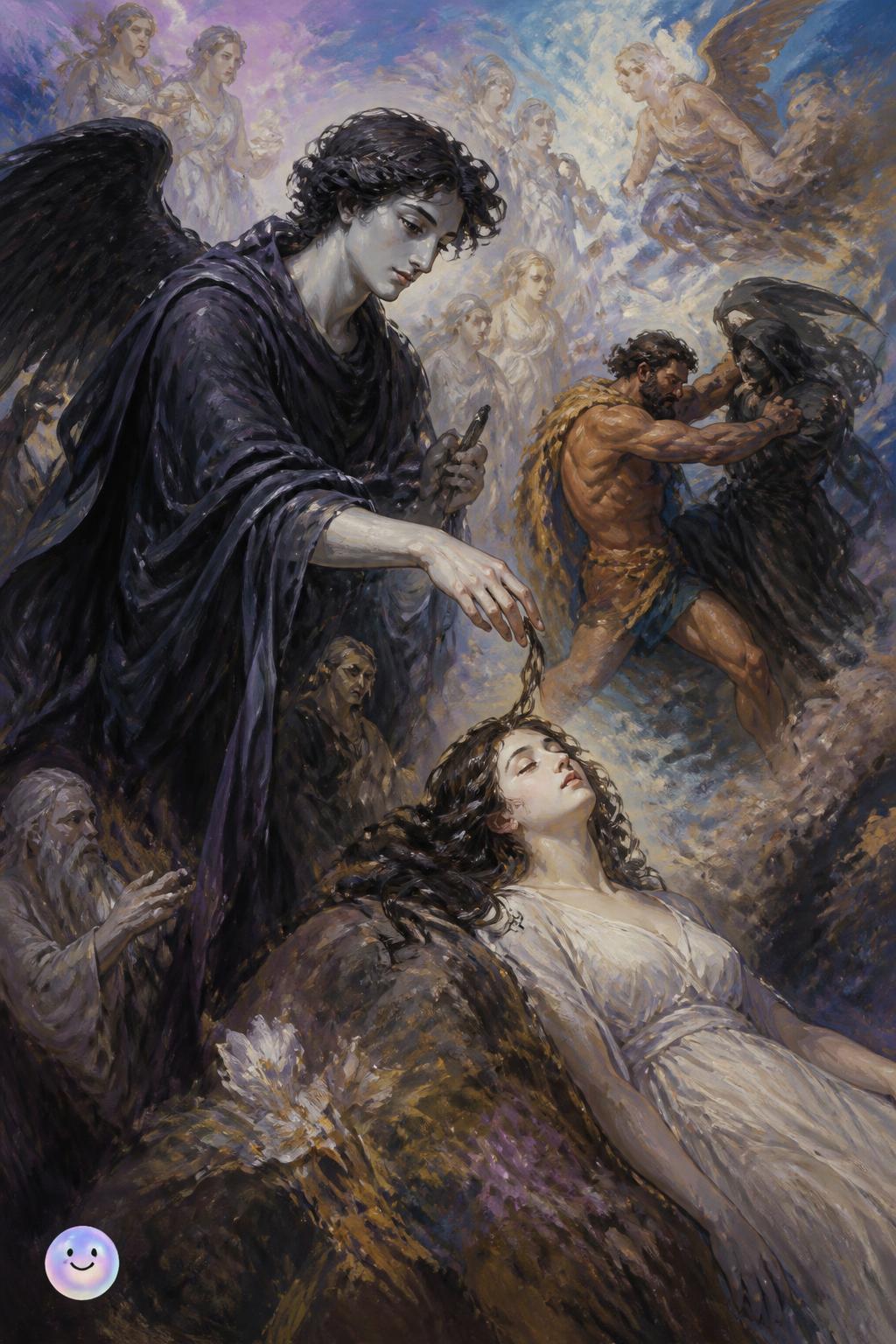
schopenhauer In 539 BCE, King Cyrus issued a clay cylinder declaring religious freedom and freeing enslaved people.
What ancient artifact, created in 539 BCE by Cyrus the Great, is often called the first declaration of human rights?
Which Hawaiian king successfully unified all the Hawaiian Islands under one rule by 1810?
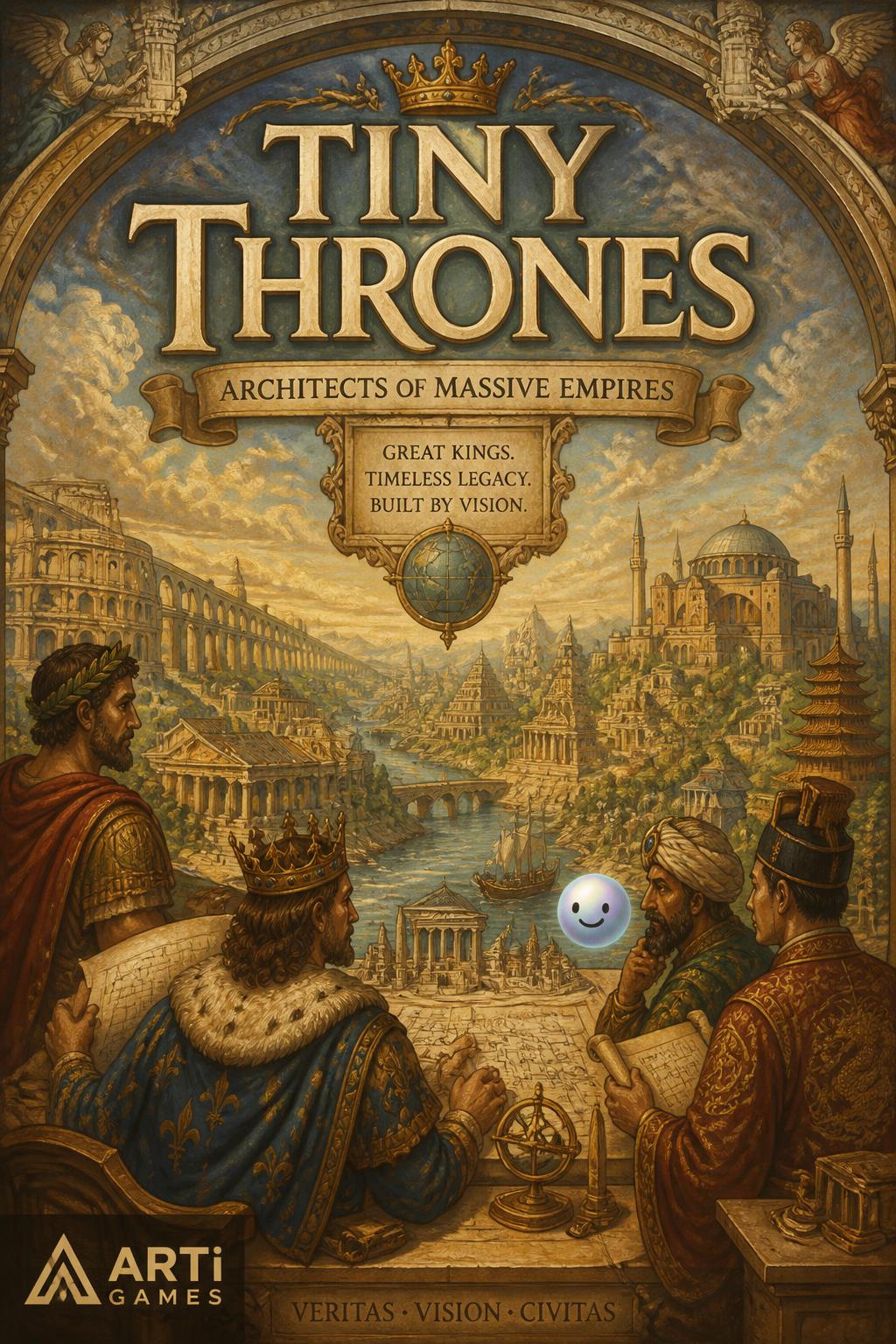
schopenhauer Match each tiny ruler to their throne to learn who led history's greatest empires.
schopenhauer Qin Shi Huang unified China and commissioned over 8,000 life-sized clay soldiers to guard his tomb.
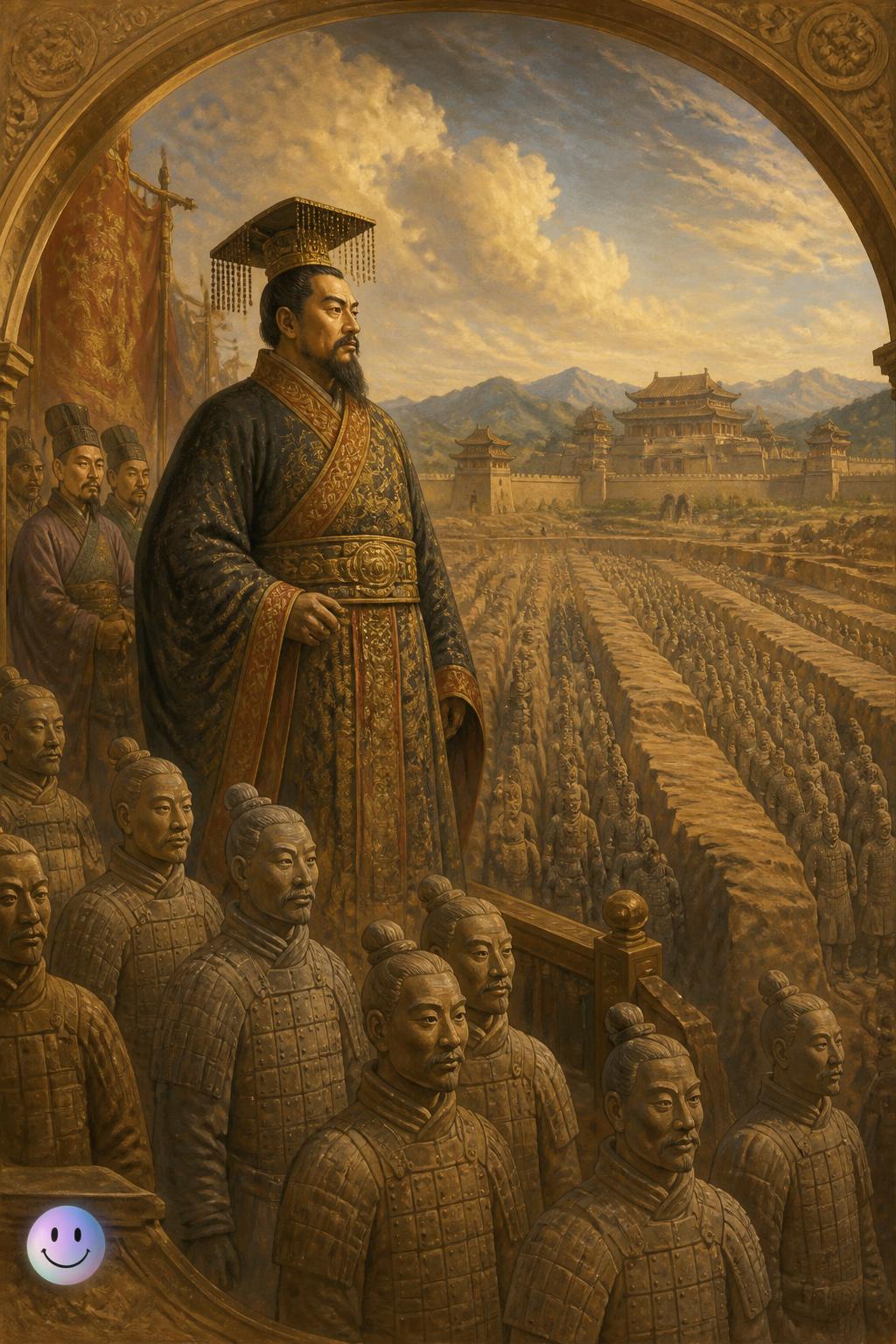
schopenhauer China's first emperor built a massive clay army of thousands of unique soldiers to protect him in the afterlife.
Which famous Egyptian port city, home to a legendary library, was founded by Alexander the Great?
What was the name of Alexander the Great's beloved warhorse, after whom he named a city?
schopenhauer Architects of Massive Empires
Base-isolated stone, sliding through the shake, built to never break!
schopenhauer Alexander the Great founded dozens of cities named Alexandria, plus one honoring his beloved warhorse.
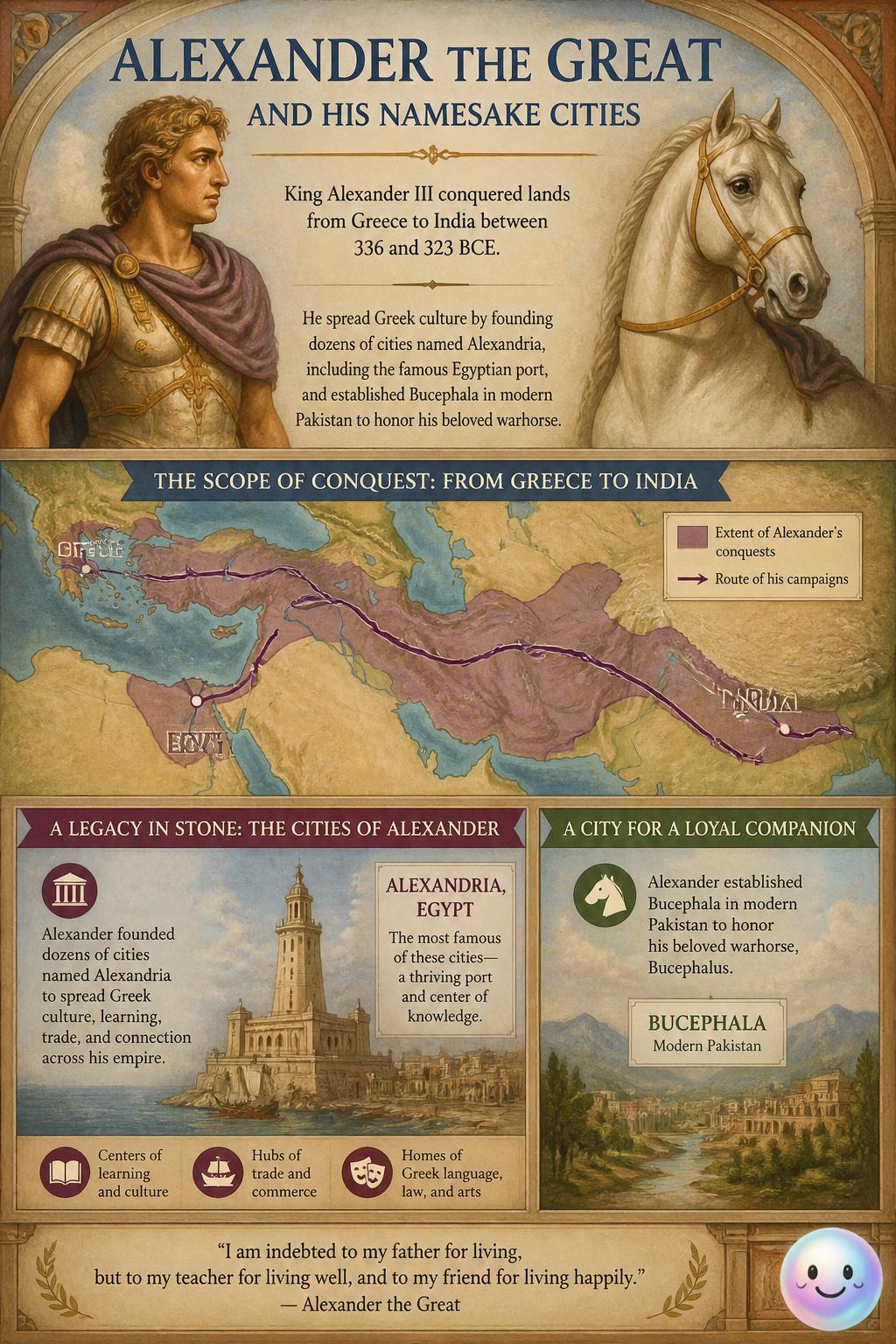
schopenhauer Alexander of Macedon founded over seventy cities named after himself, and even one named after his favorite horse.
Which Chinese emperor ordered the construction of the Terracotta Army to guard his tomb?
How many life-sized clay soldiers are estimated to be in Qin Shi Huang's Terracotta Army?
Alexander's horse: Alexander the Great named a city, Bucephala, after his horse Bucephalus.
schopenhauer Kamehameha I unified the Hawaiian kingdom by 1810 through strategic battles, alliances, and European firearms.
What was the name of the humanitarian law established by Kamehameha I to protect travelers and civilians?
In which modern country was the ancient city of Babylon, conquered by Cyrus the Great, located?
An extensive group of states or countries ruled over by a single supreme authority. Cyrus the Great founded the Achaemenid realm in 550 BCE, uniting much of the ancient Near East.