
Serendipity Definition & Fleming's Penicillin Discovery
Learn the definition of serendipity and how Alexander Fleming's accidental mold contamination in 1928 led to the discovery of penicillin.
Wrong turns and forgotten keys
Weather whims that broke empires
Scientific strokes of pure luck
Misheard words and paper trails

marcus In 1856, William Perkin accidentally created a purple dye while trying to make malaria medicine, revolutionizing fashion.
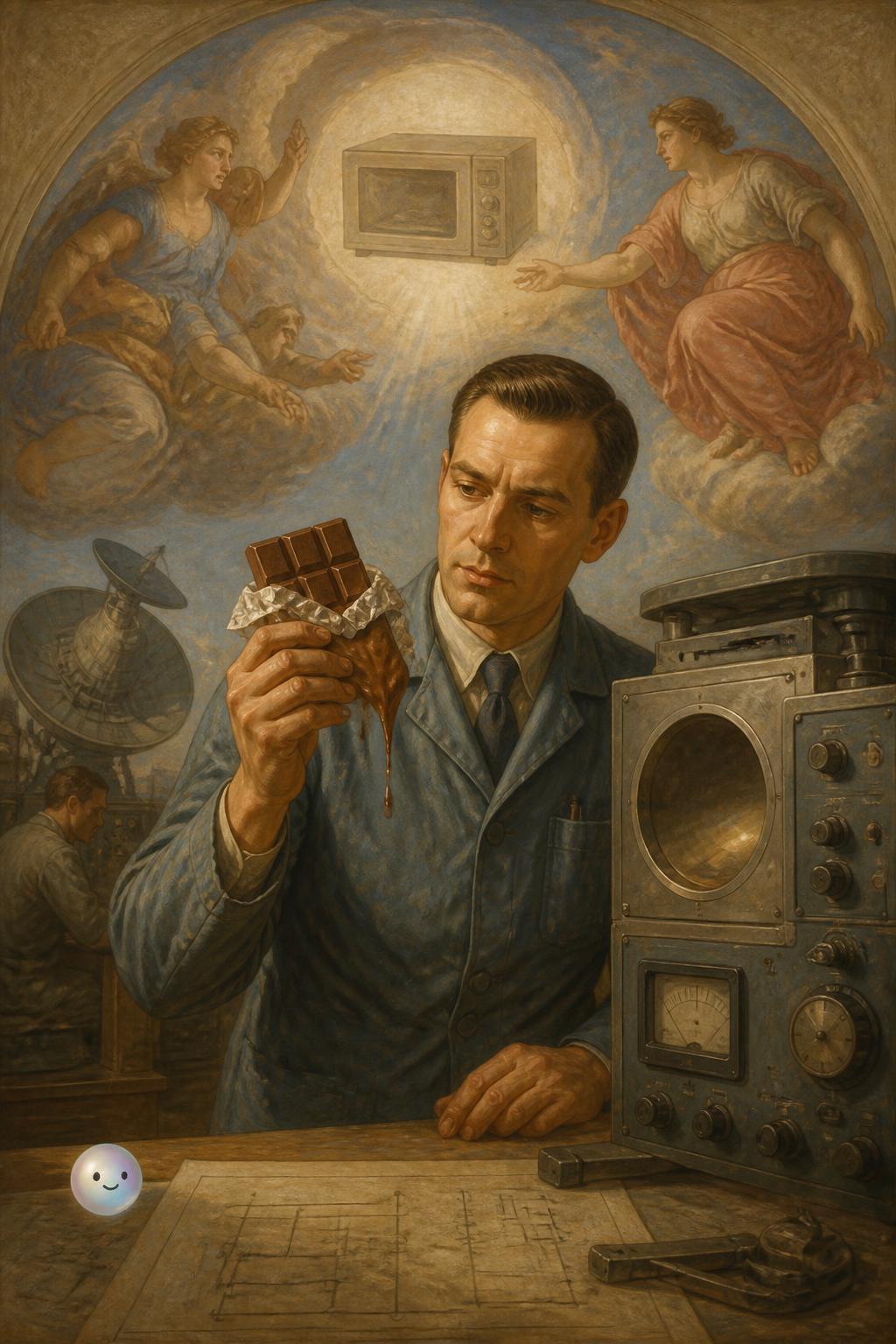
marcus In 1945, a chocolate bar melted in Percy Spencer's pocket, leading him to invent the microwave.
marcus Spencer Silver tried making strong aerospace glue but accidentally created the weak adhesive behind Post-it notes.
marcus In 1928, Alexander Fleming returned from vacation to find mold killing bacteria, leading to the first antibiotic.
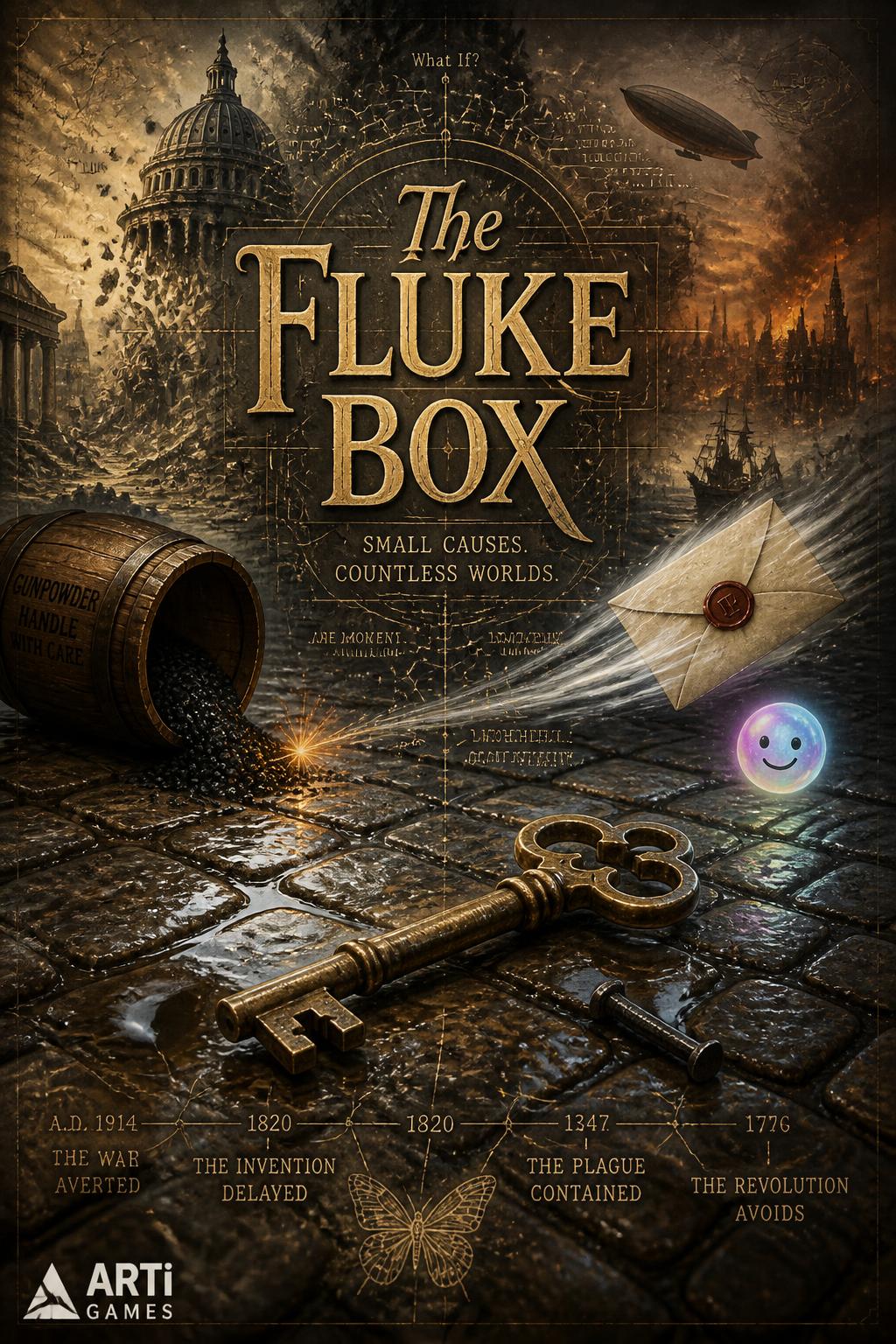
marcus Match history's wildest accidents to discover how tiny coincidences secretly changed the world.
marcus The discovery of penicillin
A forgotten plate and a stray mold spore, Opened up a brand new life-saving door.
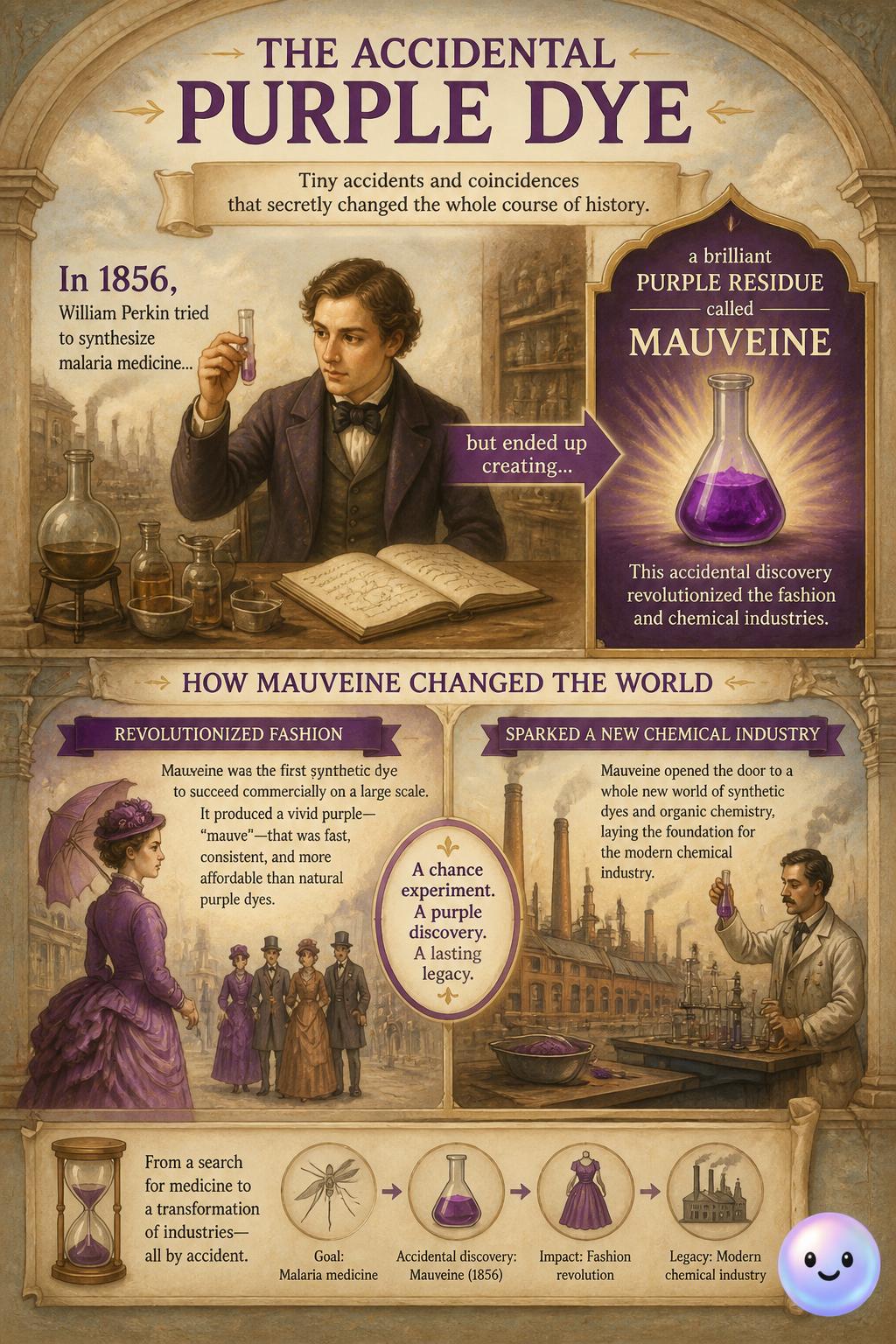
marcus An eighteen-year-old chemist accidentally created the world's first synthetic dye.
Purple royalty: Before William Perkin's accidental purple dye in 1856, purple fabric was so rare and expensive only royalty were allowed to wear it.
The occurrence of finding valuable or agreeable things by chance in an unexpected way. In 1928, Alexander Fleming famously discovered penicillin after mold accidentally contaminated his petri dishes.
What type of military technology was Percy Spencer working on when his chocolate melted?