BETA
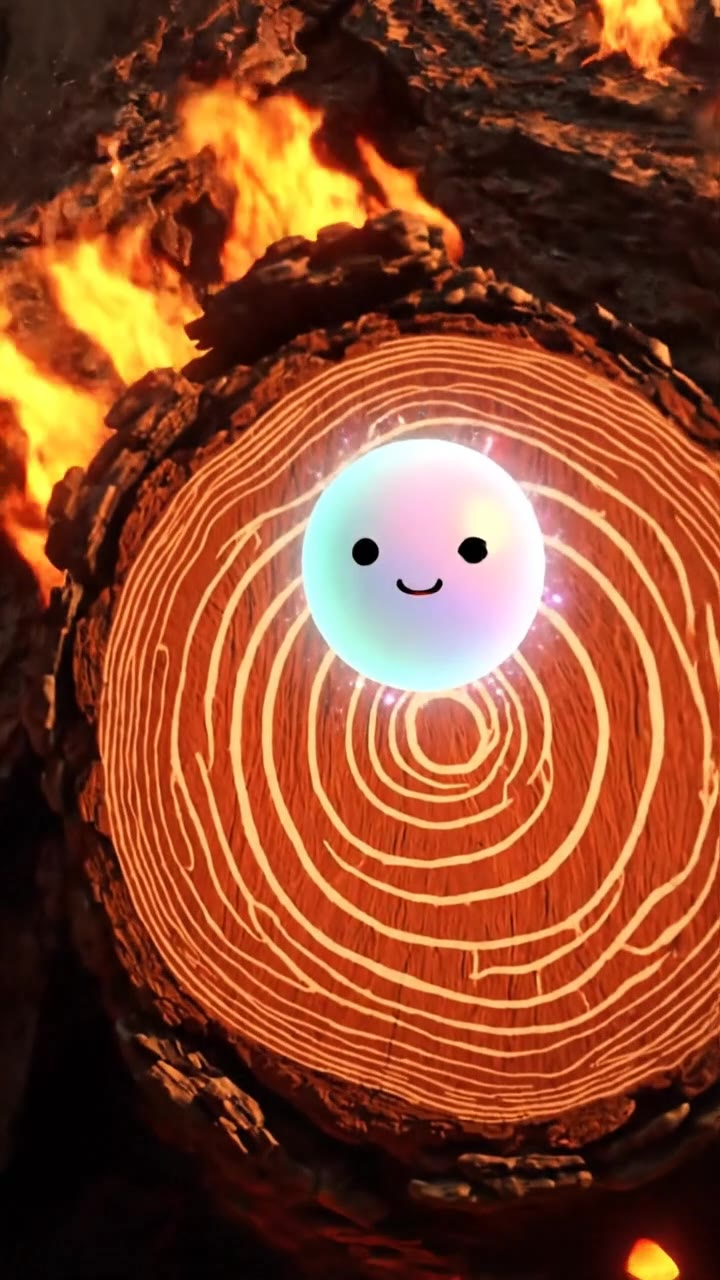
Redwood bark contains almost no flammable pitch or resin and is packed with water-resistant tannins. This fibrous, asbestos-like outer layer insulates the living cambium layer from heat up to 1,200 degrees Fahrenheit.
misslily Connect underground roots and build bark armor to discover how redwoods survive fire and wind.
misslily Redwood Giants Thrive
Redwood's secret to the sky, hear it now! Thick bark shield and roots that intertwine, wow-oh-wow!
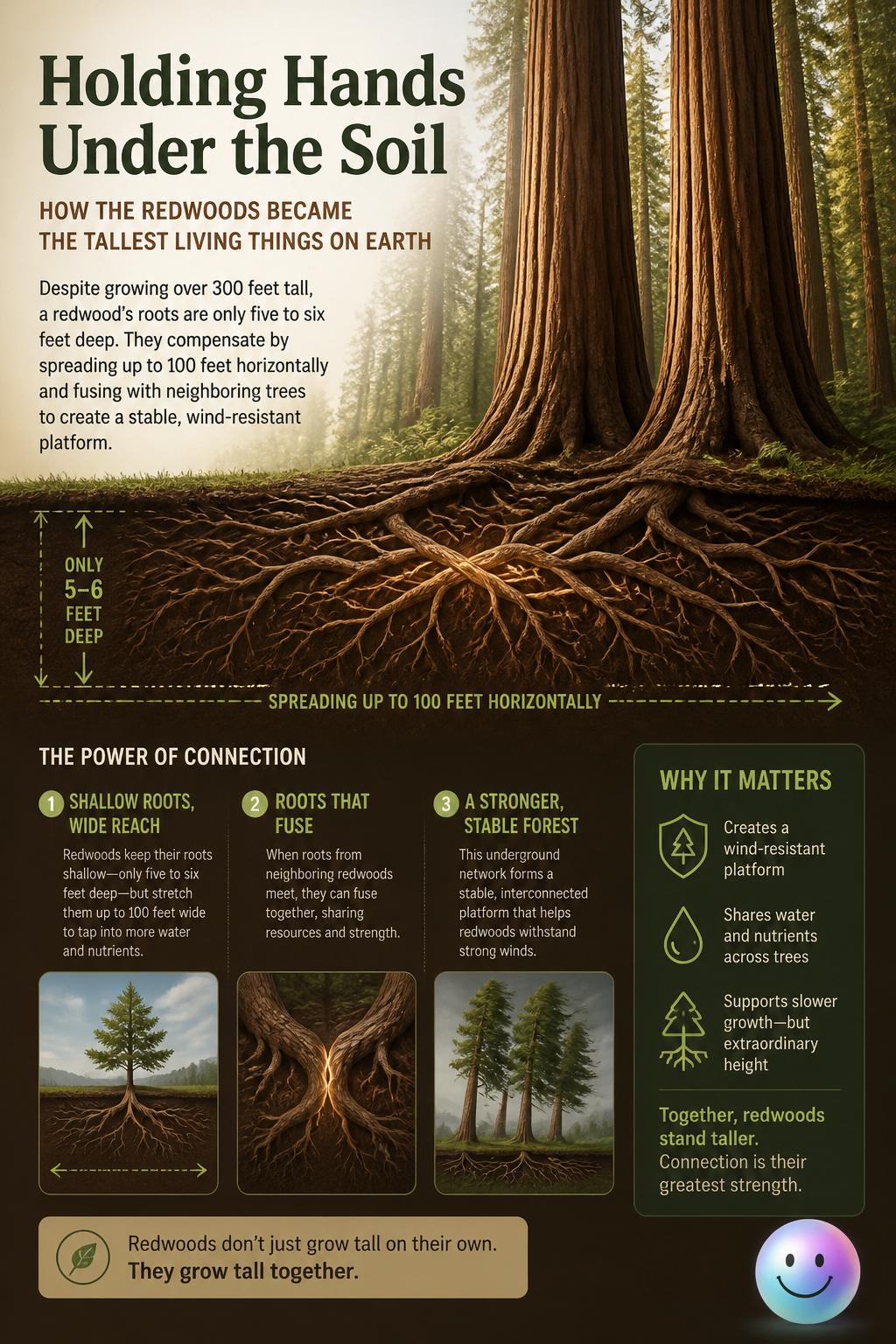
misslily Redwood roots are surprisingly shallow but interlock with neighbors to prevent falling.
Burl power: The lumpy growths on redwood trunks contain thousands of dormant buds that can sprout new clone trees if damaged.
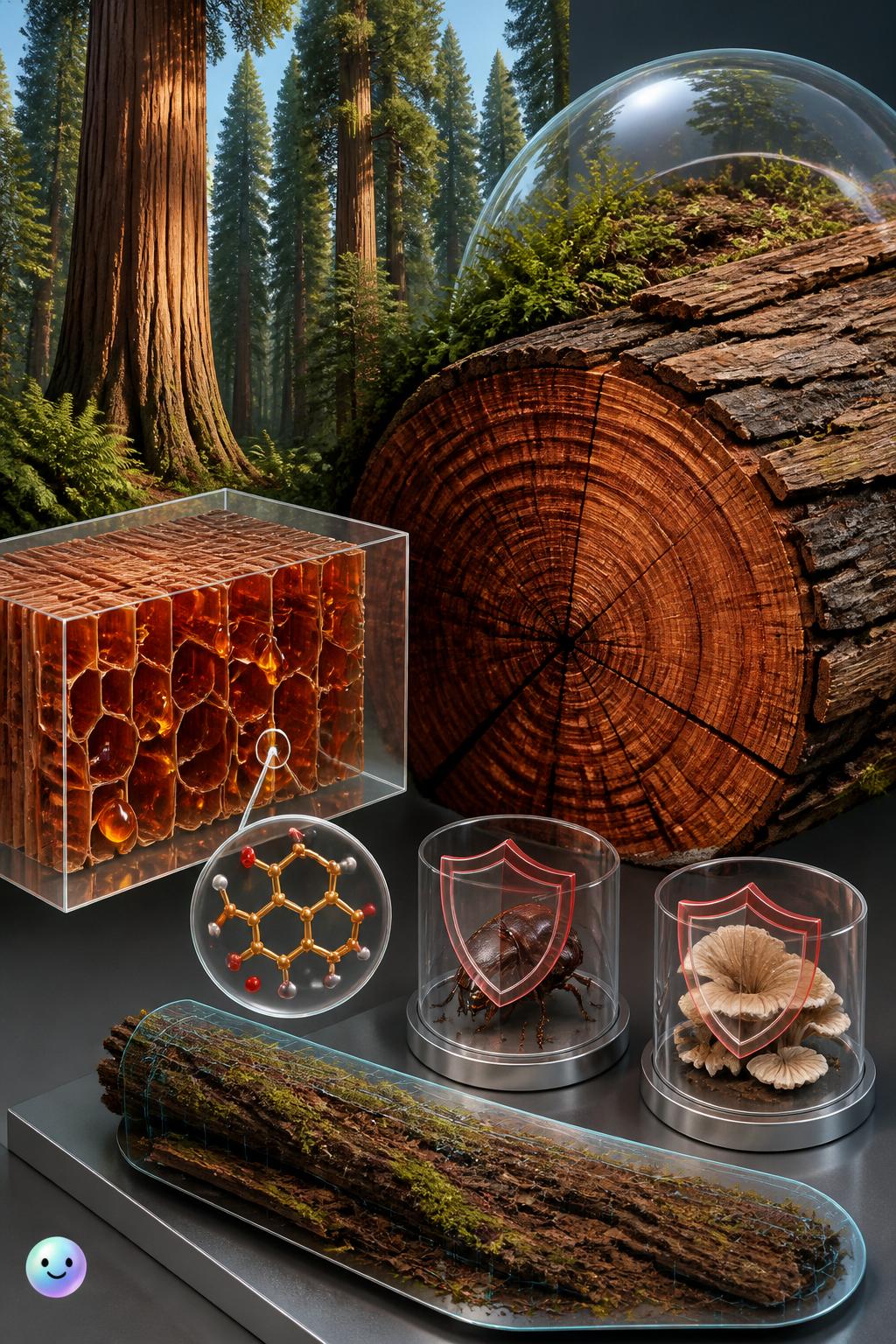
misslily Natural chemical compounds protect redwoods from rot, fungi, and hungry insects.
What acidic chemical compound gives redwoods their color and protects them from rot?
What temperature in Fahrenheit can the thick bark of a redwood insulate the tree against?
What type of organism forms underground networks with redwood roots to share nutrients?