
BETA
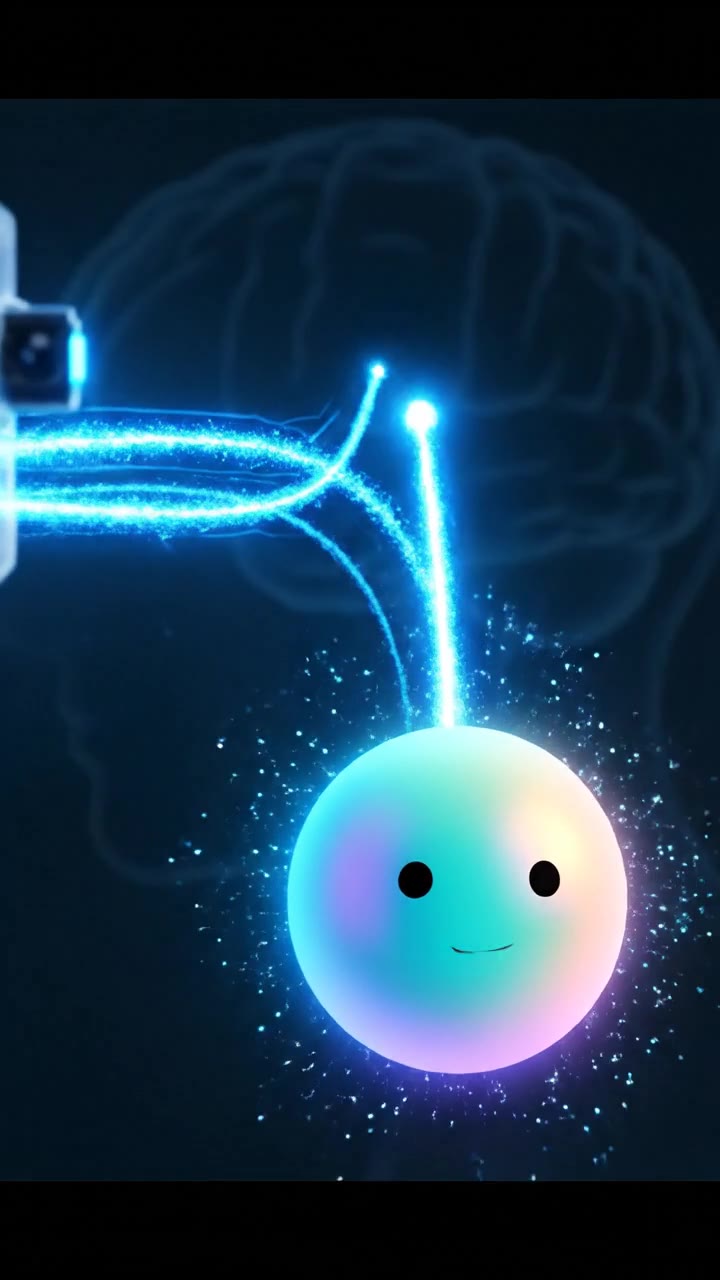
Bionic vision systems, like the Argus II, use a miniature camera mounted on glasses to capture images. This data is converted into wireless signals sent to an array of electrodes implanted on the retina. These electrodes stimulate remaining healthy retinal cells, sending visual signals to the brain.
artiteacher Drag light rays through the lens to figure out how your eyes focus the world.
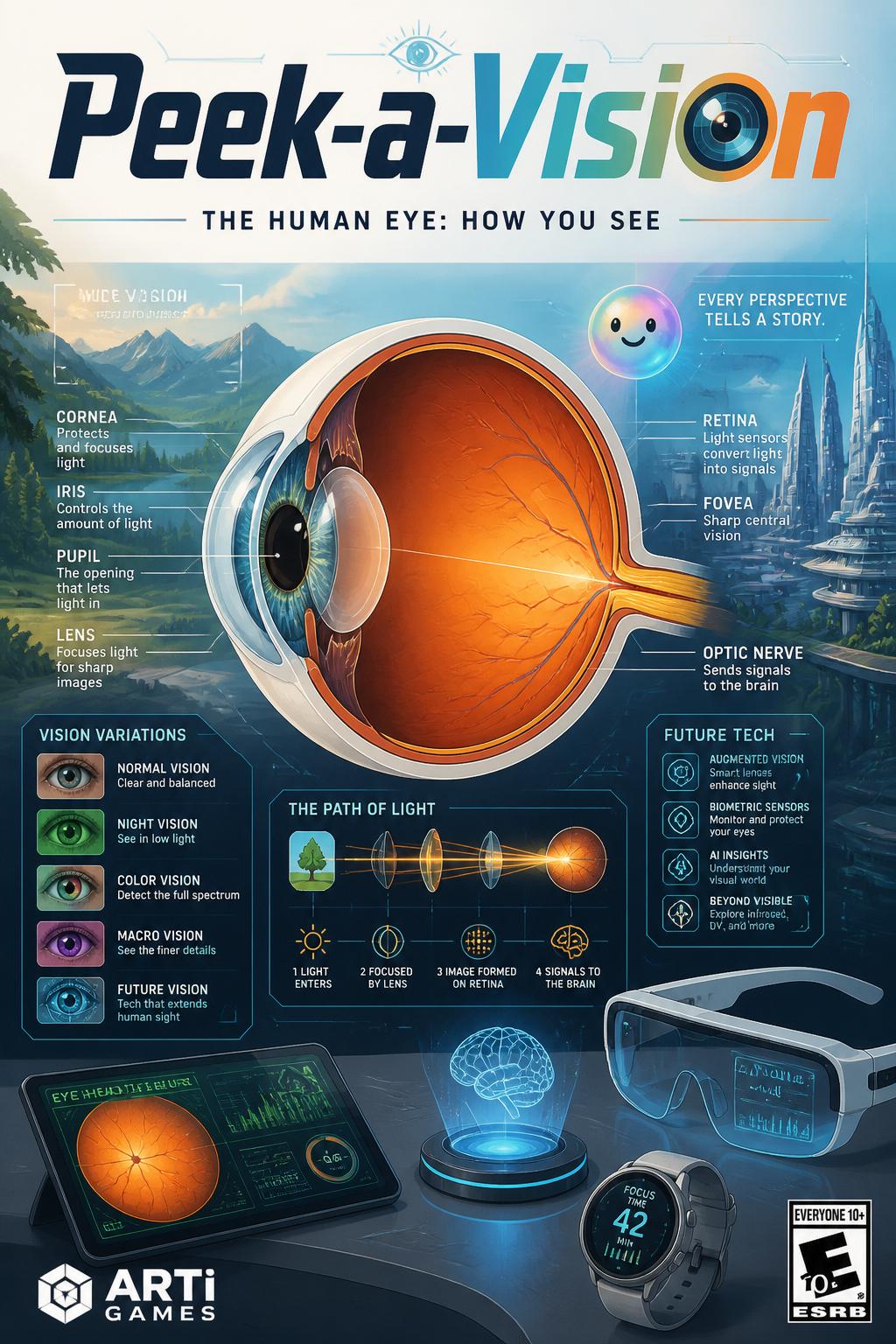
artiteacher Vision variations and future tech
Beam the light inside (oh yeah!) / Digital sight comes alive (that's right!)
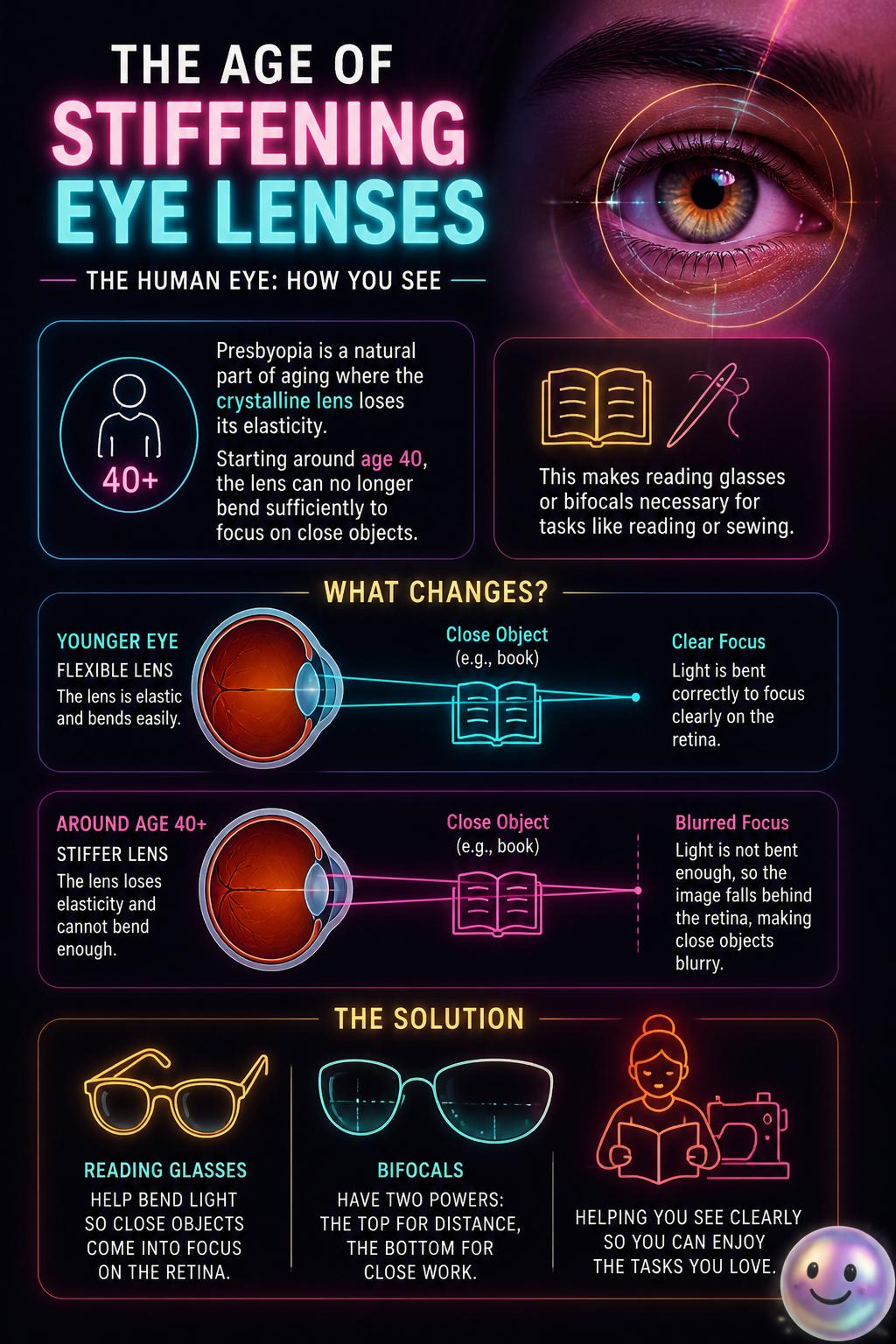
artiteacher Around age 40, the eye's lens begins to lose its flexibility, making close-up reading difficult—a condition called presbyopia.
Laser surgery: LASIK eye surgery reshapes the cornea using a cool ultraviolet laser beam, taking less than ten minutes per eye.
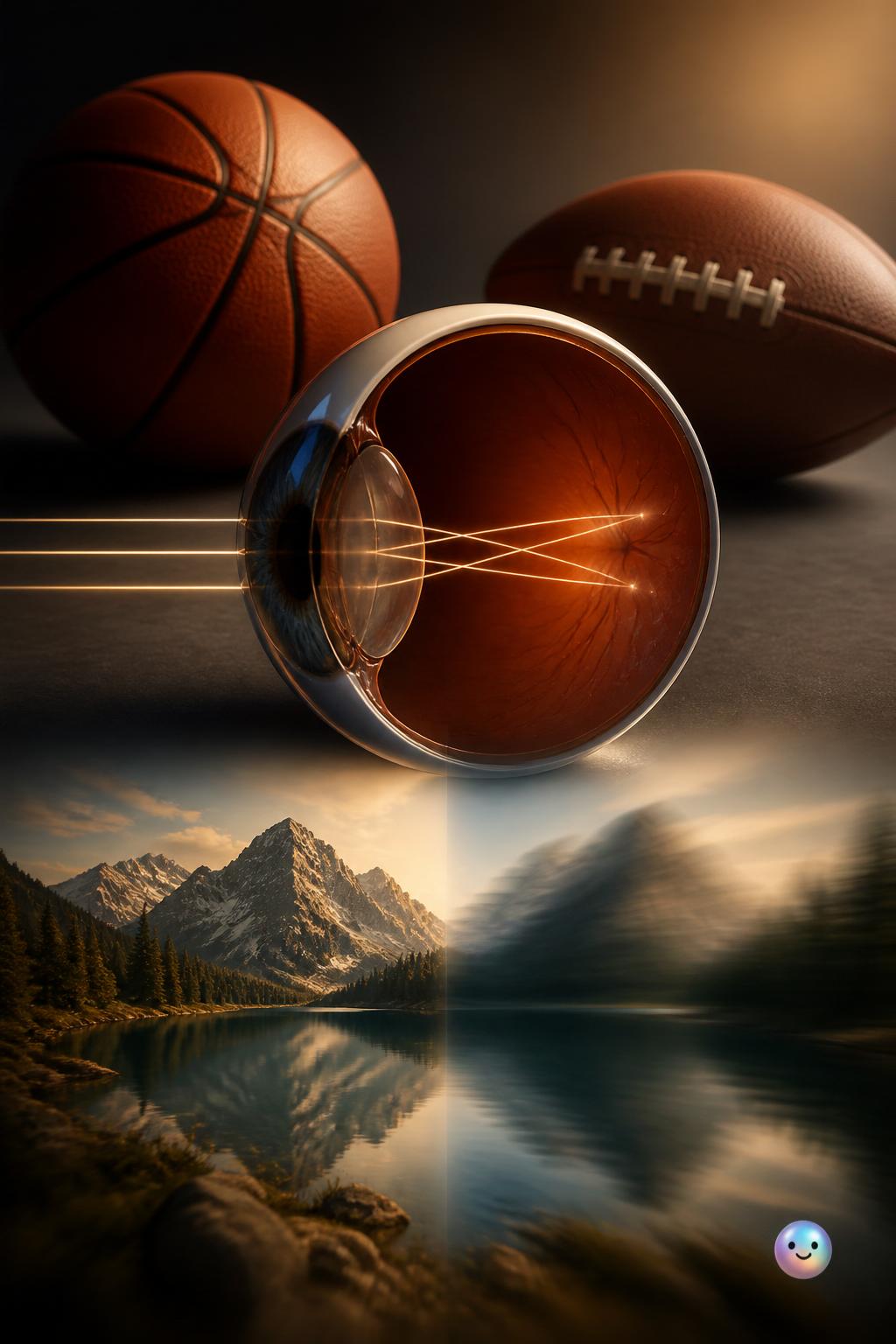
artiteacher An irregularly shaped cornea or lens causes light to scatter, making images look blurry or stretched at all distances.
What physical shape anomaly of the eyeball causes human nearsightedness (myopia)?
What eye condition occurs when the lens becomes stiff and less flexible with age?