
Chapter 1
Unmasking the Kraken with giant squids and deep-sea scans
Chapter 2
Decoding the Chupacabra through ice age DNA and desert predators
Chapter 3
Yokai under the CT scanner with VTubers and fossil folklore
Ch 2 · Decoding the Chupacabra through ice age DNA and desert predators

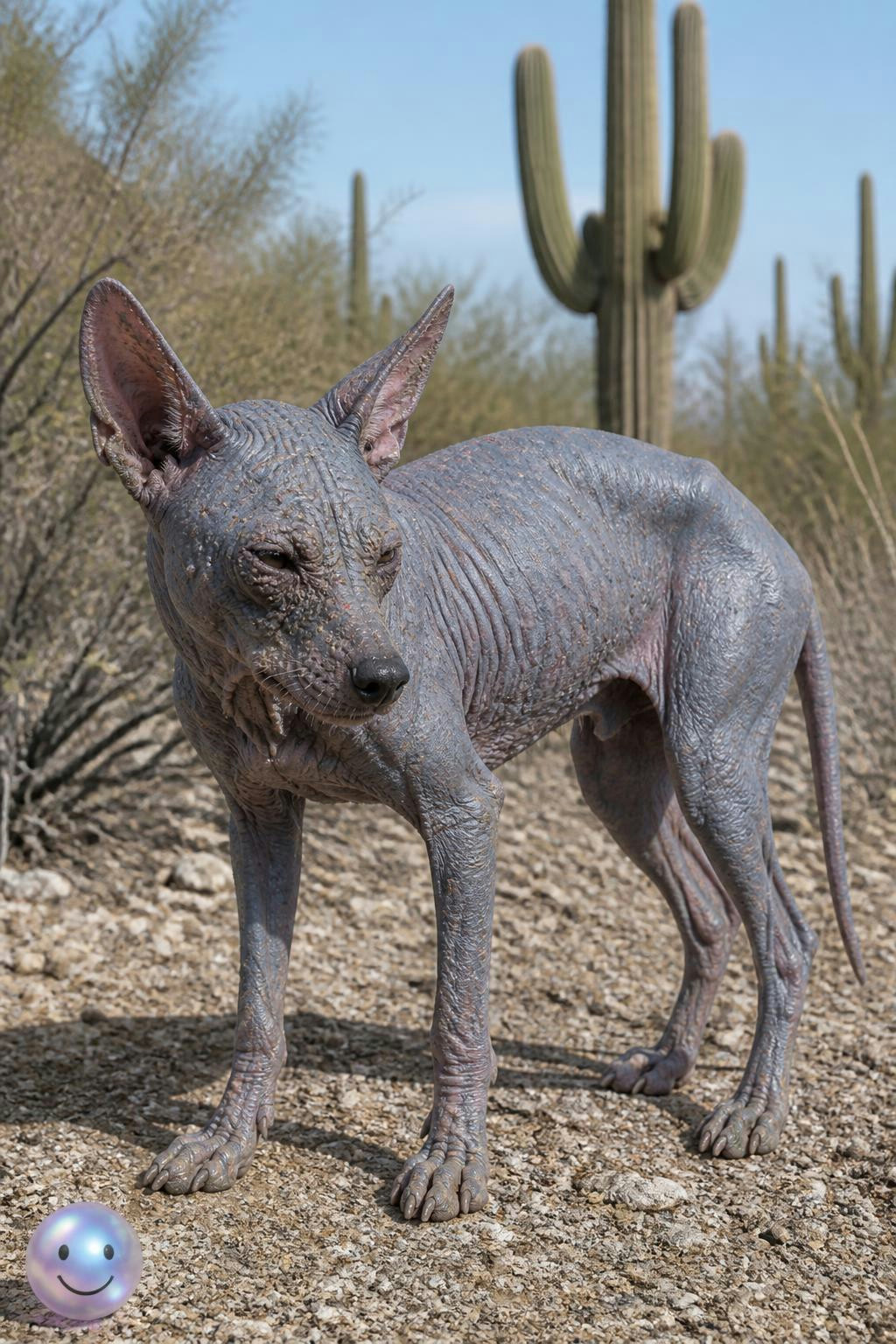
streetspirit A hairless coyote stands on desert gravel near saguaro cacti in Tucson, Arizona
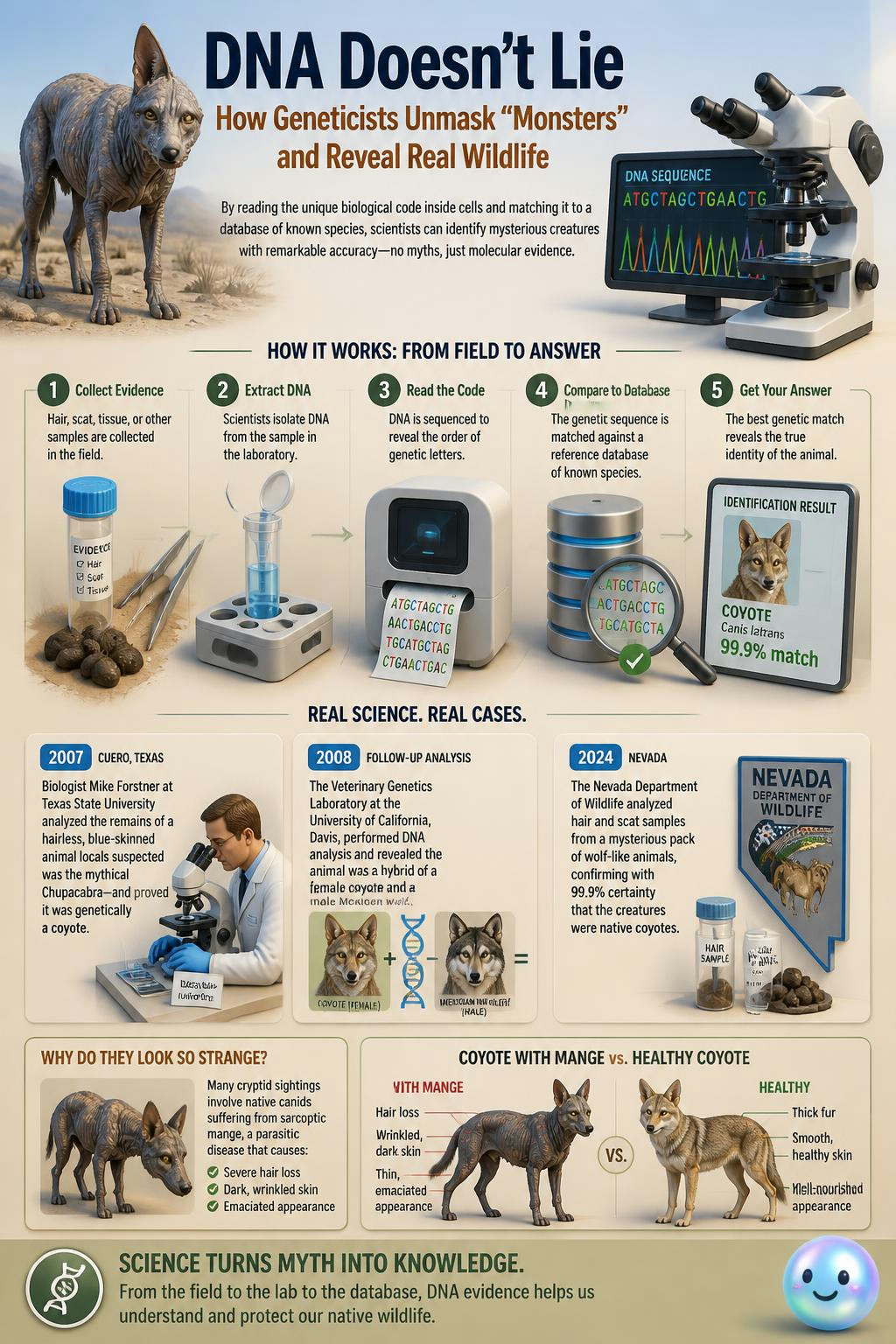
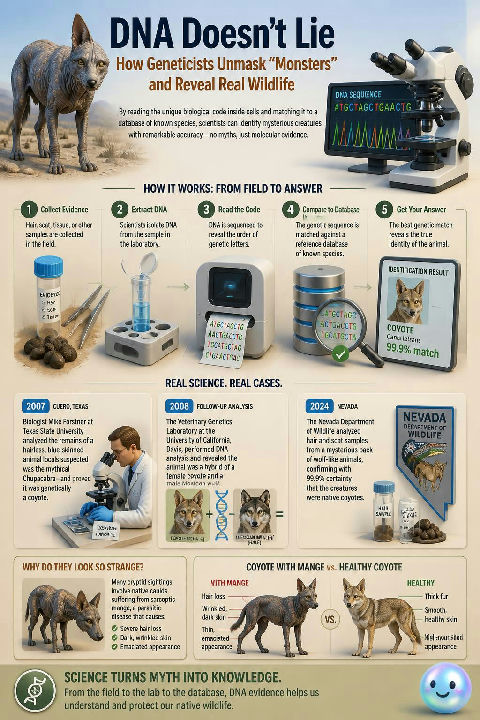
streetspirit Scientists match a mysterious creature's unique biological code to a wildlife database.
Fun Fact
Chupacabra Origins: Before DNA decoded it as a desert predator, this legendary livestock stalker first came to life on the tropical island of Puerto Rico in the mid-1990s.
suaz Chupacabra DNA
We sequenced the DNA of the mythical beast, It's just a mangy coyote searching for a feast.
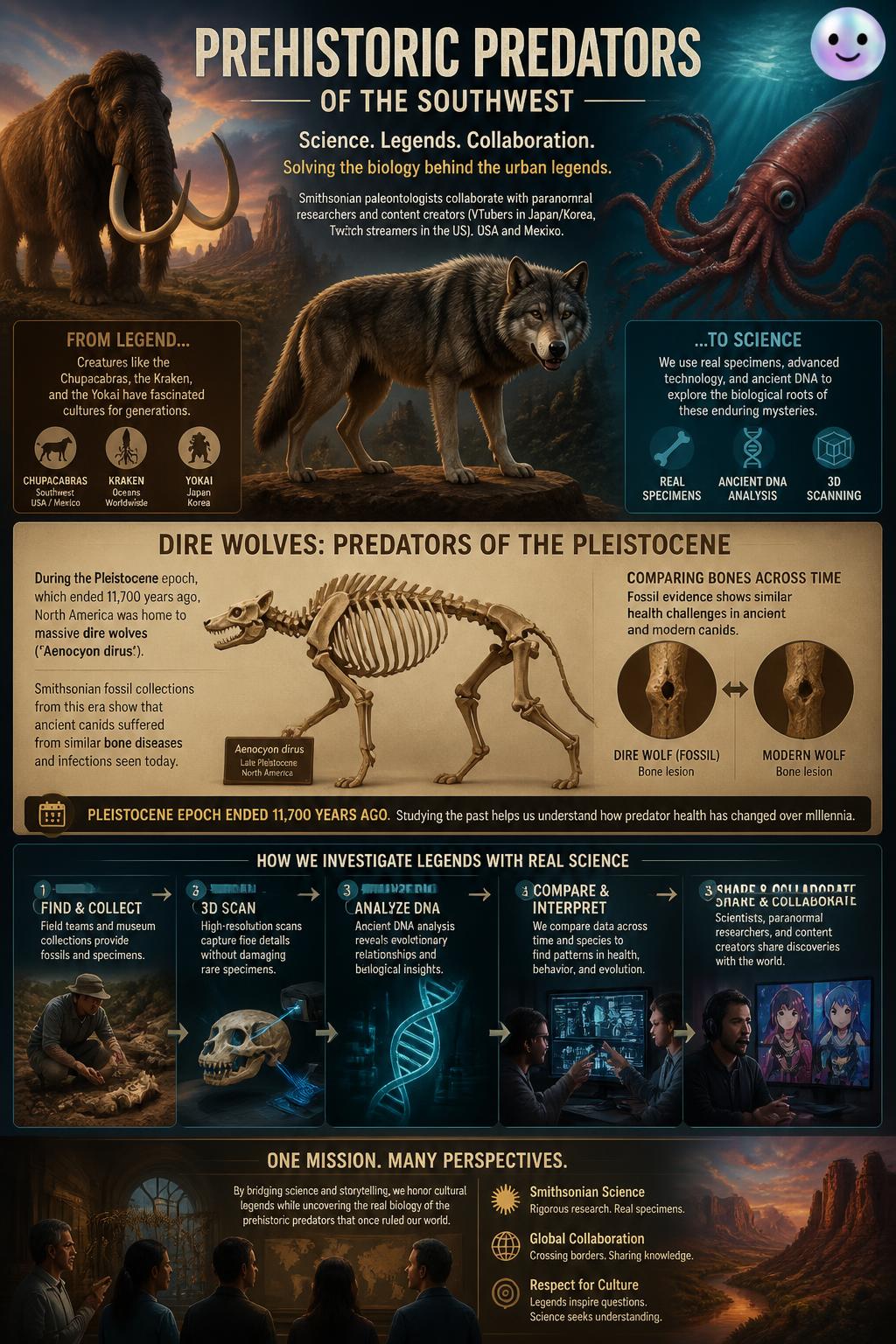
suaz Paleontologists compare modern cryptid sightings to the fossilized remains of ice age predators that once roamed Mexico.
Fun Fact
Mange recovery: With proper medical treatment, wild canines suffering from severe sarcoptic mange can make a full recovery and regrow all their lost fur.
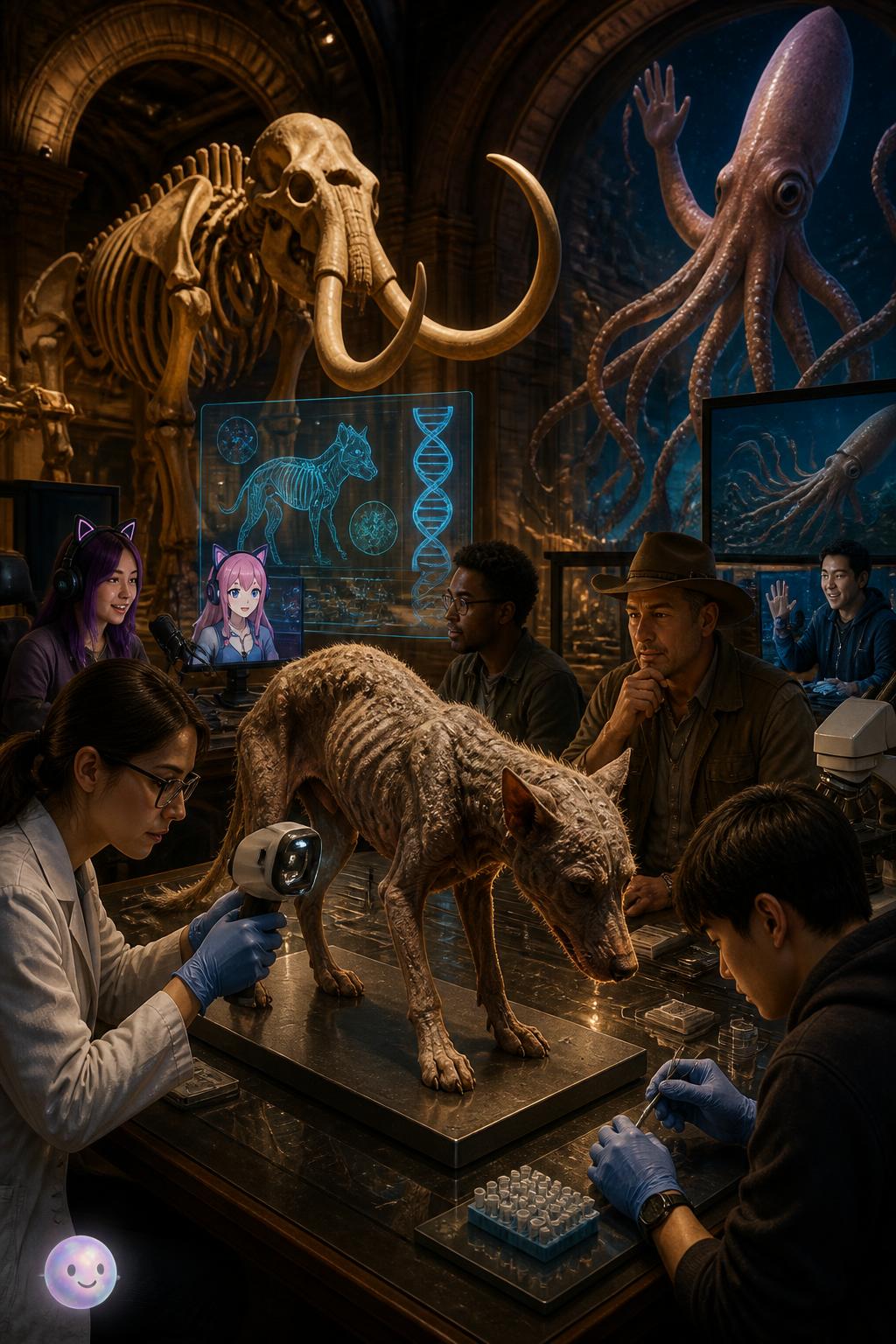
suaz Smithsonian geneticists analyze DNA to prove how a microscopic parasite transforms ordinary wild canids into mythical monsters.
Glossary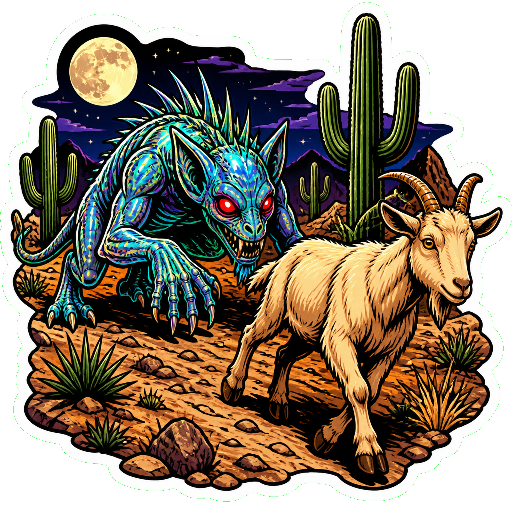
chupacabra (noun)
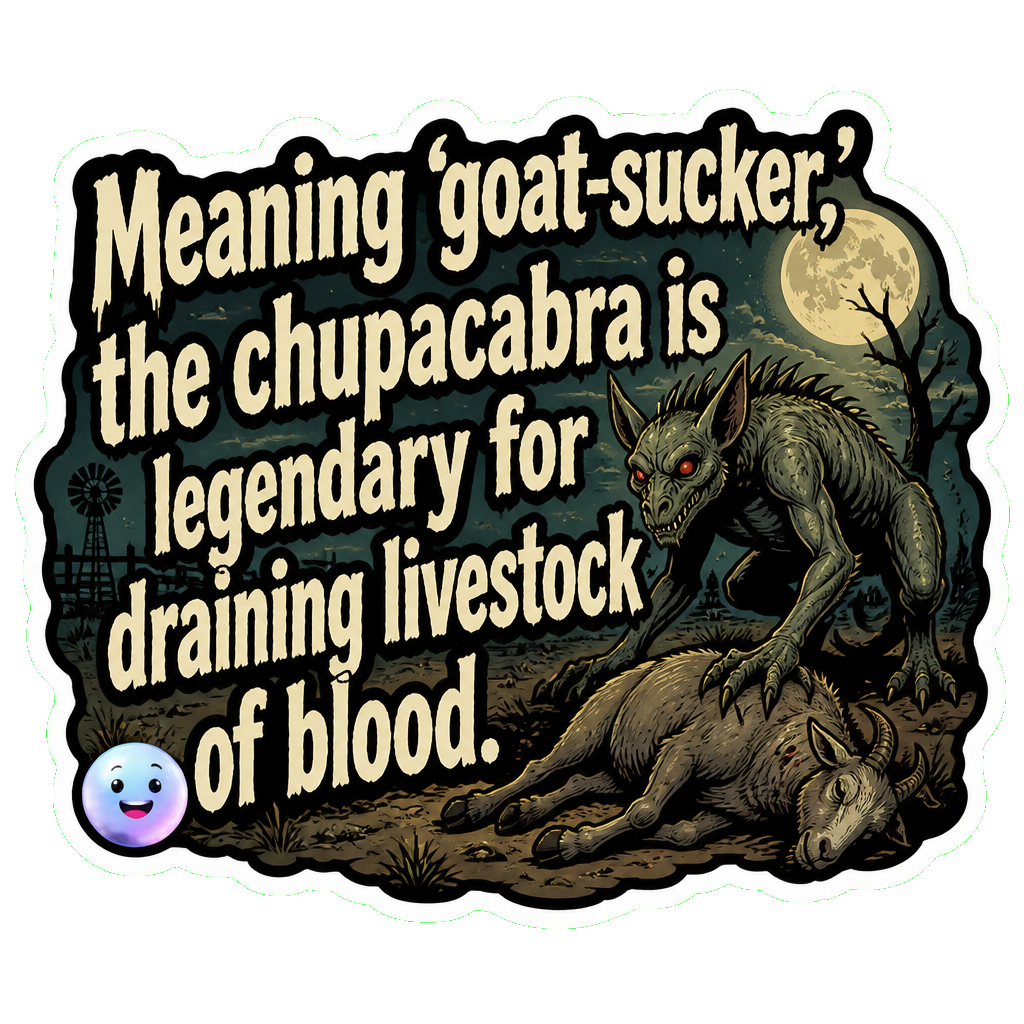
A legendary creature rumored to inhabit parts of the Americas, known for attacking and draining the blood of livestock. Smithsonian paleontologists and Twitch streamers analyzed prehistoric canine DNA to trace the legendary desert beast's genetic origin.
A legendary creature rumored to inhabit parts of the Americas, known for attacking and draining the blood of livestock. Smithsonian paleontologists and Twitch streamers analyzed prehistoric canine DNA to trace the legendary desert beast's genetic origin.
Quiz
What microscopic parasite causes the severe hair loss and skin thickening associated with Chupacabra sightings?
BETA
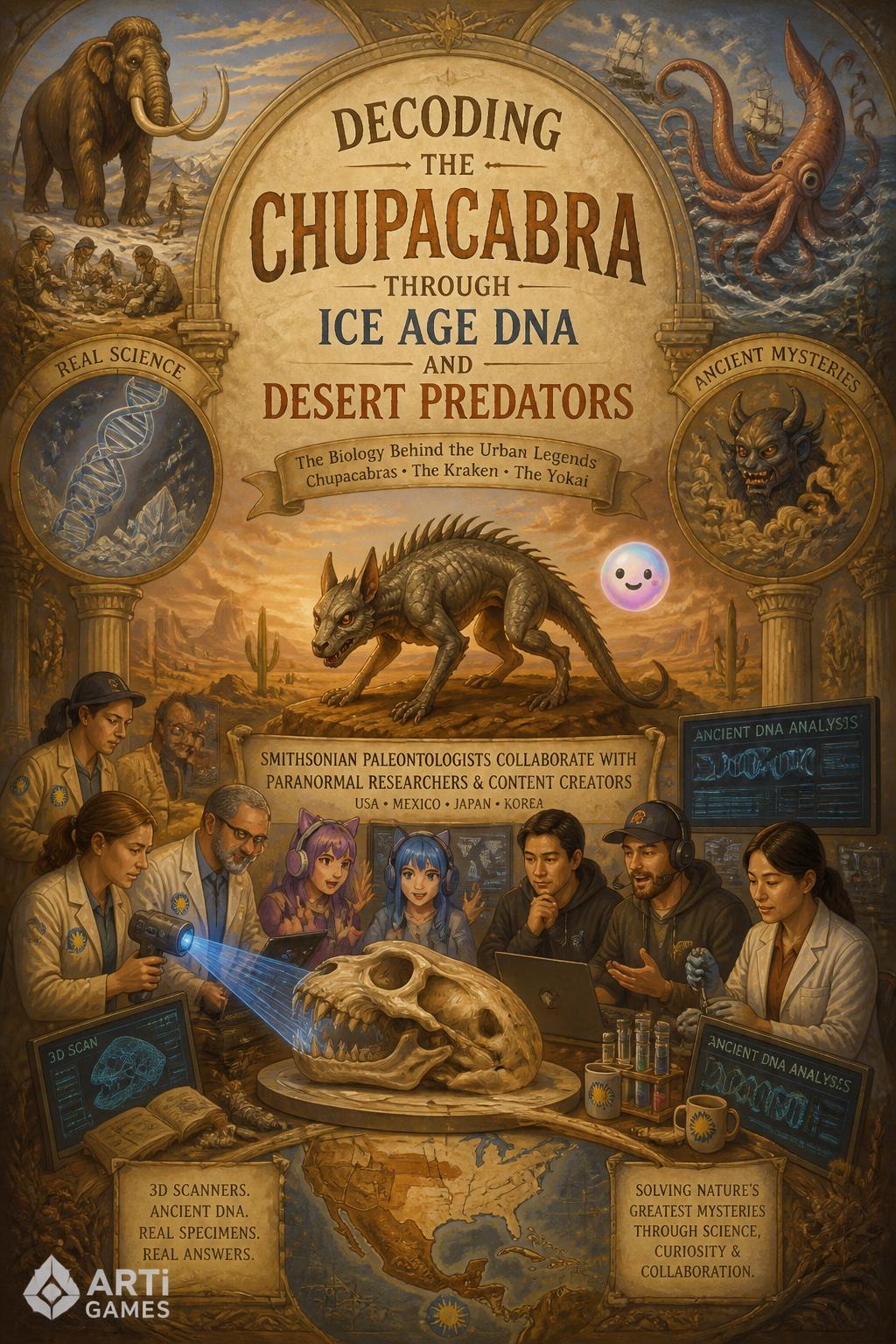
suaz Match ice age DNA with desert predators to discover the real biology behind the Chupacabra.
Quiz
What tool do Smithsonian geneticists use to confirm that alleged monster specimens are actually native coyotes?