
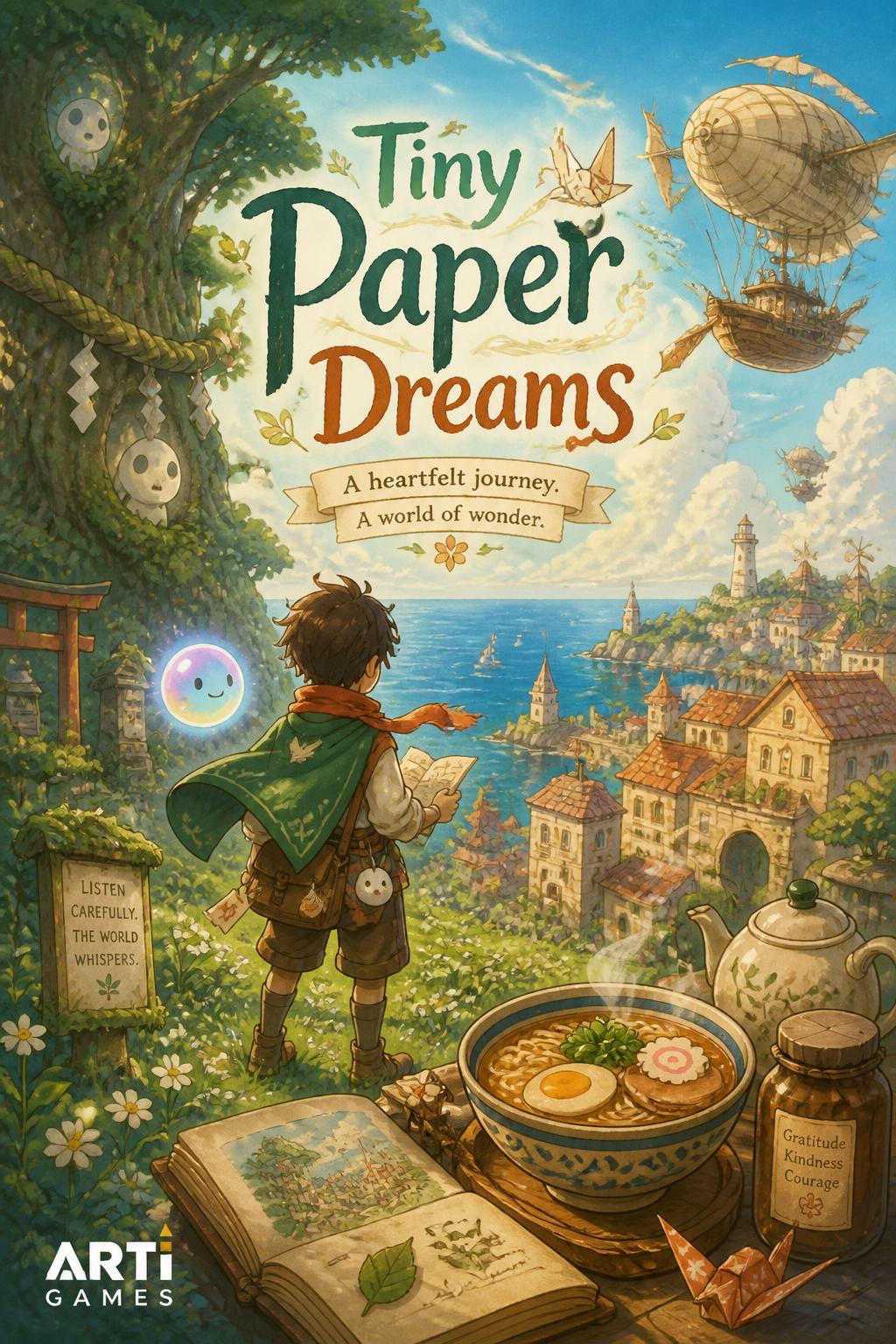
BETA
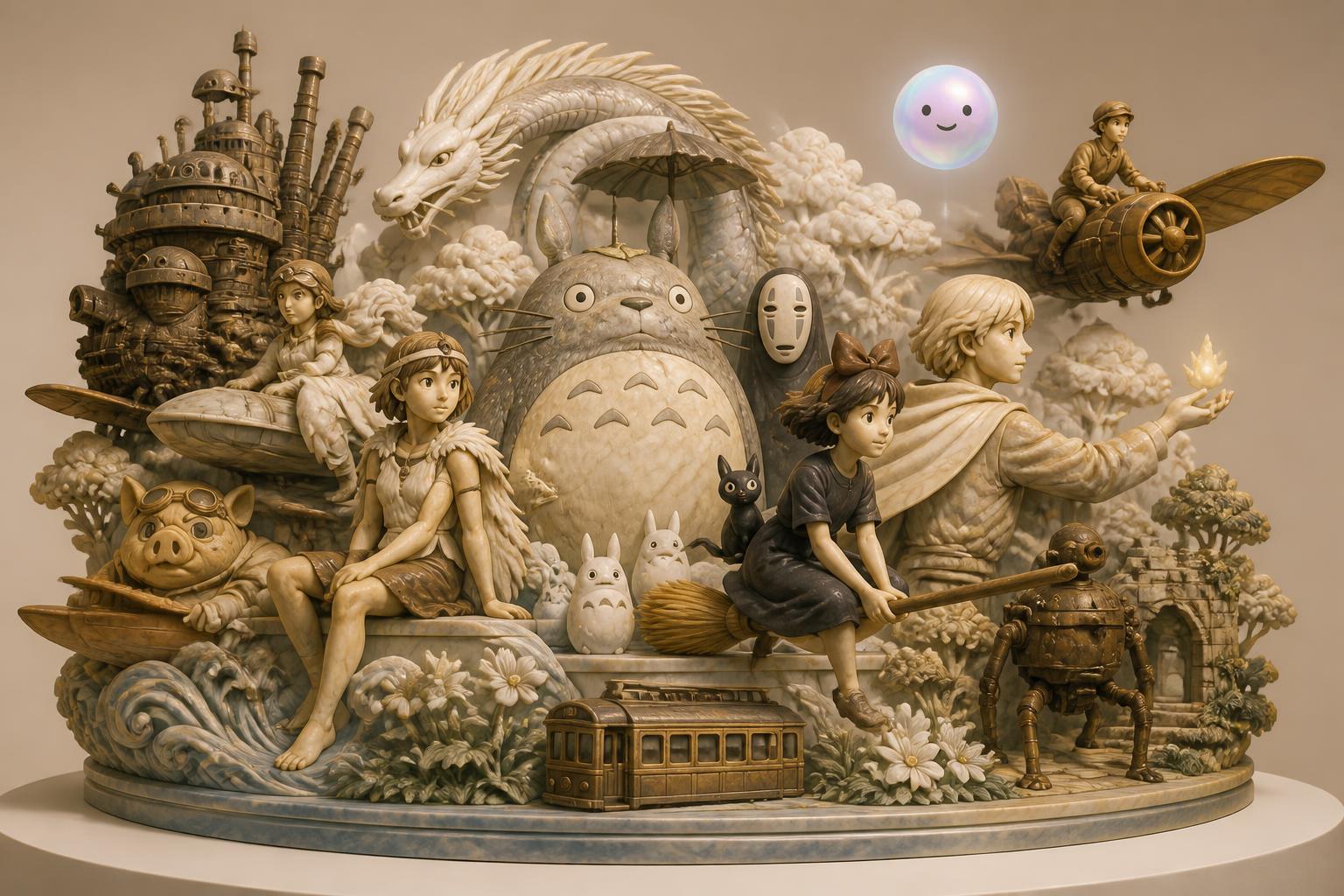
yuki Slide paper layers into 3D dioramas to learn how Studio Ghibli designs its magical worlds.
yuki Kazuo Oga’s detailed backgrounds for Studio Ghibli’s My Neighbor Totoro captured the warmth of rural Japan.
yuki The magic of hand-drawn worlds
Hand-paint the dream, hand-paint the dream / Every world is frame by frame!

yuki Food scenes in Ghibli films are meticulously animated to evoke deep feelings of comfort and hunger.
Ponyo's massive scale: The hand-drawn sea waves in Ponyo were inspired by Miyazaki's childhood memories and required over 170,000 individual sheets of paper.
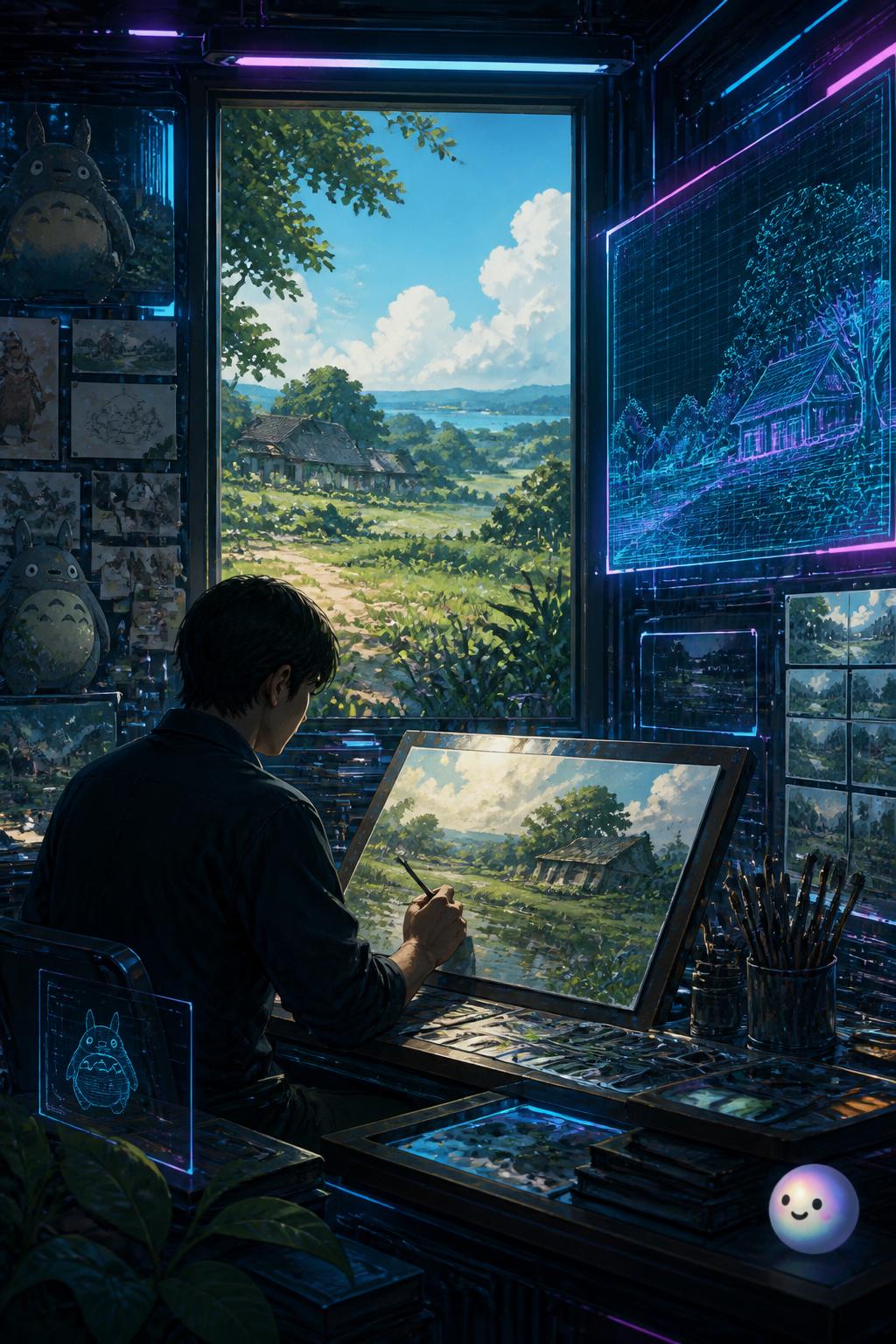
yuki Art director Kazuo Oga defined the lush, nostalgic look of Ghibli's natural landscapes.
What Japanese concept refers to the intentional quiet pauses or emptiness in Ghibli films?