

BETA
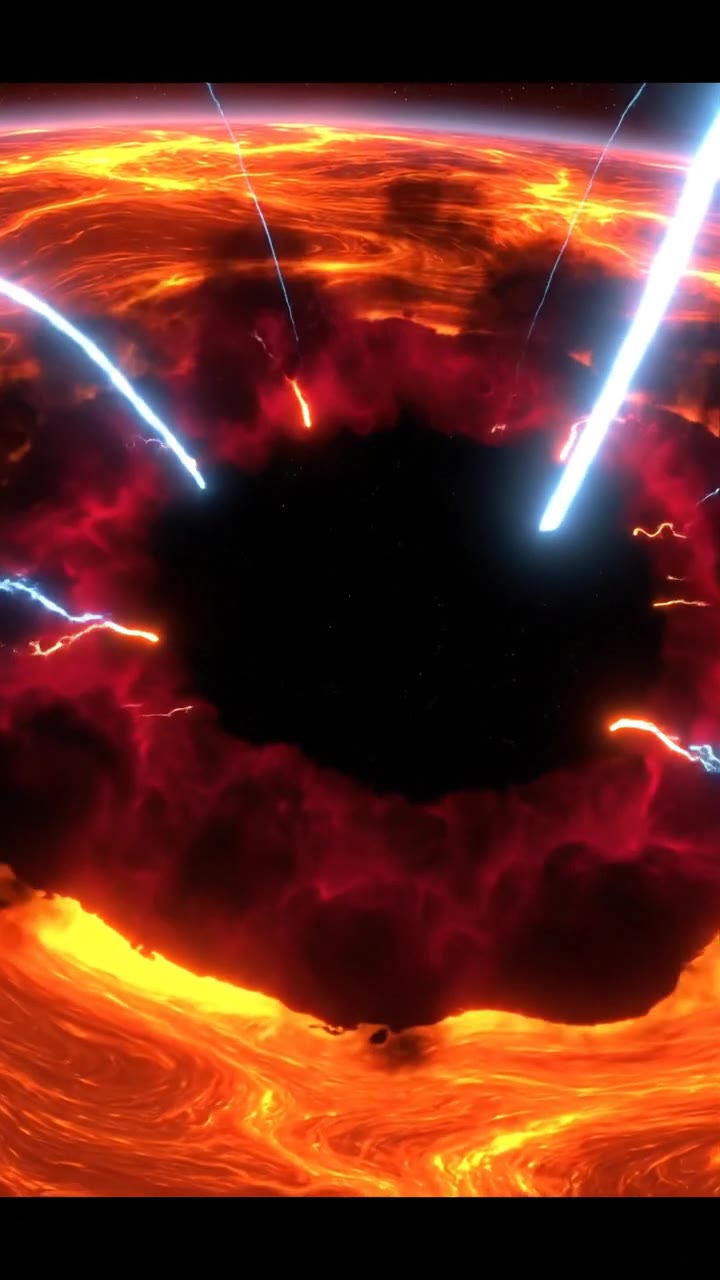
First recorded by Chinese astronomers around 364 BCE, sunspots look dark because they are about 1,500 degrees Celsius cooler than their surroundings. These magnetic bottlenecks prevent hot plasma from rising, creating active regions that can grow larger than Earth.
artiteacher Spin the magnetic solar swirls to discover how the sun launches violent space storms.
artiteacher The chaotic magnetic surface
Magnetic fields twist, / plasma cools down, / it's raining on the Sun!

artiteacher Solar flares release massive bursts of radiation when tangled magnetic fields suddenly reconnect.
Sunspot brightness: Sunspots look pitch black, but if you placed one in the night sky, it would shine brighter than the full moon.

artiteacher Sunspots are temporary cool regions created where intense magnetic loops block rising heat.
Which ancient civilization recorded some of the earliest observations of sunspots around 364 BCE?
How long can stable solar prominences loop in the Sun's atmosphere before erupting?