BETA
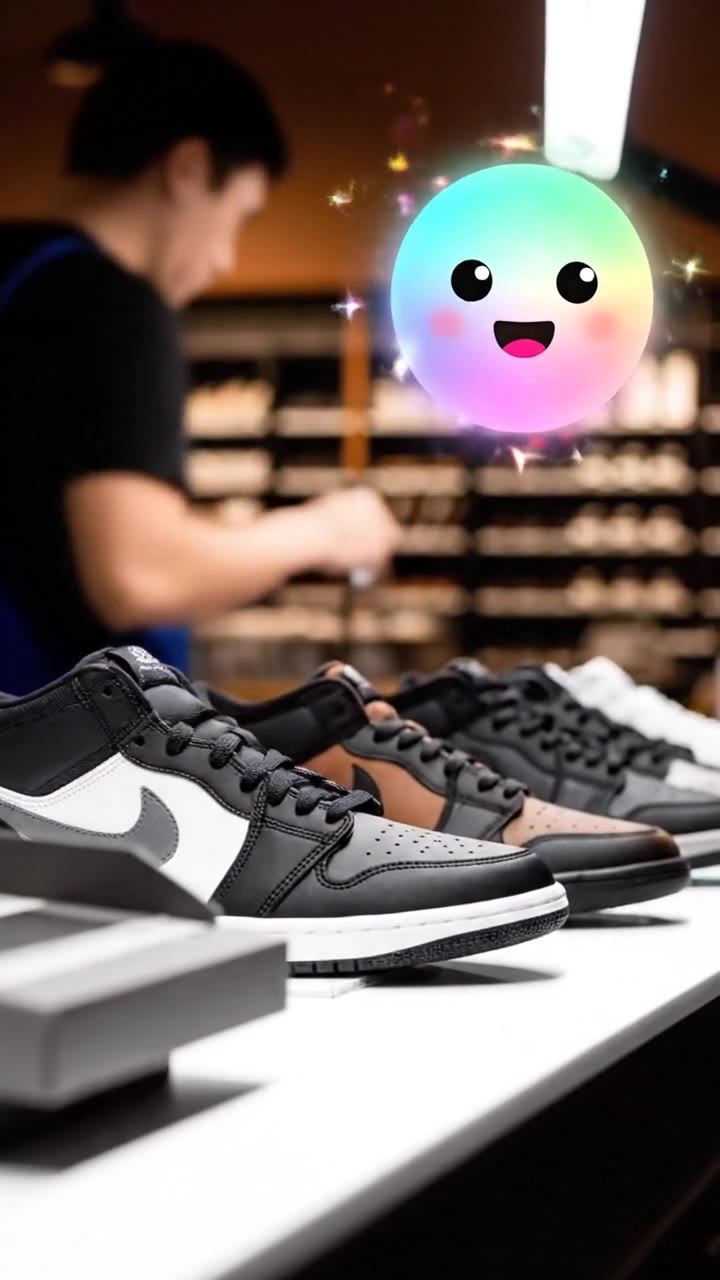
Cities like Putian in China have become global hubs for high-grade replicas, often called 'super-fakes.' Using the same leather, stitching patterns, and manufacturing machinery as official brands, these factories make counterfeits that fool even experienced collectors.
dash Sneaker Authentication Resale Market
Rare kicks move fast, a fortune exchanged, Authenticators keep the real game arranged.
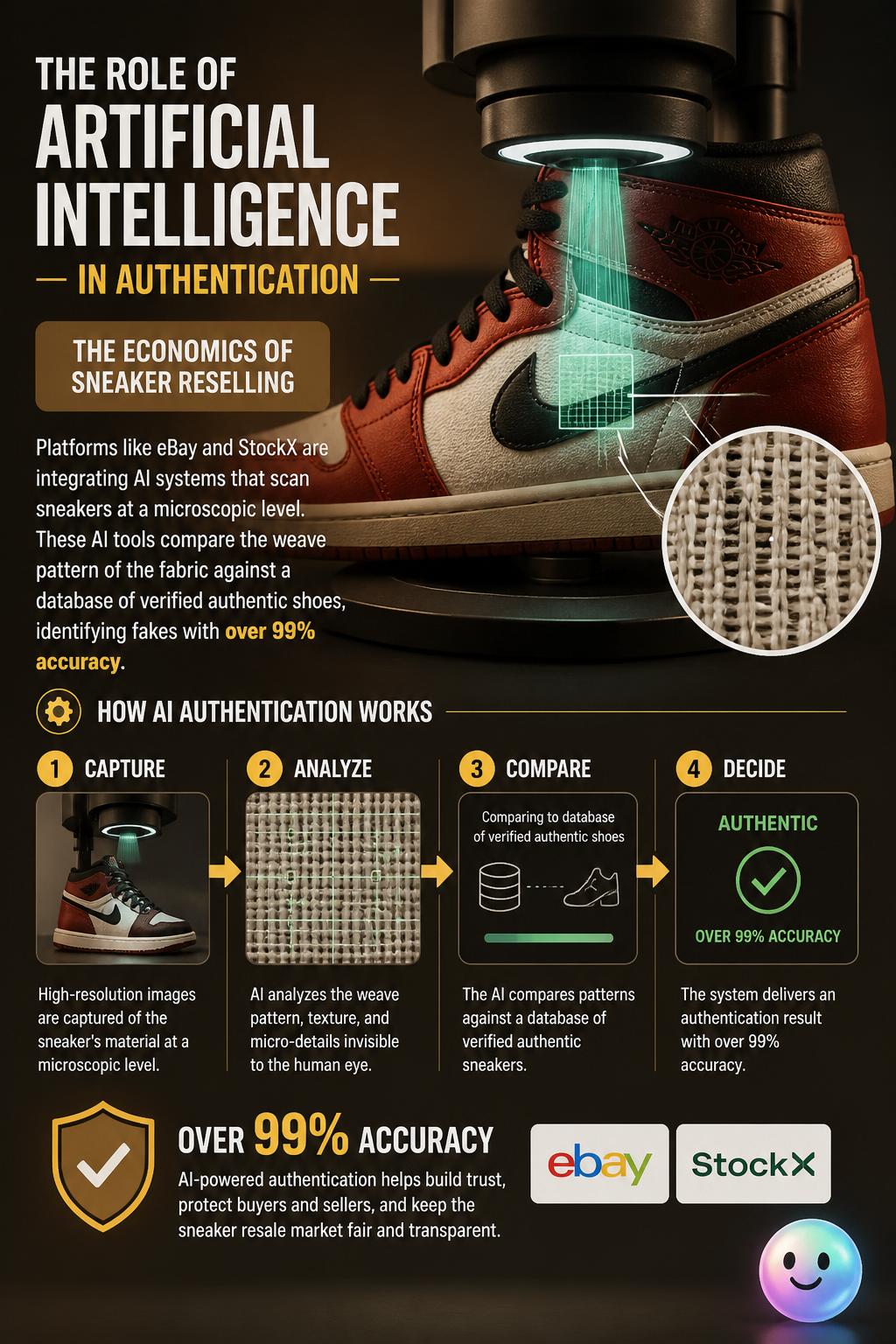
dash Computer vision and machine learning are replacing human eyes to detect microscopic imperfections in sneakers.
The smell test: Authenticators actually smell sneakers because counterfeit factories often use cheap, pungent chemical glues instead of the standard industry adhesive.
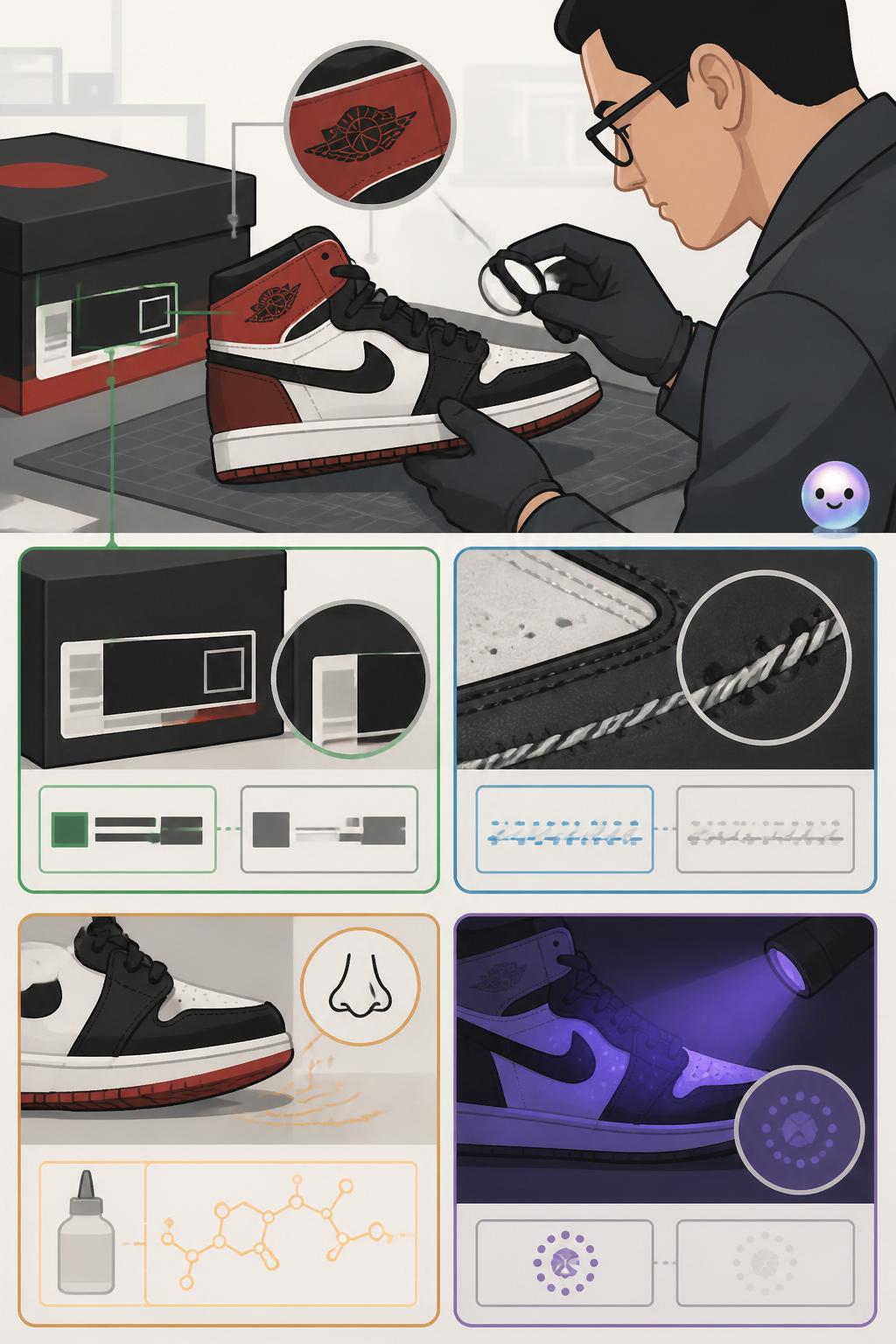
dash Multi-sensory checks—including smell, texture, and UV light—are used to verify a shoe's legitimacy.
Why do counterfeit factories have access to the exact same materials and patterns as official sneaker brands?
What technology is increasingly used alongside human authenticators to scan fabric weaves at a microscopic level?
Why do professional sneaker authenticators sniff the inside of a shoe during inspection?
Which of these is a common microscopic detail authenticators count to verify a sneaker's authenticity?
What is the term used in the community for high-grade counterfeit sneakers that are nearly identical to the originals?
What type of light do authenticators shine on sneakers to reveal hidden factory stamps and glue guidelines?