BETA
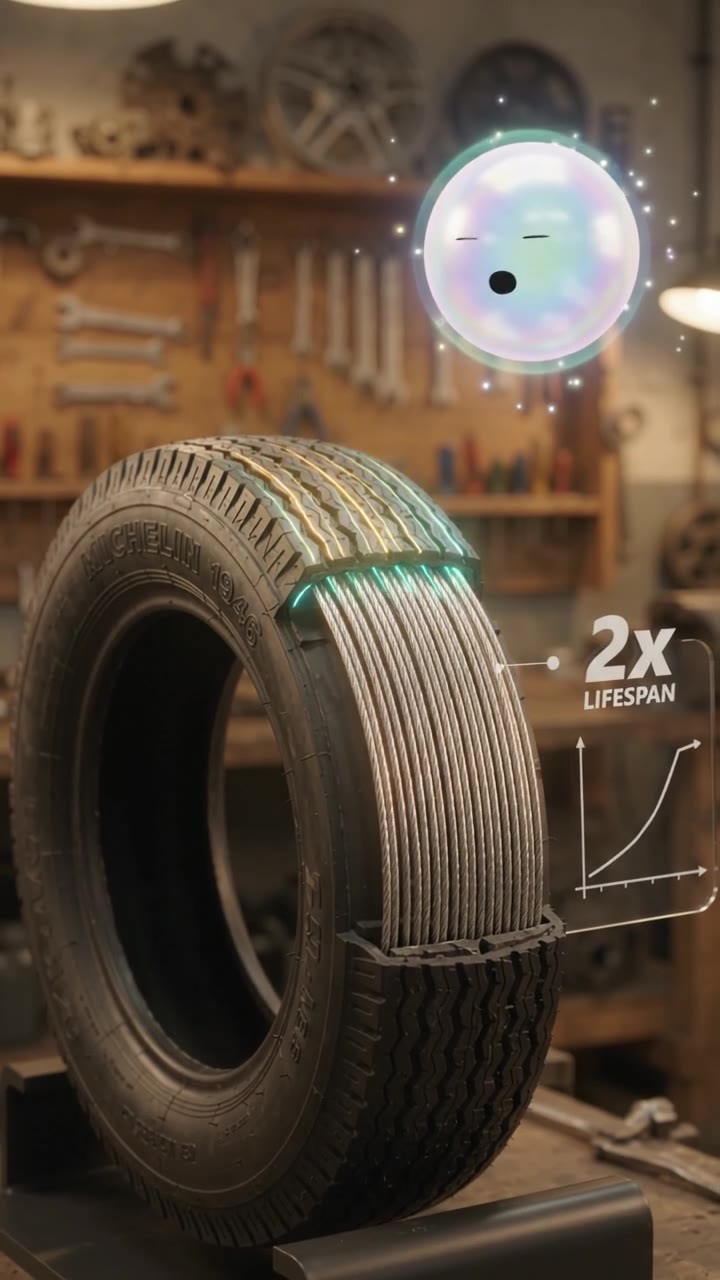
Before radial tires, bias-ply tires had overlapping diagonal cords that generated high friction and heat. Michelin's 1946 radial design ran steel cords straight across the tire, reducing rolling resistance, doubling tire lifespan, and saving drivers up to 10% on fuel.
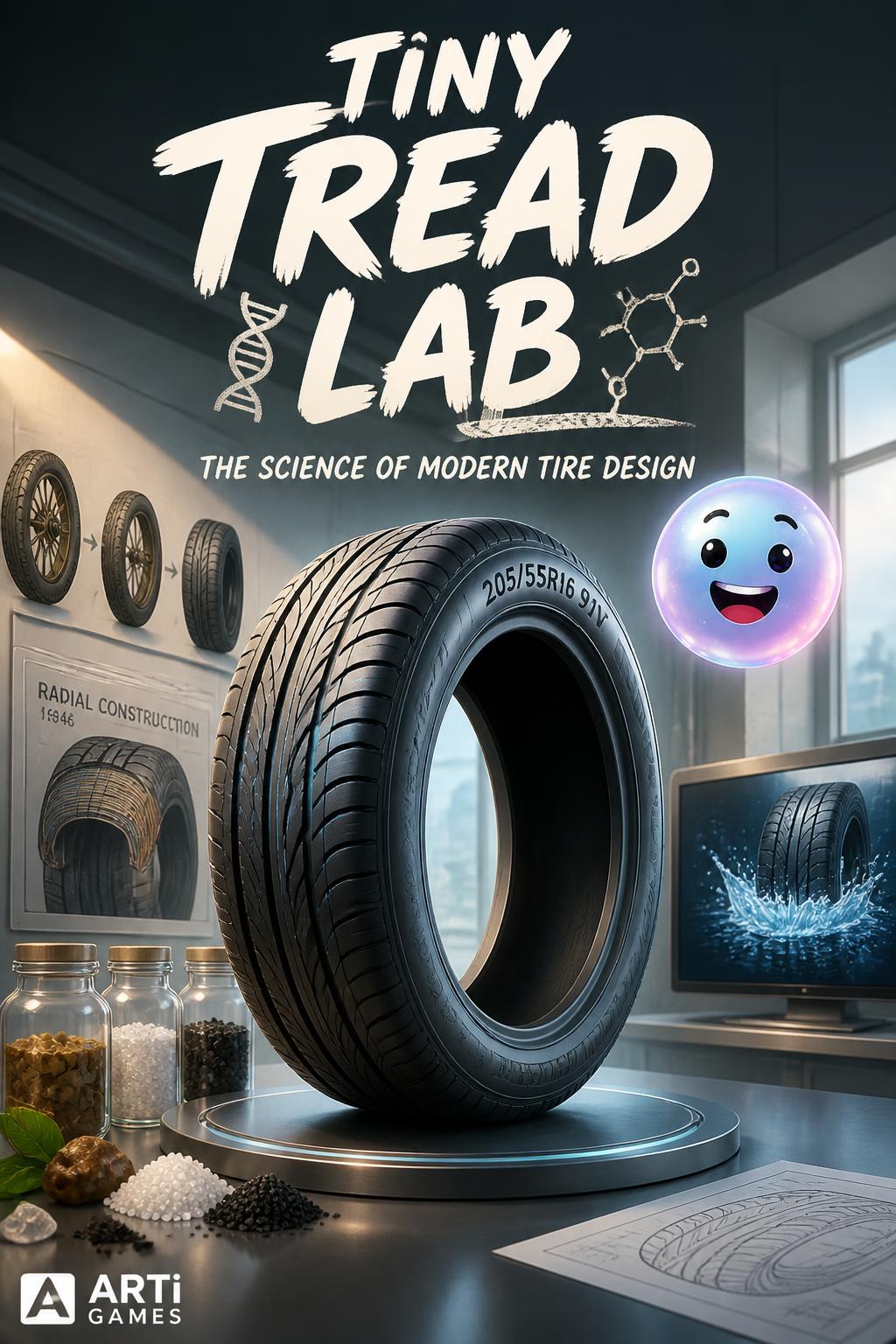
marcus Adjust tire pressure, grooves, and rubber to master the science of modern tire design.
marcus The radial tire revolution introduced straight steel cords that doubled tire lifespan and saved drivers money on fuel.
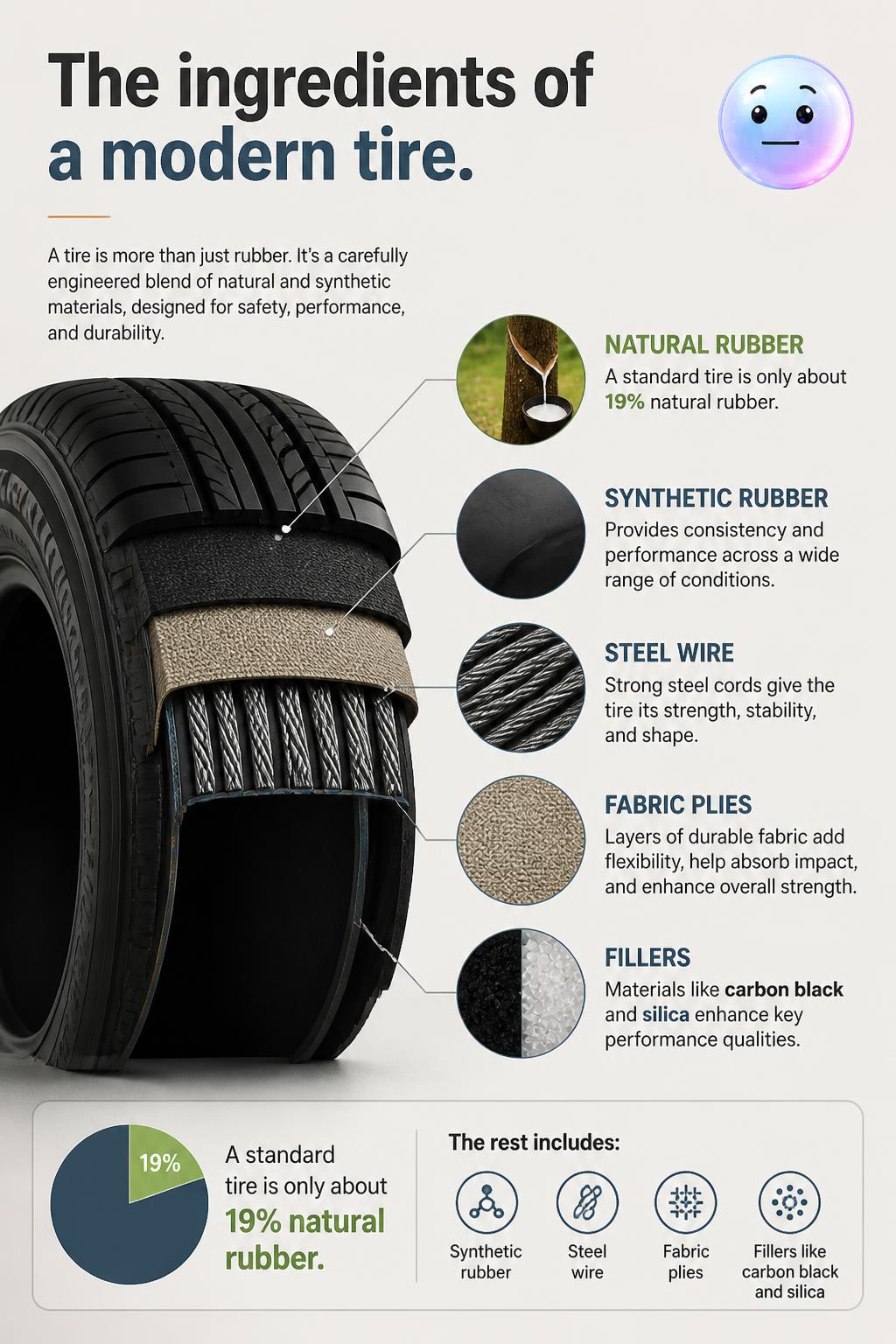
marcus Modern tires combine just 19% natural rubber with synthetic rubber, steel, fabric, carbon black, and silica to ensure strength and wet-road grip.
Lego tires: Lego is technically the world's largest tire manufacturer, producing over 300 million tiny rubber tires every single year.
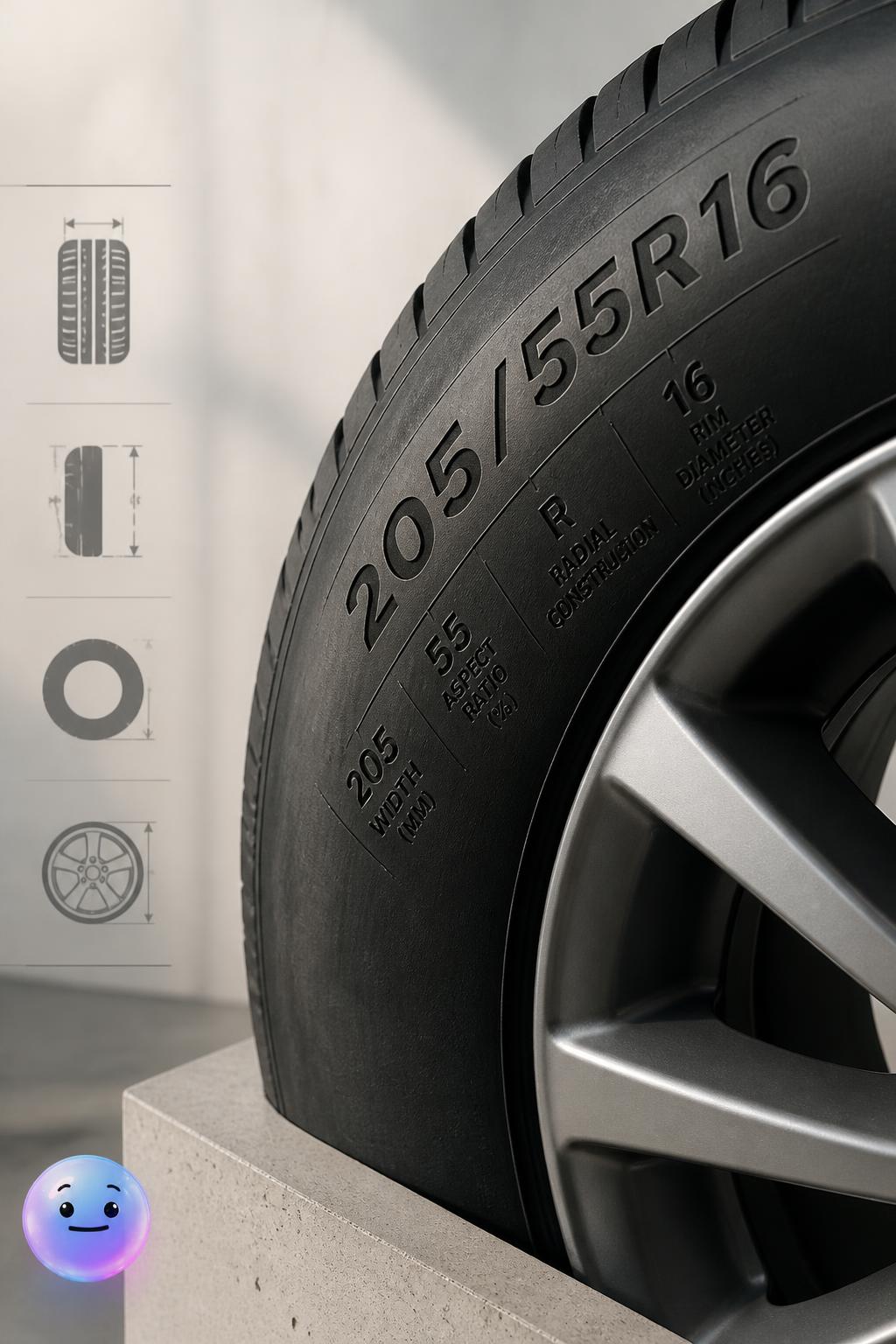
marcus Standard codes like 205/55R16 reveal precise tire dimensions to prevent dangerous mismatches.
marcus Tire Tread Patterns and Hydroplaning
Tread patterns clear the water, / Stop hydroplaning cold, / Grip that road!
What dangerous driving condition occurs when a tire loses contact with the road due to water buildup?