
Measuring Everything We Make: GDP & Output
In 1934, economist Simon Kuznets developed the framework for Gross Domestic Product (GDP) to help the US recover from the Great Depression. It totals the final market value of all goods and services produced within a country. Today, global GDP exceeds 100 trillion dollars, helping governments track whether their economies are growing or shrinking.
The giant scale of gross domestic product
When money loses its magic
The puzzle of finding a job
The wizards of the interest rate
The government's giant checkbook

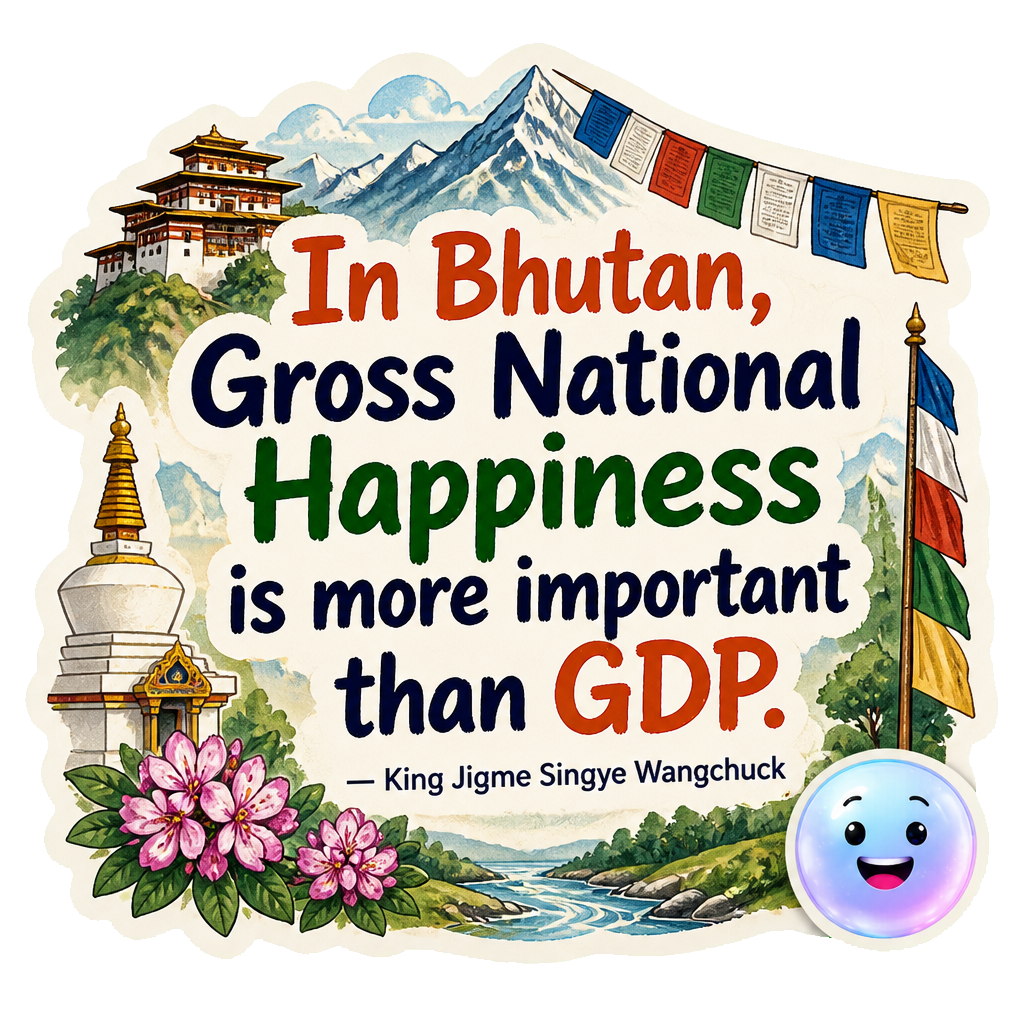
marcus In 1972, King Jigme Singye Wangchuck rejected traditional economic metrics to prioritize citizen well-being. Bhutanese leaders track psychological health, cultural preservation, and environmental protection alongside financial growth.
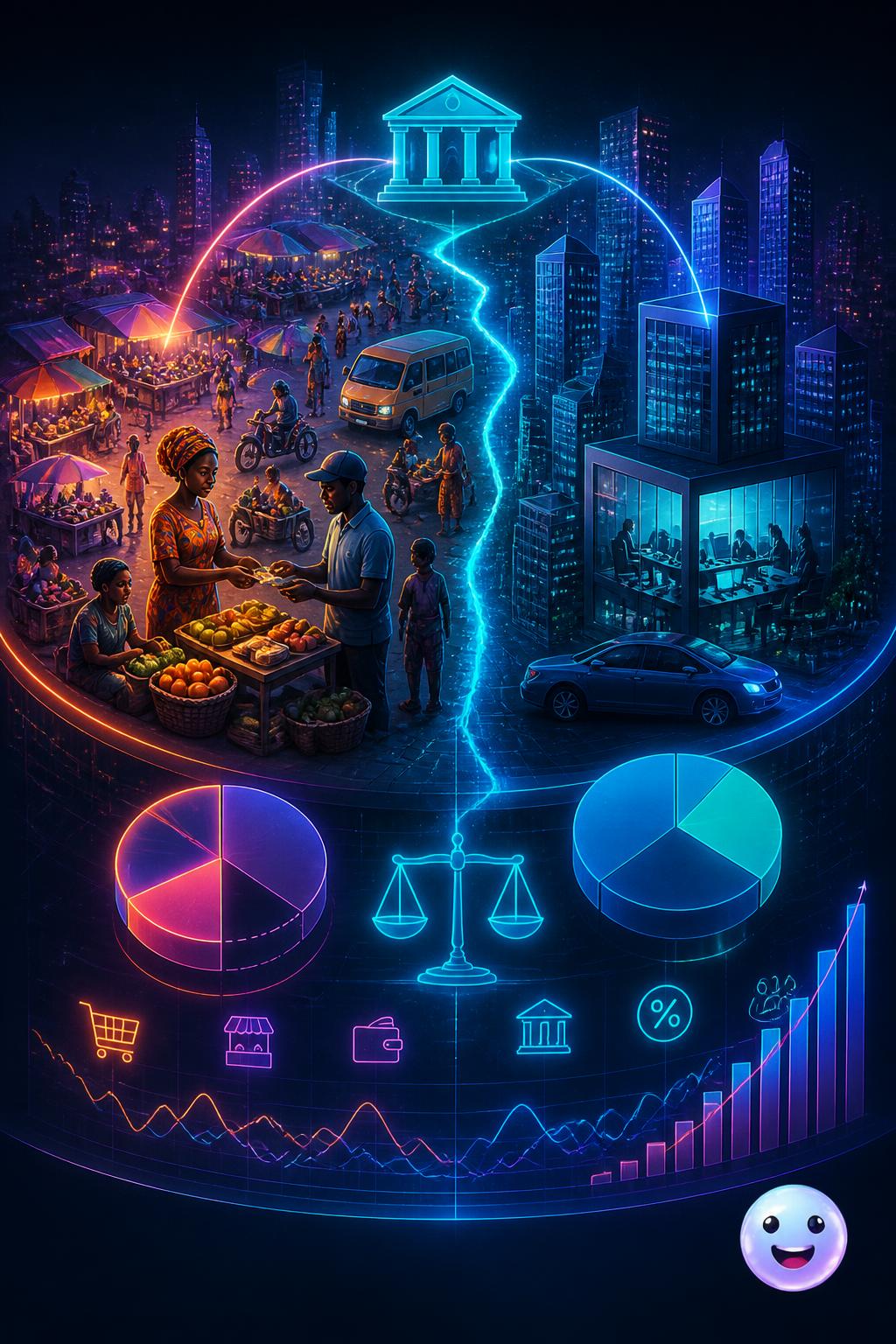
marcus Unregistered street vendors and cash transactions drive over half of Nigeria's economic activity. These unrecorded deals mean the nation's actual wealth far exceeds official government calculations.
marcus In 1934, Simon Kuznets created Gross Domestic Product to help the United States recover from the Great Depression. This system now tracks over one hundred trillion dollars worldwide.
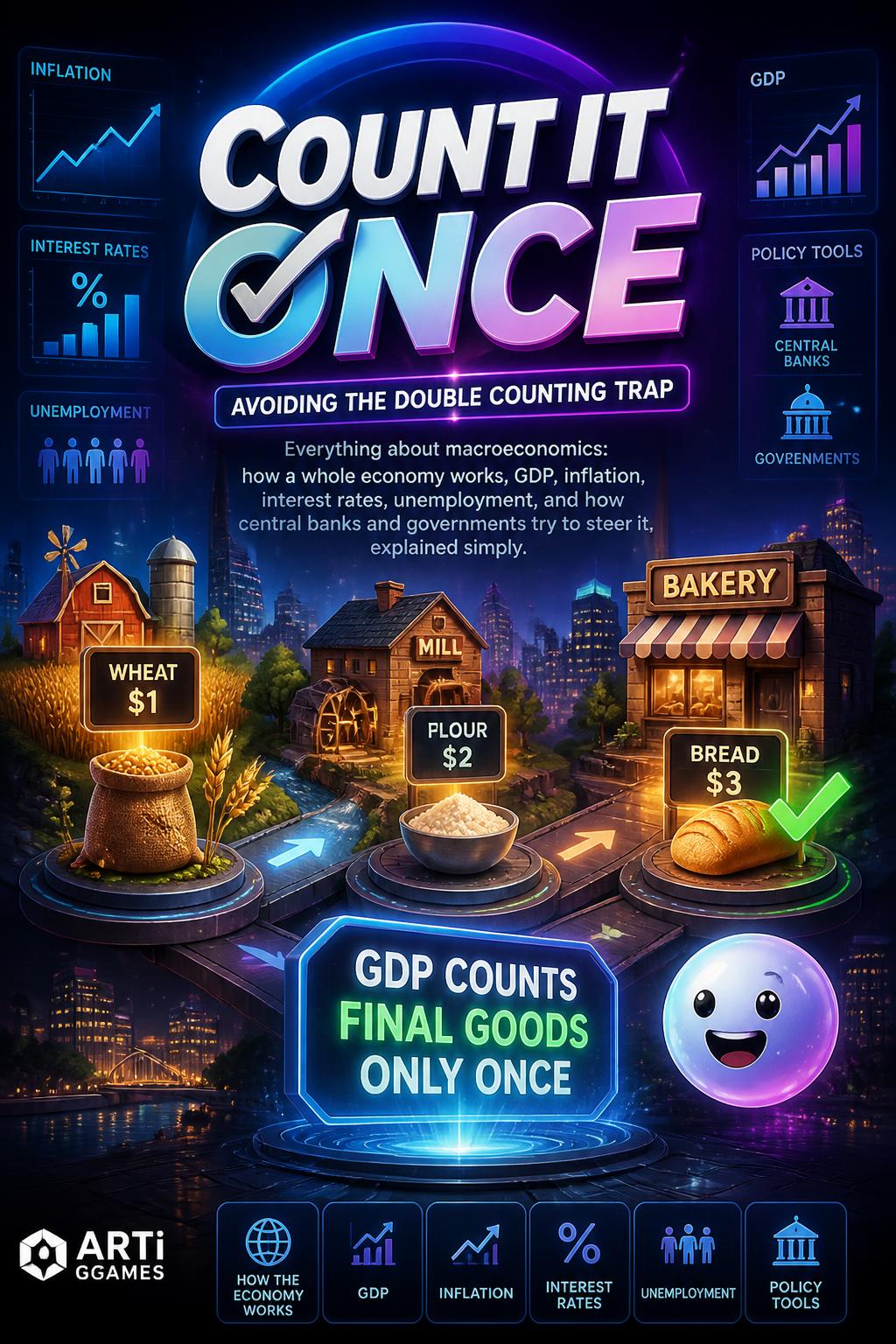
marcus Sort finished goods from raw materials to learn how GDP counts everything just once.
marcus The 1986 Big Mac Index compares McDonald's burger prices worldwide. This reveals why a dollar buys much more in Hanoi than in Geneva.
marcus Gross Domestic Product
A hundred trillion dollars strong (so strong!) That's all the goods we make all year long (all year long!)
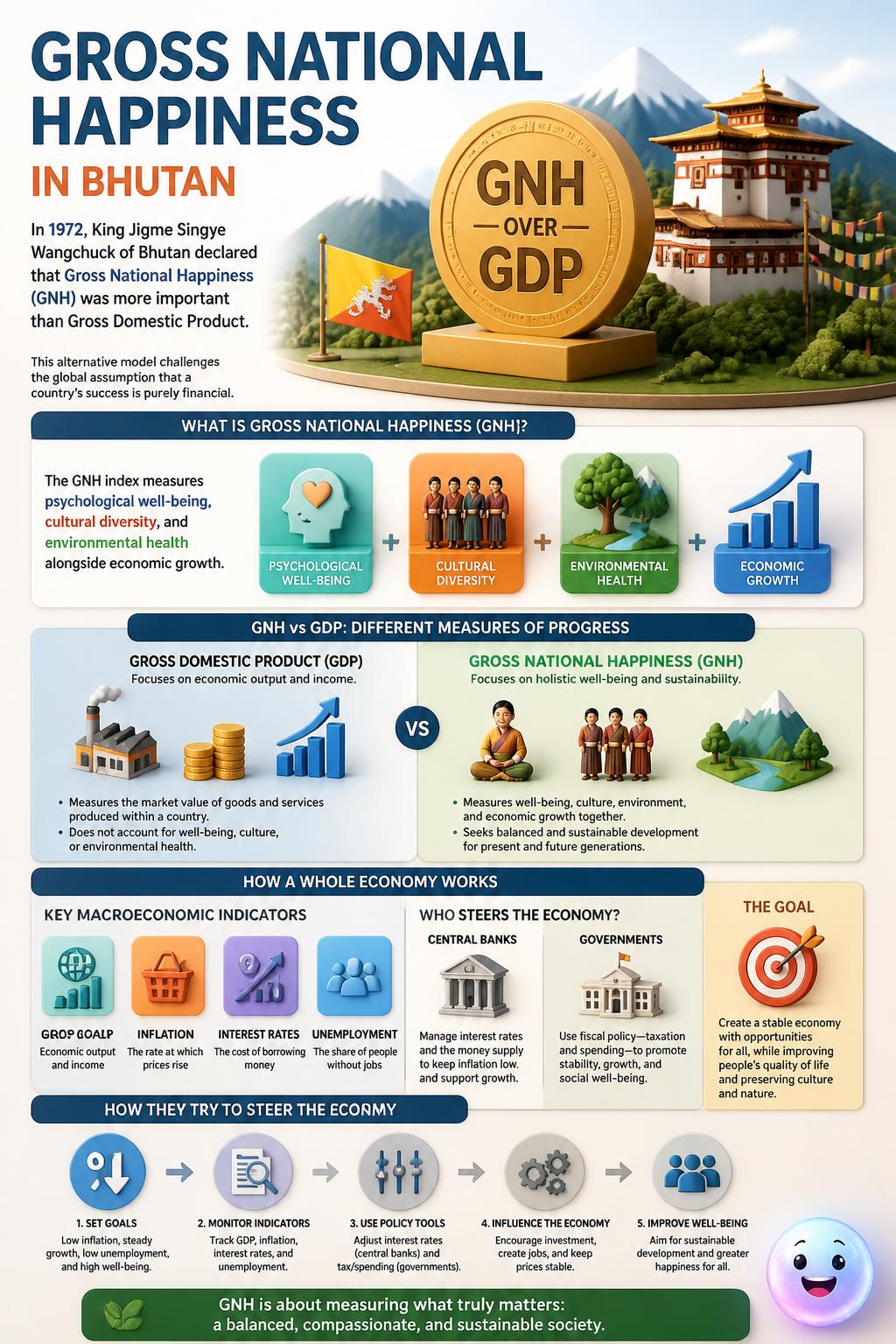
marcus A colorful diagram illustrates macroeconomic concepts like inflation, interest rates, and national happiness
Hidden economic giants: The informal shadow economy worldwide is estimated to employ over 2 billion people, which is more than 60 percent of the global workforce.
The total market value of all goods and services produced within a country during a specific period. Economist Simon Kuznets developed the modern formulation of this metric for a US Congress report in 1934.
In countries like Nigeria, what percentage of economic activity is estimated to happen in the informal sector?
What lighthearted economic index did The Economist introduce in 1986 to compare global buying power?