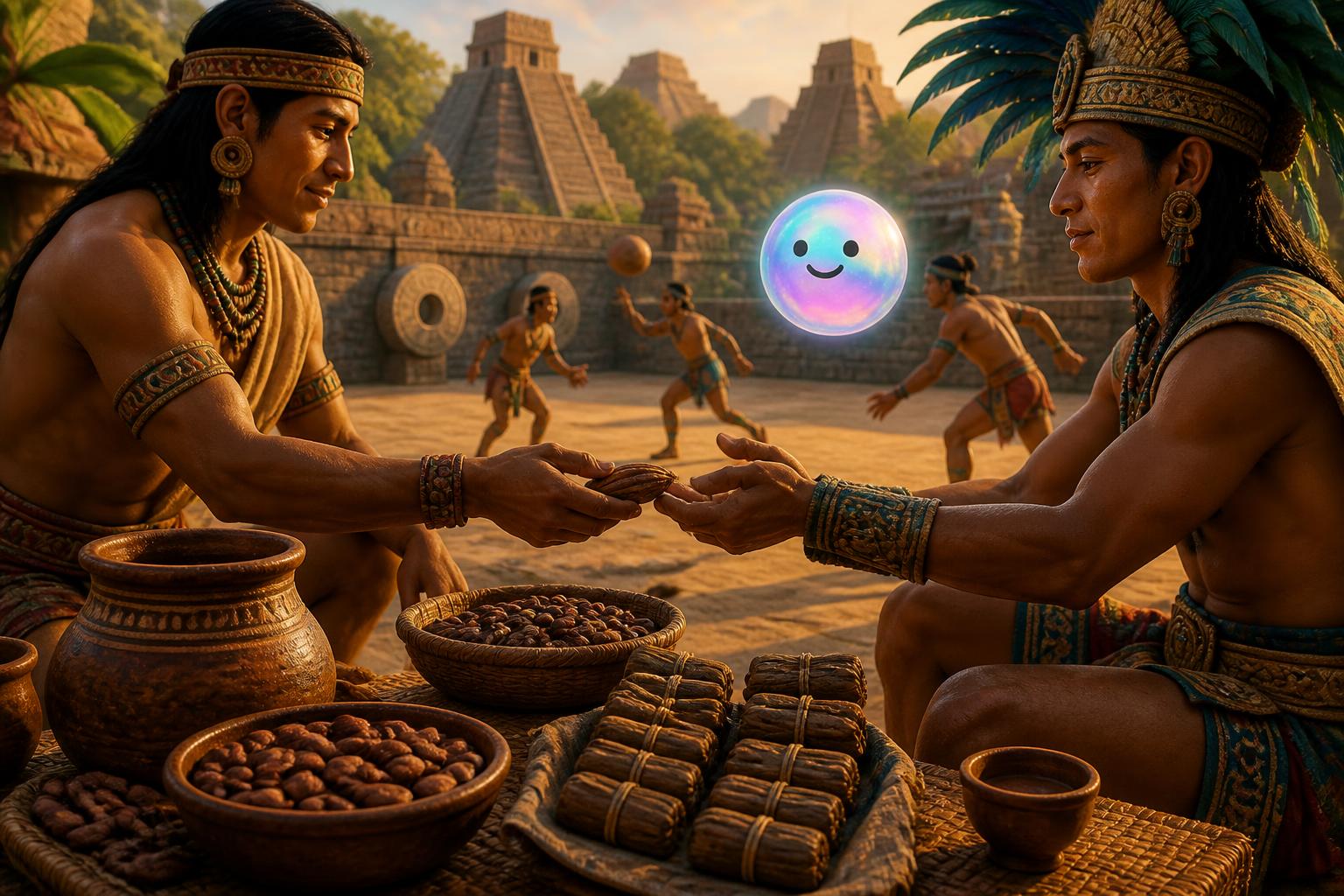
Who are the legendary brothers in the Popol Vuh who defeated the underworld lords at a ballgame?
The currency of cacao
The high stakes of the ballgame
Mesoamerican science and engineering
Gods, myths, and the underworld
misslily In the Maya and Aztec world, equinox shadows on El Castillo look like a slithering feathered serpent.
misslily Maya gods created humans from yellow and white corn dough after failing with mud and wood.
misslily The twins Hunahpu and Xbalanque defeated the underworld lords in a deadly ballgame to avenge their father.
misslily Match sacred myths to mighty gods to discover how chocolate was used as money.
misslily The Maya underworld Xibalba, meaning 'place of fear,' featured trickster gods and deadly obstacle rooms.
misslily Gods, myths, and the underworld
They paid for turkeys with cacao in the square, But wax-filled fake cacao shells were sliding everywhere.
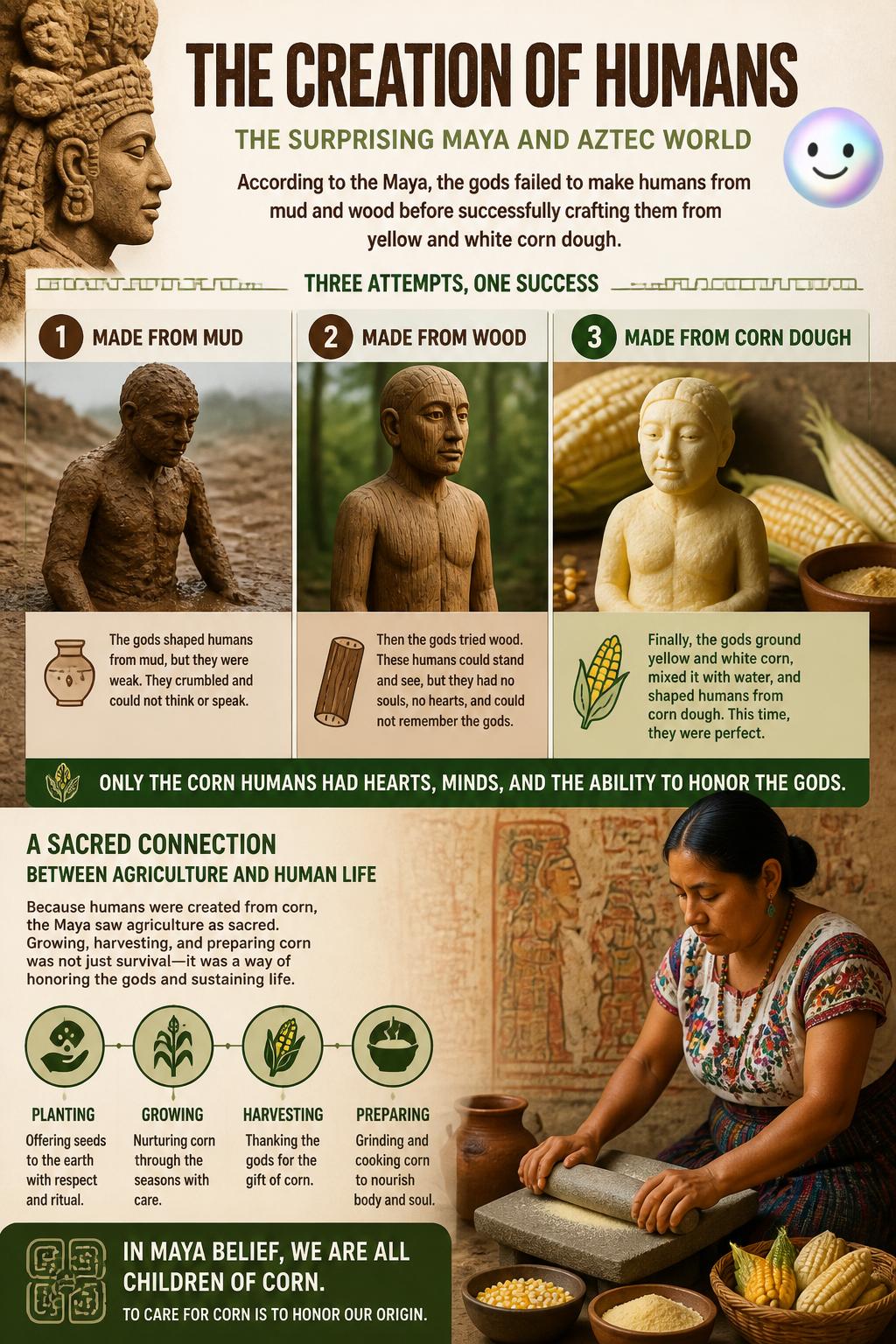
misslily Aztec and Maya myths agree that humans were crafted from sacred materials, with corn playing a central role in our creation.
The bat house: In the Maya underworld of Xibalba, the Hero Twins had to survive a night in a house filled with flesh-eating bats.
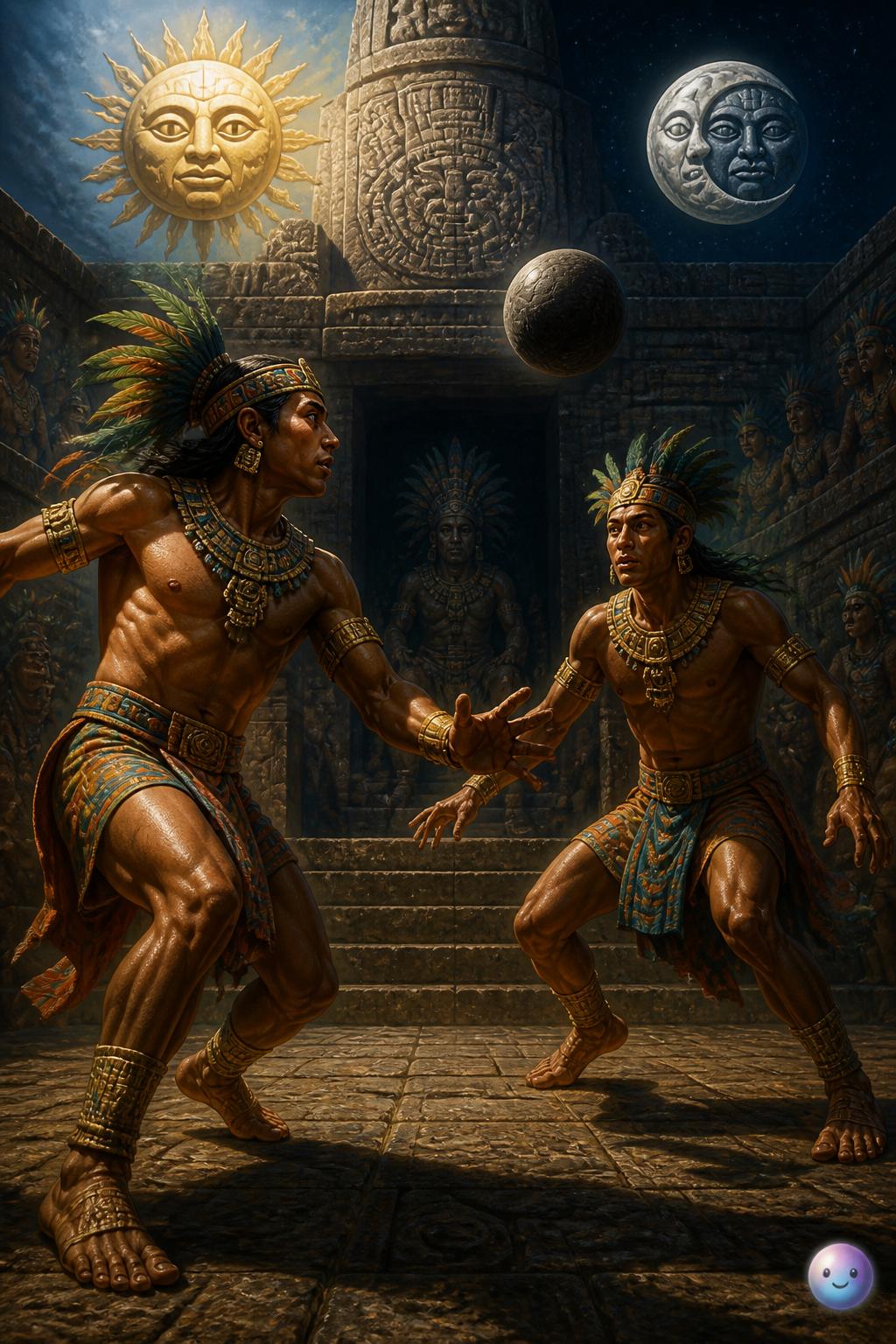
misslily The famous Popol Vuh manuscript tells the story of the Hero Twins who defeated the lords of death in a ballgame.
The underworld in Maya mythology, ruled by various death gods and associated with dangerous physical trials. In the Popol Vuh, the Hero Twins descended into Xibalba to play a ritual ballgame.
Why did the Maya lords of the underworld invite the Hero Twins' father to play a ballgame in the first place?
Who are the legendary brothers in the Popol Vuh who defeated the underworld lords at a ballgame?
What optical illusion happens at the El Castillo pyramid in Chichen Itza during the equinoxes?
In the Popol Vuh, what animal's head did the Hero Twins use to temporarily replace Hunahpu's decapitated head?
What was the name of the Aztec underworld, which souls had to travel through for four years to reach rest?
What bird's brilliant green feathers were used to represent the plumage of the god Quetzalcoatl?