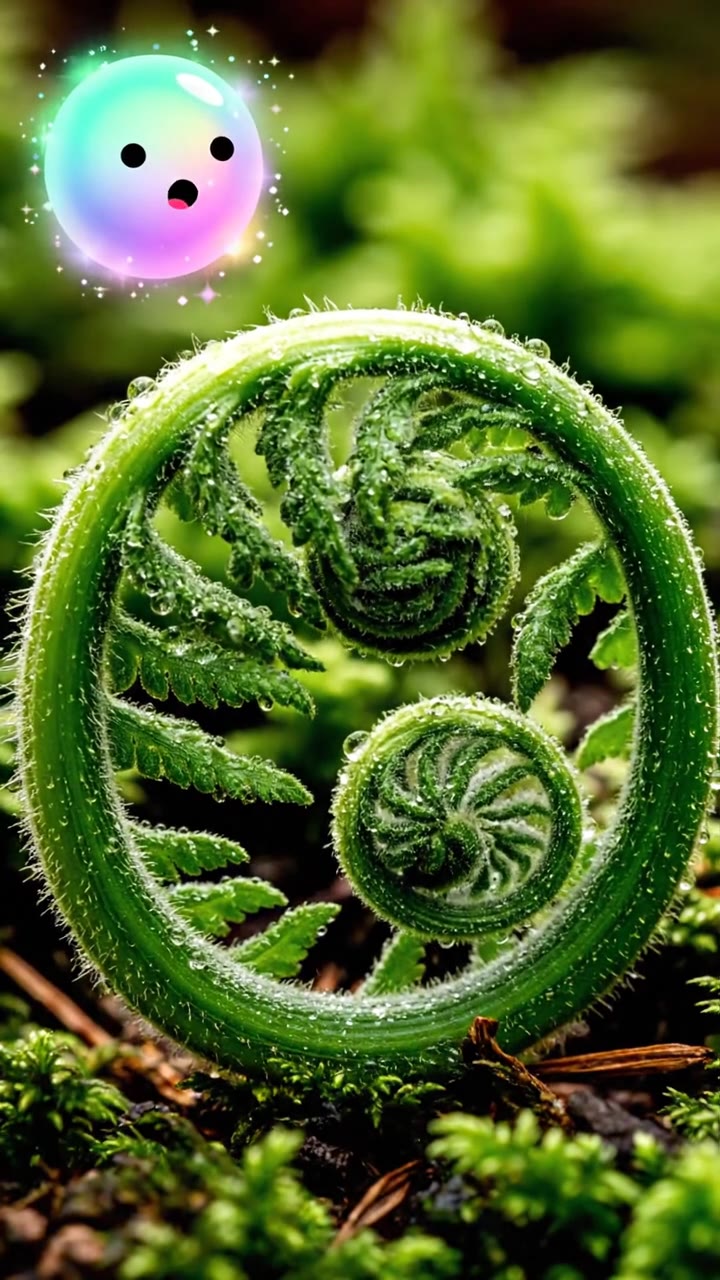
Fiddleheads and the art of unrolling
This unique growth pattern, called circinate vernation, protects the delicate growing tip of the fern frond. As the cells on the inner side grow slower than those on the outer side, the spiral gracefully unfurls.
The pioneering world of mosses
Ferns and the age of coal
Cycads and the dinosaur era
Ancient plants in our modern world


artiteacher Sort ancient ferns, mosses, and cycads to discover how these prehistoric plants became coal.
artiteacher Coal Formation
Giant ancient ferns, / buried in the mud, / made the coal we burn!

artiteacher Ferns reproduce using tiny spores and undergo an alternate, independent life stage.
Fern fossils: Most of the coal we burn today comes from fossilized swamp forests of giant ferns.

artiteacher Ancient fern relatives grew as tall as modern trees, forming massive coal-producing swamps.
A combustible black or dark brown sedimentary rock consisting mainly of carbonized plant matter. Vast Carboniferous swamp forests of giant ferns decayed over millions of years to form these massive deposits.
What are the microscopic reproductive structures found on the undersides of fern fronds?