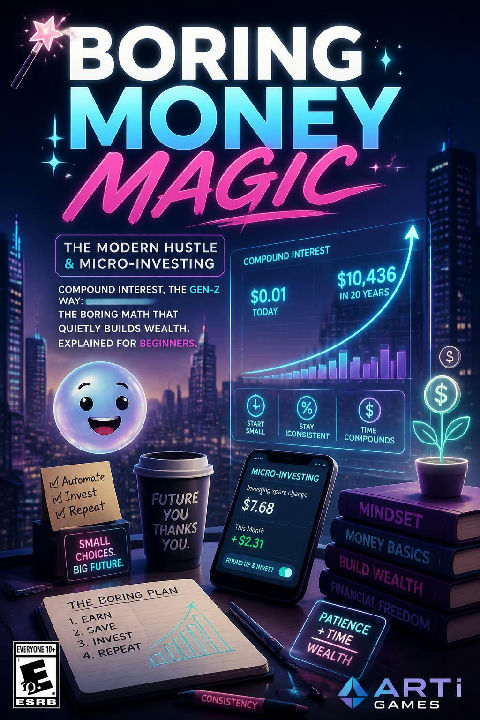
Boring Money Magic Game
Play the Boring Money Magic educational game. Learn key financial concepts and test your money management skills in this interactive experience.
The magic of the compound snowball
Ancient clay tablets and old money secrets
The modern hustle and micro-investing
The brain game and psychological traps

nic Investment returns must beat a three percent inflation rate to protect the real value of accumulated wealth.
nic Micro-investing platforms use automatic round-ups to turn spare change into thousands of dollars
nic A Dividend Reinvestment Plan automatically buys more stock shares to multiply future quarterly cash payouts.
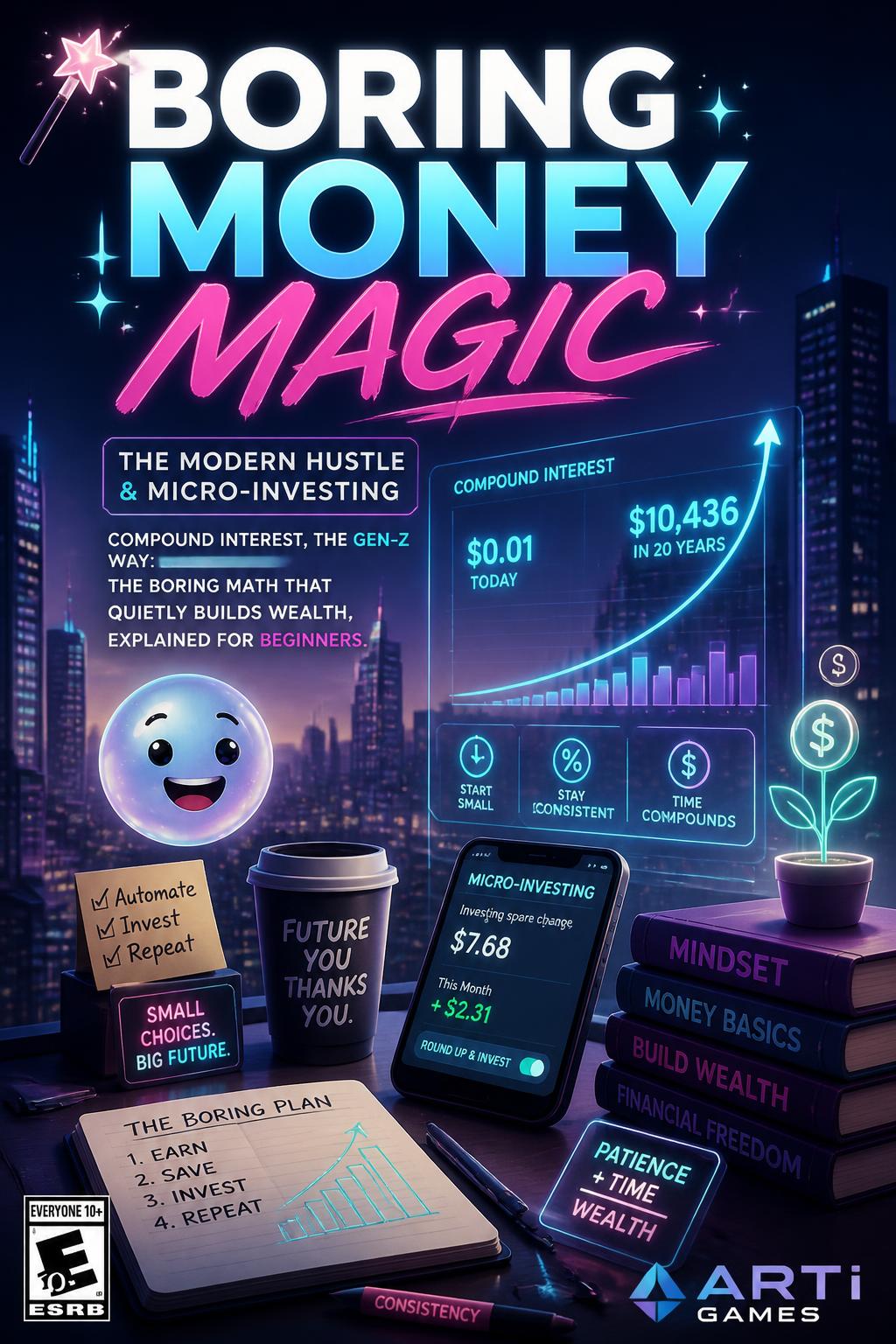
nic Stack small, boring deposits to discover how compound interest quietly builds massive wealth.
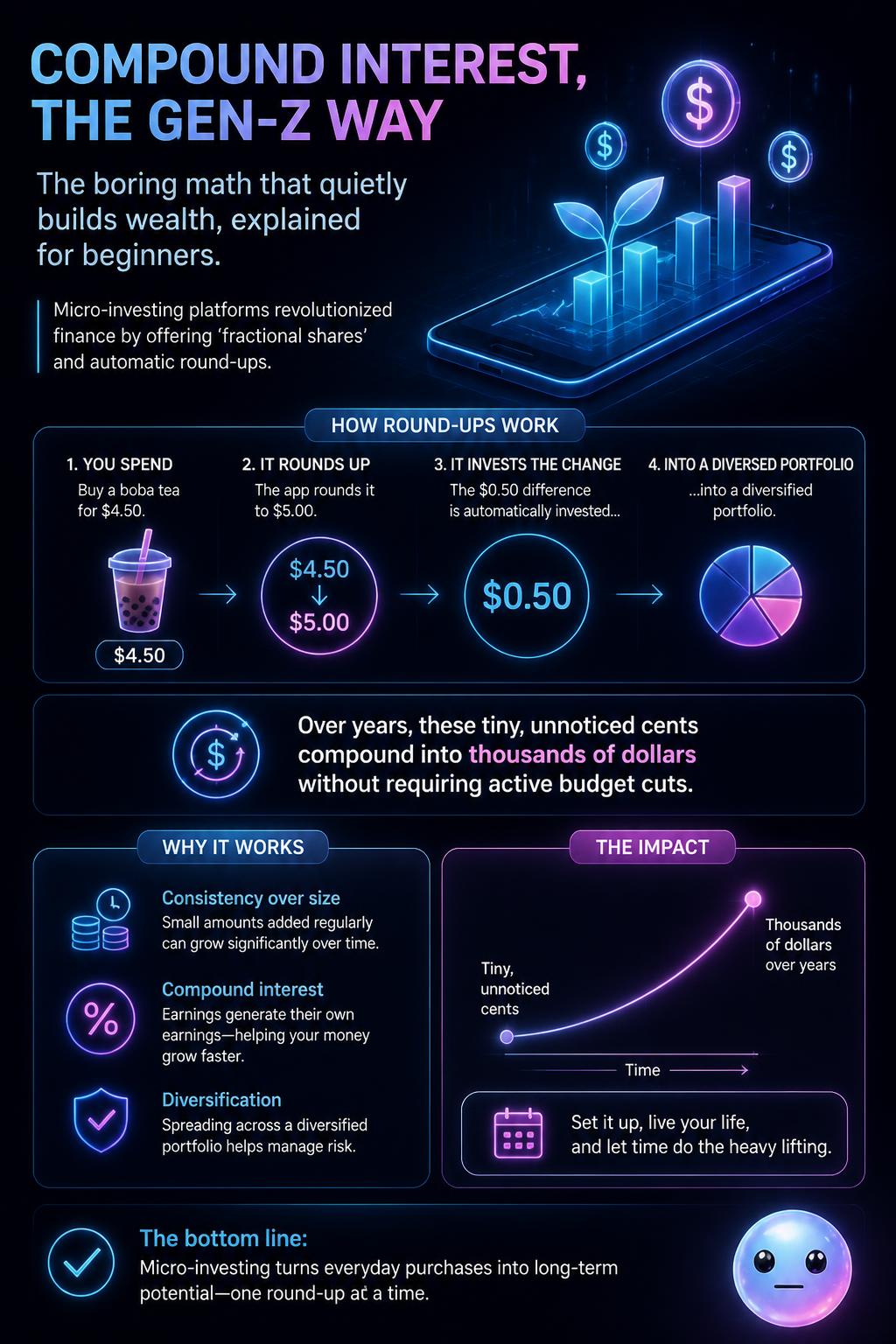
nic Micro-investing apps round up a $4.50 boba tea to $5.00, automatically investing the $0.50 difference into diversified fractional shares.
Which feature on modern micro-investing apps automatically rounds up your everyday purchases to the nearest dollar and invests the difference?
What is the term for owning a portion of a single stock share that is less than one full share?
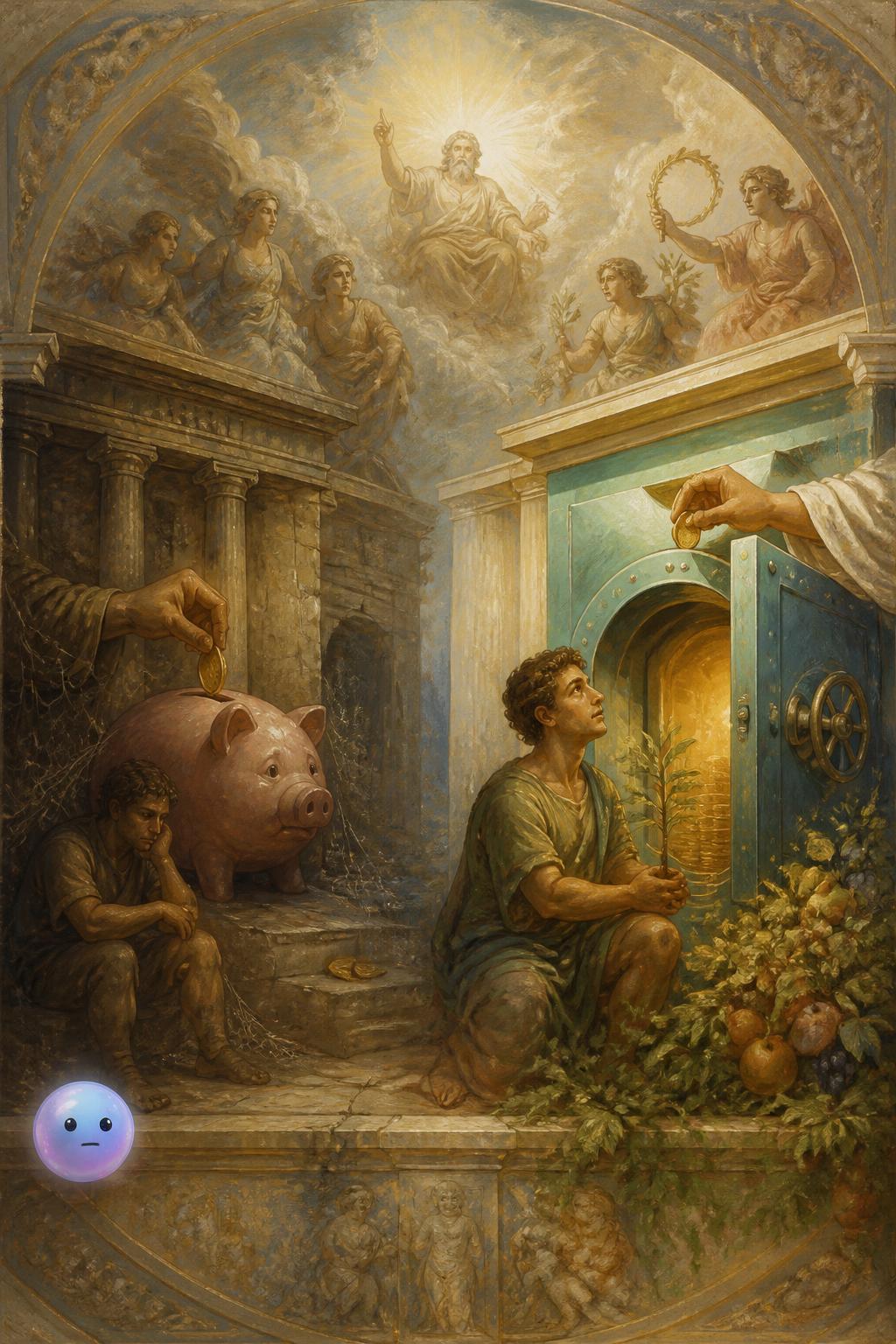
nic Choosing high-yield accounts over traditional piggy banks starts your compound interest engine.
If inflation is at 3% and your bank account pays 0.01% interest, what is happening to the purchasing power of your money?
Warren Buffett's age: Over 90% of billionaire Warren Buffett's immense wealth was accumulated after his 65th birthday, thanks to the backloaded nature of compounding.
Which independent agency of the US government calculates the Consumer Price Index (CPI) to measure inflation?
What economic term describes the rate at which the general level of prices for goods and services is rising?
The practice of saving and investing very small amounts of money, often through automated digital platforms. In 2014, the digital platform Acorns pioneered this strategy by investing users' spare change into diversified portfolios.
nic Dividend Reinvestment
We reinvest the payouts for more shares (get those shares, yeah) / That's how compounding builds up what is there (watch it grow, oh)
How often do most dividend-paying public companies in the United States typically distribute dividend payments to their shareholders?