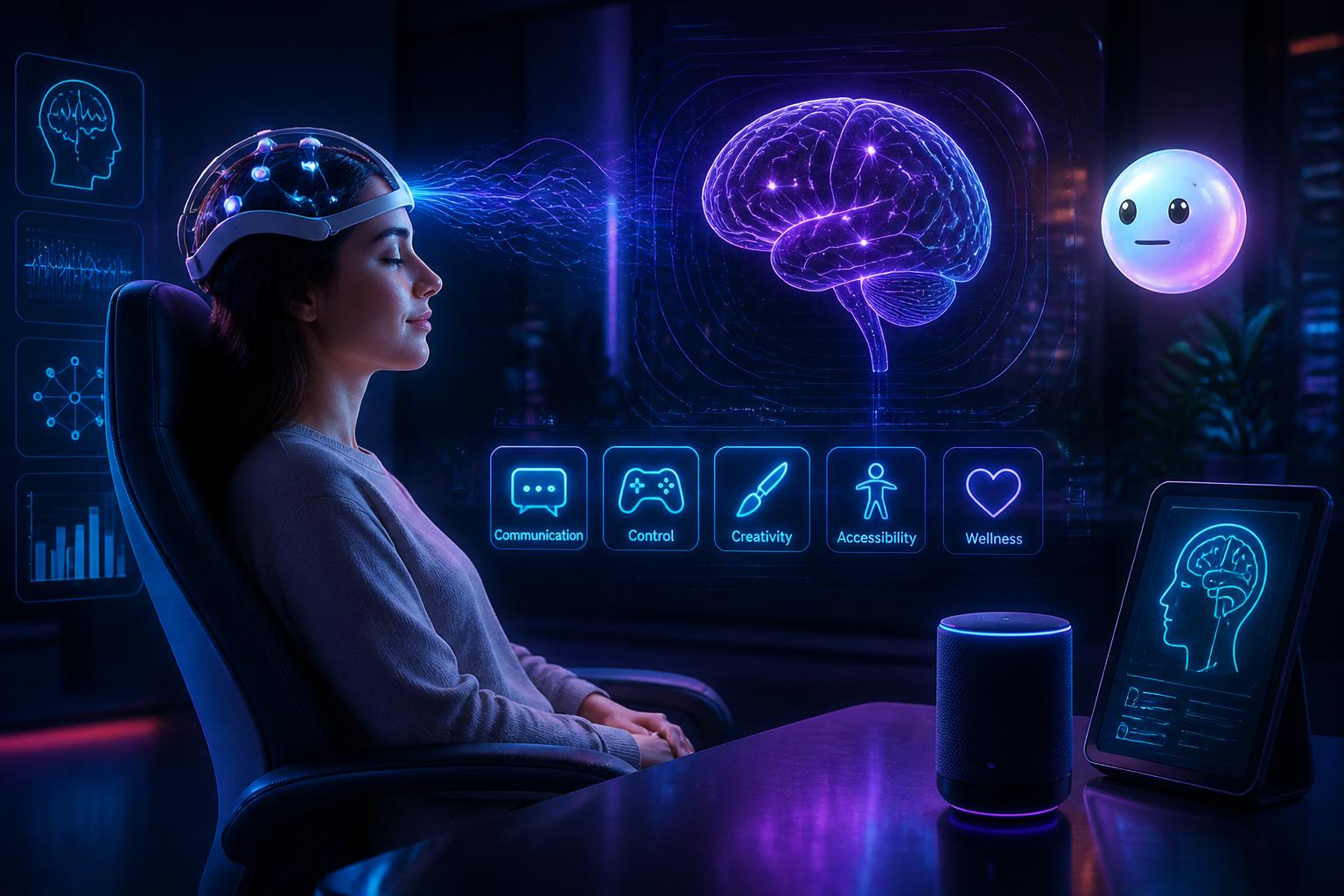
Who should own your brain data?
The BCI landscape: Non-invasive vs. invasive
How brain-computer interfaces read your mind
The tech giants and the unified standards
Privacy, ethics, and the future of brain data
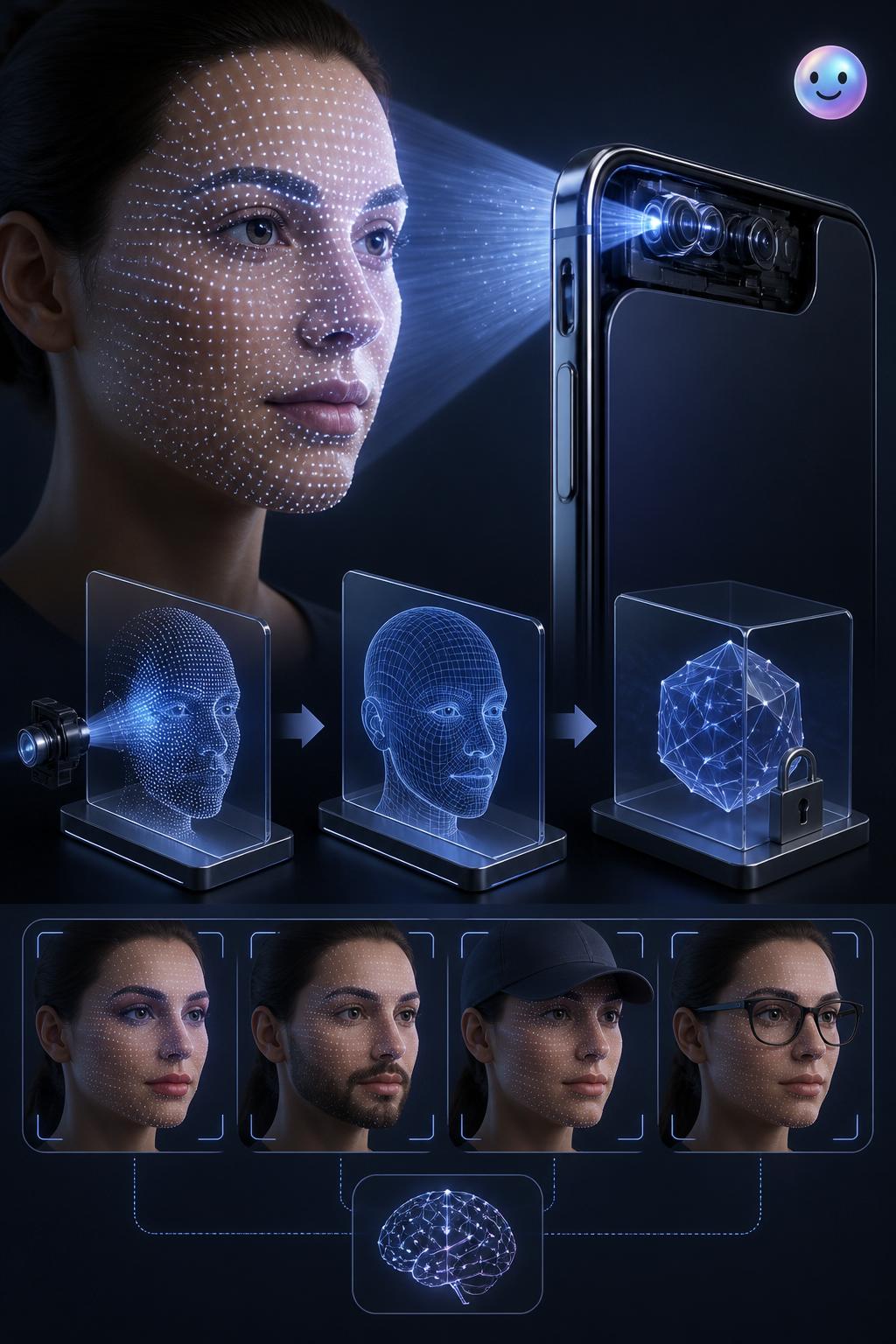
play_review The rise of neuro-rights prompted California to legally protect consumer brain data.
How many US states officially classified brain data as sensitive personal data by late 2026?
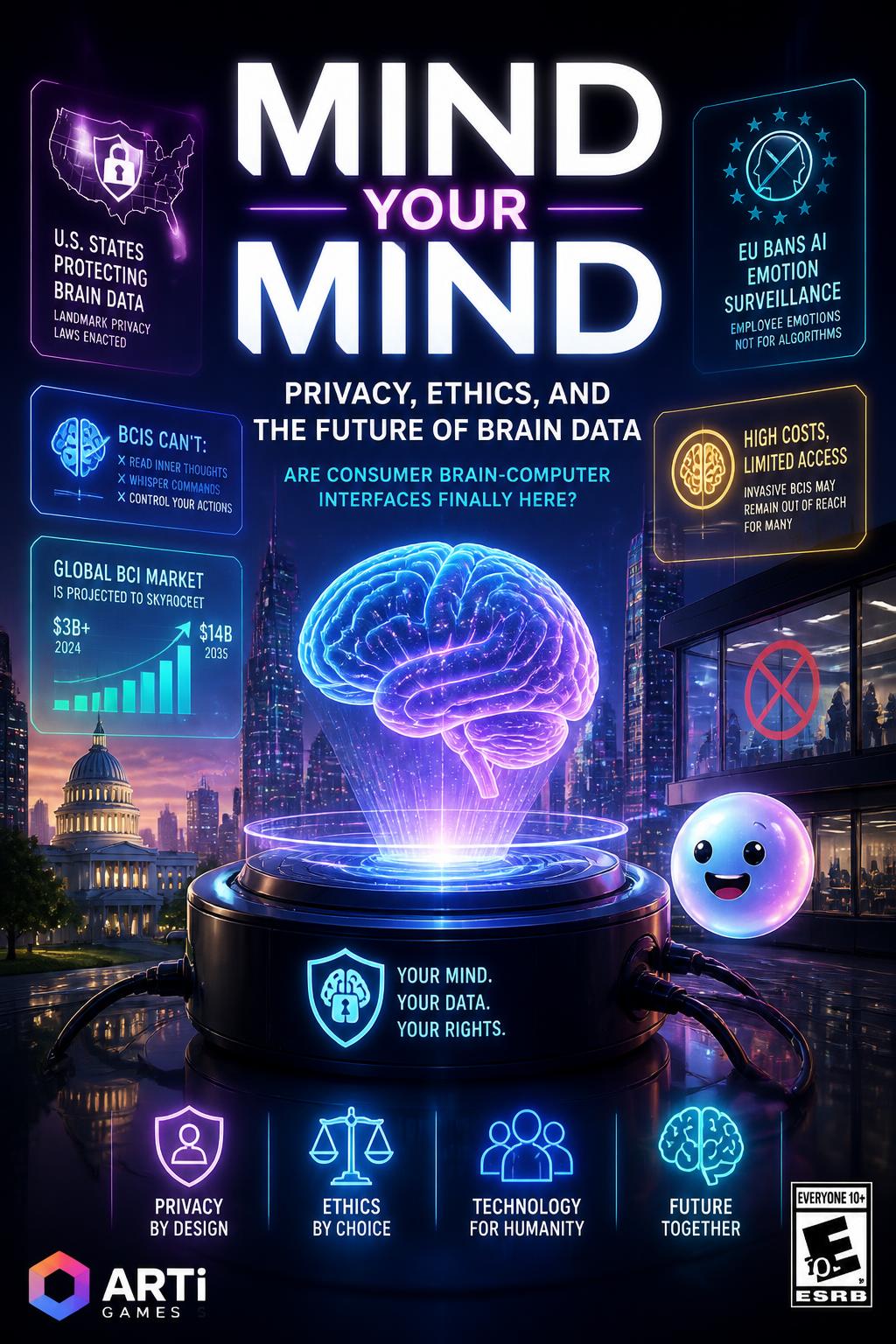
play_review Tap shields to stop brain leaks, exploring the privacy, ethics, and future of brain data.
Why do non-invasive BCI devices currently dominate the global BCI market revenue?
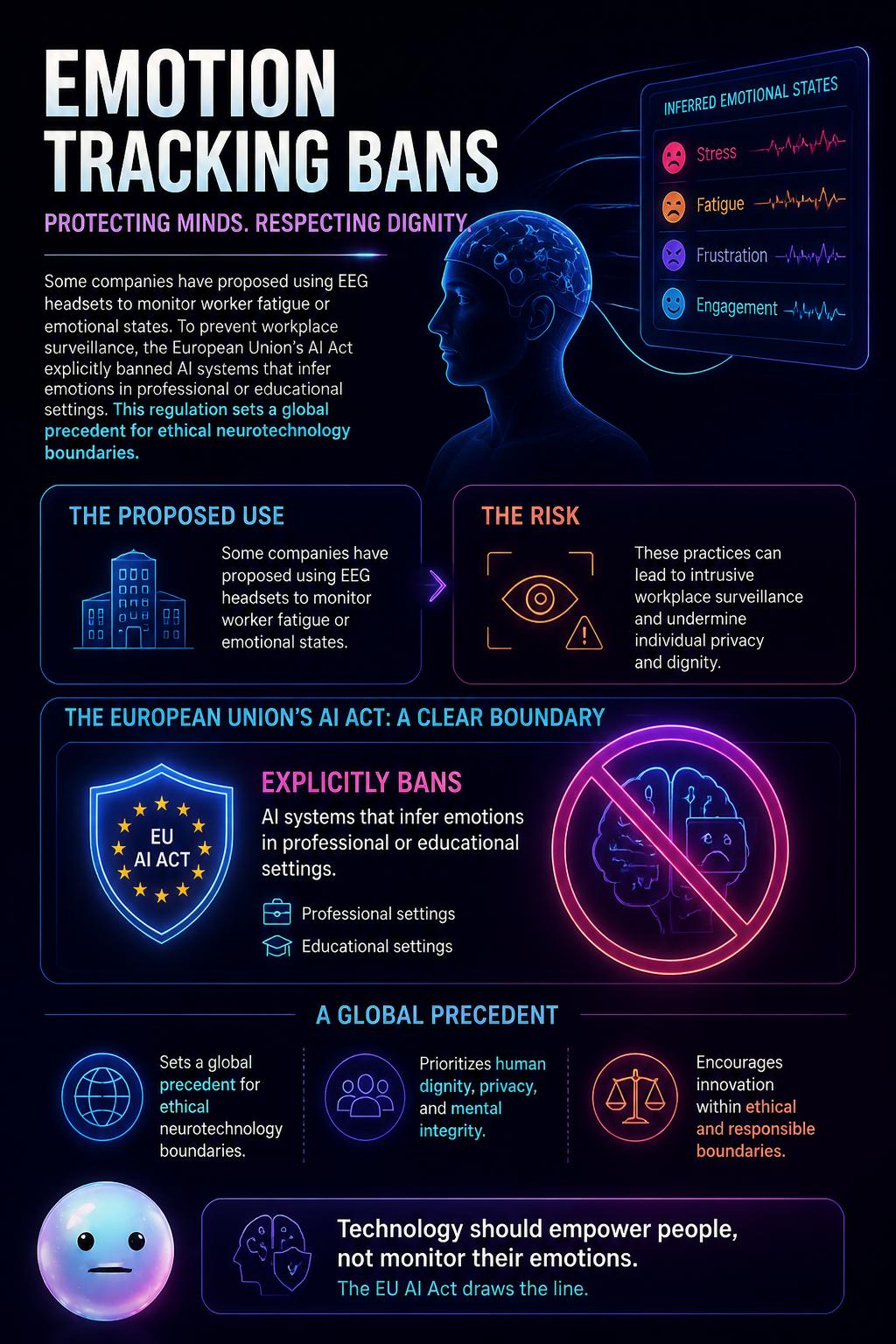
play_review The European Union's AI Act bans emotion-tracking AI in workplaces and schools, preventing companies from using EEG headsets to monitor worker fatigue.
Under which major regulatory framework are AI systems that infer employee emotions banned in Europe?
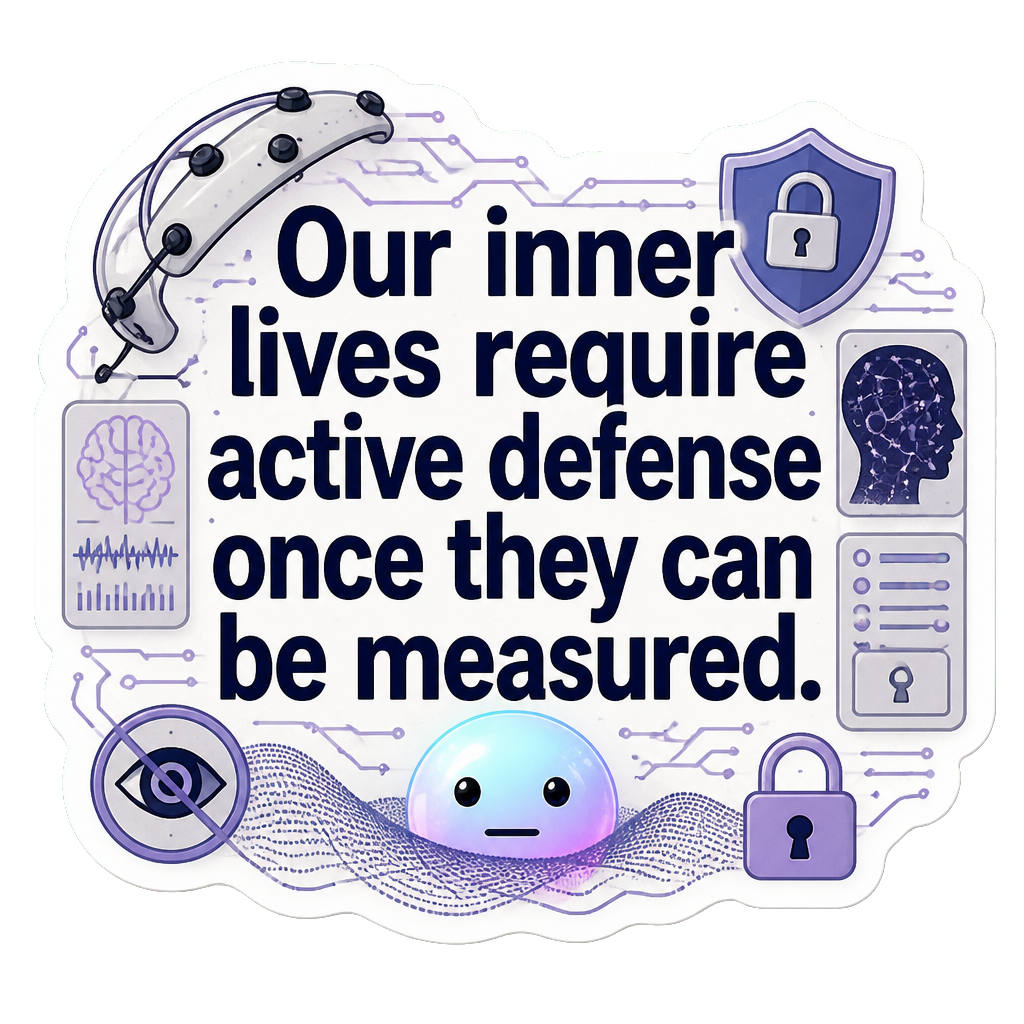
What is the term for the emerging legal concepts designed to protect cognitive liberty and mental privacy?

play_review Consumer brain wearables measure electrical rhythms rather than reading or controlling thoughts.
Why are consumer EEG wearables compared to stethoscopes rather than mind-reading devices?
Brain Data: Some consumer EEG headbands can record up to 250 data points per second, generating millions of neural data points during a single meditation session!
Which of the following is explicitly banned in workplaces and schools under the EU's AI Act?
play_review Consumer Brain-Computer Interfaces: The Accessibility Gap
The accessibility gap leaves the minds that need it most behind
What is the primary economic barrier preventing average patients from accessing invasive BCI implants?
What kind of materials are being developed to minimize tissue scarring when BCI electrodes are implanted in the brain?
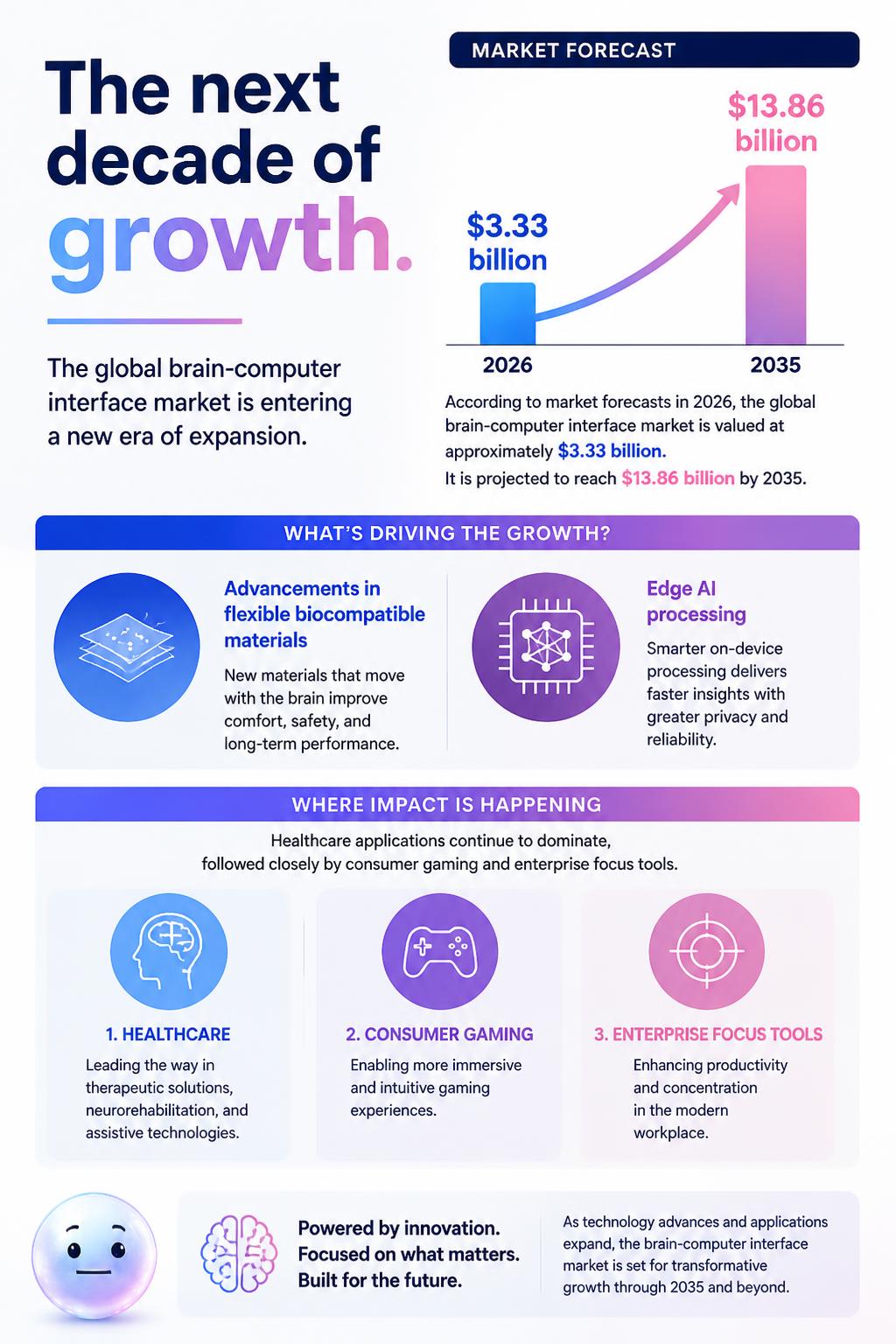
play_review The global brain-computer interface market will surge from $3.33 billion in 2026 to $13.86 billion by 2035, led by healthcare and gaming.
To what value is the global brain-computer interface market projected to grow by the year 2035?