The gut hormone revolution
The vanishing muscle mystery
Muscle as our metabolic super-engine
The new rules of training
coach The Global Appetite Shift
When your appetite shifts you still gotta lift (oh yeah!) / Keep your muscles strong while the numbers drift (stay strong!)
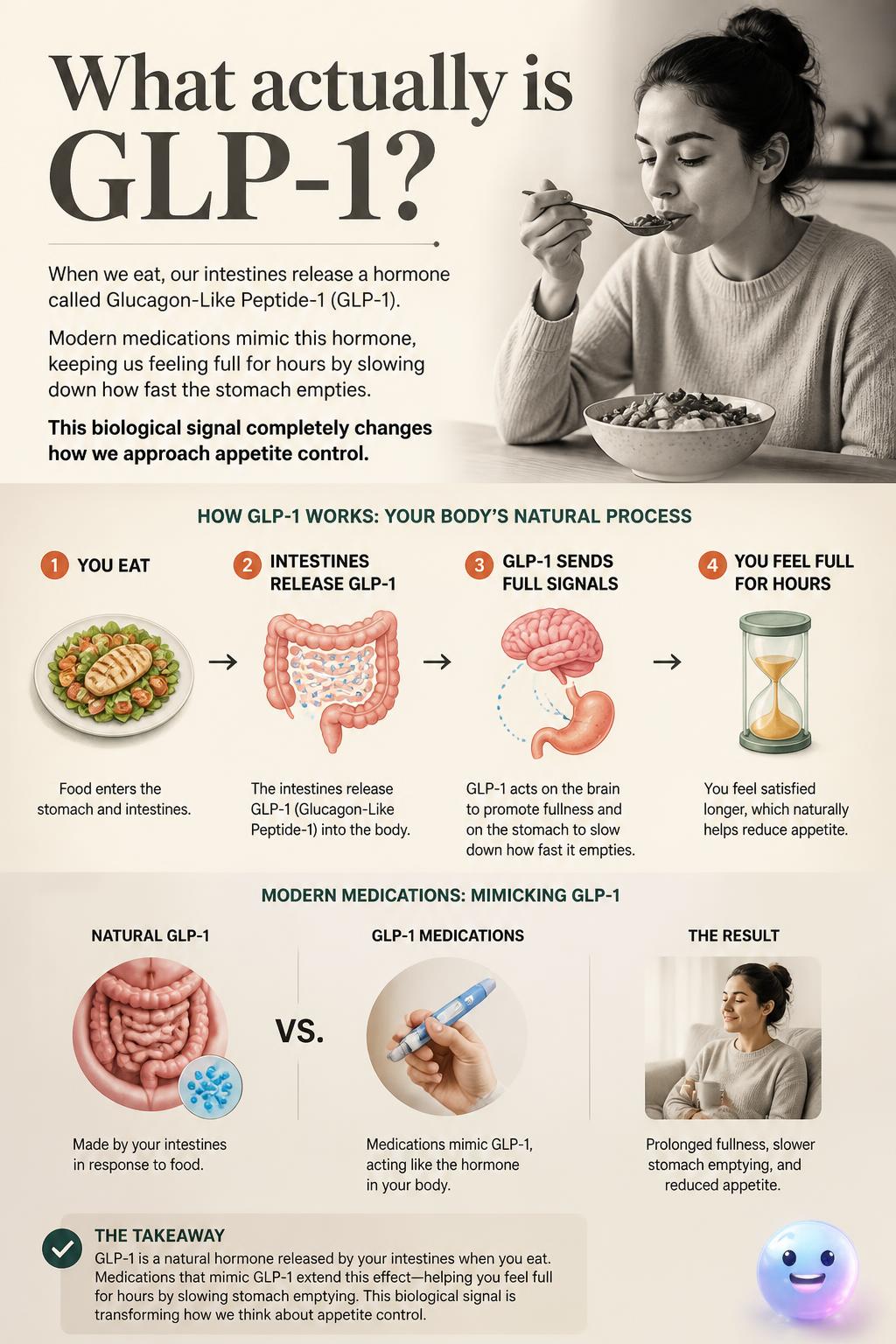
coach Modern medications mimic GLP-1, an intestinal hormone released during meals, to change appetite control by keeping us full for hours.
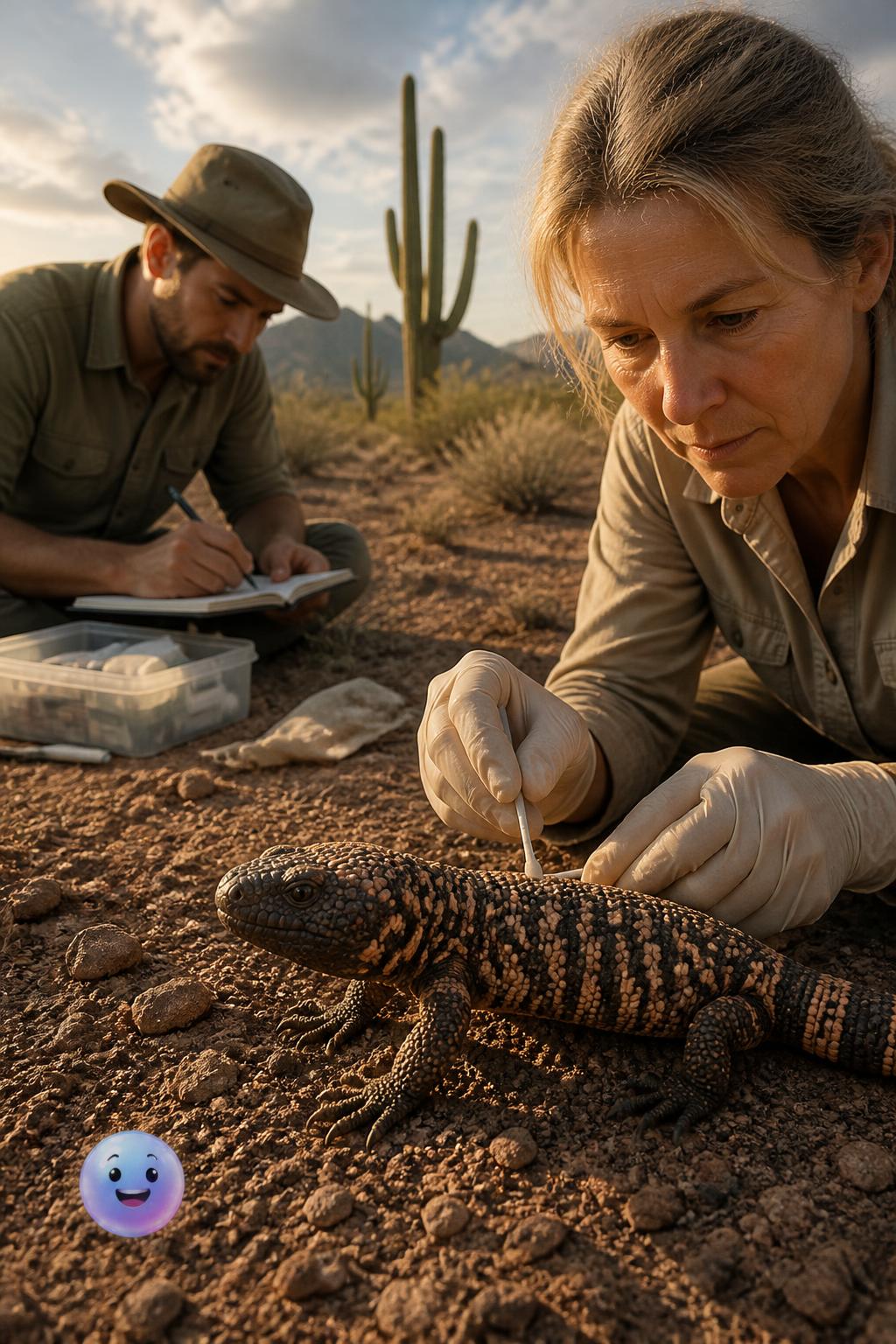
coach The southwestern lizard's natural protein mimics human hormones but lasts much longer.
coach Swipe weights and protein to discover why protecting your muscles matters during weight loss.
Venomous cure: The Gila monster's venomous saliva contains a peptide that is 53% identical to human GLP-1, helping the lizard survive on just a few meals a year.
A peptide hormone produced in the intestines that stimulates insulin secretion and helps regulate appetite. In 1983, Svetlana Mojsov identified this peptide's active sequence, paving the way for modern weight-loss medications.
What physical action does GLP-1 perform in the stomach to help you feel full longer?
Why was the lizard-derived hormone better for early medicine than natural human GLP-1?
What was the primary medical condition GLP-1 medications were originally designed to treat?
Approximately what percentage of American adults had used GLP-1 medications by 2024?