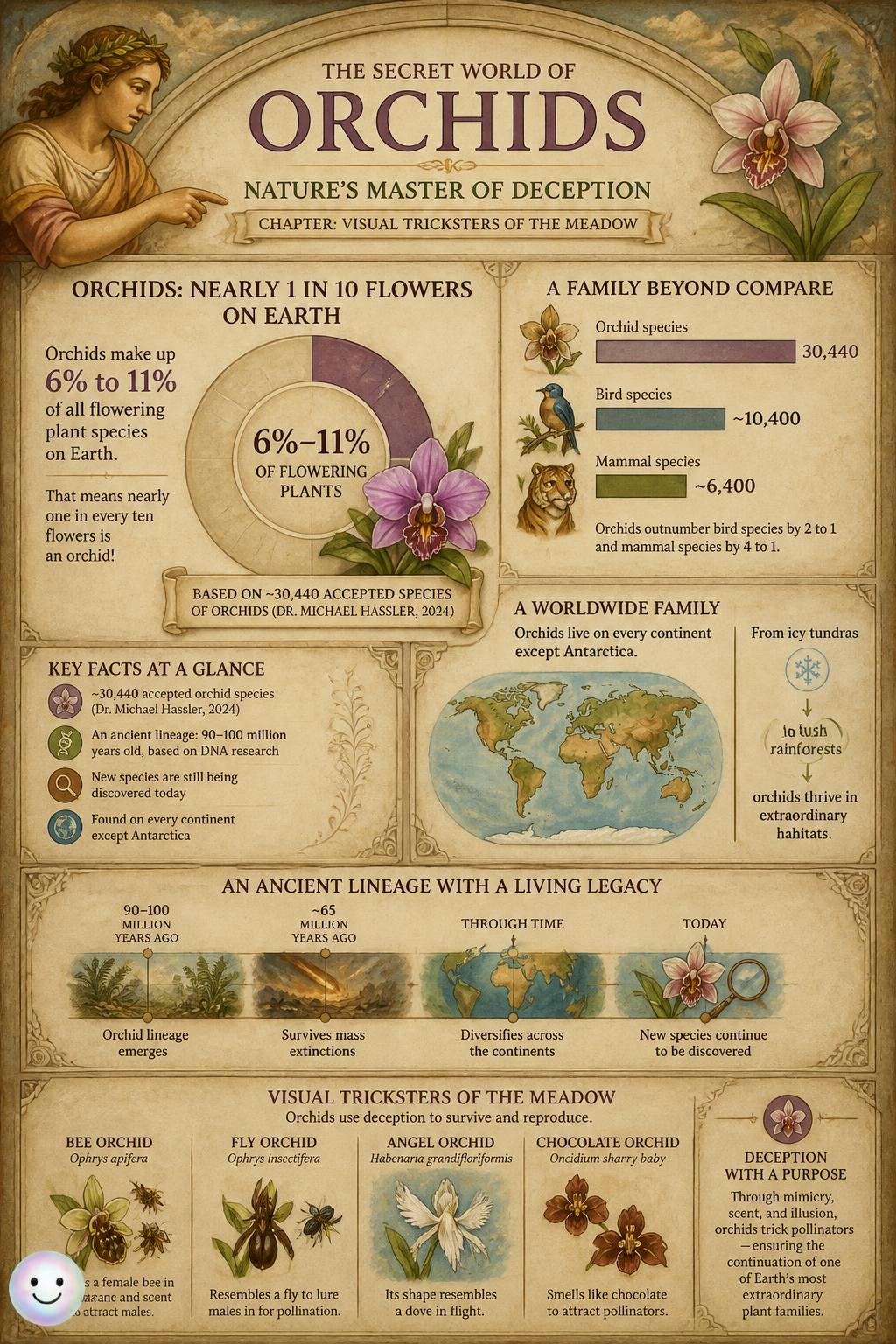
Fun fact
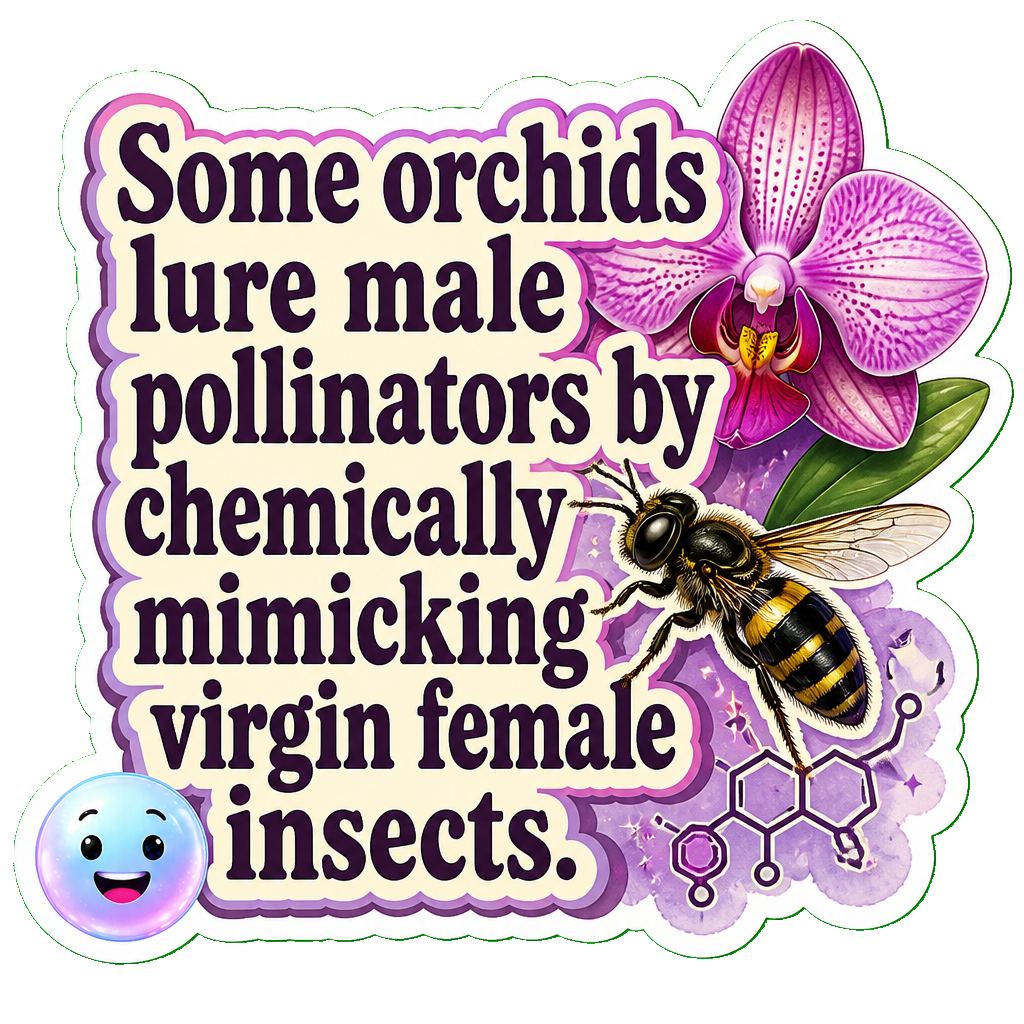
Some orchids lure male pollinators by chemically mimicking virgin female insects.
YOUR GOAL
Master of The secret world of orchids
Some orchids lure male pollinators by chemically mimicking virgin female insects.
suaz Western Australian Spider Orchids
Eight-inch petals dancing in the breeze! (Ooh, in the breeze!) Swaying in the wind to do what they please! (Yeah, do what they please!)
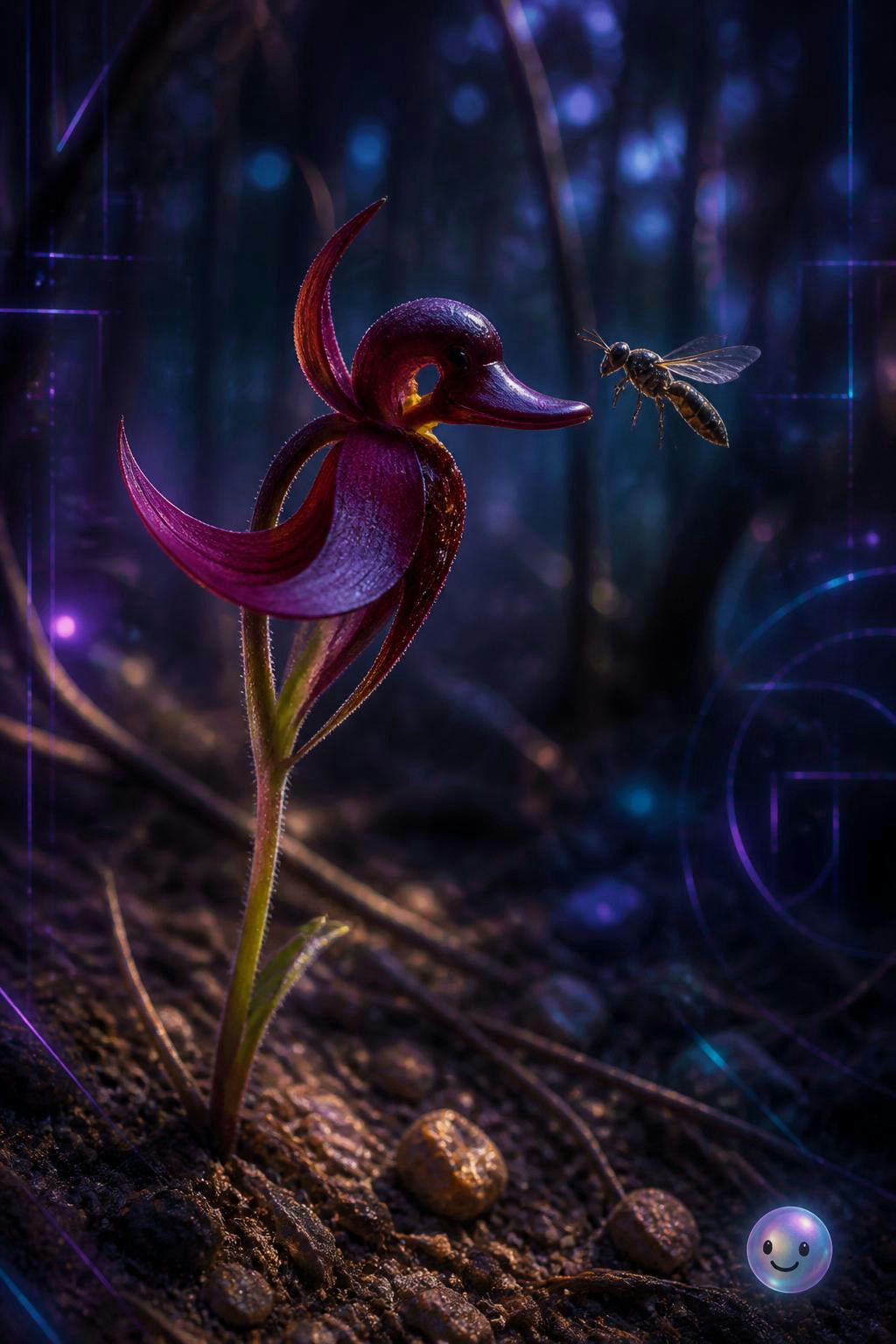
suaz Discover the wild flying duck orchid (Caleana major) of Australia, a unique flower resembling a tiny purple duck in flight.
Sticky pollinia: Deceptive meadow orchids use visual tricks to lure bugs, gluing these specialized, gluey pollen packets onto fooled insects.
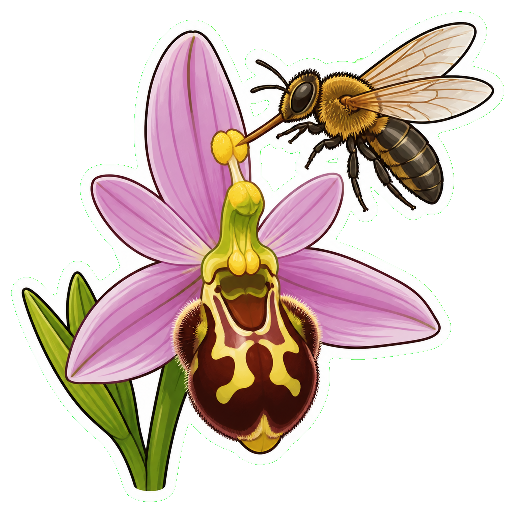
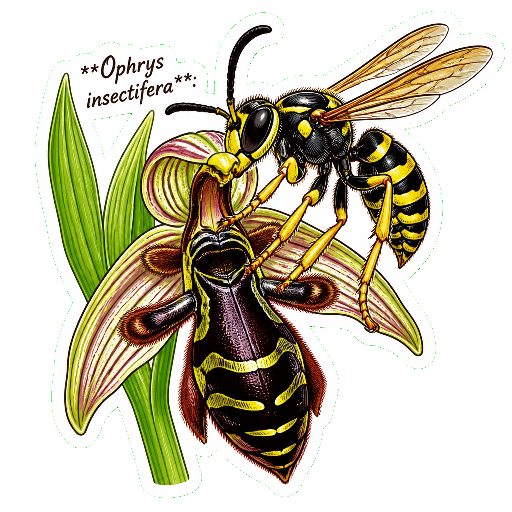
In 1862, which famous scientist published a groundbreaking book about how orchids are pollinated by insects?
artiteacher Visual tricksters of the meadow
Just a fake female wasp on a hinge to swing you into my pollen.
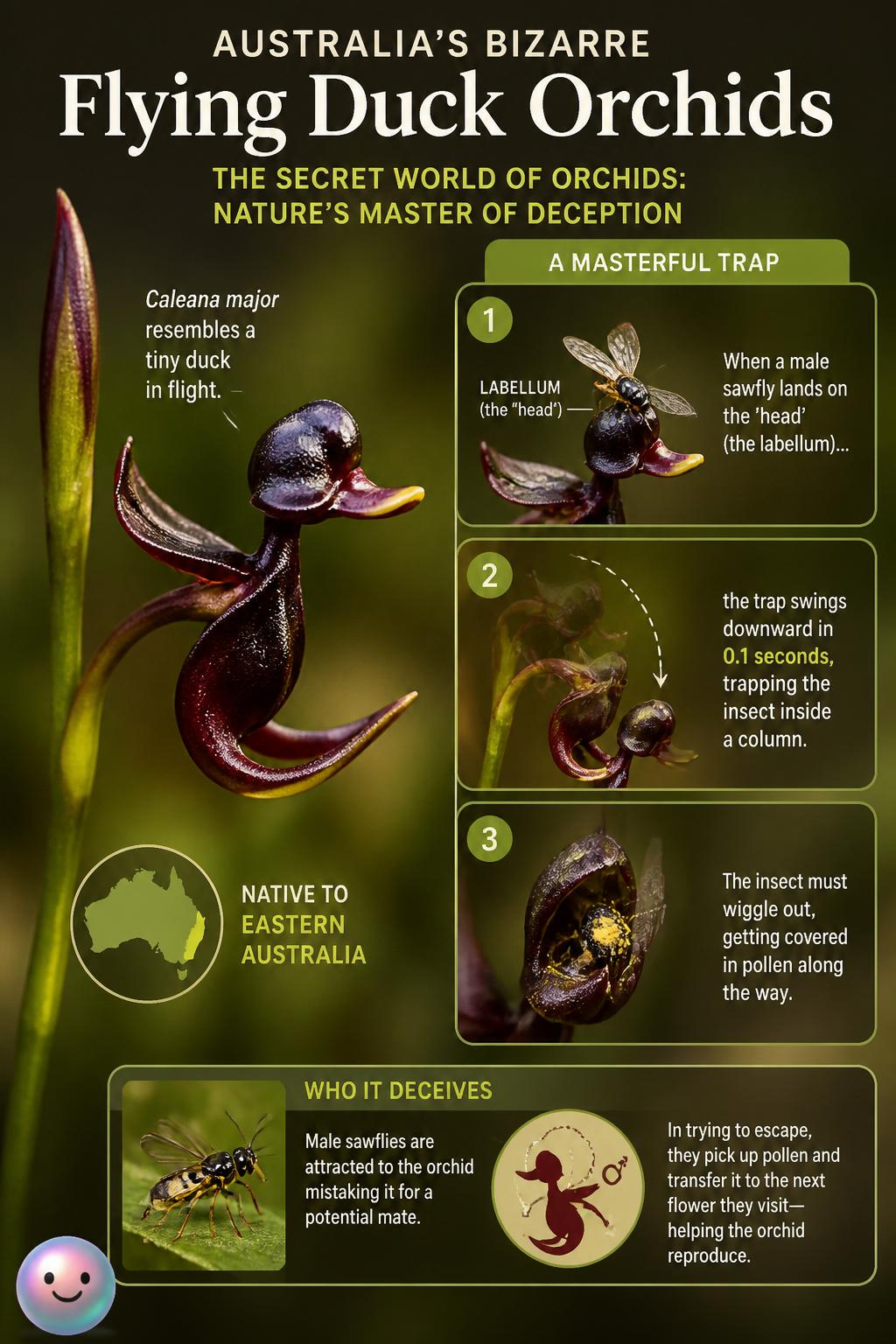
artiteacher The flying duck orchid uses a spring-loaded trap triggered by the weight of a male sawfly.
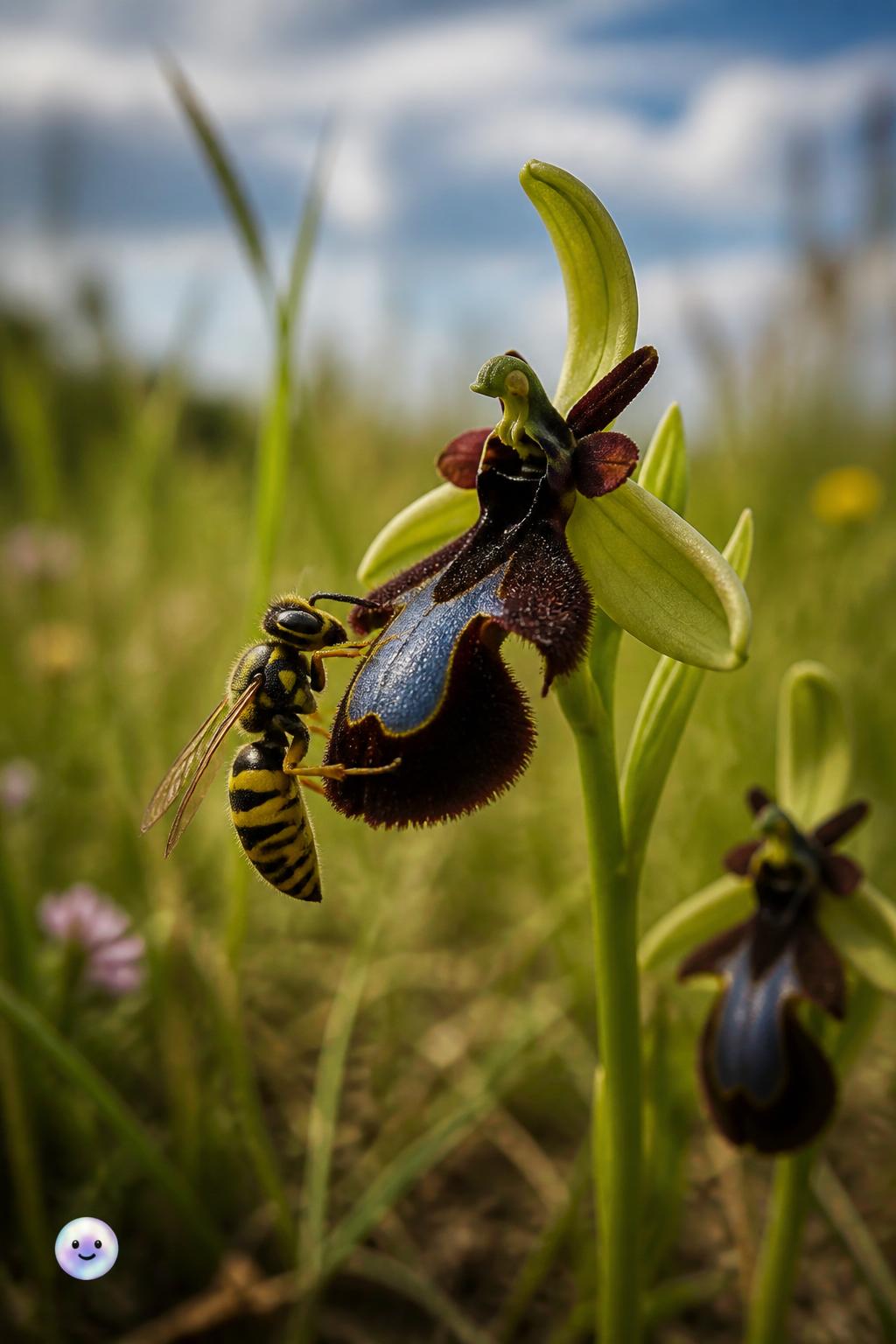
artiteacher Fly orchids use shiny patches to mimic the reflective wings of resting female digger wasps.
Orchid variety: With over 28,000 species, orchids make up about 8% of all flowering plants on Earth.
Approximately what percentage of all flowering plant species on Earth are orchids?
What are the specialized pollen packets of orchids called that stick to visiting insects?