
BETA
YOUR GOAL
Master of The story of Halloween
artiteacher Match ancient symbols to their eras to discover Halloween's true origins.
artiteacher The evolution of trick-or-treating
When you knock on a door (Hey now!) For candy and more! (Yeah-eah!) It's an old custom, you know (Oh-oh!) From 'souling' and 'guising' long ago! (Let's go!)
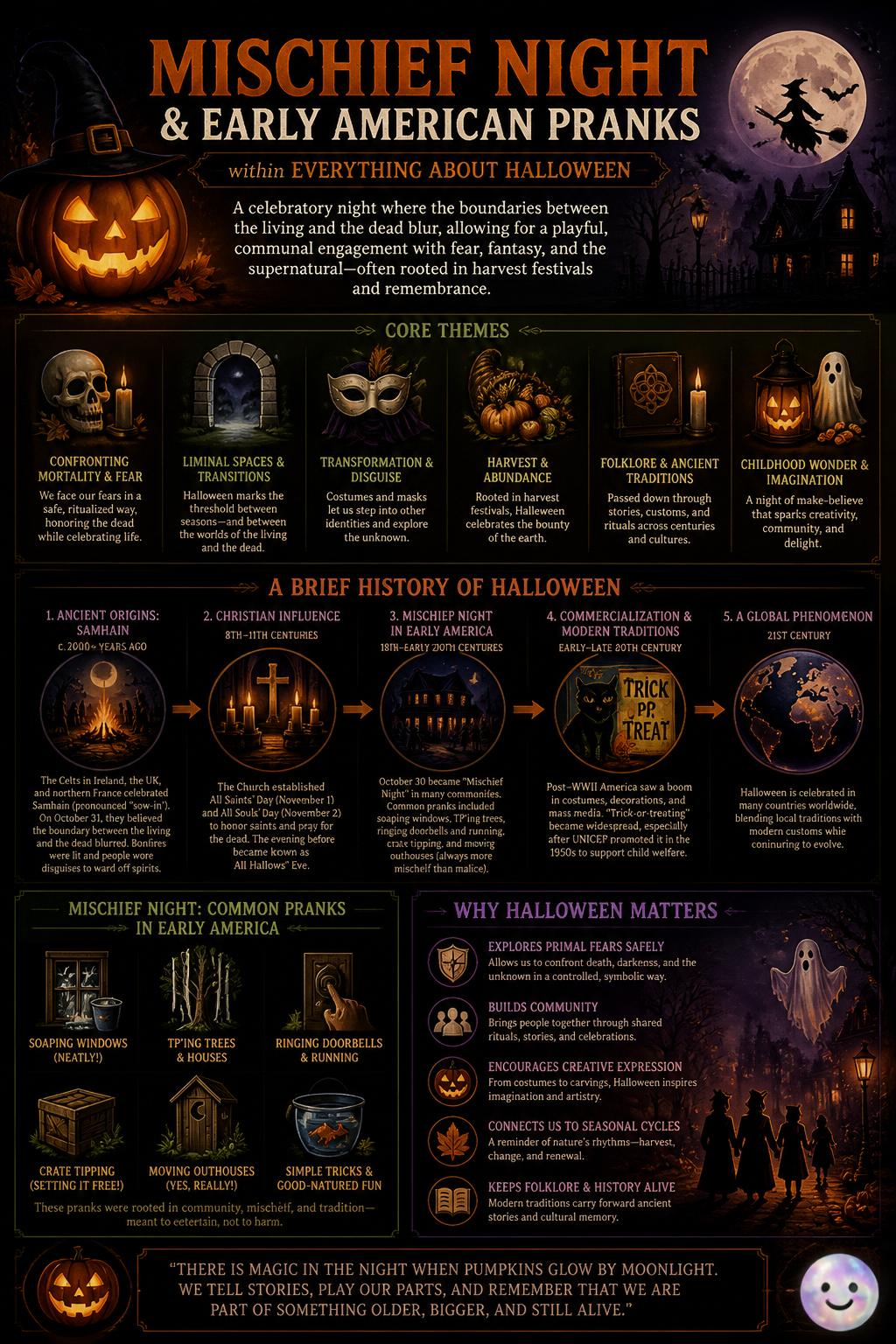
artiteacher Early American Halloween celebrations focused on tricks, pranks, and property damage rather than candy.
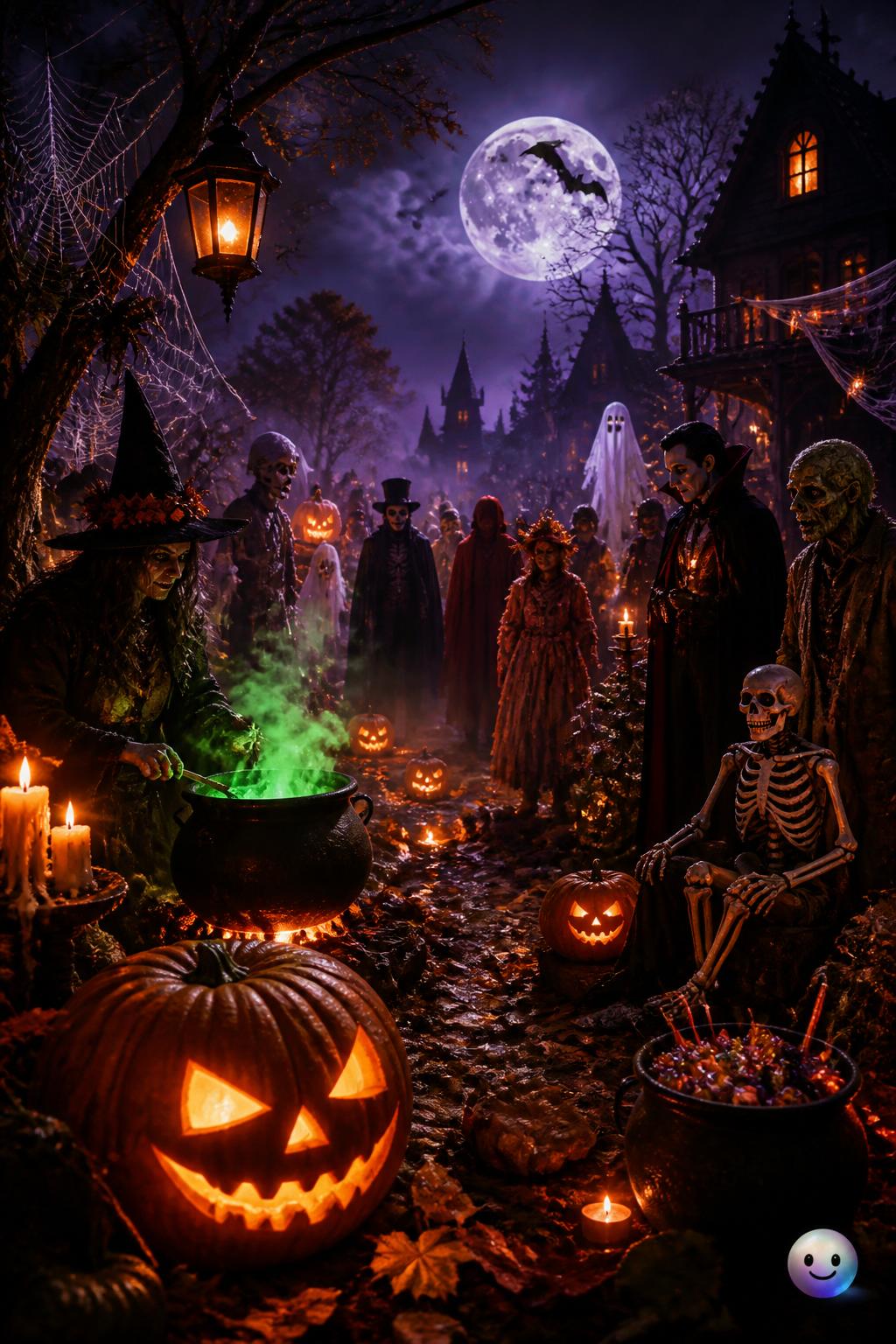
artiteacher Performers in Scotland and Ireland dressed in costume to perform short plays for food.
First trick-or-treat: The earliest known written use of the phrase 'trick or treat' appeared in a Canadian newspaper in 1927.
Before candy became dominant in the 1950s, what was a common treat given to trick-or-treaters?
What was the 16th-century Scottish and Irish practice of dressing in disguise and performing for food called?
Which group of immigrants is primarily credited with bringing Halloween traditions to North America in the 19th century?
During which decade did trick-or-treating become a widespread, mainstream custom across the United States?
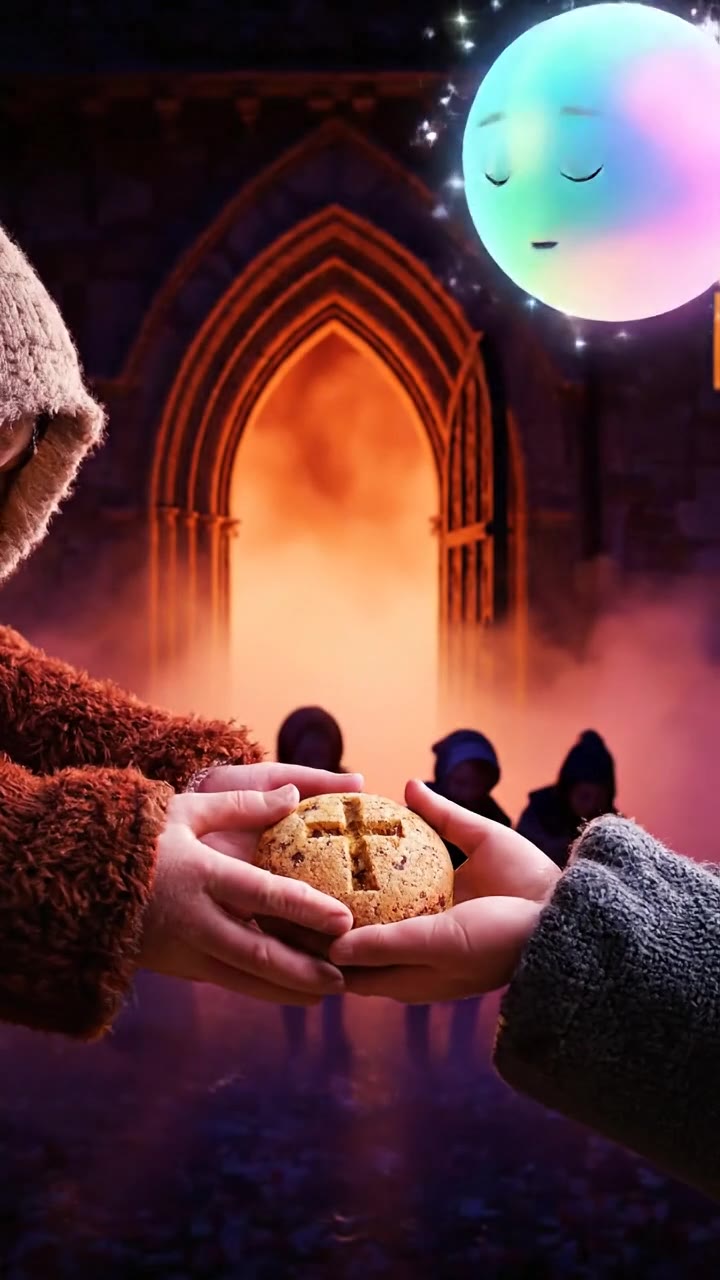
What were the small, spiced cakes given to the poor during the medieval practice of 'souling'?
In which country was the phrase 'trick or treat' first recorded in print in 1927?
What did medieval 'soulers' promise to do for homeowners in exchange for soul cakes?