A glitch in the biological matrix
Ghosts, past lives, and a French philosopher
Meet the quirky cousins of déjà vu
Recreating the mystery inside the lab
beekind In 1876, Emile Boirac wrote to the Revue Philosophique to coin the term deja vu. His letter replaced confusing terms and standardized how European scientists studied memory illusions.
What did St. Augustine call the phenomenon of déjà vu in his writings around 400 CE?

beekind Sort real memories from ghostly tricks to learn how déjà vu confuses the brain.
beekind Around 500 BCE, Pythagoras taught that déjà vu is a literal memory from a past life. This spiritual idea shaped global philosophy for over two thousand years.
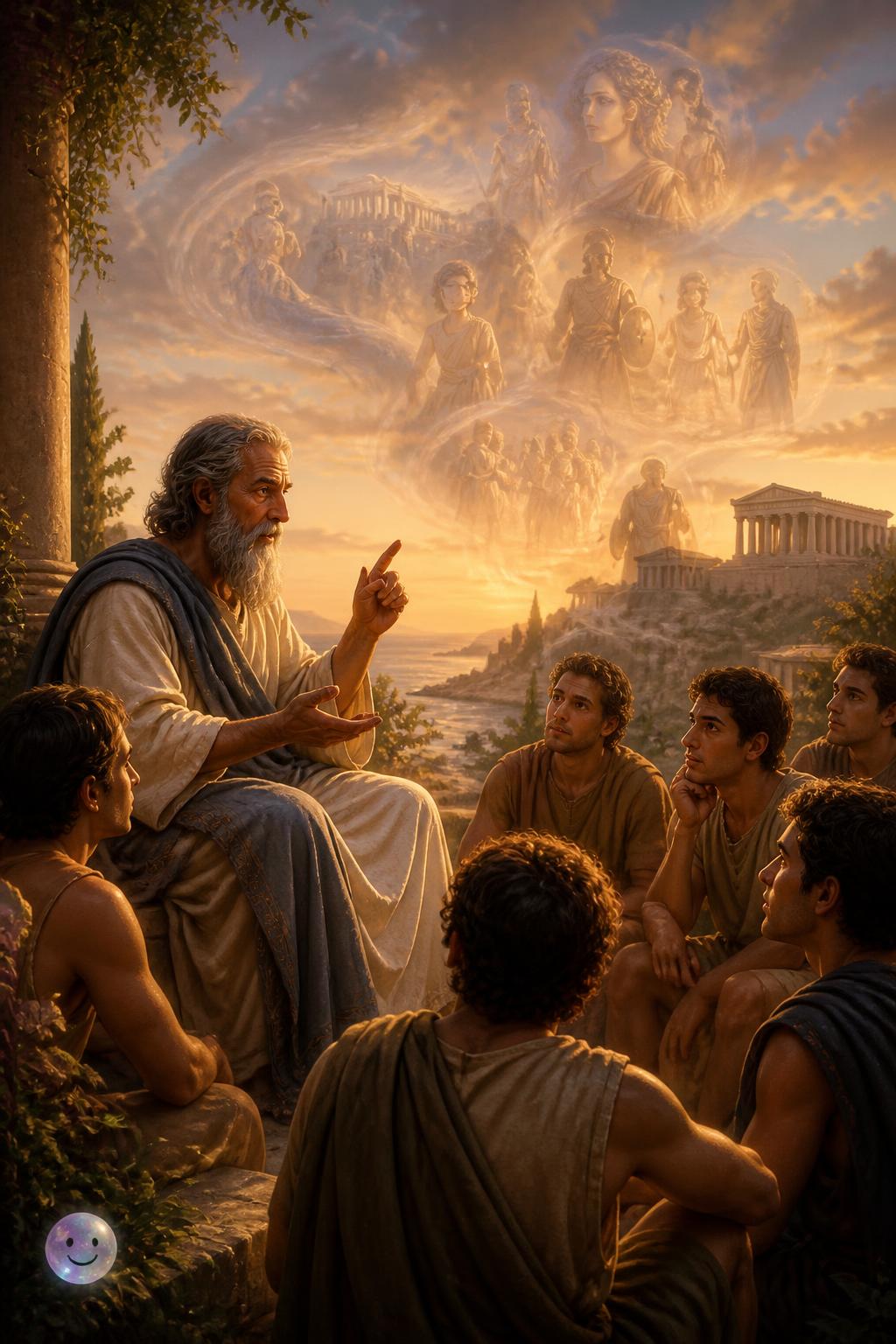
beekind Ancient philosophers viewed the eerie feeling of familiarity as evidence of past lives.
beekind Déjà Vu
Boirac saw a ghost of what we once knew, And gave a name to the phantom of déjà vu.
beekind Around 400 CE, the philosopher wrote De Trinitate to warn about falsae memoriae. His claim that demons tricked human minds stopped memory science for centuries.
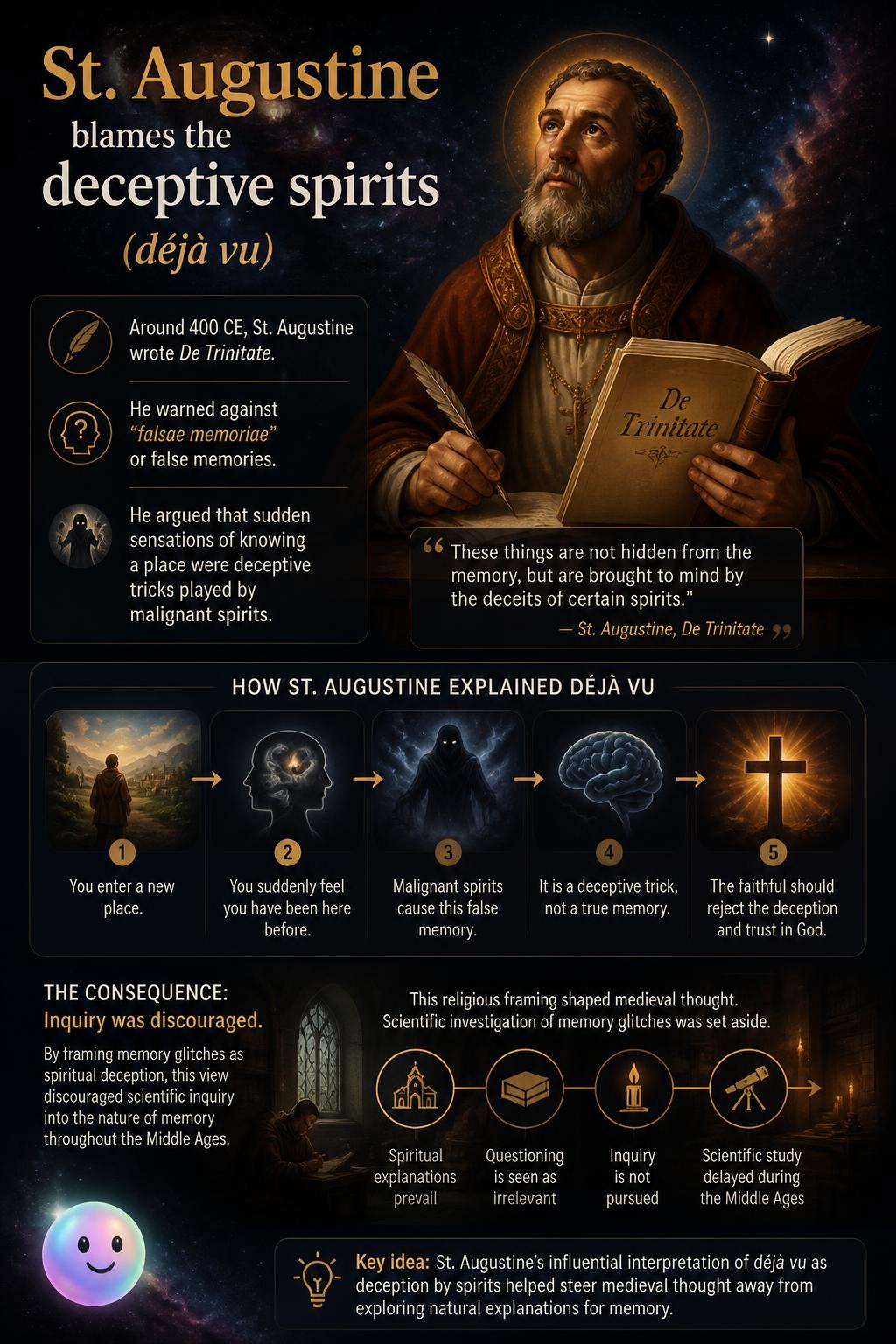
beekind A famous theologian warned that these false memories were tricks played by spirits.
In which European country did the systematic scientific study of déjà vu first gain popular traction in the late 1800s?
How did early psychoanalyst Sigmund Freud explain the psychological source of déjà vu?
Term origin: The term déjà vu was coined in 1876 by French philosopher Emile Boirac in a letter to a philosophy journal.
beekind In 1838, Charles Dickens described déjà vu in Oliver Twist. He and Walter Pater helped change supernatural mysteries from religious sins into psychological curiosities.
Before "déjà vu" became the standard term, what scientific term did 19th-century psychologists use?
In what year did French philosopher Emile Boirac first coin the term "déjà vu" in a letter?
A feeling of having already experienced the present situation. French philosopher Émile Boirac coined the term in 1876, believing the sensation stemmed from a prior incarnation.