Profile
Beekind
0 friends
Masteries
No masteries yet
beekind EEG brain scans reveal how tiny micro-seizures trigger déjà vu before epileptic seizures. These mild electrical misfires pinpoint the temporal lobe as the biological source of this eerie sensation
beekind 3D brain models show the temporal lobe's rhinal cortex firing before the hippocampus responds. This premature signal triggers a powerful feeling of recognition without any actual memory details.
beekind High dopamine levels and rapid neural development trigger frequent déjà vu between ages 15 and 25. Busy schedules and minor brain timing errors cause this illusion.
beekind Déjà Vu
A split-second misfire from my rhinal cortex makes this brand-new room feel like home.
beekind Animated pathways map the dual processing theory of vision. A millisecond delay in the left optic nerve sends duplicate images to the brain, creating the illusion of déjà vu.
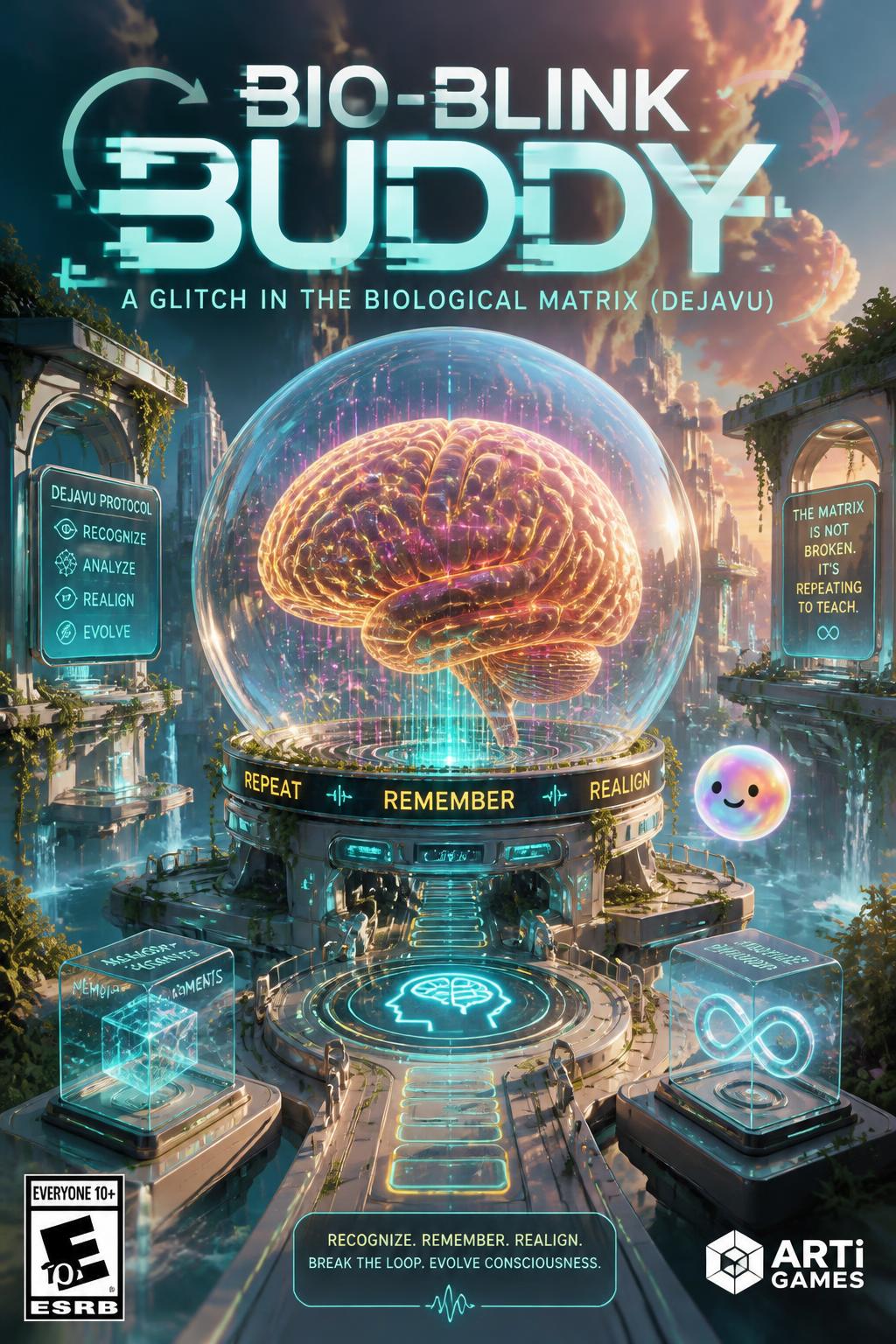
beekind Tap the blinking brain signals to learn how sensory delays trigger déjà vu.
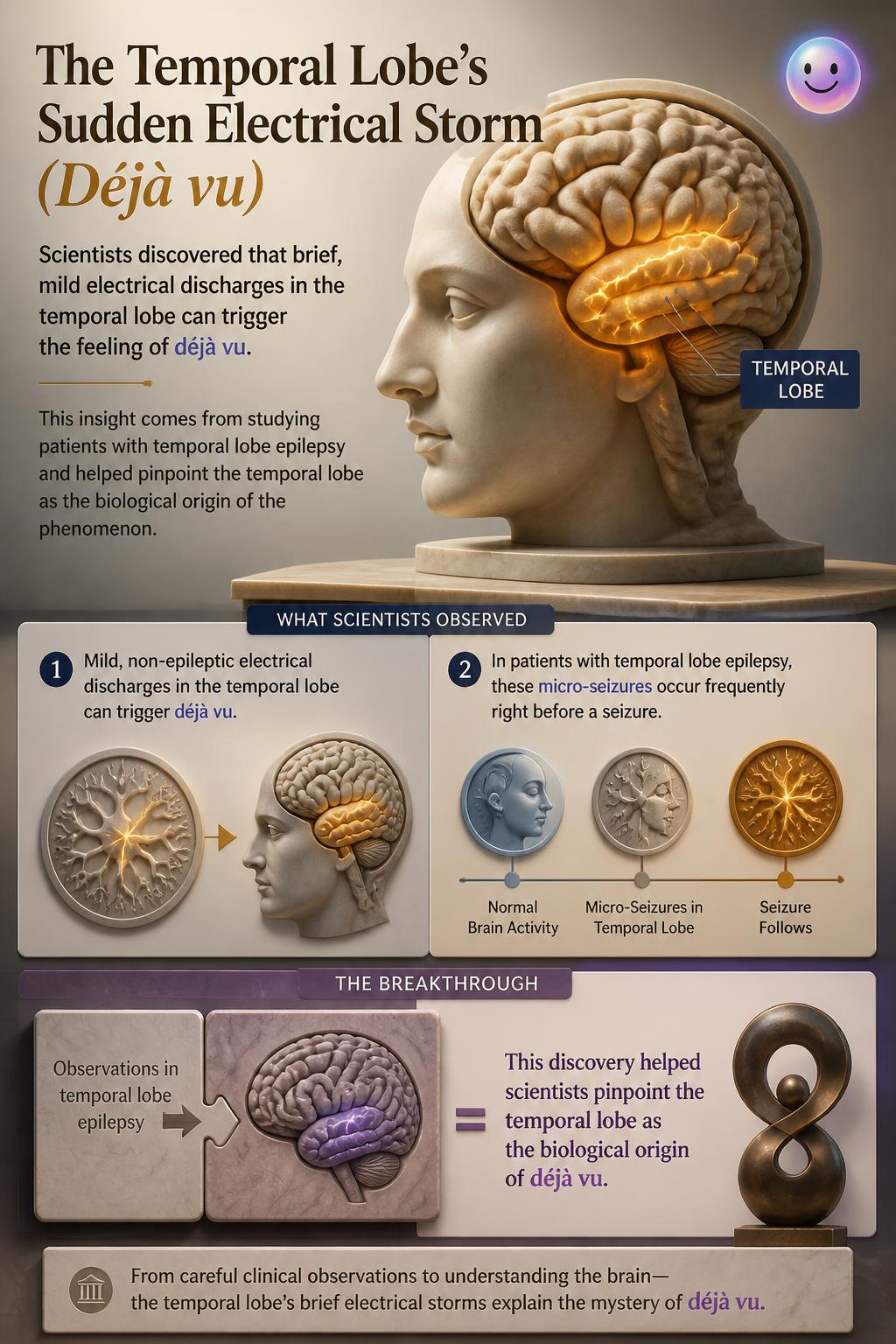
beekind Tiny, harmless electrical misfires in the brain can spark a sudden wave of familiarity.
Déjà vu peak: Young adults experience déjà vu far more often than older people, with occurrences steadily declining after age twenty-five.

beekind Your brain's familiarity detector can fire too early, bypassing your memory storage.
Which brain neurotransmitter is most closely linked to the chemical triggers of déjà vu?
Do you believe déjà vu is a brain glitch?
The dual processing theory suggests déjà vu is caused by what neurological event?
How does the frequency of déjà vu change as healthy people grow older?
What is the medical term for the brain area that signals familiarity before the hippocampus processes a memory?
What percentage of the global population is estimated to have experienced déjà vu at least once?
Which age group experiences déjà vu most frequently according to scientific studies?
Which lifestyle trigger is most commonly associated with an increase in déjà vu frequency?
What physiological event can mimic déjà vu in patients with temporal lobe epilepsy?