
BETA
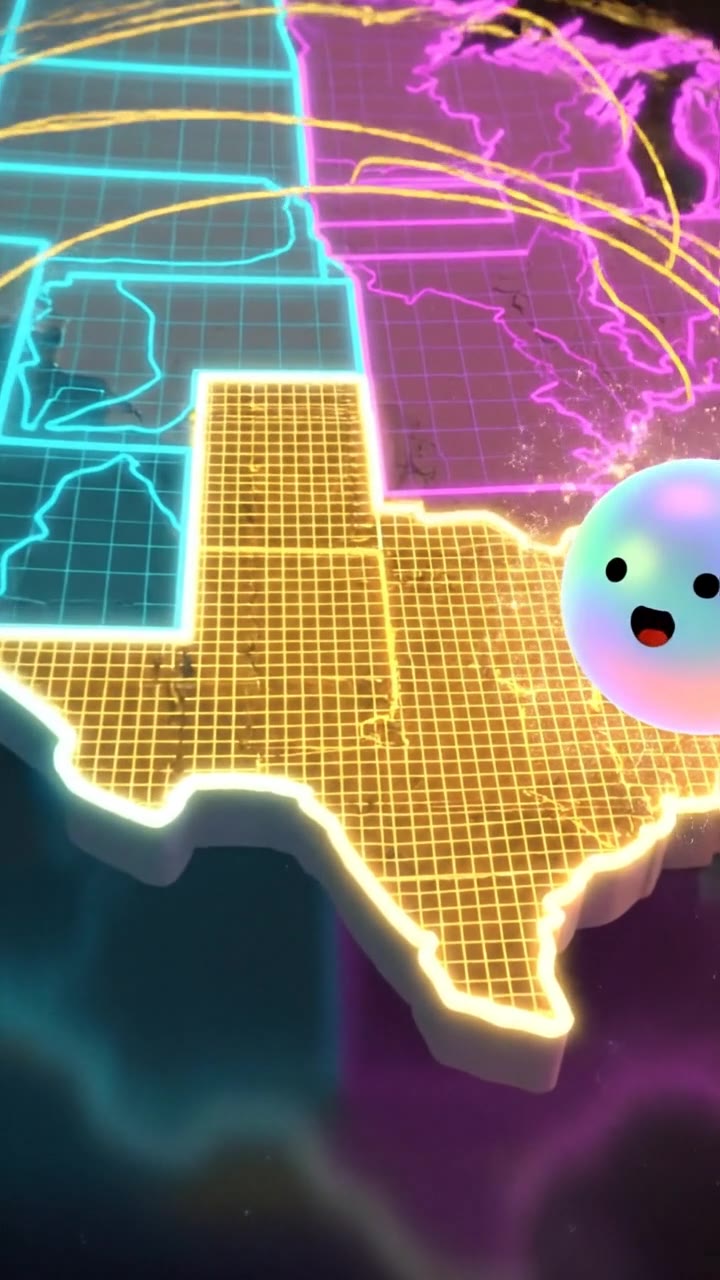
North America's power grid is divided into three parts: the Eastern Interconnection, the Western Interconnection, and the Texas Interconnection. While the Eastern and Western grids span multiple states, the Texas Interconnection is almost entirely self-contained. This unique setup makes Texas the only contiguous US state with its own independent grid.
nic Texas Power Grid
Texas chose its own grid, ERCOT, Stands apart, keeps power here, Avoids federal oversight.
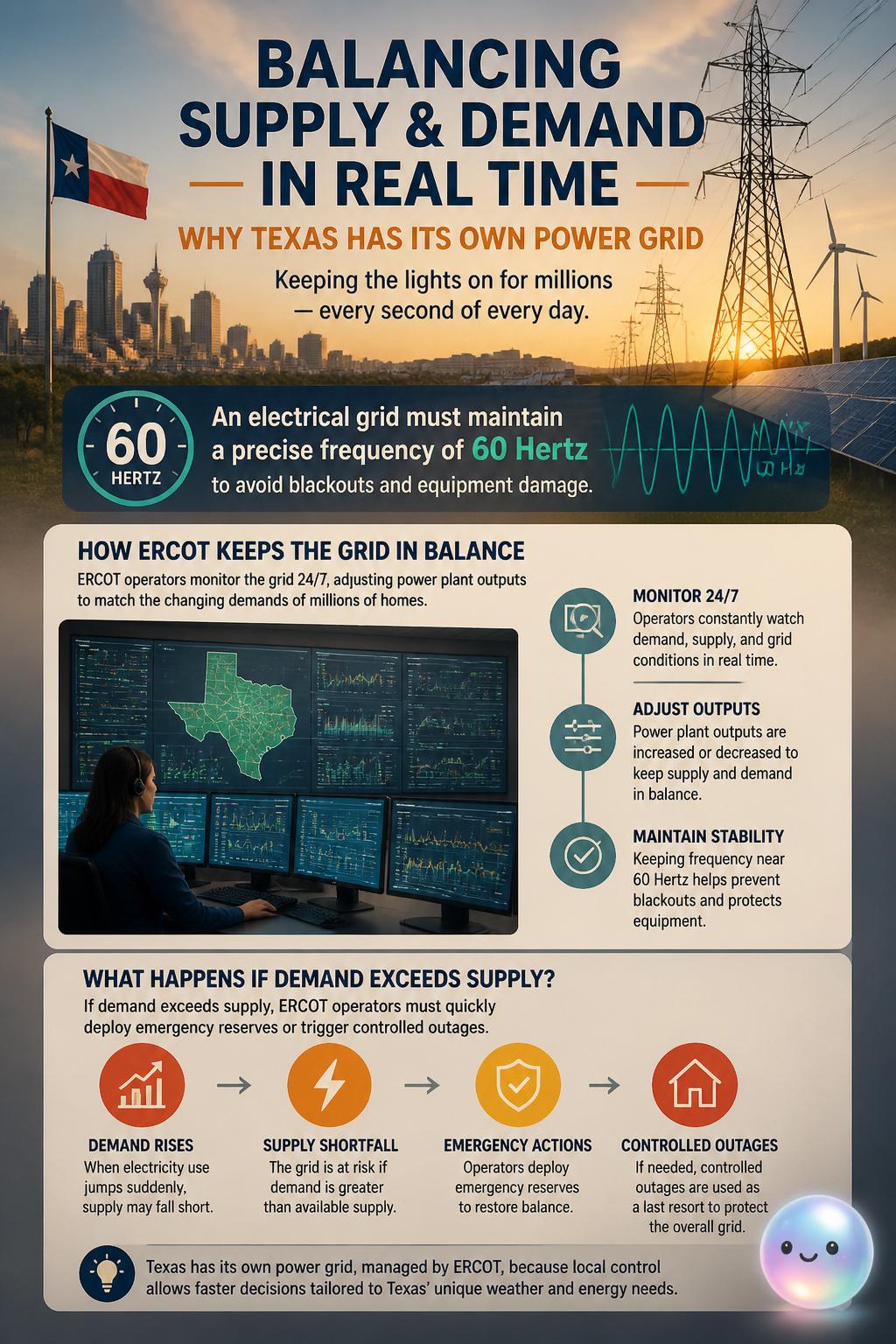
nic Because electricity cannot be easily stored in large quantities, ERCOT must match power generation with usage every second.
Speedy current: Electricity travels through power grid transmission lines at nearly the speed of light, roughly 186,000 miles per second.
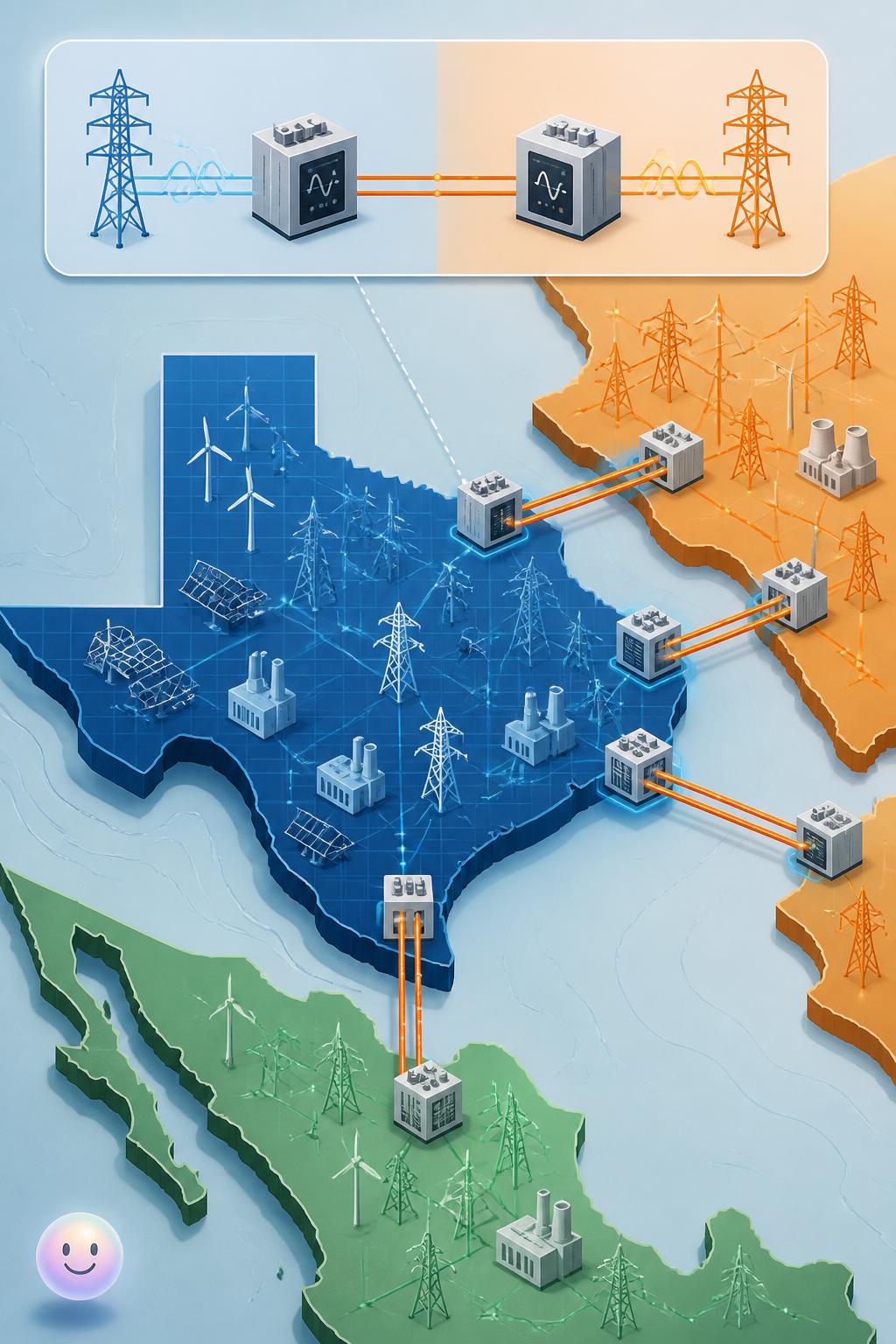
nic Texas uses specialized direct-current ties to import and export limited power without legally joining the national grids.
Why would a standard Alternating Current (AC) connection to another state legally change the status of the Texas grid?
Approximately how many miles of high-voltage transmission lines are managed within the ERCOT network?
What specialized technology does Texas use to import and export power without triggering federal regulations?
What must ERCOT grid operators constantly balance in real time to keep the electrical grid stable?
What is the primary function of local electrical substations found throughout neighborhoods?
In addition to the United States, which neighboring country does the Texas grid connect to via DC ties?