Magical girls and female empowerment in Shojo
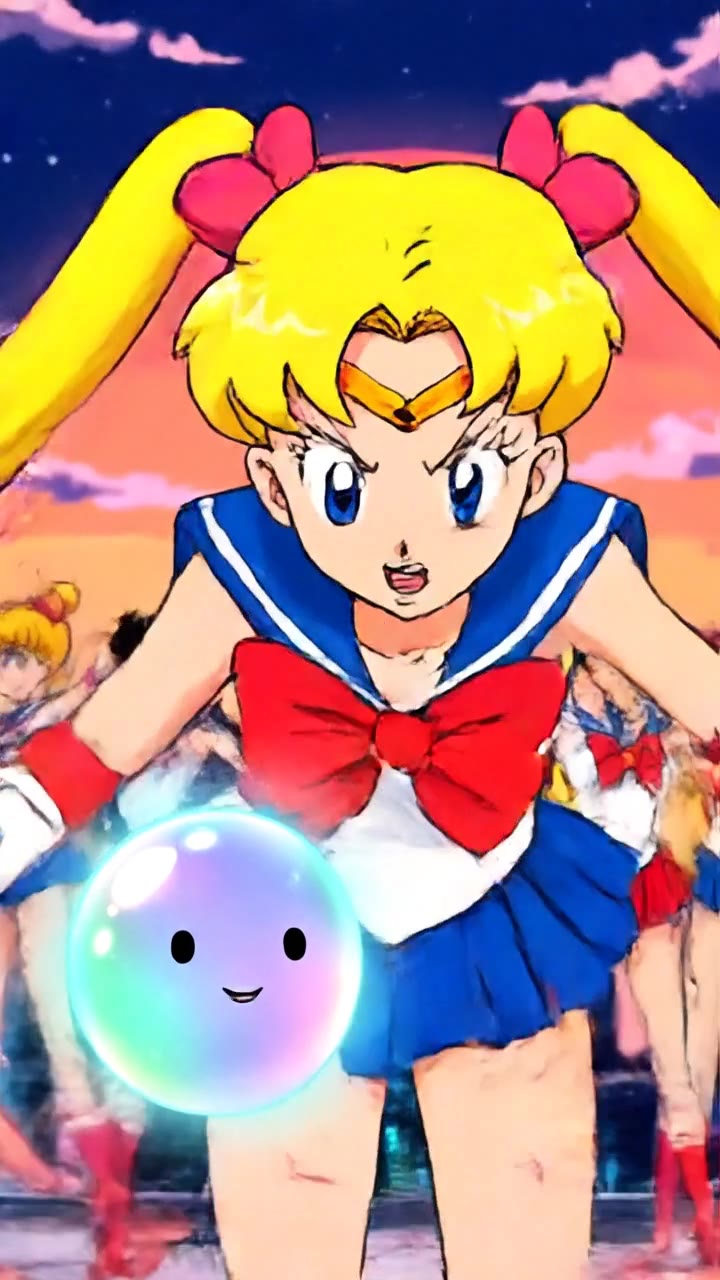
While early magical girl shows focused on domestic fantasy, Sailor Moon in 1992 revolutionized the genre. It combined traditional female-targeted romance with action-packed team dynamics, empowering a generation of young female viewers globally.
From woodblocks to celluloid
The magic behind the drawing board
Decoding the genres and tropes
A global cultural phenomenon
yuki Anime like Gundam turned giant robots into weapons of war, reflecting real-world military anxieties.

yuki Sailor Moon revolutionized magical girl anime in 1992, empowering young female viewers through action and teamwork.
yuki Shonen anime like Dragon Ball reflect Japanese values of effort and teamwork over individual glory.
yuki Meaning another world, Isekai anime offers tired viewers a fantasy of rebirth and instant competence.
yuki Decoding the genres and tropes
Those big anime eyes started with Mickey and a little deer named Bambi!

yuki The Mecha genre uses giant piloted robots to explore Japan's complex relationship with technology and nuclear trauma.
Gundam's real inspiration: The design of the original Gundam robot's head was inspired by traditional samurai helmets called kabuto.

yuki The Shojo genre evolved to give young girls powerful, complex protagonists who save the world while embracing femininity.
A significant or recurrent theme, motif, or device in a literary or creative work. Osamu Tezuka's 1963 series Astro Boy pioneered many foundational narrative and visual tropes in Japanese animation.
Which psychological 1995 Mecha anime explored deep philosophical themes and teenage anxiety?
In modern Isekai anime, what common trope is often used to transport the protagonist to another world?
Which 1992 anime series revolutionized the 'magical girl' genre by adding team-based action elements?