
Which classic anime style looks cooler?
From woodblocks to celluloid
The magic behind the drawing board
Decoding the genres and tropes
A global cultural phenomenon
yuki In 1963, Tezuka created Astro Boy using fewer frames, establishing the standard for weekly anime.
yuki Postwar animators adapted classic woodblock print principles, using bold outlines and flat colors, to shape anime's look.
yuki In 1917, Oten Shimokawa drew on chalkboards to create Japan's first professional animated film.
yuki During Japan's 1960s television boom, sponsors, publishers, and toy makers funded ambitious anime series together.
yuki From woodblocks to celluloid
Edo's flat woodblock prints carved the lines that make our screens come alive!

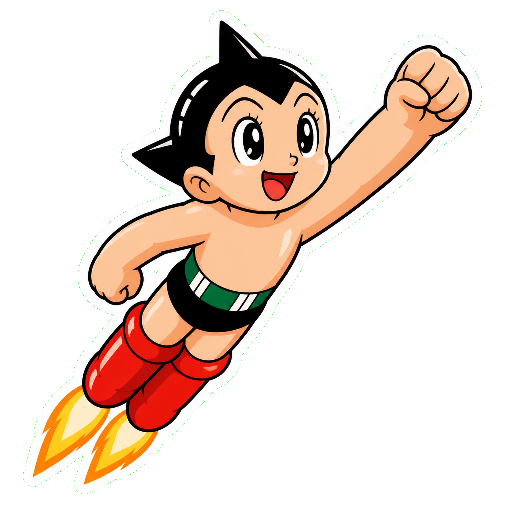
yuki Osamu Tezuka revolutionized the industry in 1963 by introducing cinematic camera angles and large, expressive eyes.
Astro Boy's name: Astro Boy is known as 'Tetsuwan Atomu' in Japan, which literally translates to 'Iron Arm Atom.'
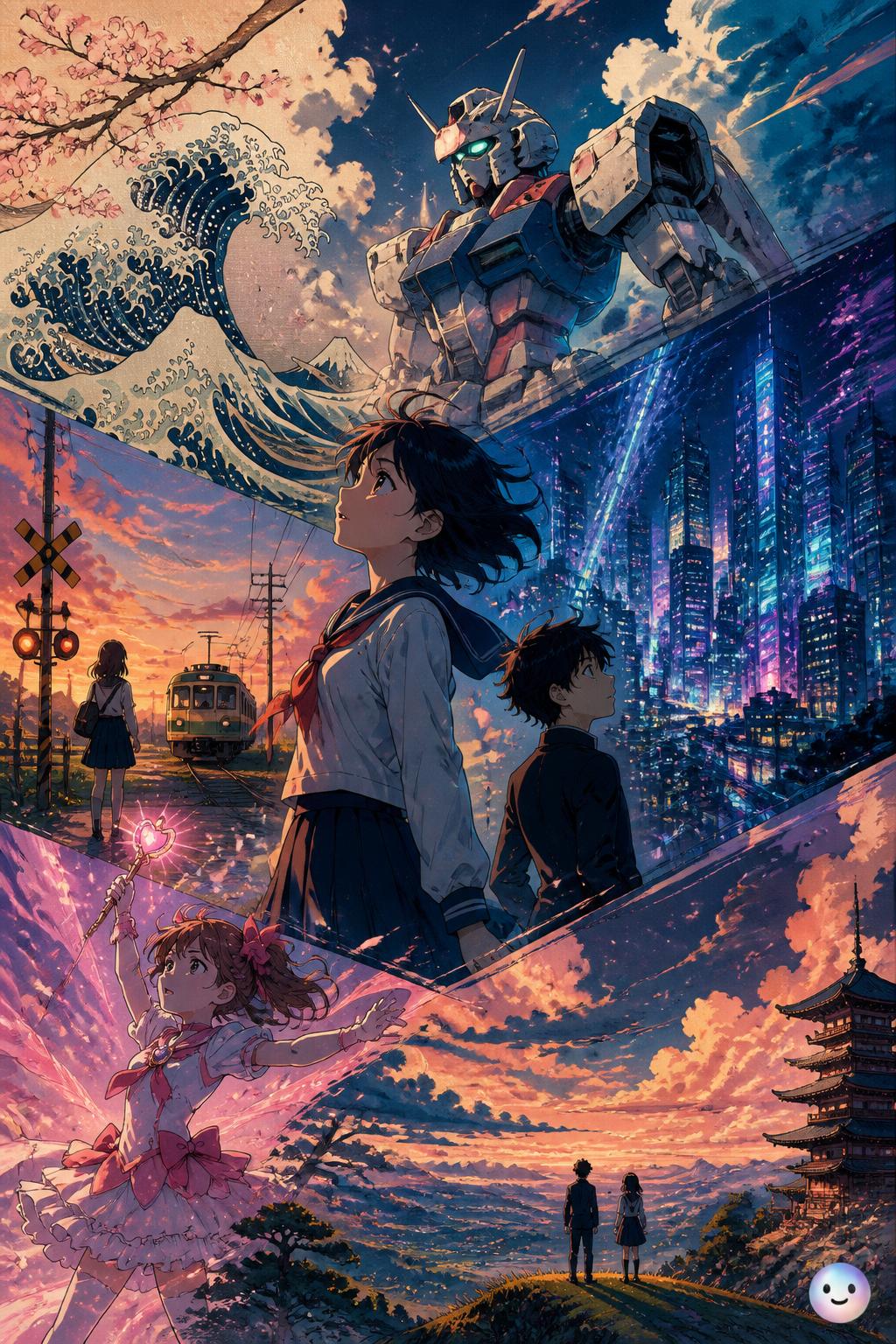
yuki Traditional Japanese Ukiyo-e woodblock prints heavily influenced the flat, expressive art style of modern anime.
A transparent sheet of plastic on which characters are drawn or painted for traditional hand-drawn animation. Japanese animators like Noburo Ofuji adopted these sheets in the 1930s to replace traditional woodblock-printed papers.
Which traditional Japanese art style, known for bold outlines and flat colors, heavily influenced early anime?
Why did early TV anime studios like Mushi Production use 'limited animation' techniques?
In what year did Japan's first professional animated short film, Dekoboko Shin Gacho, debut?
What is the primary function of a 'production committee' in the Japanese anime industry?
What was the title of Osamu Tezuka's groundbreaking 1963 television series about a robotic boy?
During World War II, what was the primary purpose of Japan's first feature-length animated film, Momotaro's Divine Sea Warriors?