Chapter 1
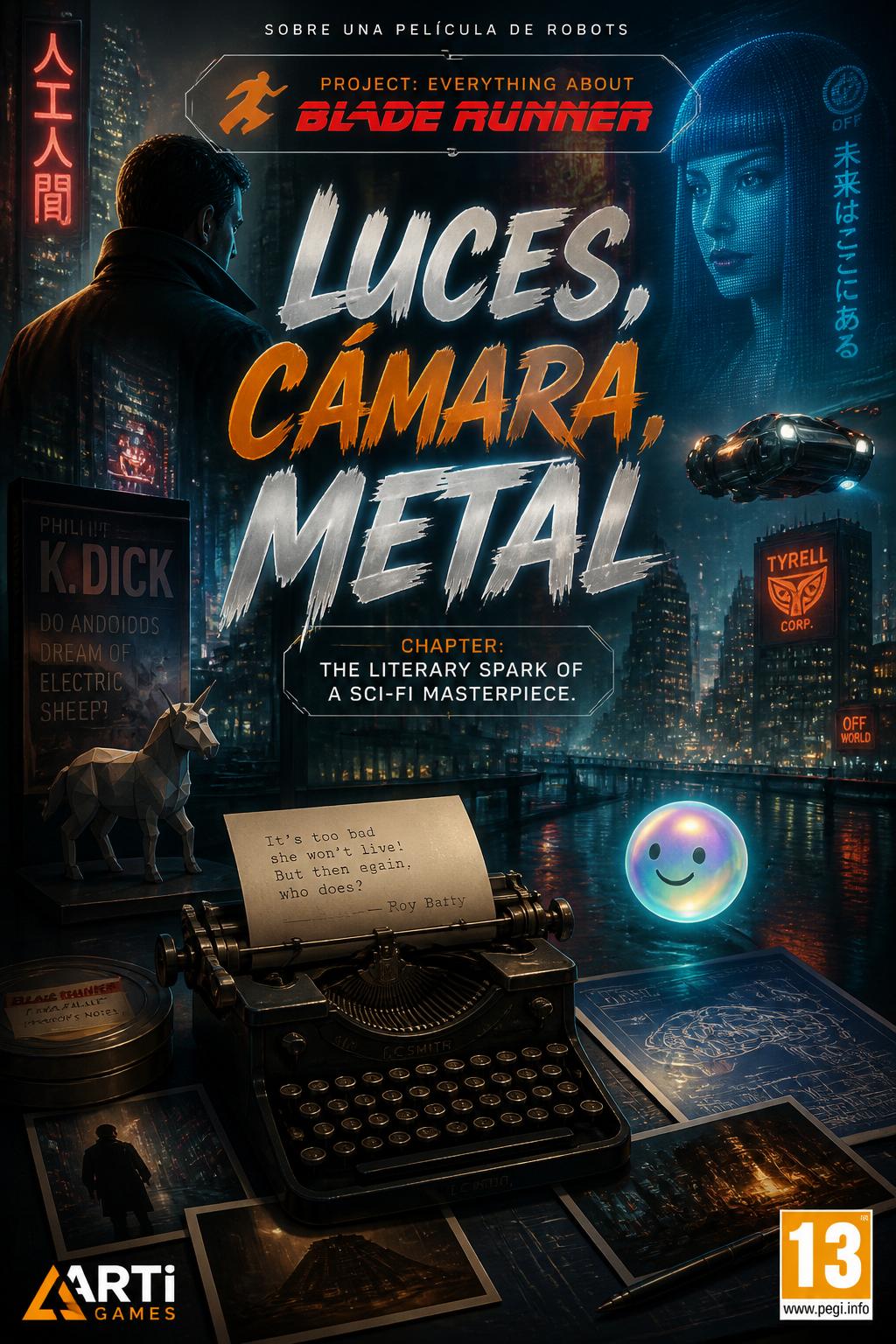
The literary spark of a sci-fi masterpiece
Chapter 2
Building the neon world of tomorrow
Chapter 3
The music and sound of the future
Chapter 4
Replicants and what makes us human
YOUR GOAL
Master of The world of Blade Runner
Ch 1 · The literary spark of a sci-fi masterpiece
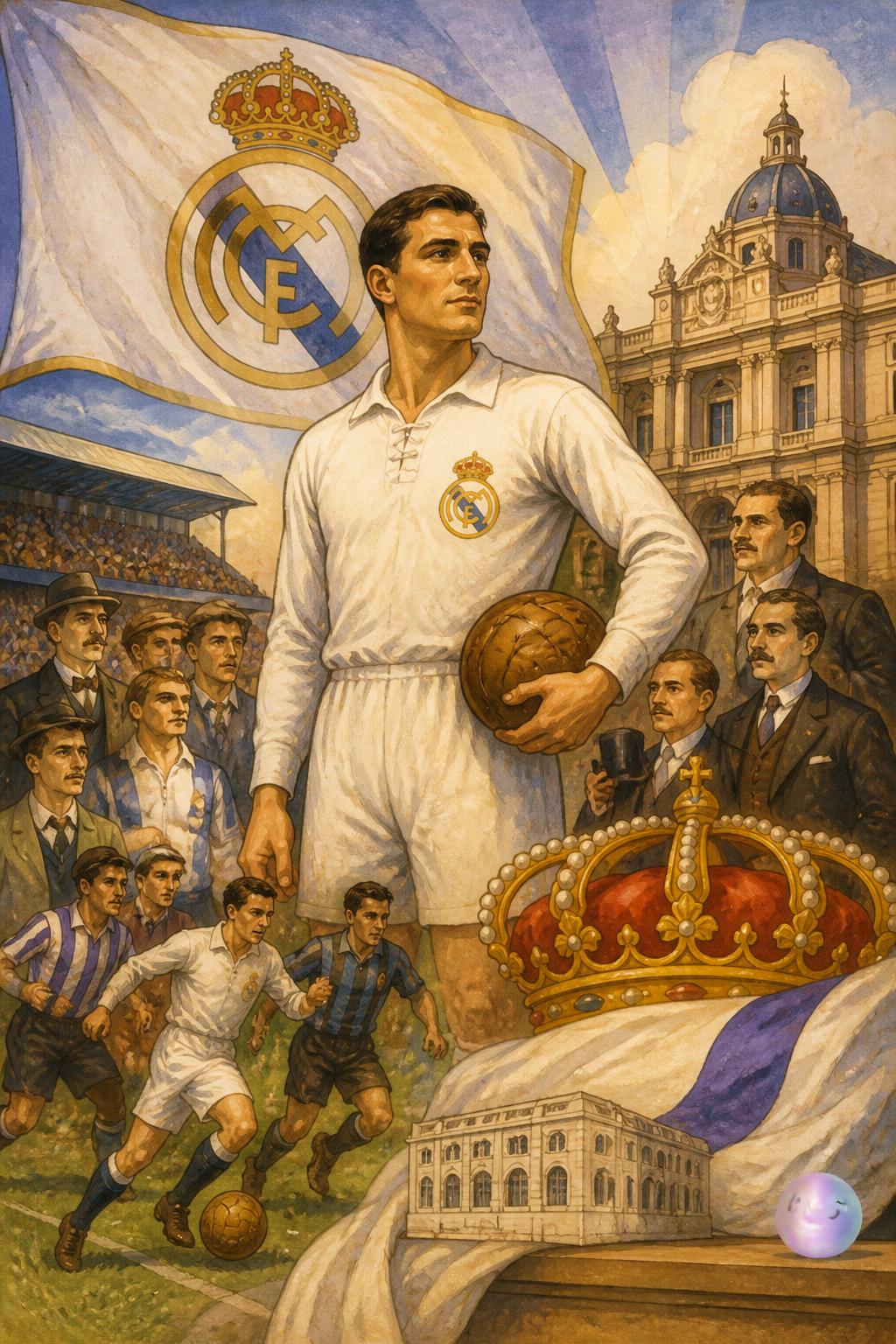
raul Blade Runner Name Origin
For the film Blade Runner, a future so grand, The name came from books about medical contraband.
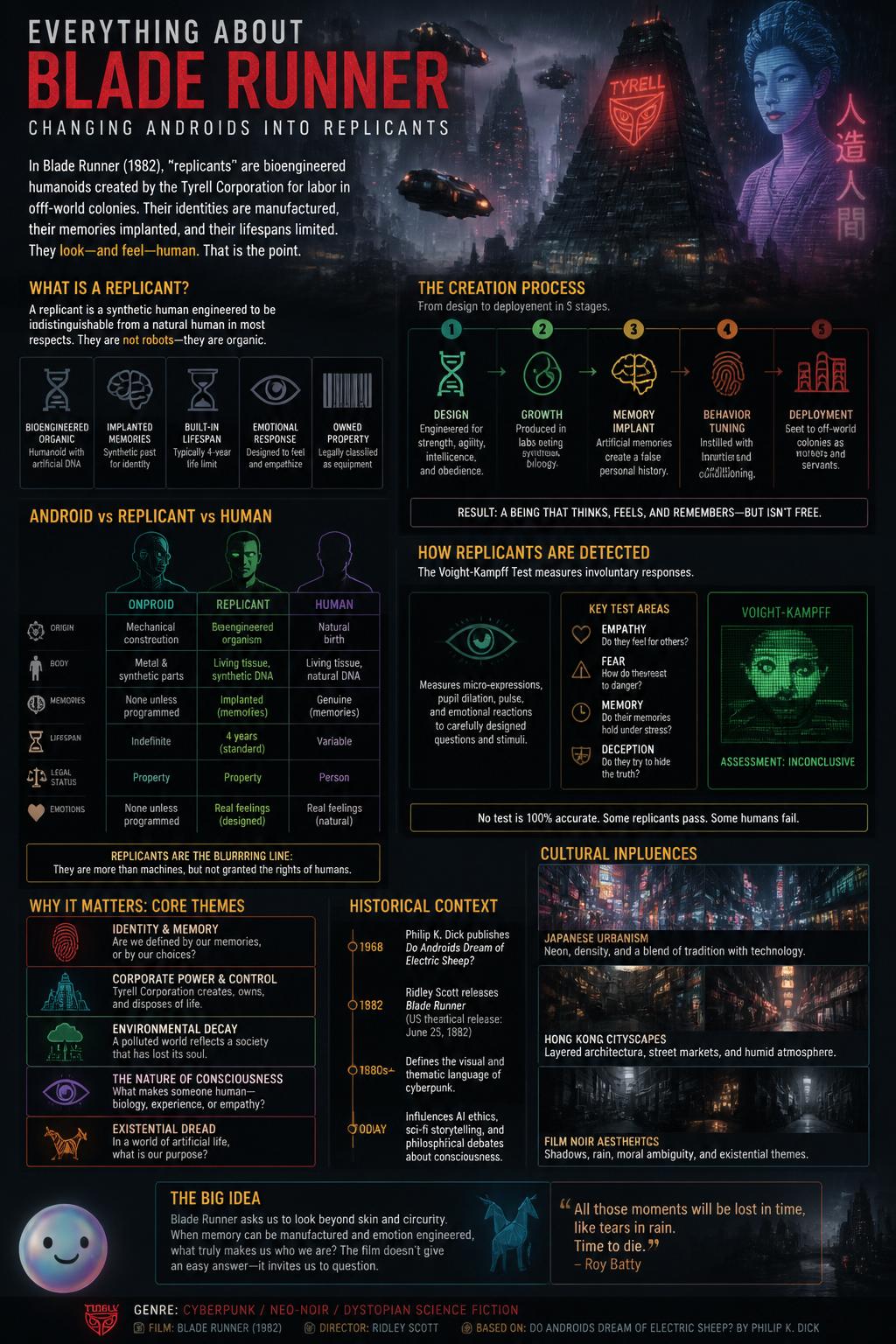
futura Explore the evolution of Blade Runner's artificial humans with this visual infographic tracing the shift from androids to replicants.
Fun Fact
Título comprado: Ridley Scott compró el título Blade Runner de una novela de ciencia ficción médica de Alan E. Nourse, que no tenía relación con la trama.
Glossary
novel (noun)
A fictitious prose narrative of book length, typically representing character and action with some degree of realism. Philip K. Dick's 1968 science fiction novel served as the basis for Ridley Scott's 1982 film.
A fictitious prose narrative of book length, typically representing character and action with some degree of realism. Philip K. Dick's 1968 science fiction novel served as the basis for Ridley Scott's 1982 film.
Quiz
Before his passing in March 1982, author Philip K. Dick was shown a special preview reel of the visual effects for the film 'Blade Runner,' which was adapted from his novel 'Do Androids Dream of Electric Sheep?'. What was his reaction to this footage?
Note
Ese tema habla mucho de complicar ya que pues tiene que escapar la persona del otro personaje para poder salvar todo lo que se puede el razonamiento no está la clave ya que puedas
Fun Fact
Electric sheep: In the original novel, Deckard owns an electric sheep because real animals are incredibly rare and expensive.
Quiz
When adapting the novel 'Do Androids Dream of Electric Sheep?' into the 1982 film 'Blade Runner', why did the filmmakers choose to use the newly coined term 'replicant' instead of the book's original word, 'android'?