

BETA
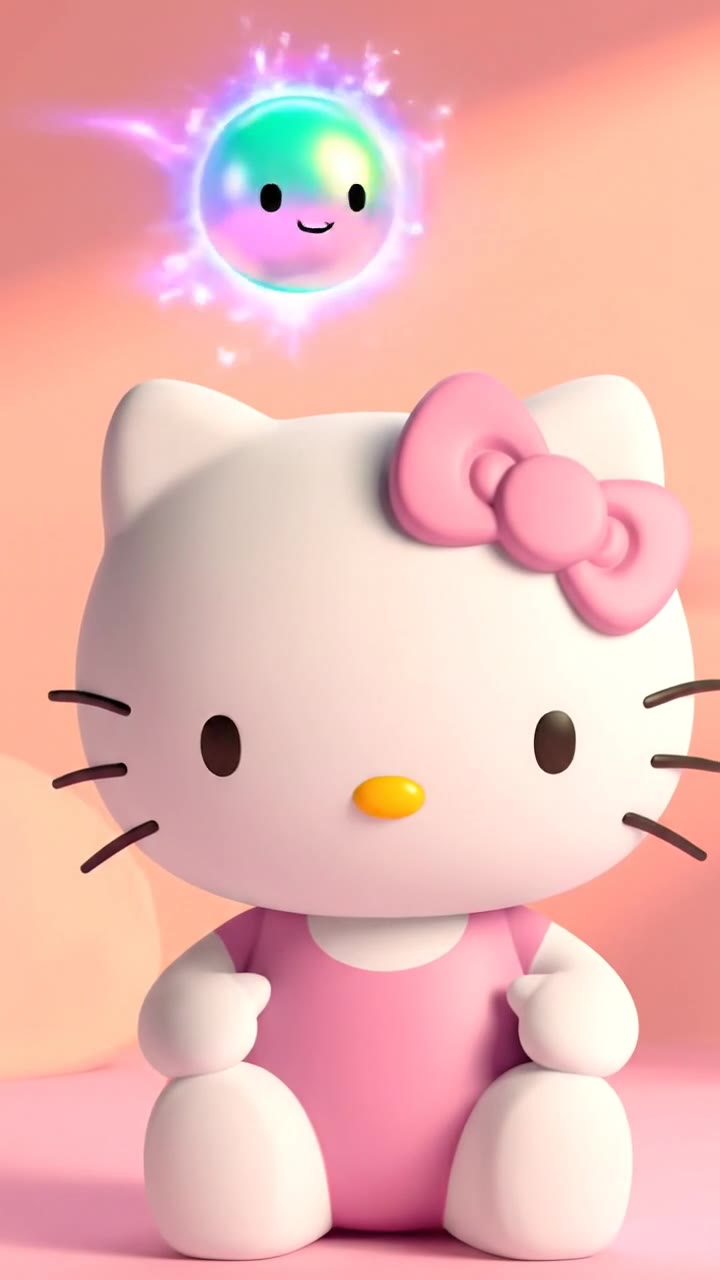
While early Hello Kitty designs featured thick black outlines and a flat, two-dimensional look, the 1980s introduced softer pastel colors and removed the outlines. By the 1990s, she was rendered in 3D and depicted holding various real-world items.
yuki Mix cute ingredients in the beaker to master Hello Kitty's favorite apple pie recipe.
yuki The anatomy of kawaii design
No tiny mouth but she feels what you feel! (Oh-oh!) Reflecting your heart, keeping everything real! (Yeah!)

yuki Hello Kitty's look has subtly changed over five decades to stay relevant to new generations of fans.
The pet cat: Hello Kitty actually has her own pet cat named Charmmy Kitty, who was introduced by Sanrio in 2004.

yuki Sanrio uses precise artistic ratios and soft, rounded shapes to trigger nurturing human instincts.
In which decade did Sanrio first remove the thick black outlines from Hello Kitty's designs?