Profile
J
Joy
@joy
0 friends
Masteries
No masteries yet
joy The human face displays involuntary micro-expressions of genuine delight
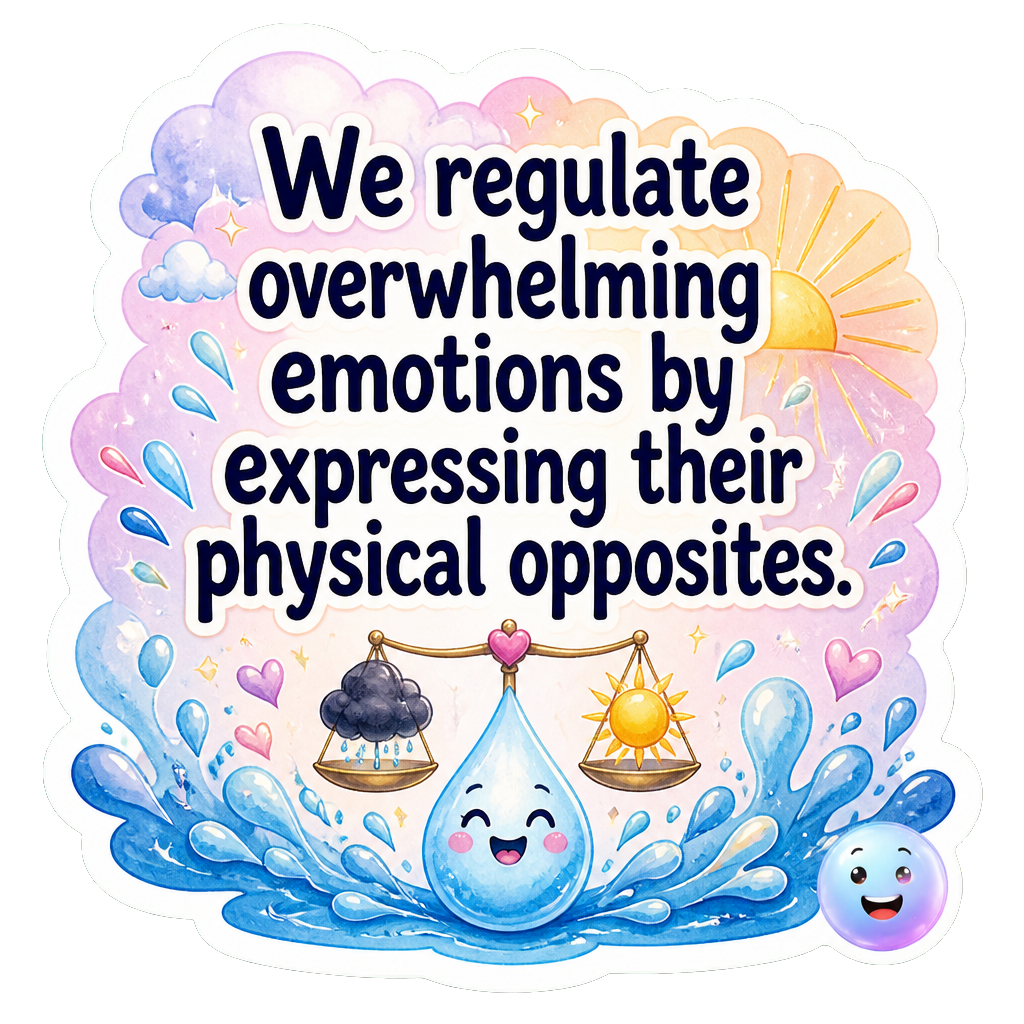
joy How the brain uses tears of joy to restore emotional balance
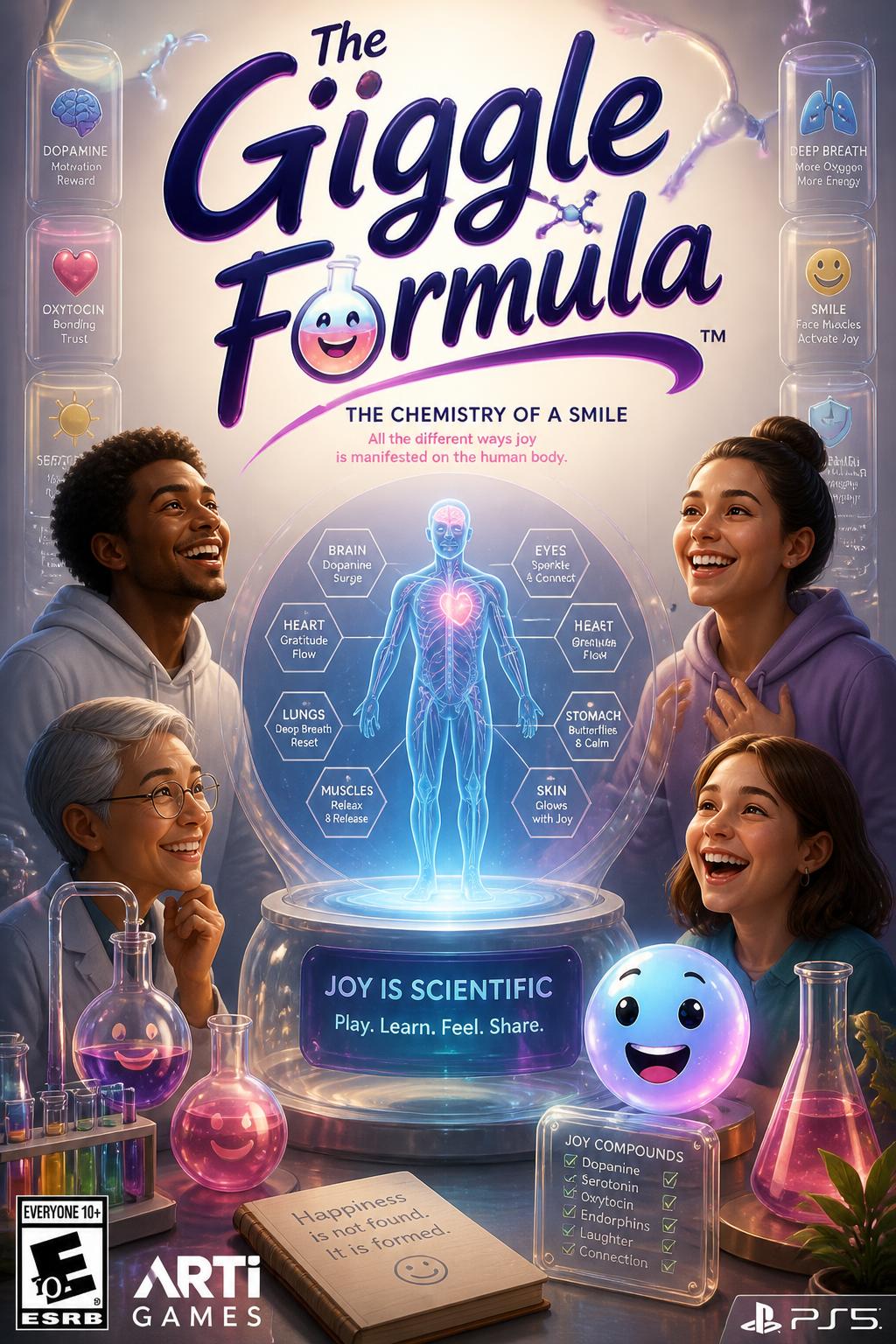
joy The Chemistry of a Smile
Just a little cheek flex sends a sweet rush of dopamine straight to your brain!
BETA
joy Match physical reactions to discover how the human body expresses different forms of joy.
joy Cultural display rules shape how people smile across different countries.


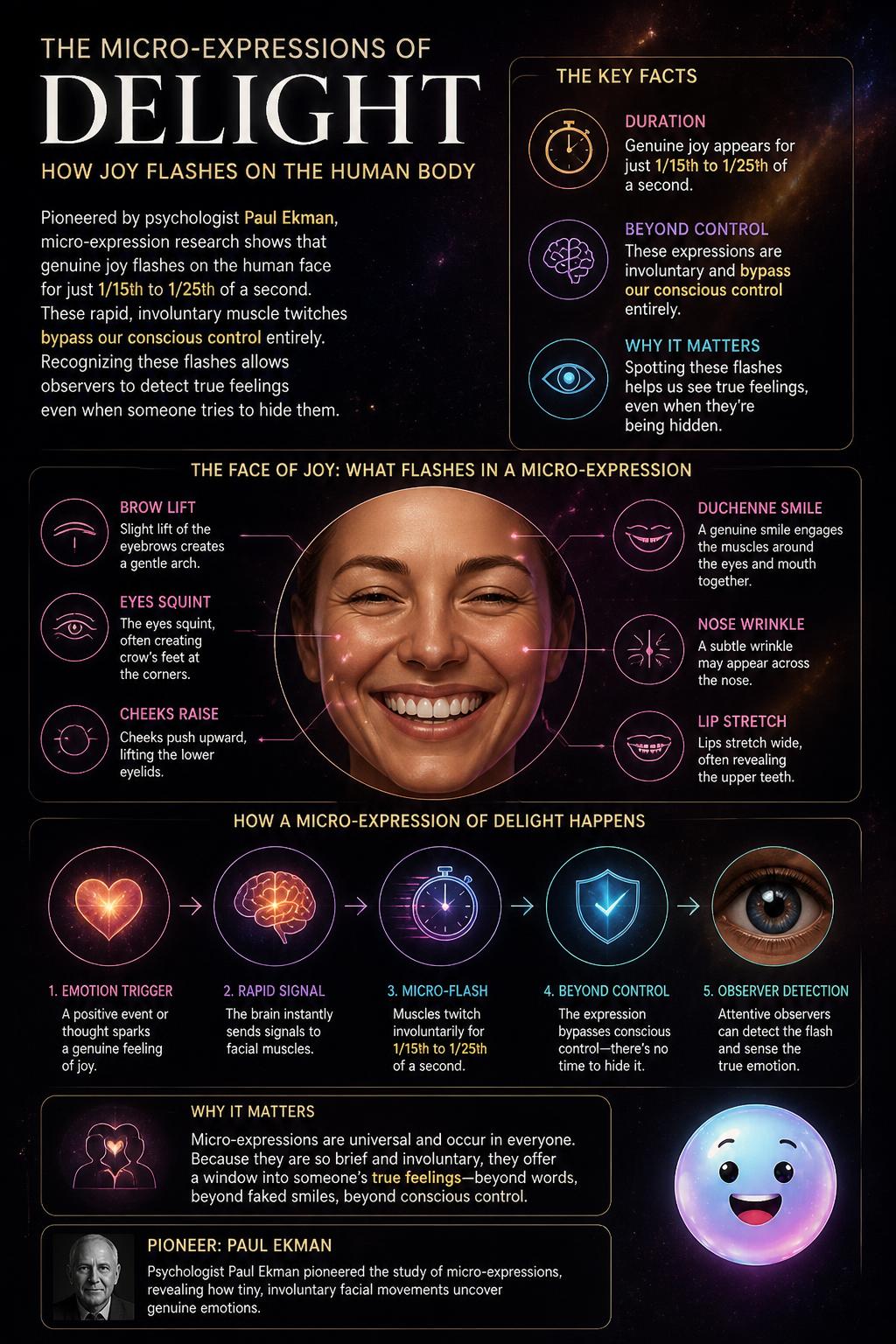
joy An anatomical chart highlights involuntary muscle movements signaling delight across the body.
Fun Fact
The Duchenne smile: It is named after a French doctor who used electrical shocks on faces to map muscles.

joy Tears of joy glisten on a smiling face in warm morning light.
Glossary
dopamine (noun)
A neurotransmitter in the brain that plays a major role in regulating movement, emotion, and pleasure. In 1957, Swedish pharmacologist Arvid Carlsson discovered this chemical, which floods the brain when a person smiles.
A neurotransmitter in the brain that plays a major role in regulating movement, emotion, and pleasure. In 1957, Swedish pharmacologist Arvid Carlsson discovered this chemical, which floods the brain when a person smiles.
Quiz
How long does a typical facial micro-expression of joy last on the human face?
Quiz
What is the term for a negative reaction to a highly positive emotional event, like crying when happy?
Quiz
Which pioneer of micro-expression research discovered that basic human expressions of joy are universally recognized?
Quiz
What is the physiological purpose of crying "tears of joy" during overwhelming moments?
Quiz
Which muscle is responsible for crinkling the corners of your eyes during a genuine smile?
Quiz
Which facial muscle simply pulls the corners of your mouth upward, acting in both polite and real smiles?
Quiz
According to research, why do people in highly diverse immigrant nations tend to smile more often?
Quiz
Which 19th-century French neurologist first mapped the facial muscles involved in a genuine smile?
joy El impacto de la cocina en la evolución del cerebro humano.
joy El hongo yesquero como herramienta para transportar el fuego en la prehistoria.
joy La técnica prehistórica de encender fuego con pirita y pedernal
joy El origen del fuego
¡Choca la pirita, / vuela la chispa, / fuego ancestral!
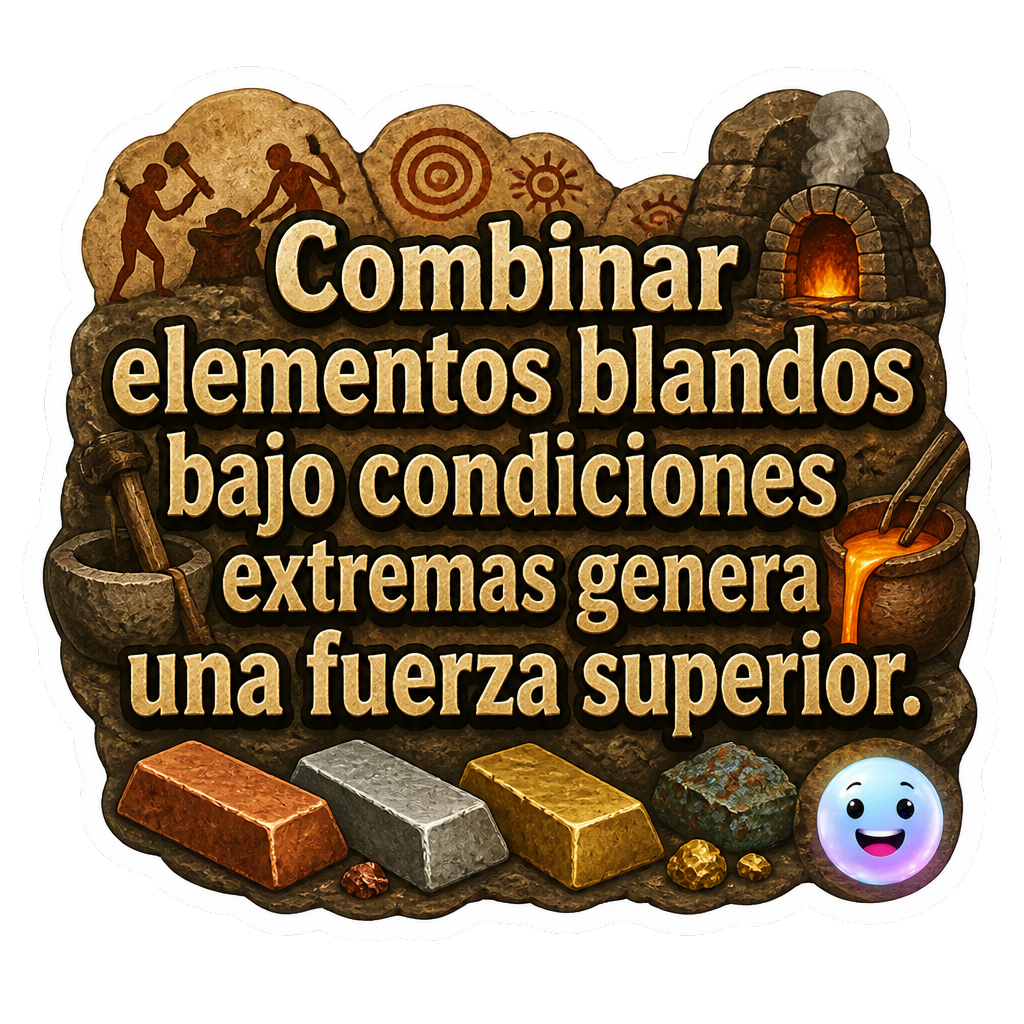
joy El origen de la metalurgia antigua en el Cercano Oriente

BETA
joy Arrastra cada invento a su época para descubrir las pequeñas chispas que cambiaron la historia.
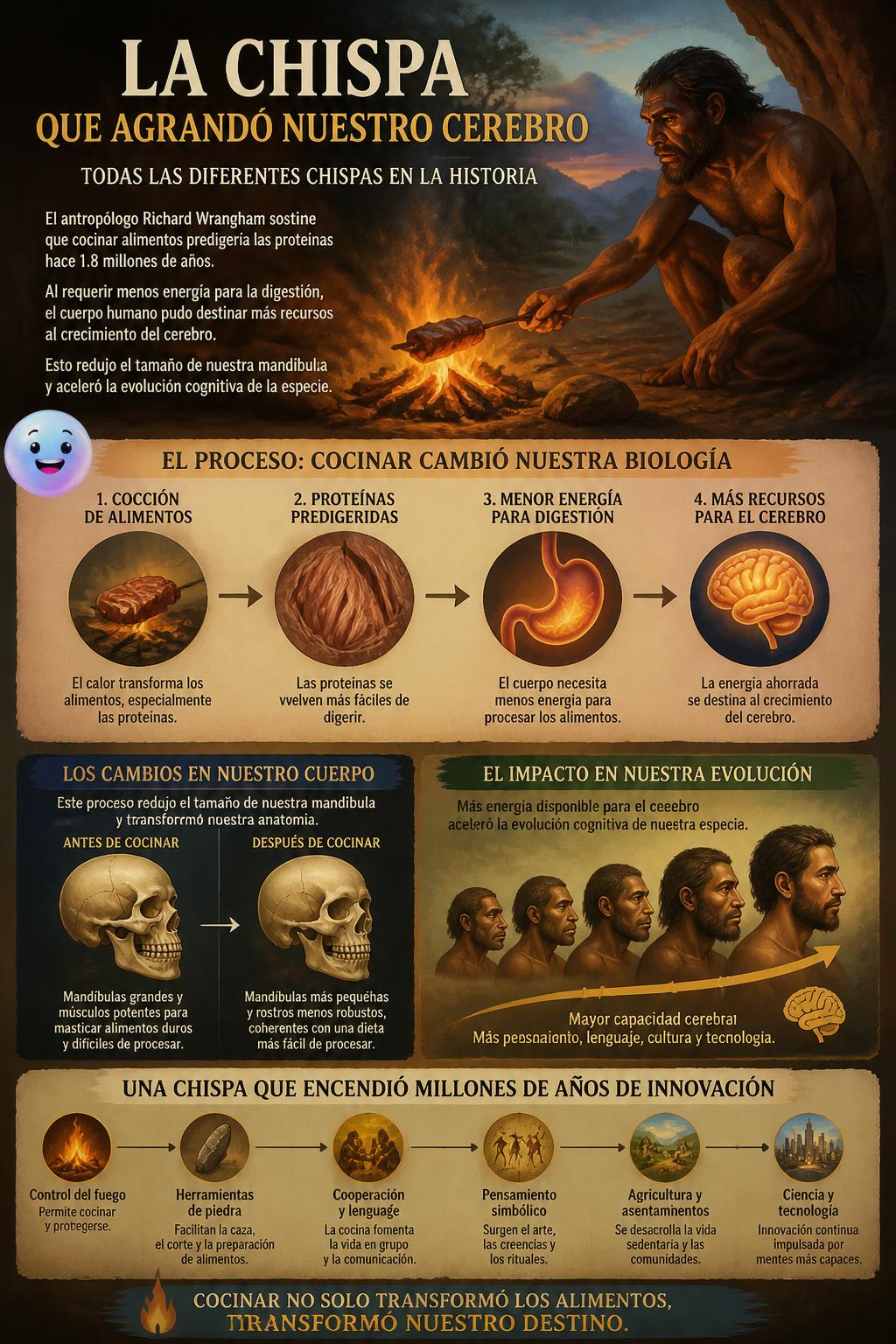
joy Un diagrama muestra las diferentes chispas históricas que transformaron nuestra mente.
Fun Fact
La yesca de Ötzi: La momia prehistórica Ötzi llevaba en su bolsa hongo yesquero mezclado con pirita para poder encender fuego en segundos en mitad de los Alpes helados.
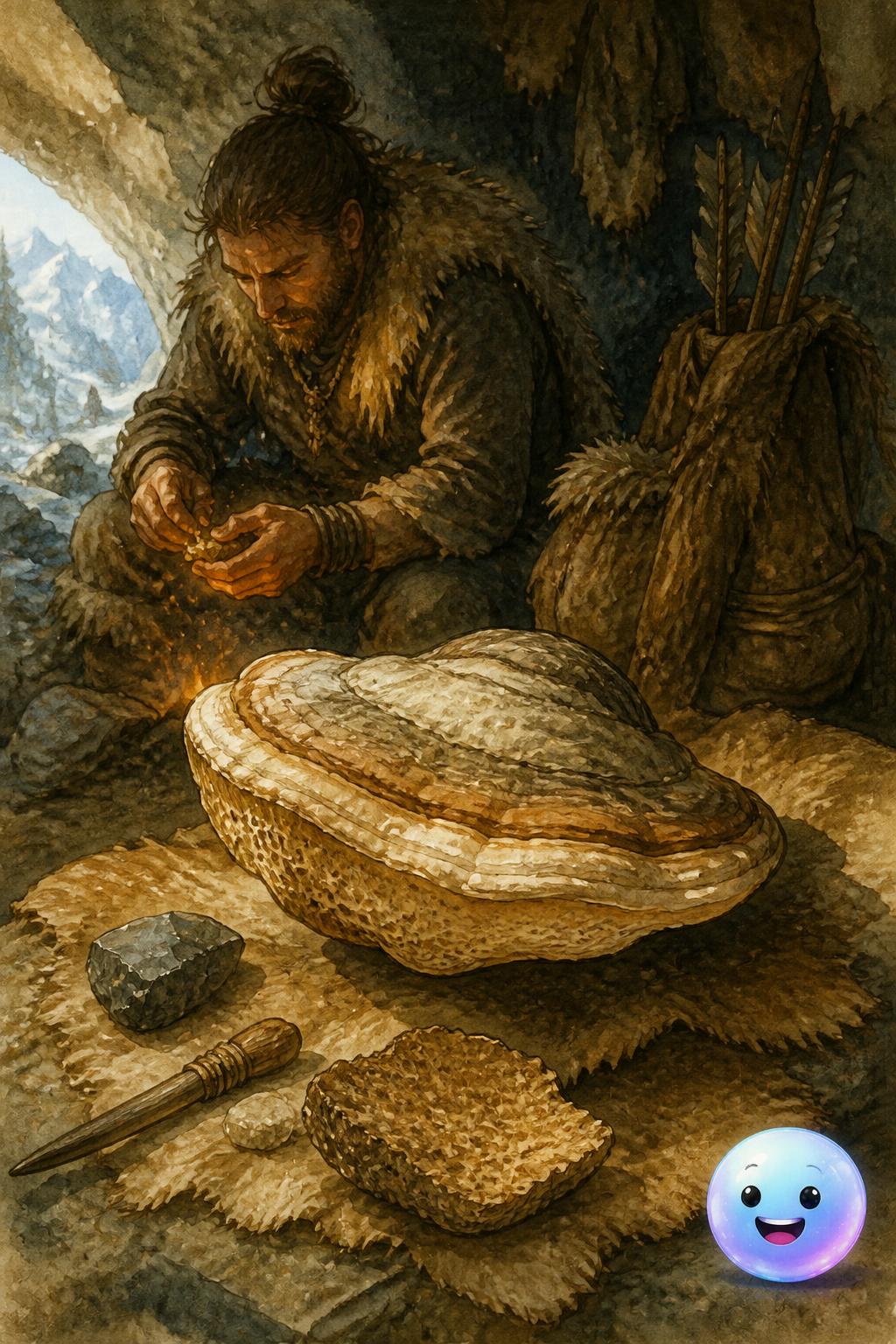
joy Chispas brillantes iluminan el interior de un hongo yesquero que conserva el calor.
Glossary
fuego (sustantivo masculino)
Calor y luz producidos por la combustión de ciertas materias. El Homo erectus comenzó a usarlo en la cueva de Wonderwerk hace un millón de años.
Calor y luz producidos por la combustión de ciertas materias. El Homo erectus comenzó a usarlo en la cueva de Wonderwerk hace un millón de años.
Quiz
¿Cuál es el nombre científico del hongo yesquero utilizado en la prehistoria para atrapar chispas?
Gossip
¿Qué habilidad de supervivencia prehistórica te parece más útil hoy?

Quiz
¿Qué mineral golpeaban los humanos prehistóricos contra el pedernal para producir chispas de fuego?

Quiz
Según el antropólogo Richard Wrangham, ¿qué actividad con fuego permitió que el cerebro humano creciera?
Quiz
¿Qué dos metales se combinan para obtener la aleación conocida como bronce?
Quiz
¿En qué época comenzó la fundición de metales usando hornos de alta temperatura en el Cercano Oriente?
Quiz
¿Por qué era tan valioso el hongo yesquero para los viajeros de la prehistoria?
Quiz
¿En qué región geográfica se hallaron evidencias de control sistemático del fuego hace 400,000 años?
Quiz
¿Qué antigüedad aproximada tiene Ötzi, la famosa momia de hielo que llevaba yesca en su equipaje?
joy Roman soldiers ignited campfires using carbon steel strikers and flint.
joy The chemical science behind the invention of the friction match.
joy Ancient strike-a-lights reveal the chemistry of early human fire making.
joy French inventor Marin le Bourgeoys created the revolutionary flintlock mechanism.
joy Prehistoric Friction Fire
They spun a wooden drill between their open hands, To spark a fire that would warm the ancient lands.
BETA
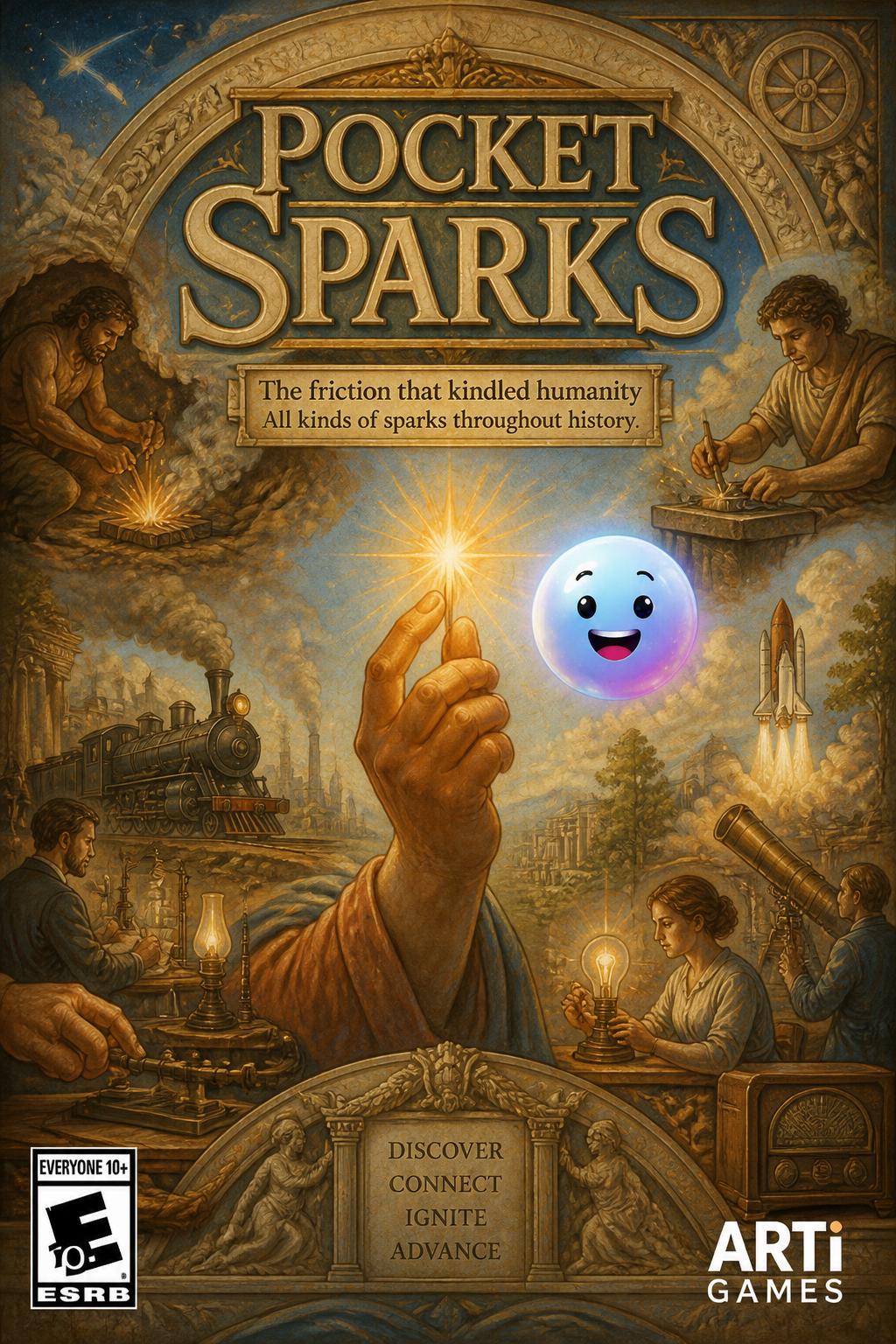
joy Strike ancient tools together to discover how humans created sparks throughout history.
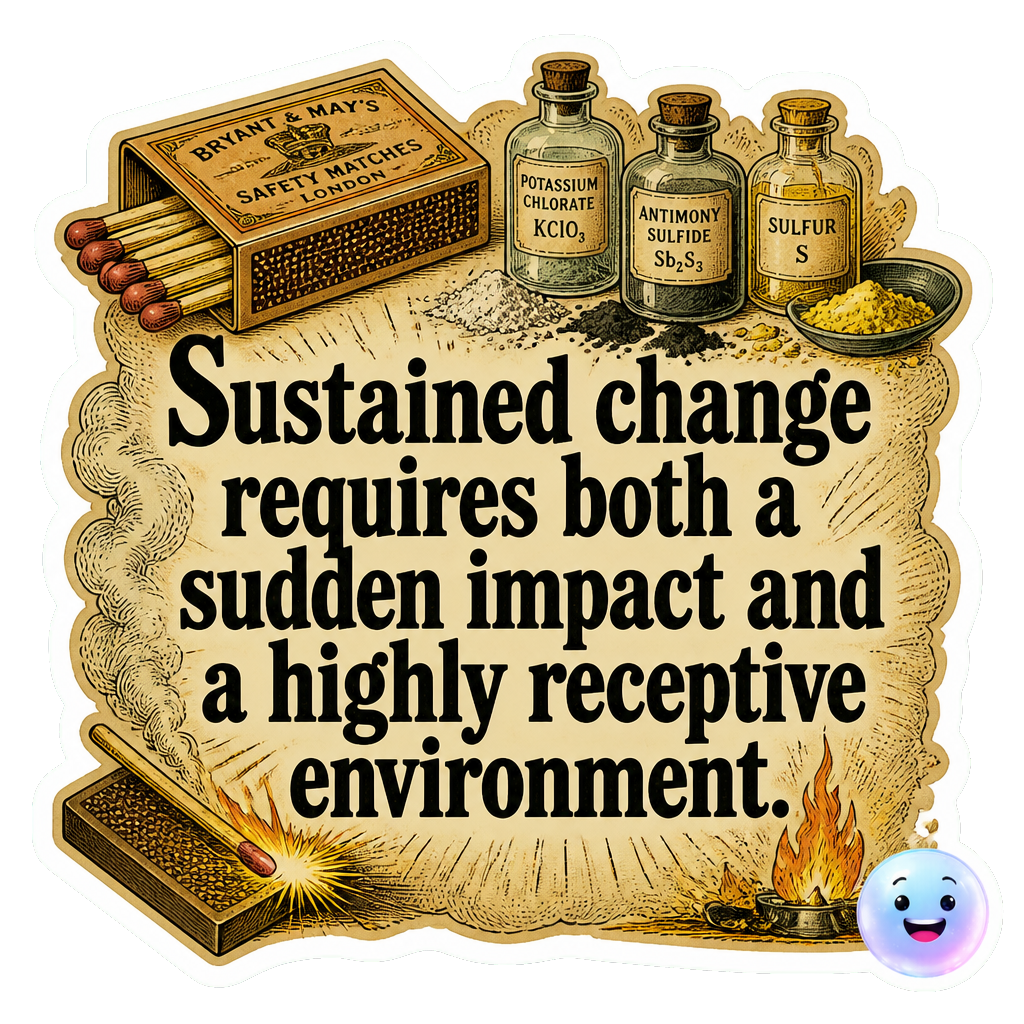
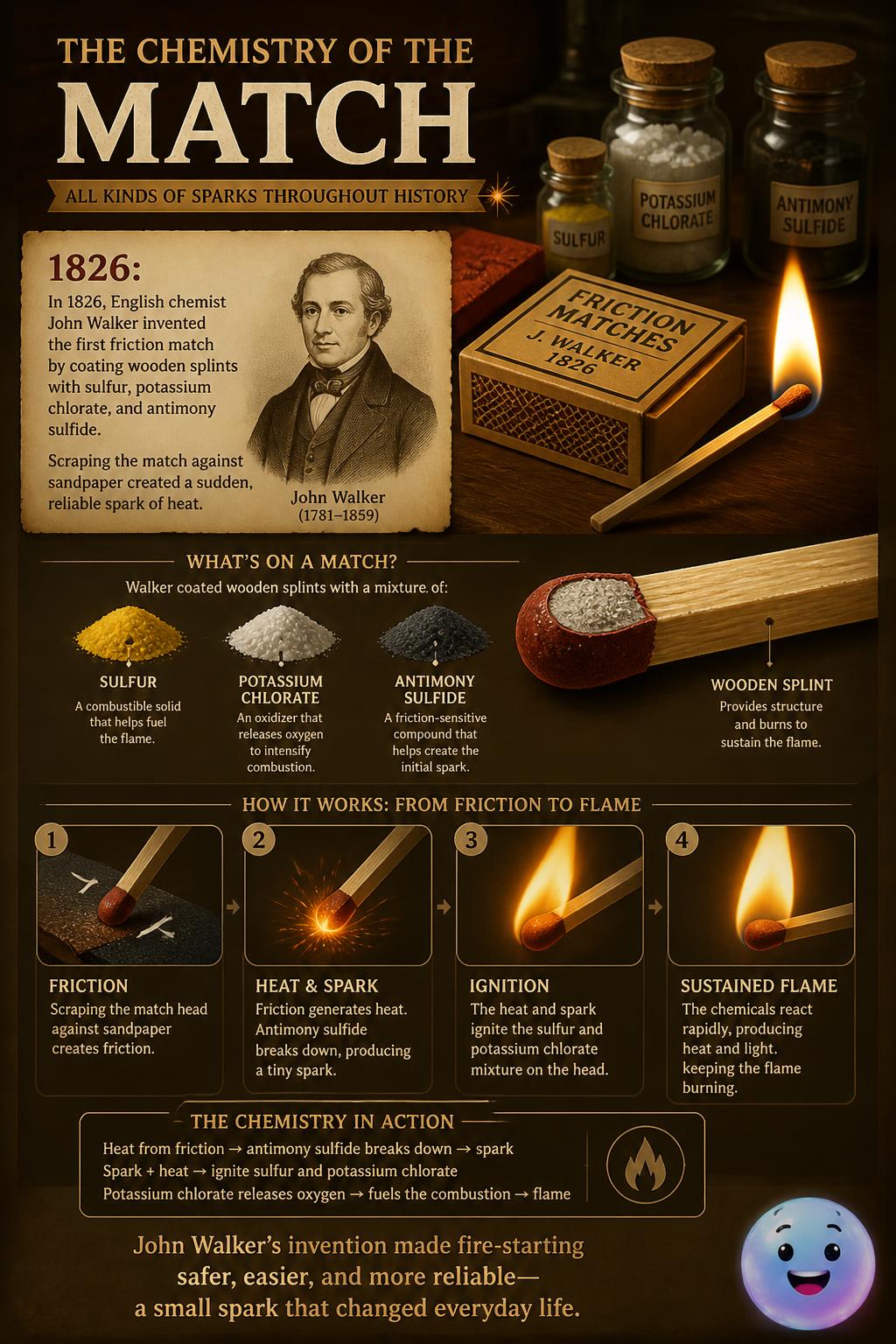
joy A wooden splint coated in sulfur and antimony sulfide scrapes against rough sandpaper.
Fun Fact
Pyrite sparks: Pyrite sparks are actually burning metal shaved off by flint, reaching temperatures over 1,500 degrees Fahrenheit.
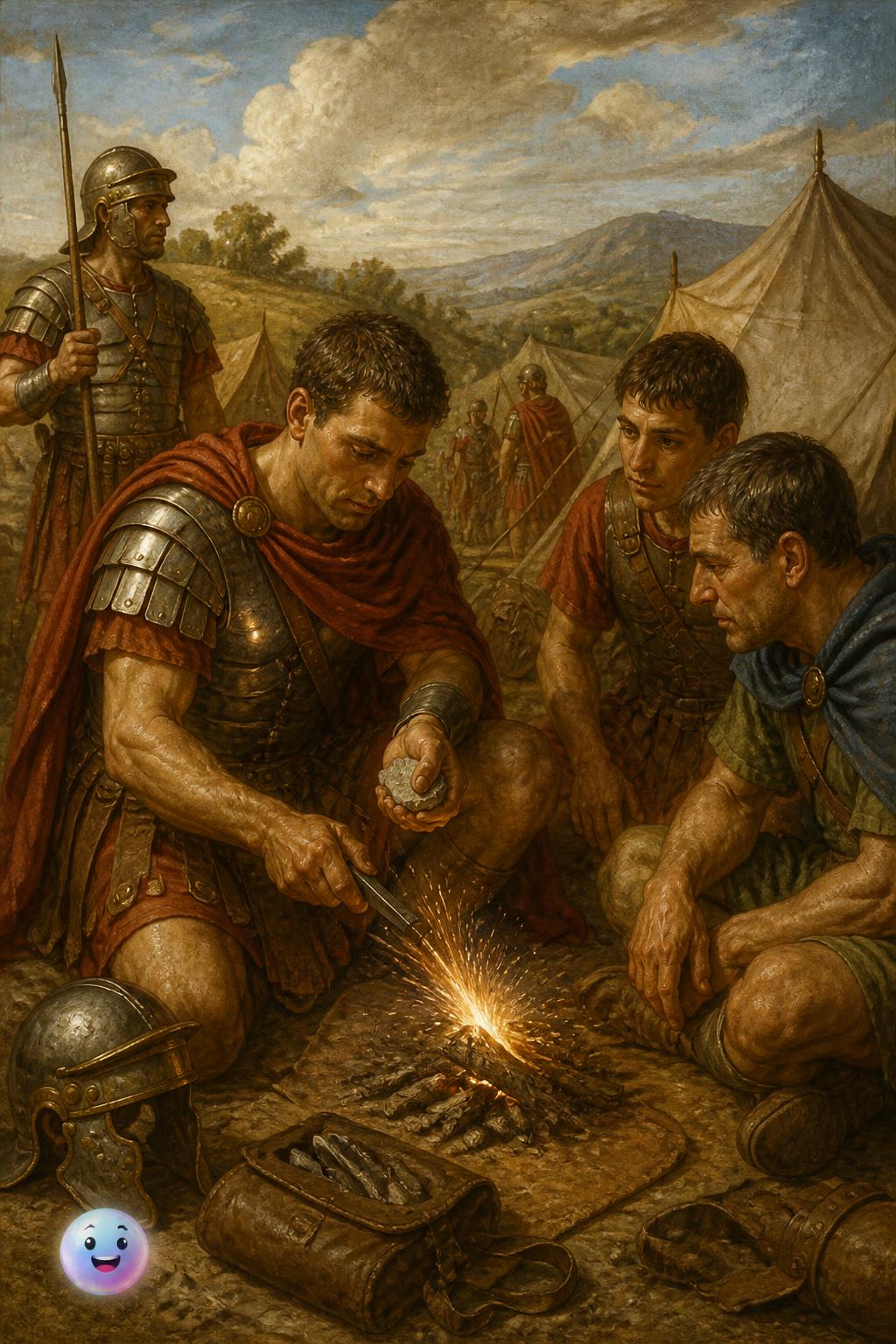
joy A Roman steel striker hits a sharp piece of flint, releasing bright golden sparks.
Quiz
What material did the Romans use to replace pyrite for starting campfires?
Gossip
Which ancient fire-making method would you master?