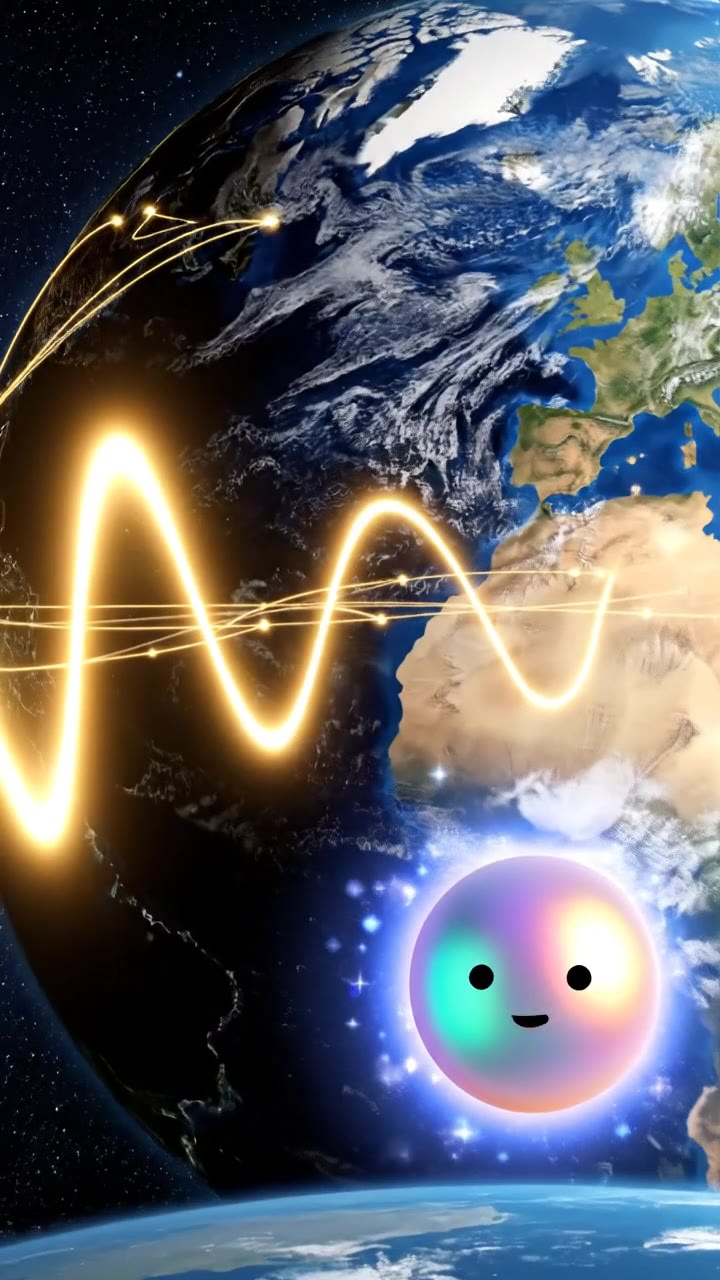
A global network of ears
While LIGO operates two detectors in the US, Europe's Virgo detector in Italy and Japan's underground KAGRA detector join the network. Having multiple detectors allows scientists to triangulate a wave's source using arrival time differences.
Einstein's wild prediction
The ultimate measuring sticks
The day the universe trembled
The future of wave hunting

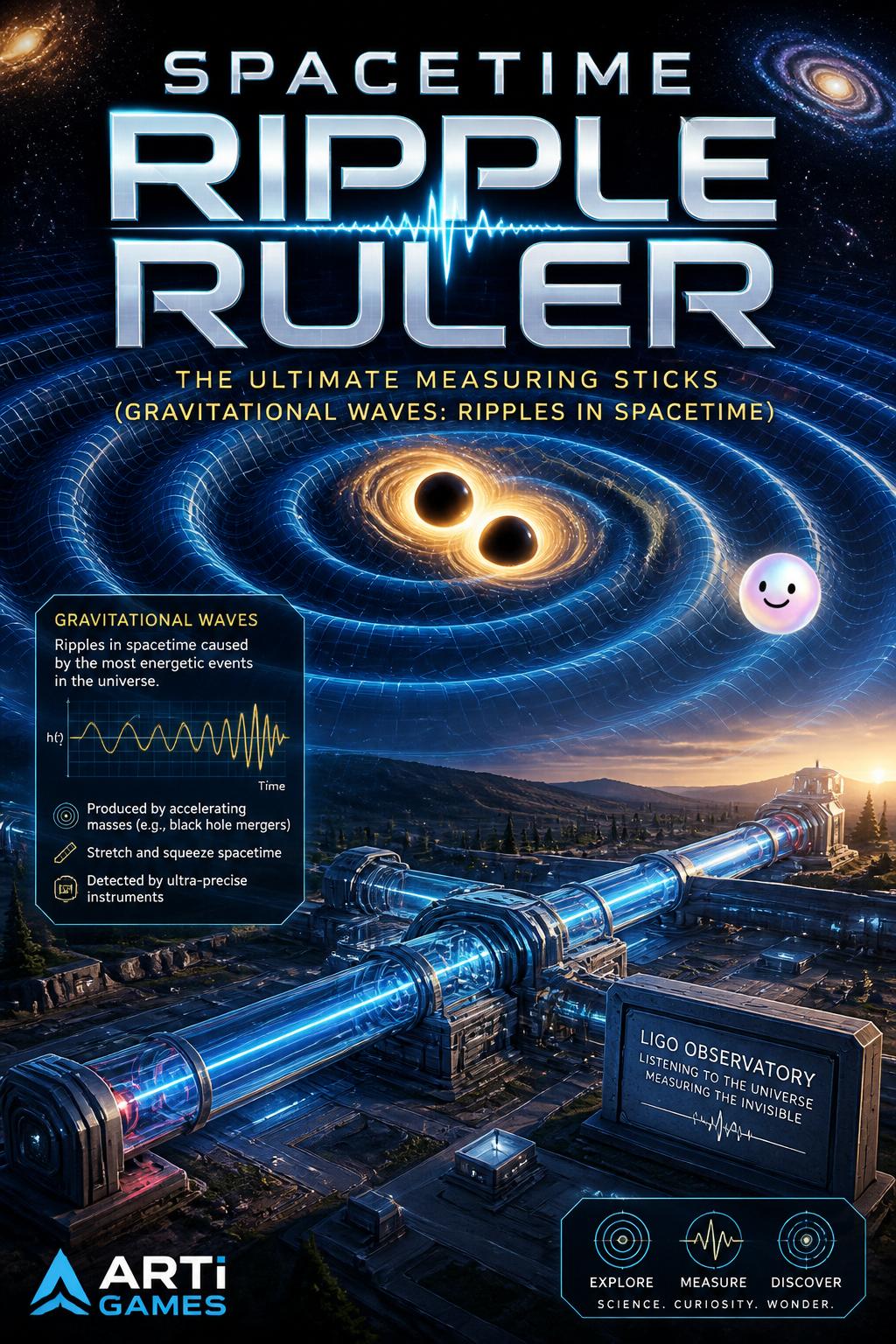
artiteacher Slide your ruler across cosmic ripples to discover how massive collisions warp spacetime.
artiteacher The ultimate measuring sticks
We catch the ripples as the stars collide, Sensing a shift smaller than a proton wide.
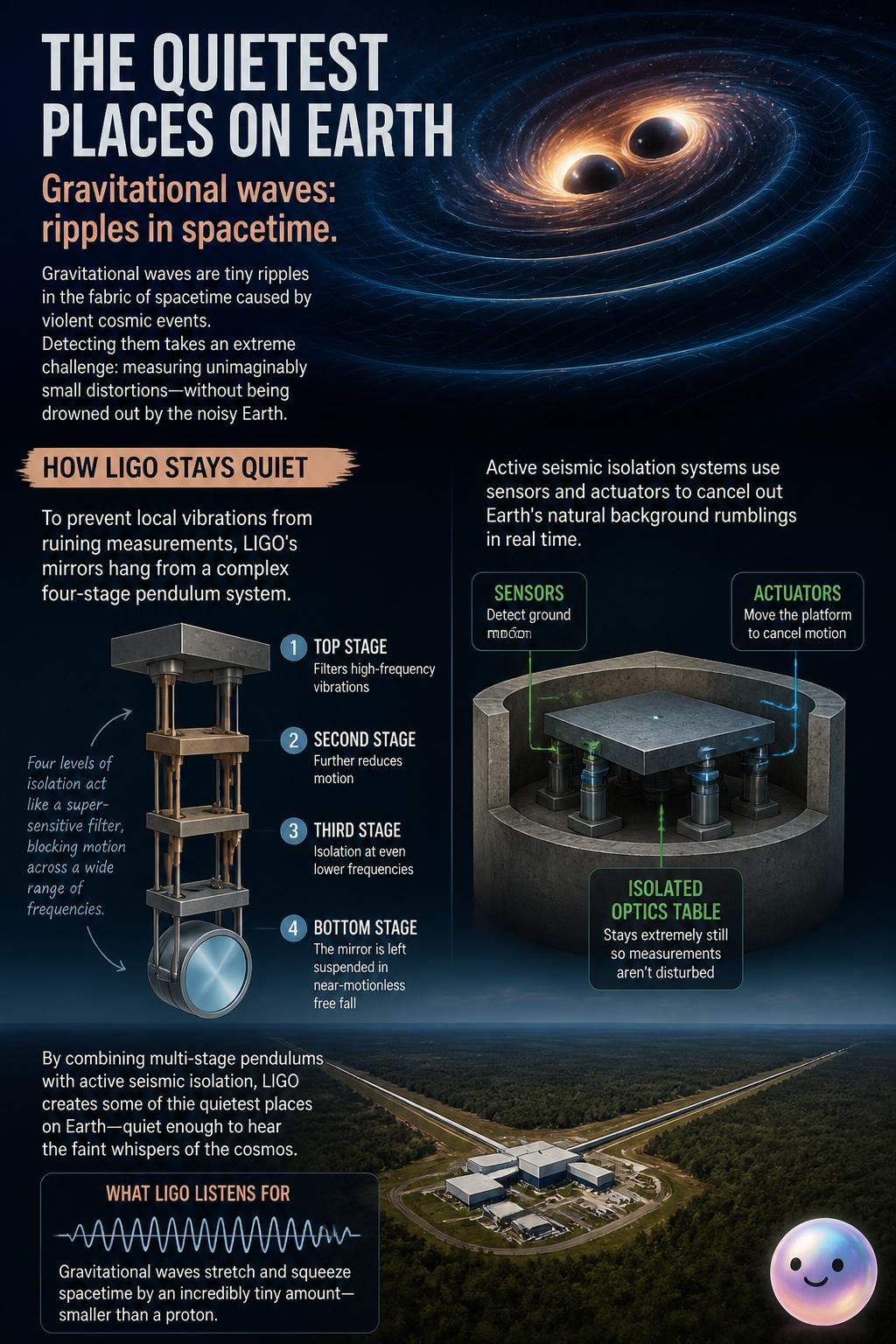
artiteacher To hear the universe, detectors must filter out footsteps, earthquakes, and even ocean waves.
LIGO's extreme vacuum: The air pressure inside LIGO's giant beam tubes is reduced to one-trillionth of an atmosphere, making it one of the largest pure vacuum chambers on Earth.
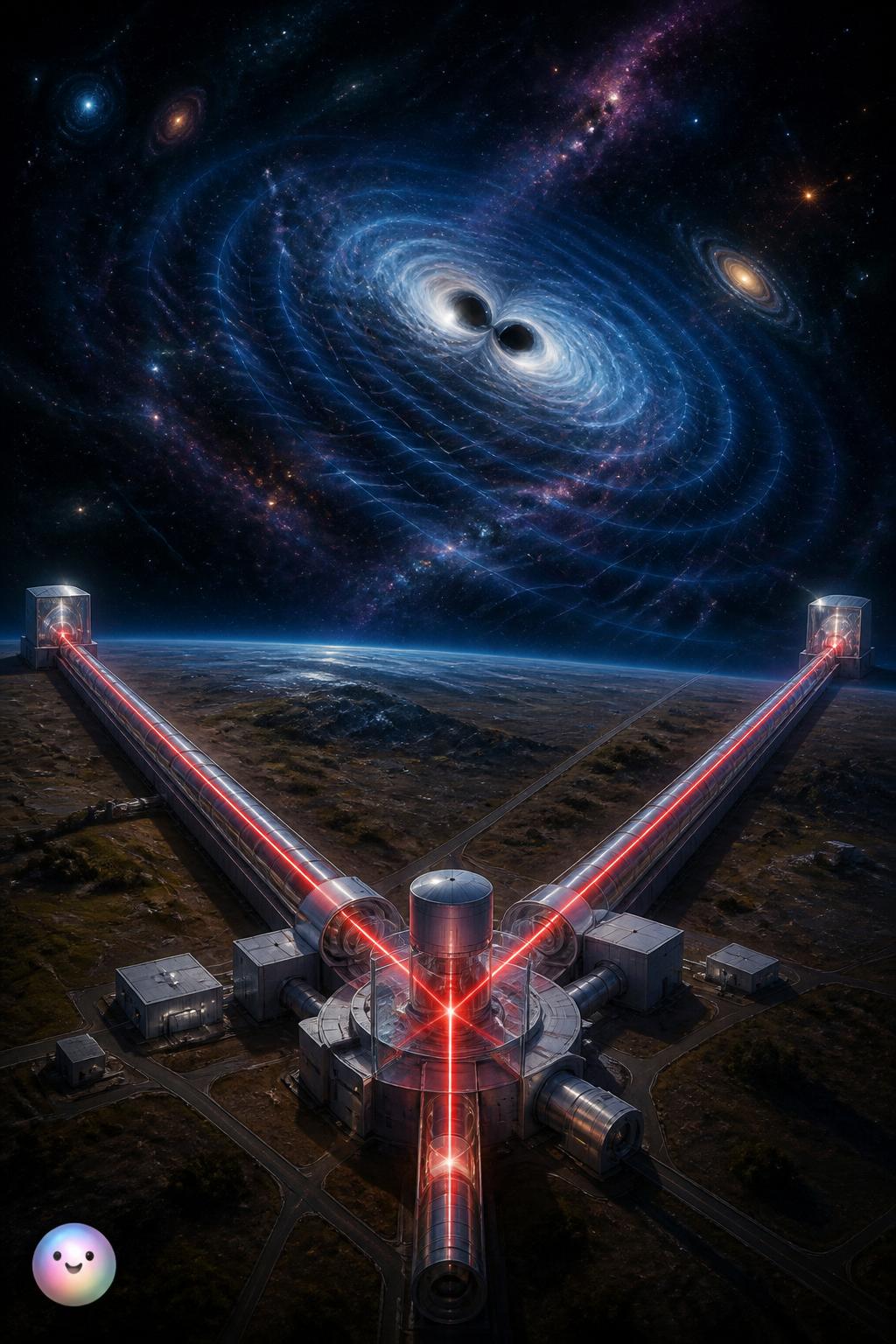
artiteacher Laser beams split and bounce off mirrors to detect changes in distance smaller than an atom.
A device that produces an intense, narrow beam of coherent monochromatic light. In 2015, LIGO used highly stable lasers to detect cosmic ripples from a binary black hole merger.
What instrument does LIGO use to measure the microscopic changes in its arm lengths?
By what fraction of a proton's width does a typical gravitational wave change LIGO's arm length?
How long are the perpendicular arms of the LIGO detectors in the United States?
Why does the LIGO experiment require at least two separate detectors in the United States?