
The gadfly of Athens
The art of questioning
How our minds get fooled
Navigating the digital storm
YOUR GOAL
Master of Socrates and critical thinking

artiteacher Navigating the Digital Storm
Open a new tab, open a new tab / Leave the page behind and open a new tab.
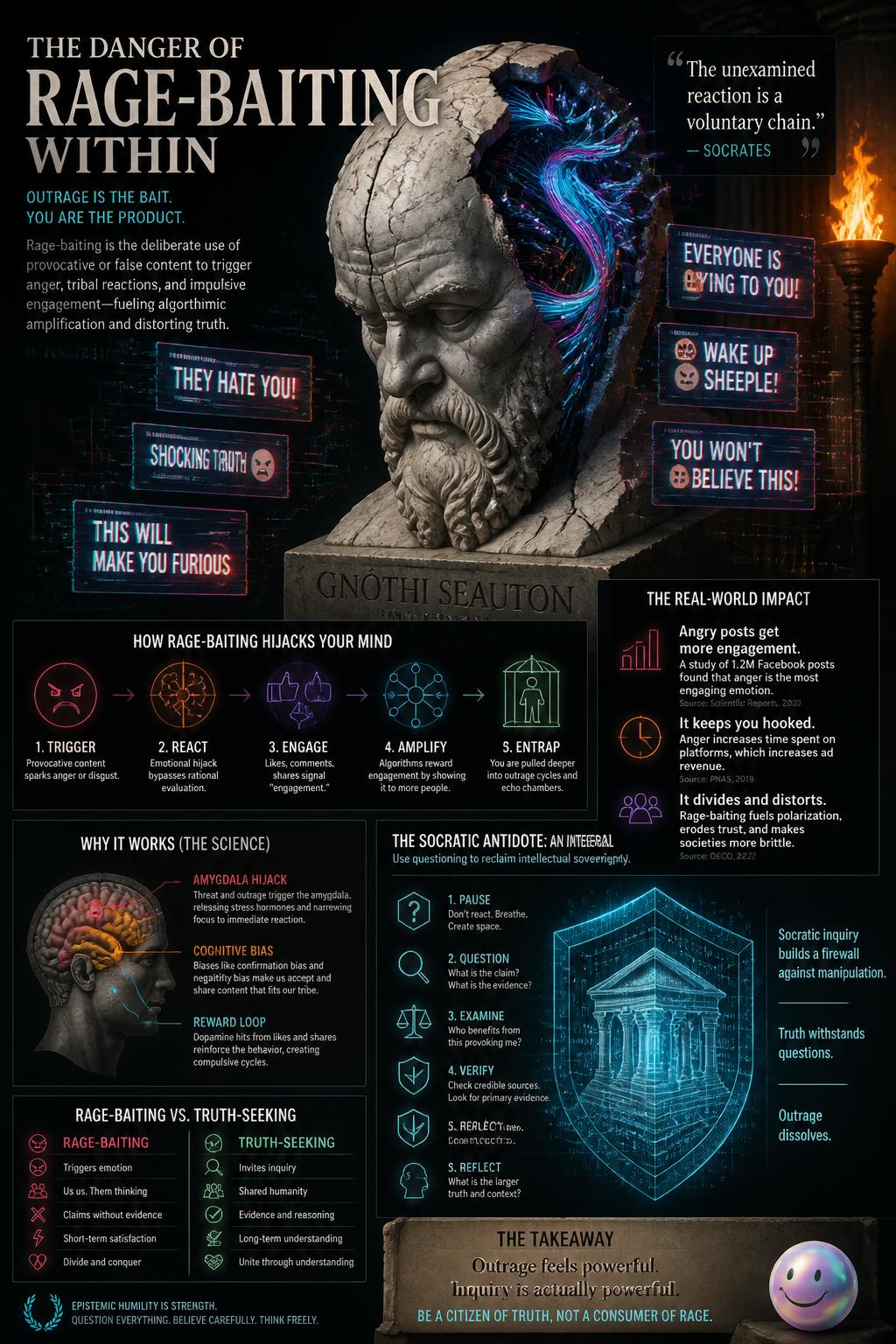
artiteacher Fake news headlines are designed to trigger strong emotions like anger to make us share them instantly.
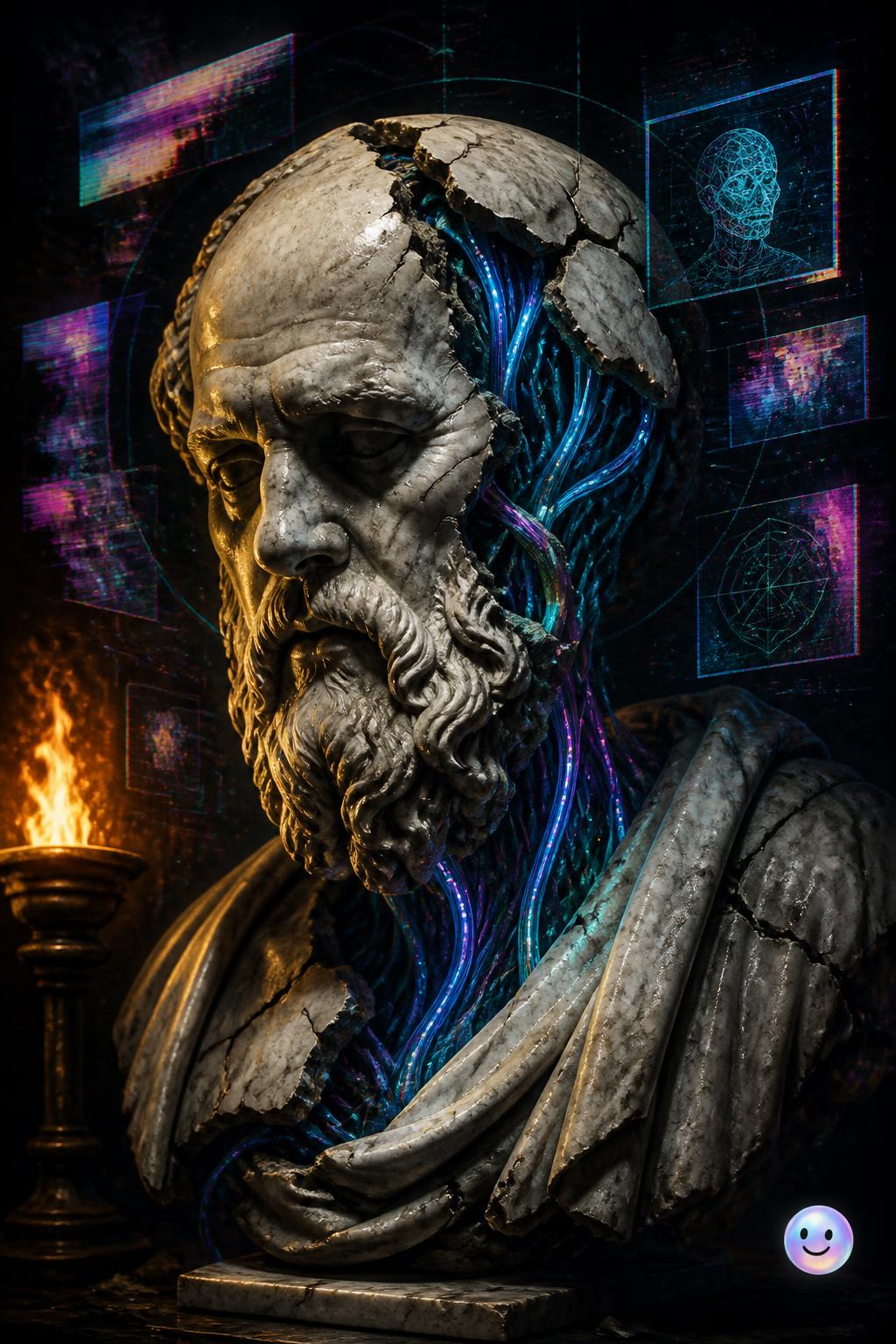
artiteacher Fact-checkers verify information by leaving a suspicious website to see what other sources say about it.

artiteacher Play Socrates' Cloud Catcher to master critical thinking. Learn to question misinformation and navigate the digital storm in this educational game.
Misinformation spread: A 2018 MIT study found that false news stories spread six times faster on social media than true ones.
An image, video, or audio recording that has been digitally manipulated by artificial intelligence to realistically depict a person saying or doing something. In 2022, a deepfake video falsely showed Ukrainian President Volodymyr Zelensky announcing a surrender to Russian forces.
Which research group developed the highly effective 'lateral reading' fact-checking technique?
How much faster does false news spread on social media compared to true news, according to MIT?
What tool allows you to find where a suspicious photo originally appeared on the internet?
According to research, which emotion spreads the fastest and widest across social media?
What is the practice of reading 'laterally' when evaluating a suspicious news article?
What technology is used to swap faces in videos to create highly realistic deepfakes?