

BETA
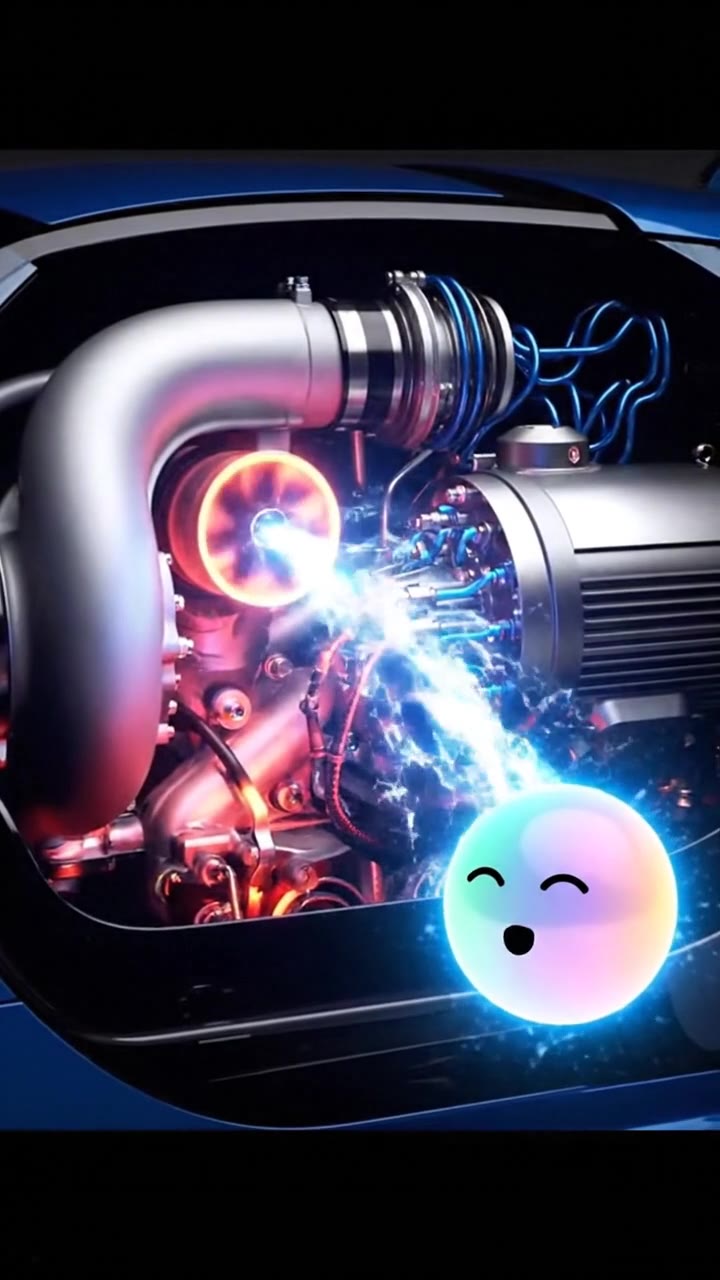
YOUR GOAL
Master of The world of exotic cars
marcus Tune the world's top exotic cars to learn how aerodynamics and horsepower maximize speed.
marcus The physics of hypercars
We've got active fans that spin to lock a vacuum seal, Now we're driving upside down on a track of solid steel!
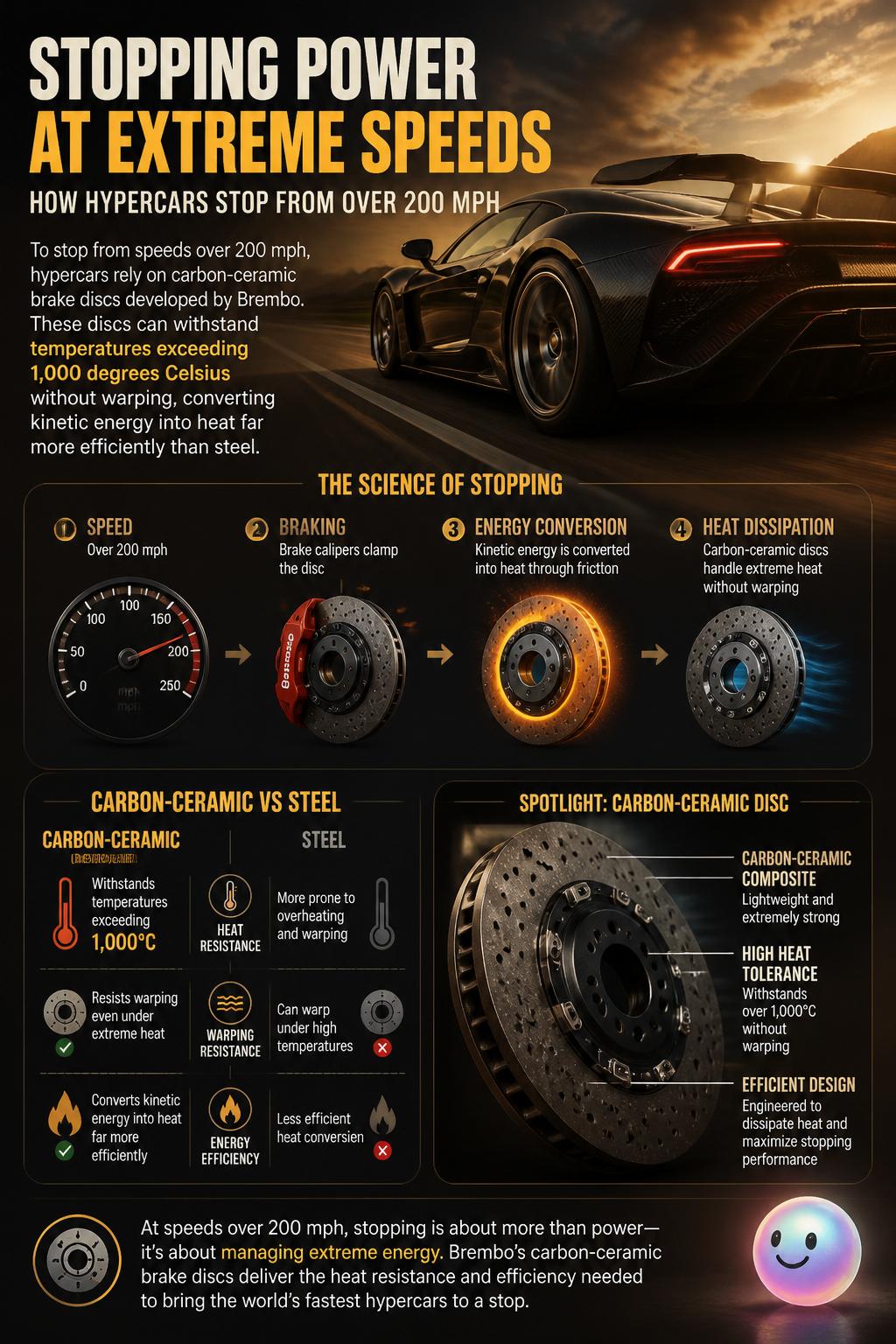
marcus Carbon-ceramic brakes allow modern hypercars to shed extreme speeds without experiencing dangerous brake fade.
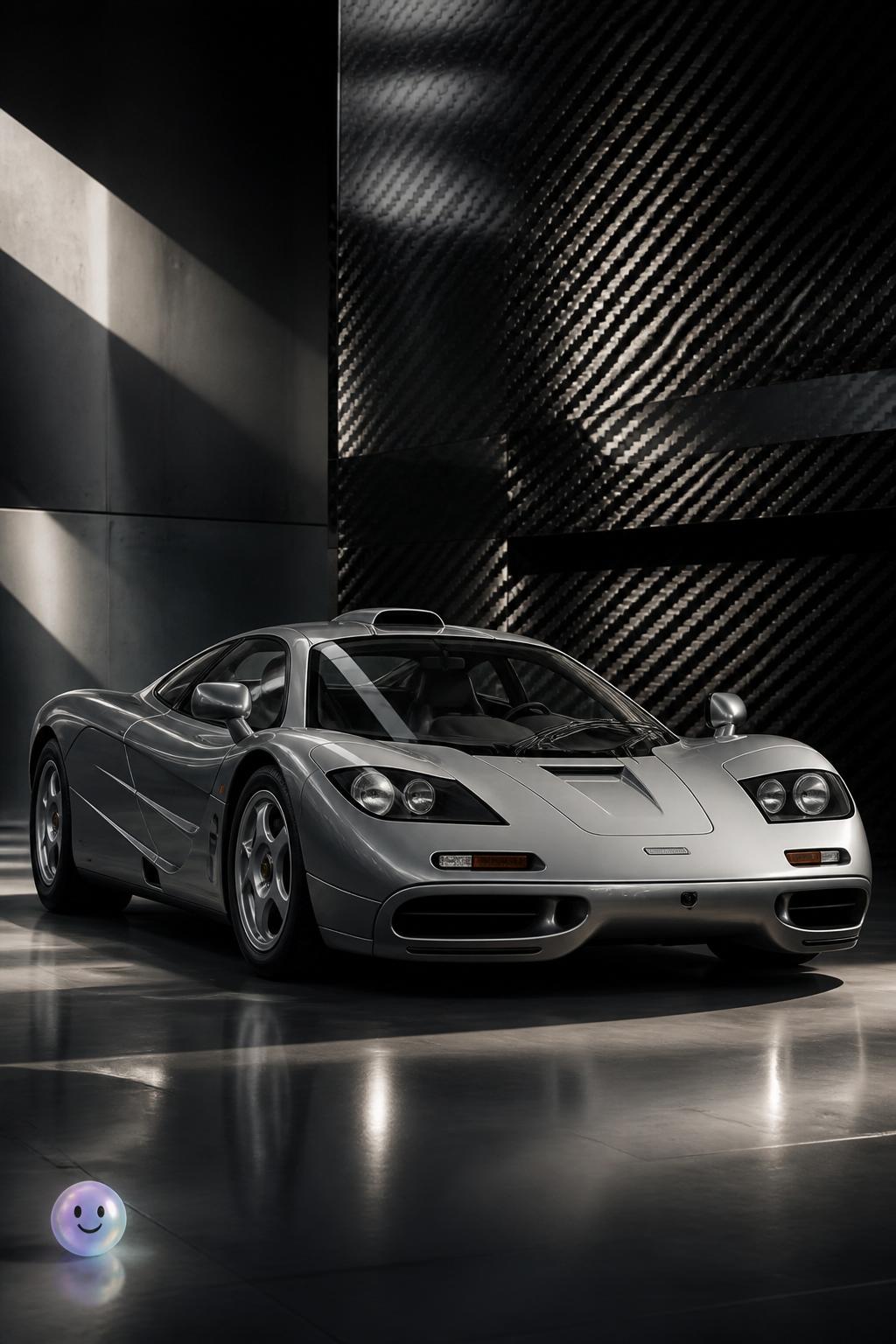
marcus The iconic McLaren F1 revolutionized lightweight engineering by pioneering the use of a carbon fiber chassis.
Upside down driving: At 150 miles per hour, the downforce on a Gumpert Apollo hypercar exceeds its weight, theoretically allowing it to drive on a ceiling.
The McLaren F1 features a three-seat cockpit layout. Where is the driver's seat located?
Which 1992 British supercar was the first production road car to feature a full carbon fiber monocoque chassis?
What engine bay insulation material did the McLaren F1 use for its superior heat-reflective properties?
What is the term for using electric motor torque to mask turbo lag in hybrid hypercars?
Which hypercar features active aerodynamic flaps that rise and fall independently like airplane wings?