
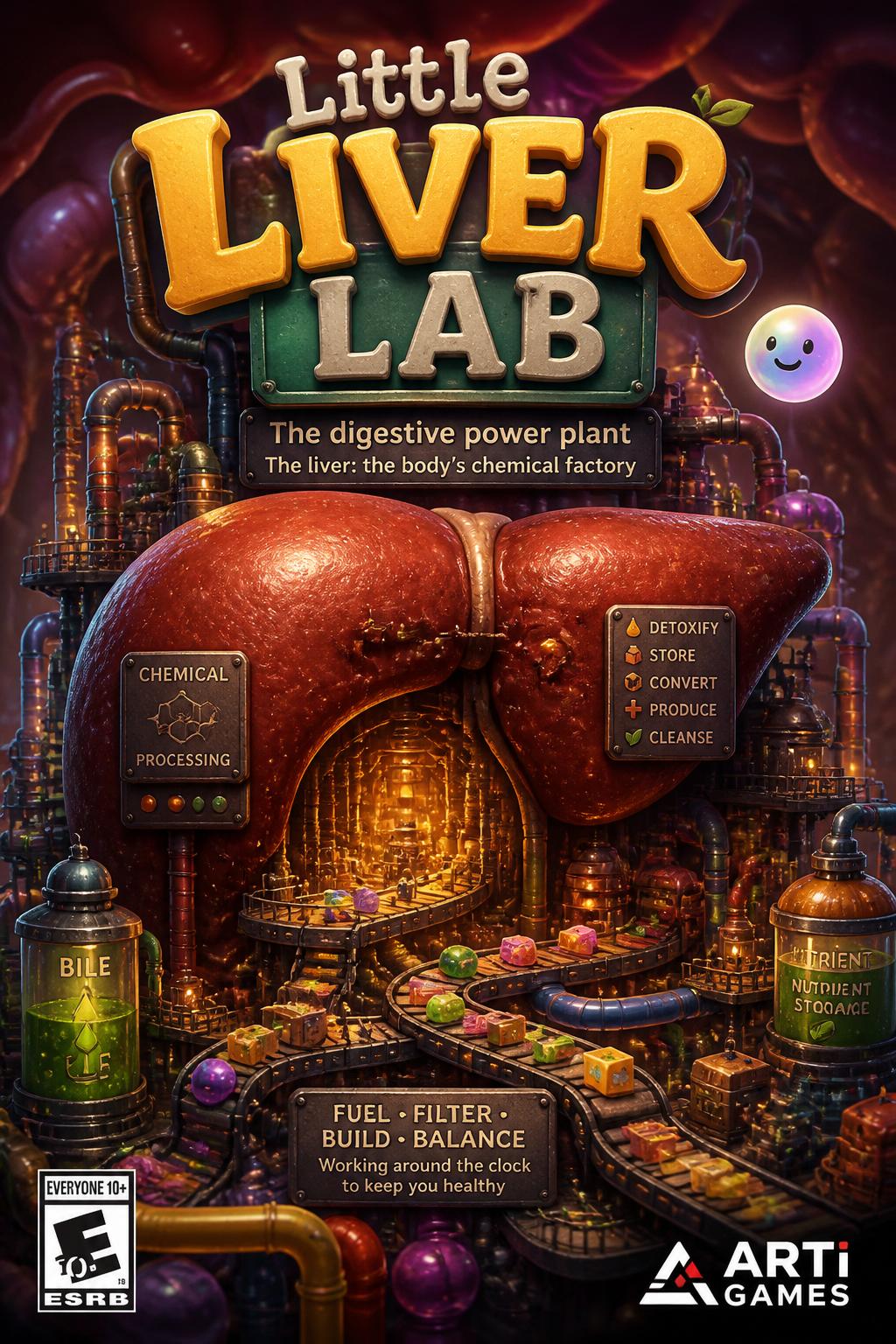
BETA
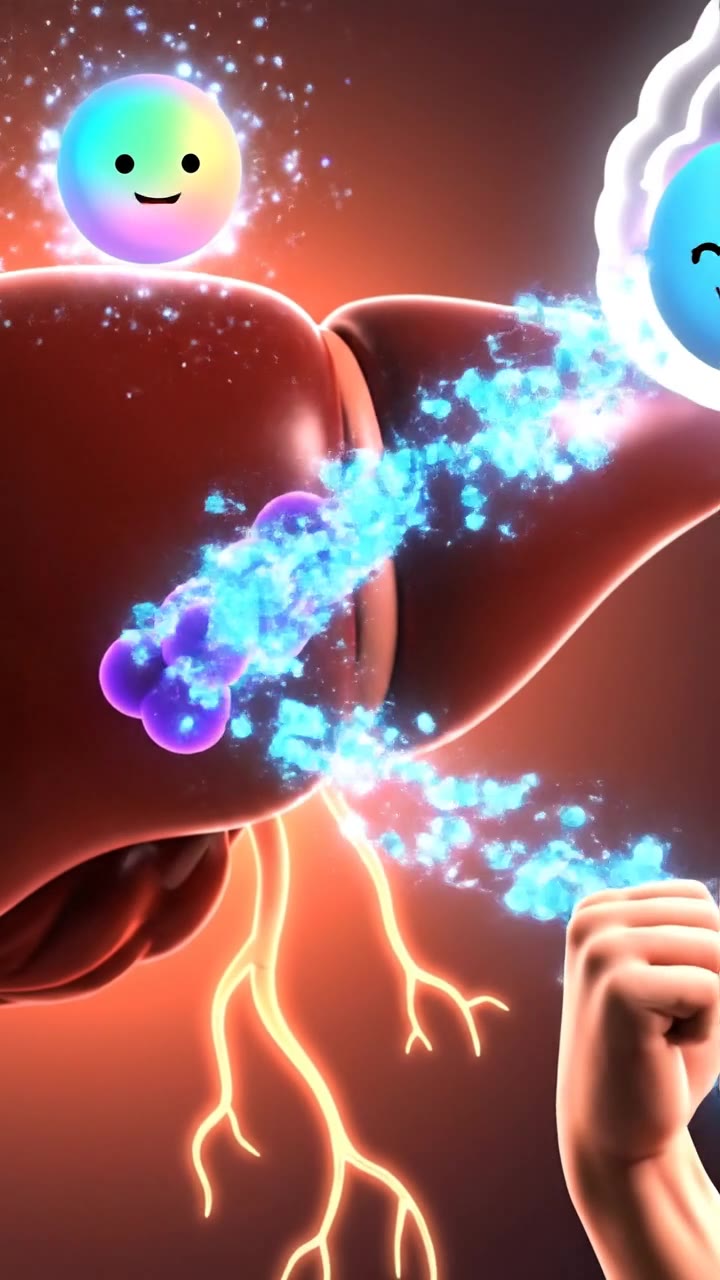
When blood sugar rises after a meal, the liver converts excess glucose into glycogen for storage. When blood sugar drops, it converts glycogen back into glucose to fuel muscles and the brain.
artiteacher Sort nutrients and toxins to discover how the liver runs your body's chemical factory.
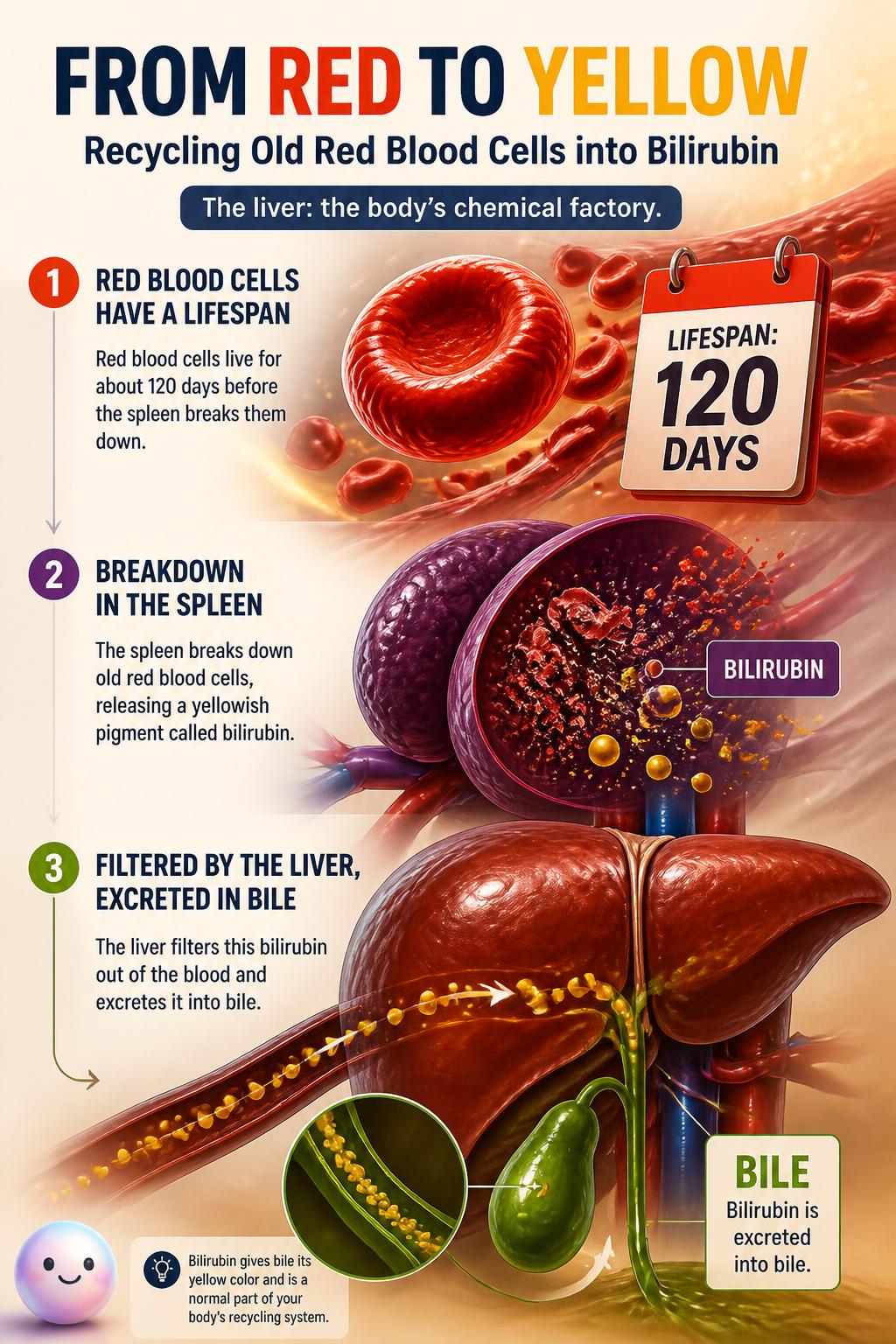
artiteacher The liver recycles worn-out red blood cells and turns them into useful digestive pigments.
Bile color: Bile is actually golden-yellow, but it turns green in the intestines due to chemical changes by bacteria.
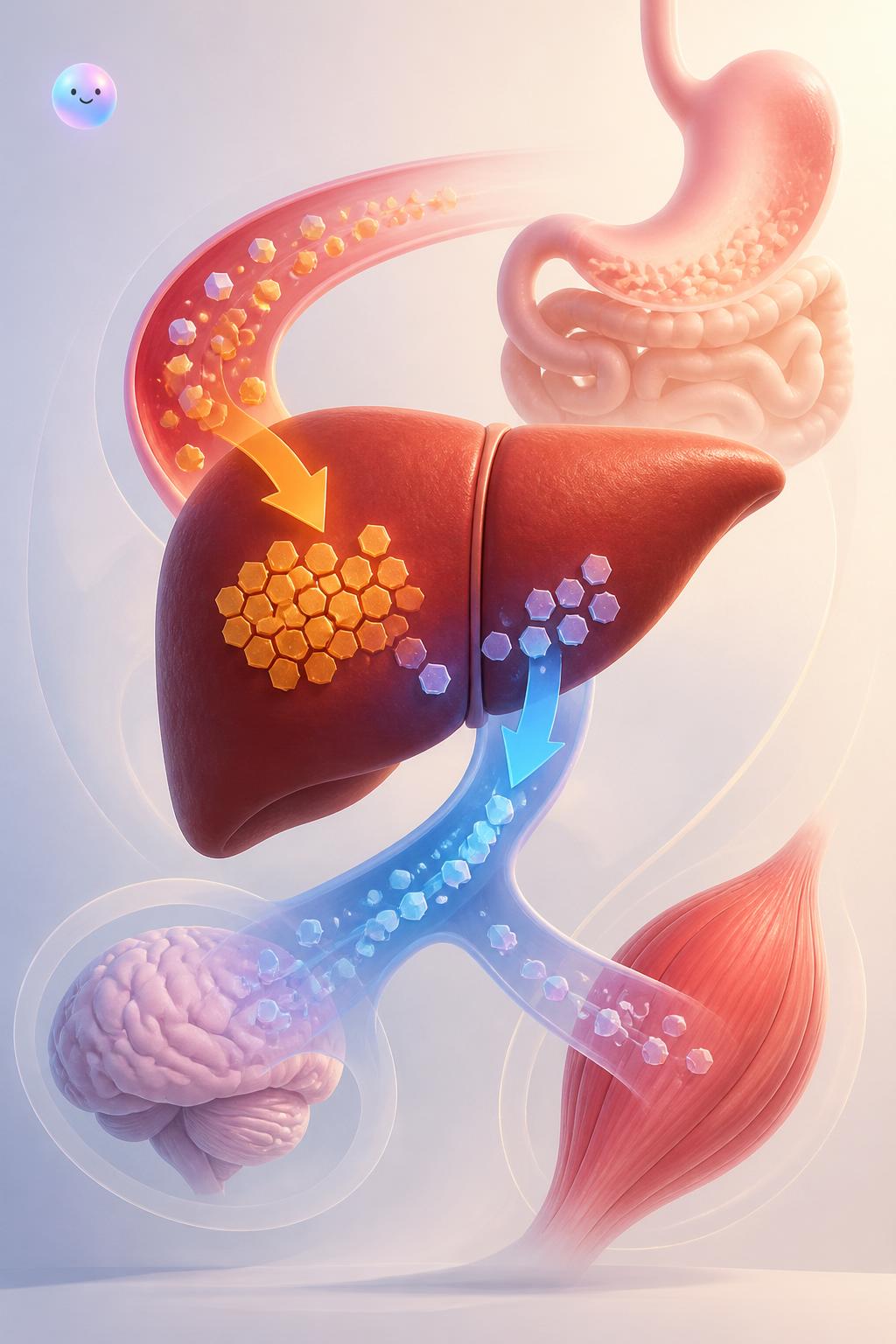
artiteacher The liver keeps blood sugar levels steady by storing and releasing glucose as needed.
What yellowish pigment is created when the spleen breaks down old red blood cells?