The centuries of bento history
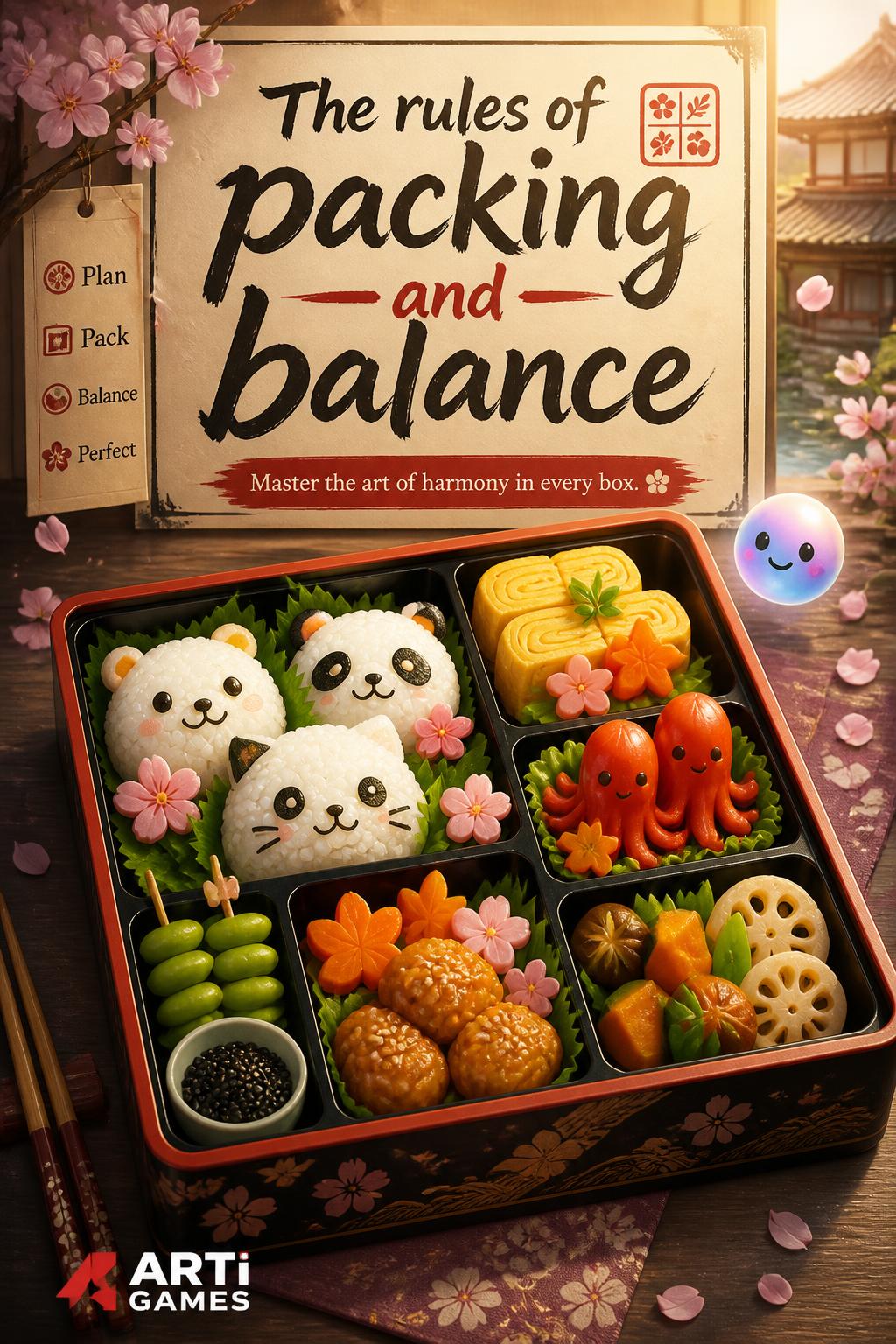
The rules of packing and balance
Kyaraben and edible pop culture
Regional styles and global journeys
YOUR GOAL
Master of The art of the bento

yuki The Art of Bento Packing
No gaps inside, pack it tight, keep every flavor right in its place.
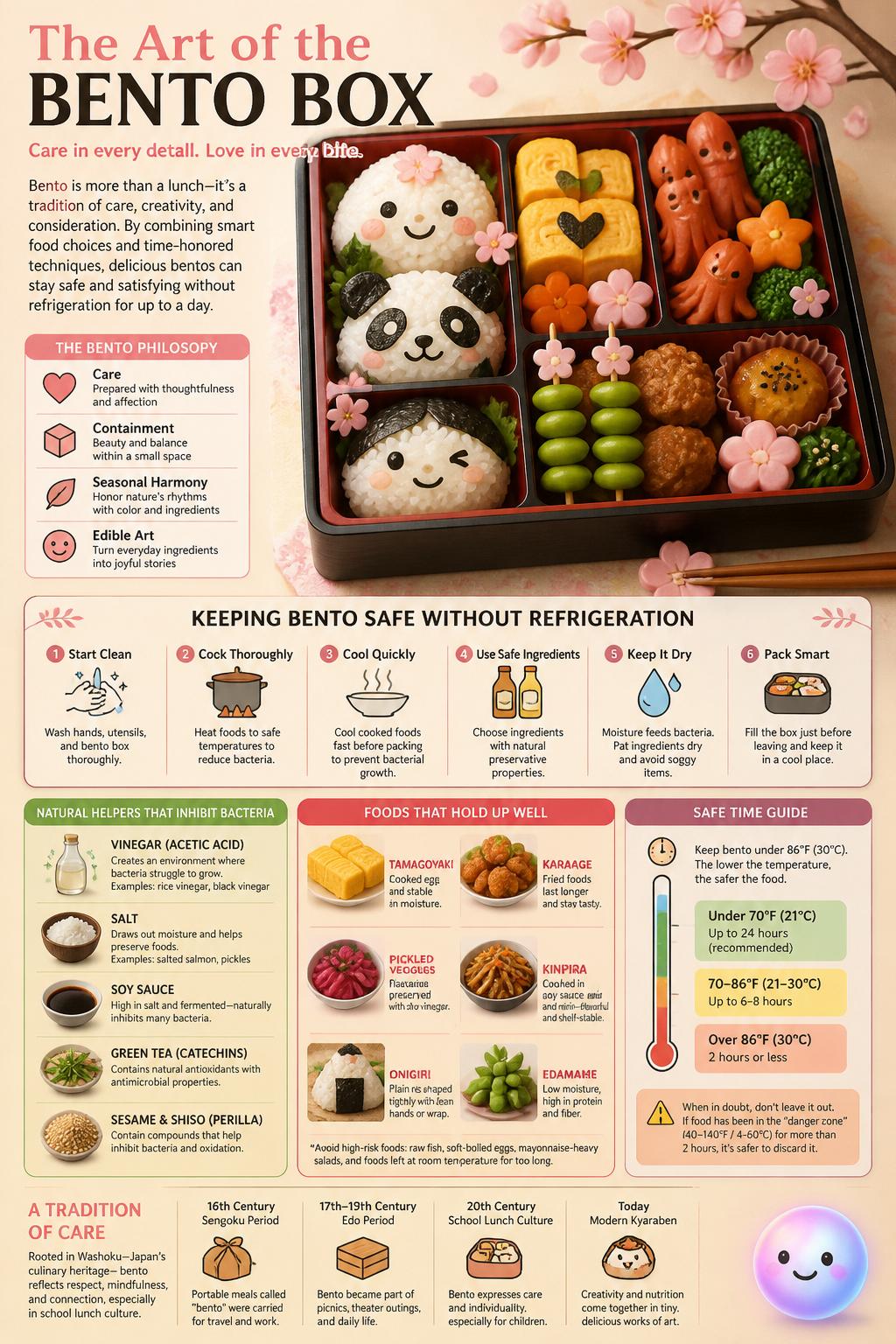
yuki Clever cooking techniques and natural preservatives keep room-temperature bentos safe to eat.
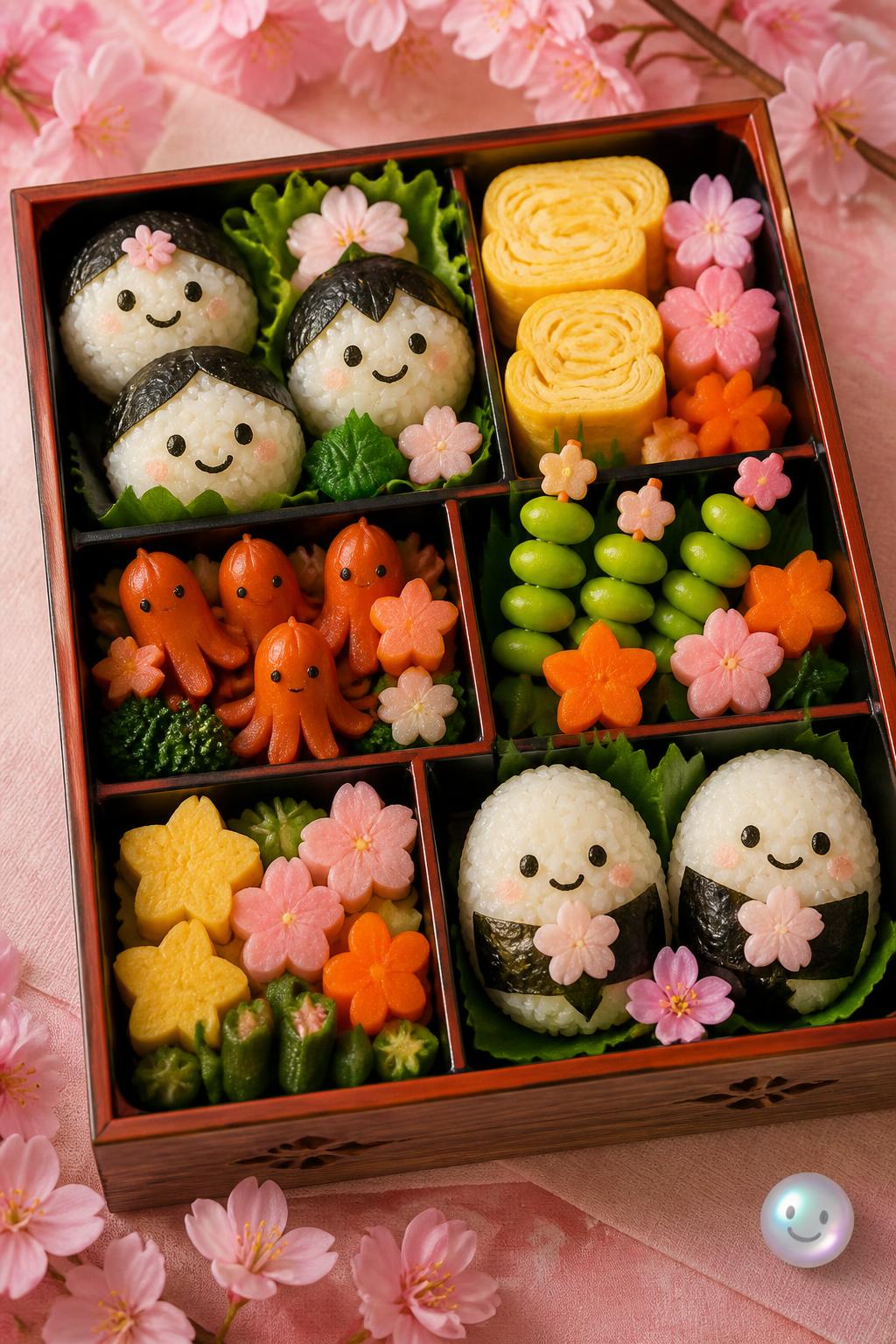
yuki Incorporating five specific colors ensures both visual beauty and diverse nutritional value.
White-out lunch: A bento featuring only a single red pickled plum on a bed of white rice is called a 'Hinomaru bento,' mimicking Japan's national flag.
A Japanese packed lunch consisting of various dishes served in a compartmentalized box. Japanese cooks traditionally pack these boxes tightly, using a three-to-two-one ratio to ensure nutritional harmony.
In the Japanese 'goshiki' bento color theory, which color food is represented by ingredients like black sesame or hijiki seaweed?
What are the green, plastic divider sheets used in Japanese bentos to separate different foods called?
Which of these ingredients is commonly used in Japanese bentos as a natural antibacterial agent?
To prevent food spoilage, what must a bento chef do before closing the lid of a packed Japanese lunchbox?
According to traditional Japanese bento guidelines, what is the golden volumetric ratio of ingredients (rice to protein to vegetables to pickled items)?
Why is a pickled plum, known as 'umeboshi,' traditionally placed in the center of a Japanese bento rice bed?