
Chapter 1
The magic trick of the steady dollar
Chapter 2
The global rescue line
Chapter 3
The giant digital vault
Chapter 4
The future of digital wallets
Ch 2 · The global rescue line
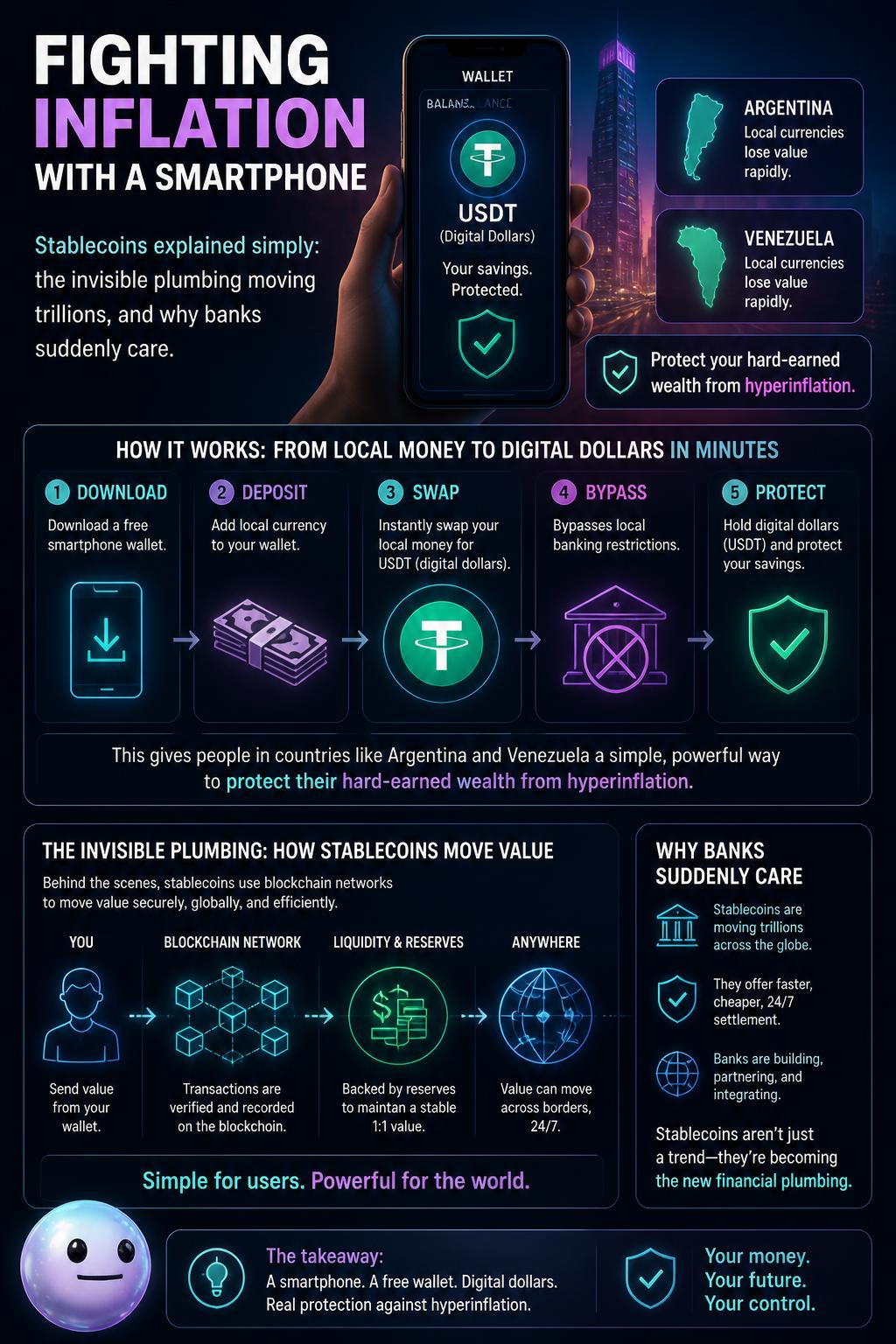
nic Free smartphone wallets let people instantly swap failing local currencies for USDT, bypassing banking restrictions to protect their hard-earned savings.
Quiz
In which South American country have citizens heavily adopted stablecoins to protect their savings from triple-digit inflation?
Quiz
Why do people in inflation-heavy countries prefer stablecoins over physical US dollar bills?
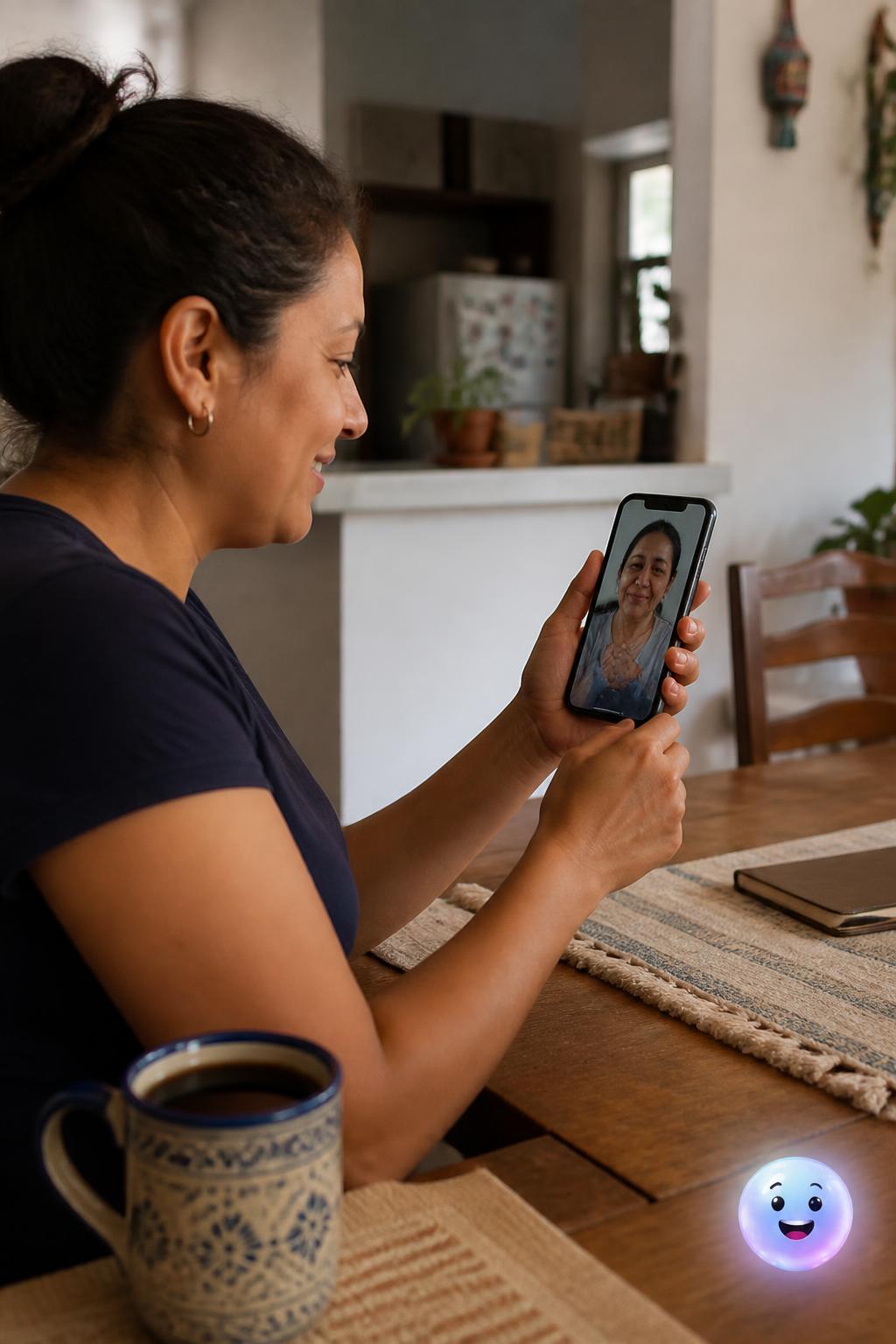
nic Global workers send digital dollars instantly to families in Mexico, India, and Nigeria.
Quiz
What is the traditional term for money sent home by foreign workers to their families in another country?
Quiz
Approximately what percentage fee can traditional international money transfers charge, which stablecoins help avoid?
Fun Fact
Inflation shield: In Argentina, stablecoins are often called 'crypto dollars' and are sold at local corner stores alongside phone cards and snacks.
Quiz
Which African nation has become a global leader in peer-to-peer stablecoin use due to its young, tech-savvy population?
Quiz
What local currency's rapid decline prompted Nigerian youth to adopt digital dollars for savings and freelance work?
Glossary
swap line (noun)
A bilateral agreement between central banks to exchange currencies to maintain liquidity in foreign exchange markets. In 2008, the Federal Reserve extended over $580 billion in emergency swap lines to foreign central banks.
A bilateral agreement between central banks to exchange currencies to maintain liquidity in foreign exchange markets. In 2008, the Federal Reserve extended over $580 billion in emergency swap lines to foreign central banks.
nic Digital Wallets for the Unbanked
No bank in my town but my phone has the key, Holding digital dollars safe as can be.
Quiz
What is the minimum requirement for someone to open a digital stablecoin wallet and start receiving payments?
Quiz
According to the World Bank, approximately how many adults globally remain 'unbanked' without access to traditional financial institutions?