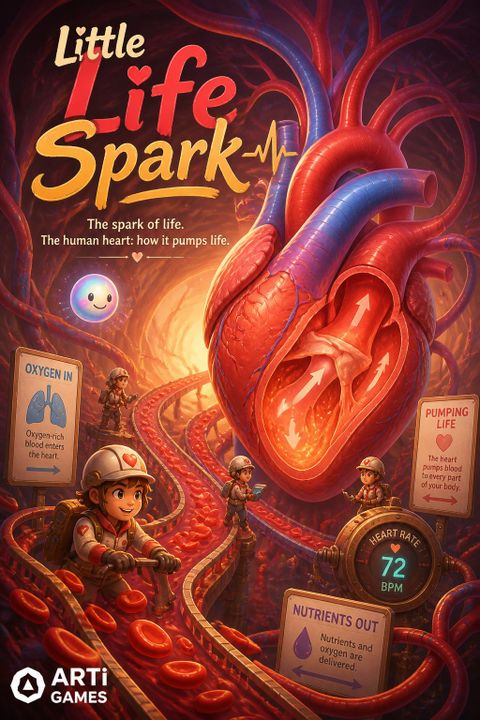
The four-chambered engine
The spark of life
Mapping the flow
Hearts under pressure
YOUR GOAL
Master of How the heart works
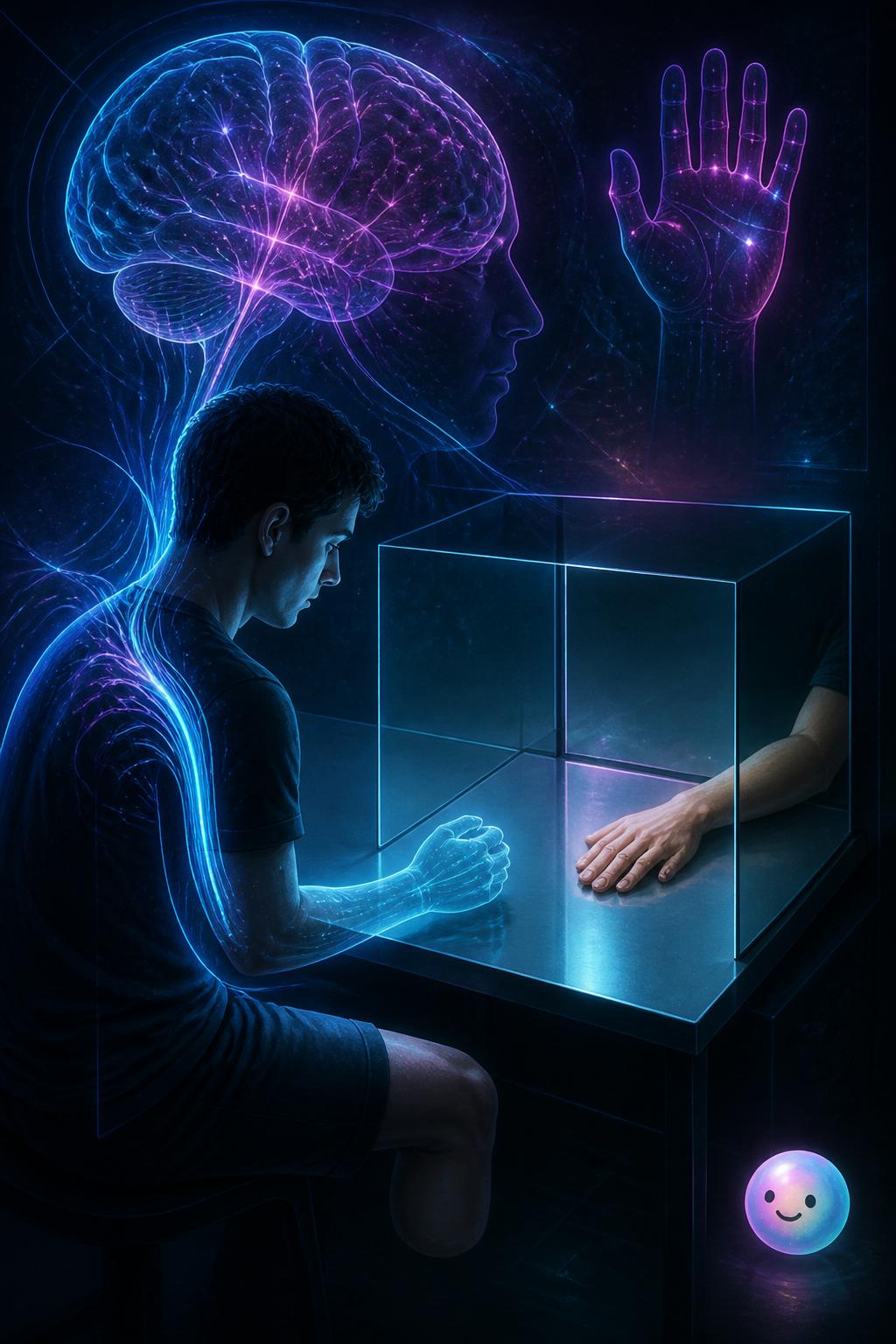
artiteacher The spark of life
An electric spark, Beating in the dark, Pumping on its own!
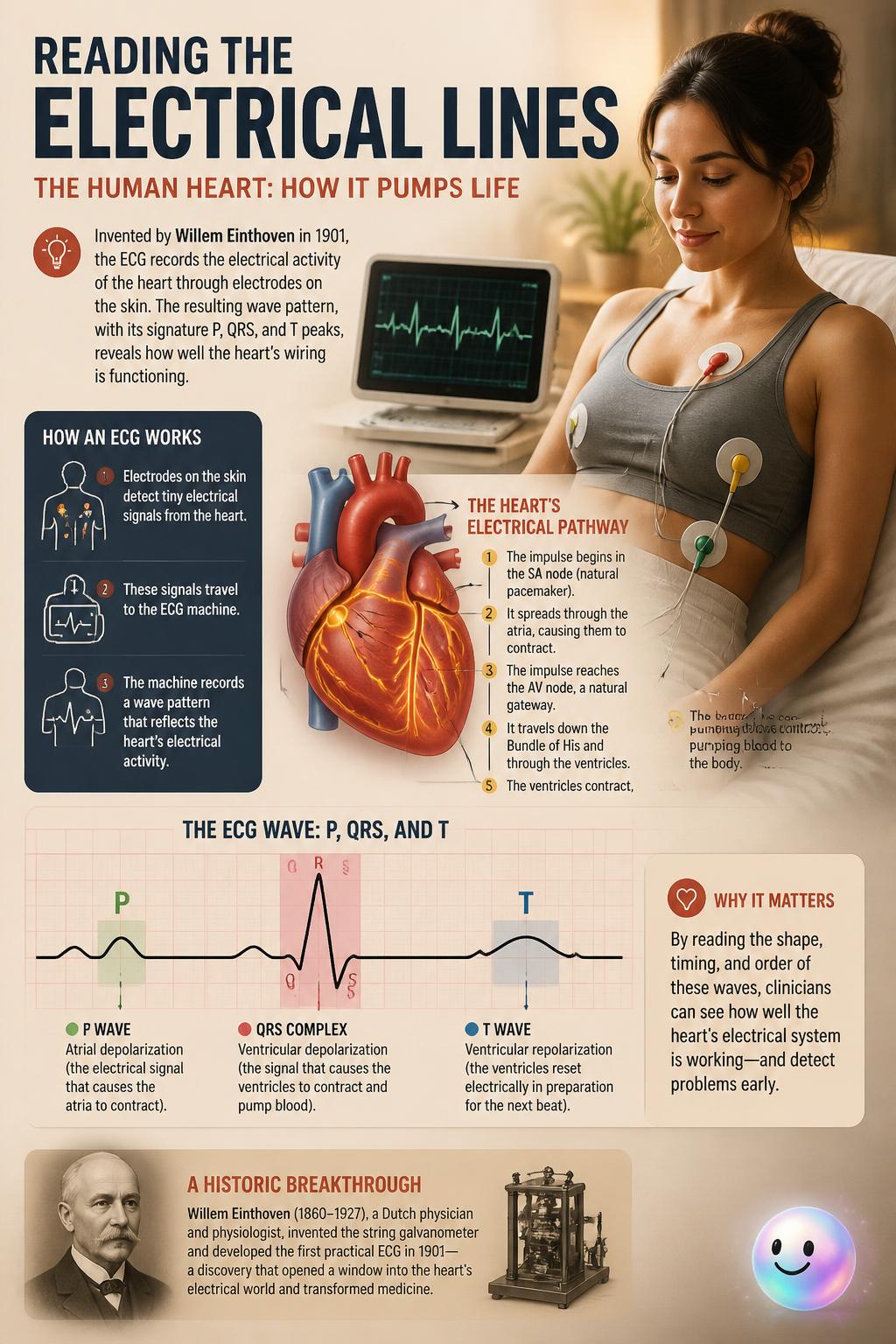
artiteacher Doctors use electrocardiograms (ECGs) to map the heart's electrical pathways and detect hidden rhythm issues.
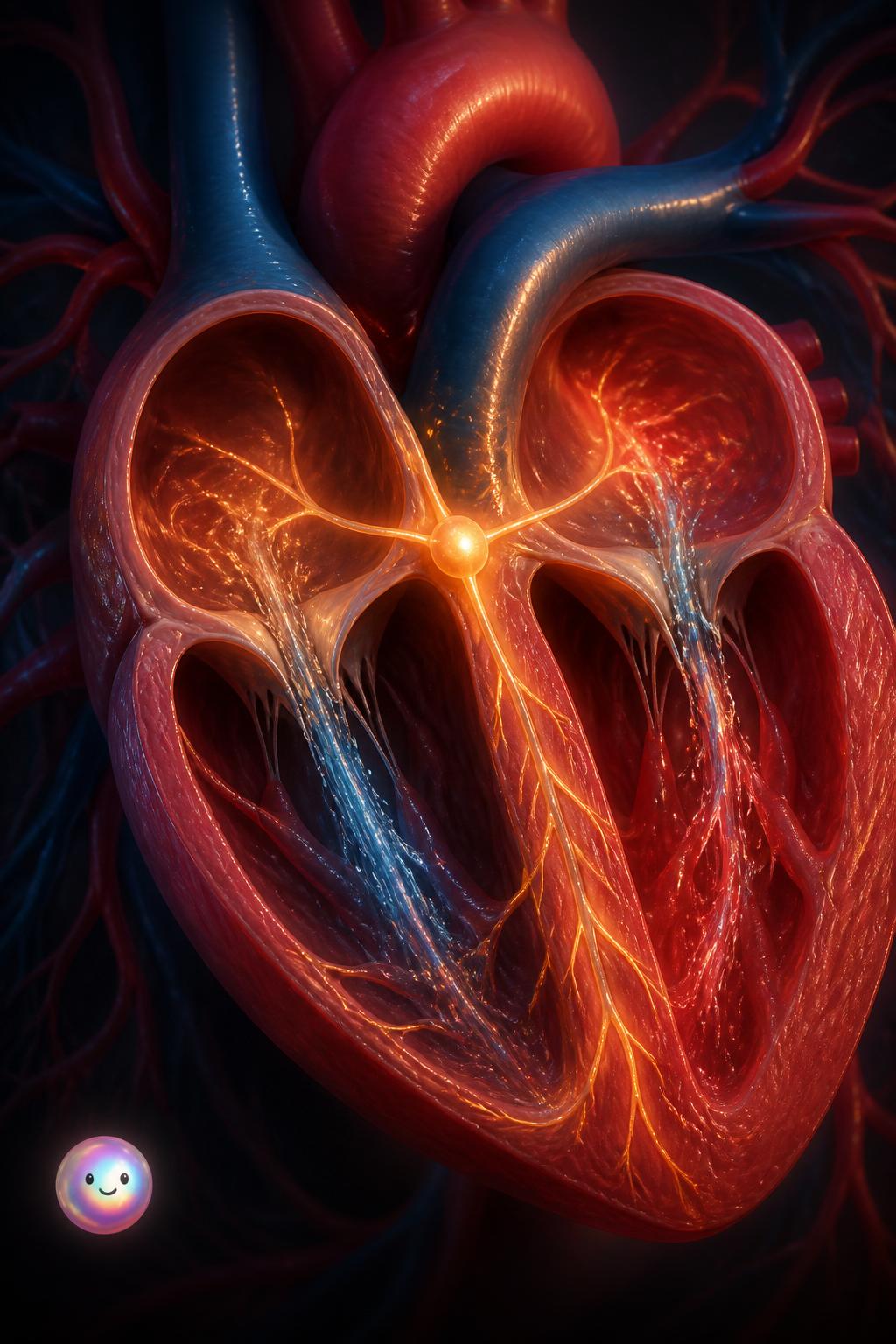
artiteacher A secondary node pauses the electrical signal briefly to allow the heart chambers to fill properly.
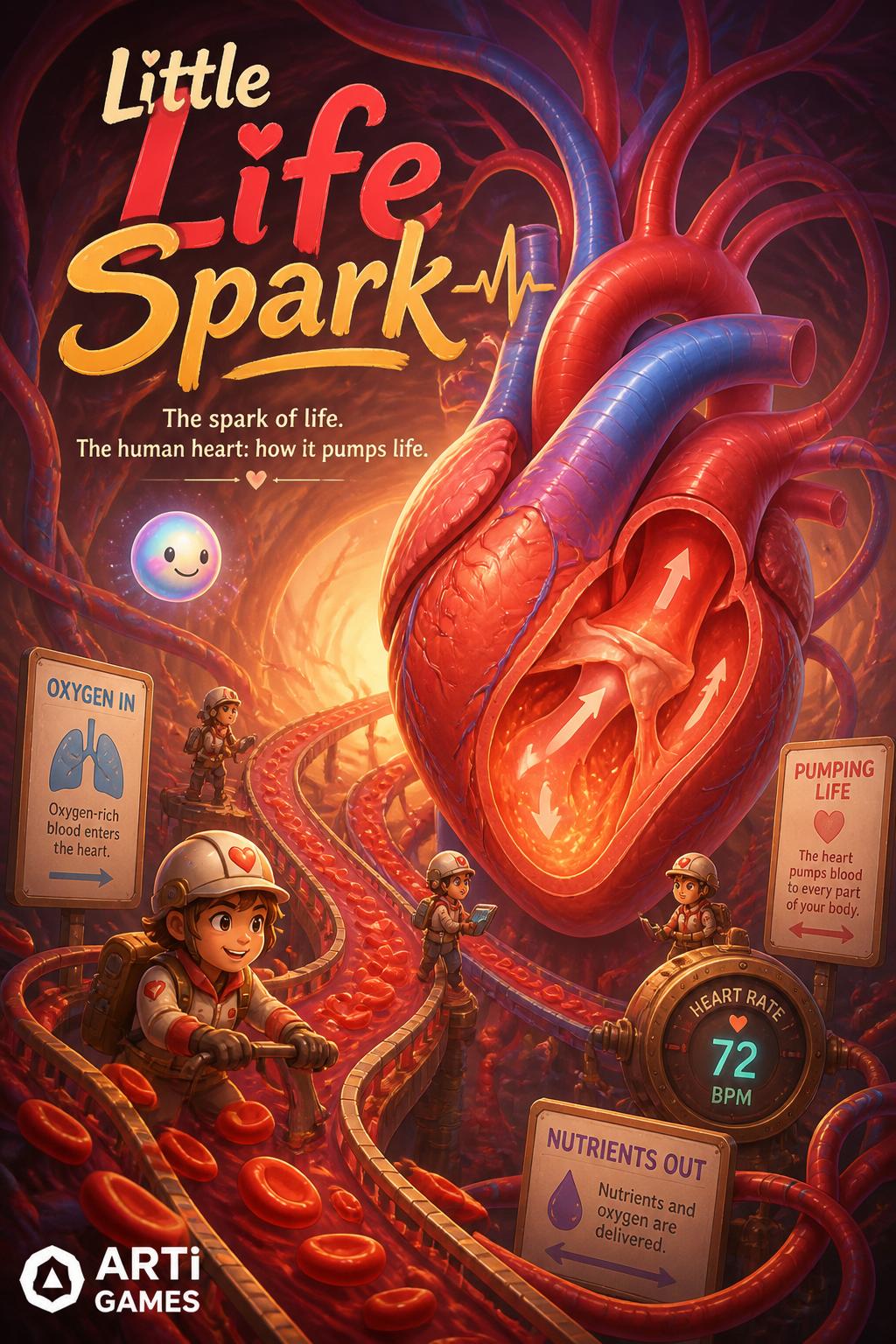
artiteacher Time the electrical sparks to discover how the heart's natural pacemaker pumps life.
Heart electricity: The electrical energy generated by the human heart is strong enough to be measured from several feet away with sensitive detectors.
A specialized area of heart muscle, or an implanted electronic device, that regulates the heartbeat. In 1958, Swedish inventor Rune Elmqvist designed the first implantable model to regulate irregular heartbeats.
What is the term for the heart's ability to generate its own electrical impulses independently?
Which wave on an ECG graph represents the contraction of the heart's ventricles?
What happens to a human heart's electrical rhythm during a state of deep sleep?
How do electrical signals travel from the AV node down to the bottom of the ventricles?
What mineral is most critical for carrying the electrical charge across cardiac cell membranes?
Why does the atrioventricular (AV) node briefly delay the electrical signal in the heart?
Who invented the first practical electrocardiogram (ECG) to measure heart electricity in 1901?
What is the name of the natural pacemaker that initiates the heartbeat in humans?