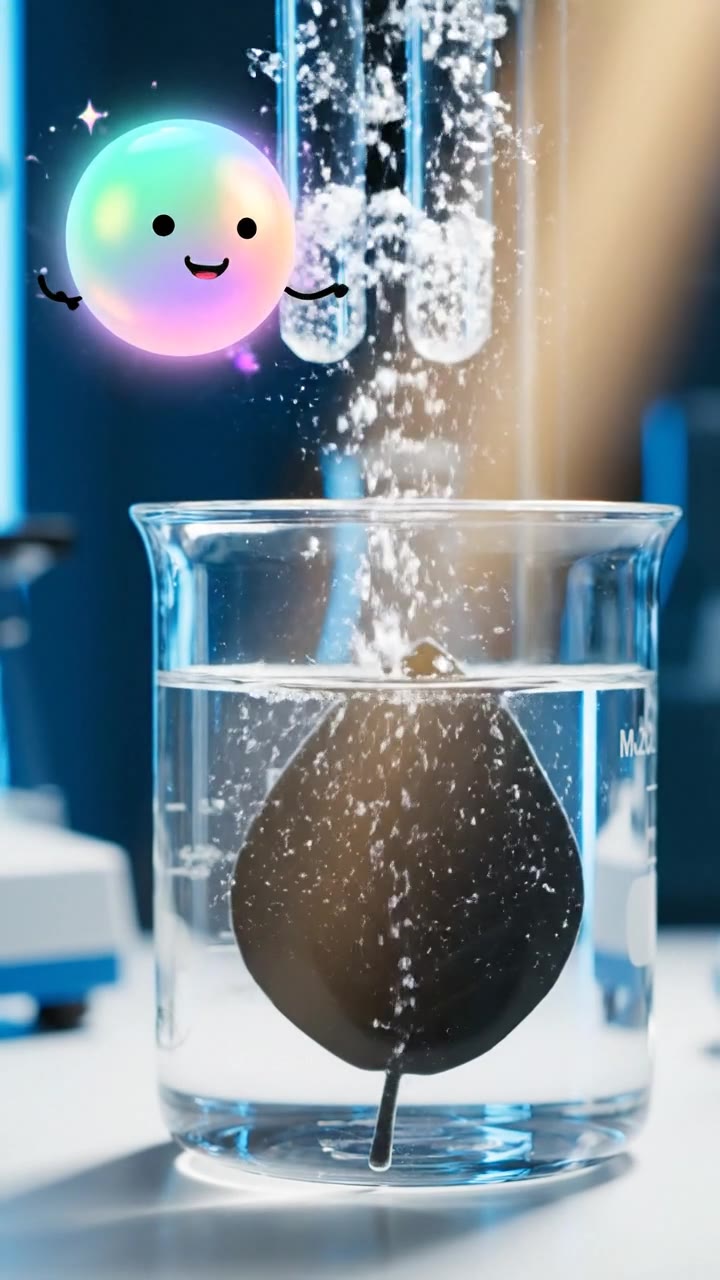
Mimicking leaves in the science lab
In 2011, chemist Daniel Nocera created the first practical 'artificial leaf' using silicon and catalysts. These devices split water into hydrogen and oxygen using sunlight, offering a blueprint for future clean energy.
The leaf as a solar panel
The magic recipe of air and water
The ancient bacteria that changed the world
The global engine of life

artiteacher Chemist Daniel Nocera created an artificial leaf that uses sunlight to split water into hydrogen and oxygen.

artiteacher Catch falling sunbeams and water to discover how leaves turn light into food.
artiteacher The global engine of life
Sunlight breaks the water, and we breathe the sky!

artiteacher The Amazon Basin acts as a giant carbon sink, absorbing billions of tons of carbon dioxide.
Ocean oxygen: Every second breath of oxygen you take comes from microscopic phytoplankton in the sea.


artiteacher Desert plants like cacti use a special photosynthesis method to survive extreme heat.
The chemical process by which green plants, algae, and some bacteria convert carbon dioxide and water into food using energy from sunlight. In 1779, Jan Ingenhousz demonstrated that plants require sunlight to perform this vital chemical process.

What did scientist Daniel Nocera invent in 2011 to mimic natural photosynthesis?
What percentage of Earth's oxygen is estimated to be produced by marine phytoplankton?
What clean fuel do scientists hope to generate using artificial photosynthesis technology?
Approximately how many square kilometers does the carbon-absorbing Amazon rainforest cover?
Why do desert plants using CAM photosynthesis only open their stomata at night?
What is the name of the water-saving photosynthesis method used by cacti and pineapples?