The skin as a living shield
The science of hair and nails
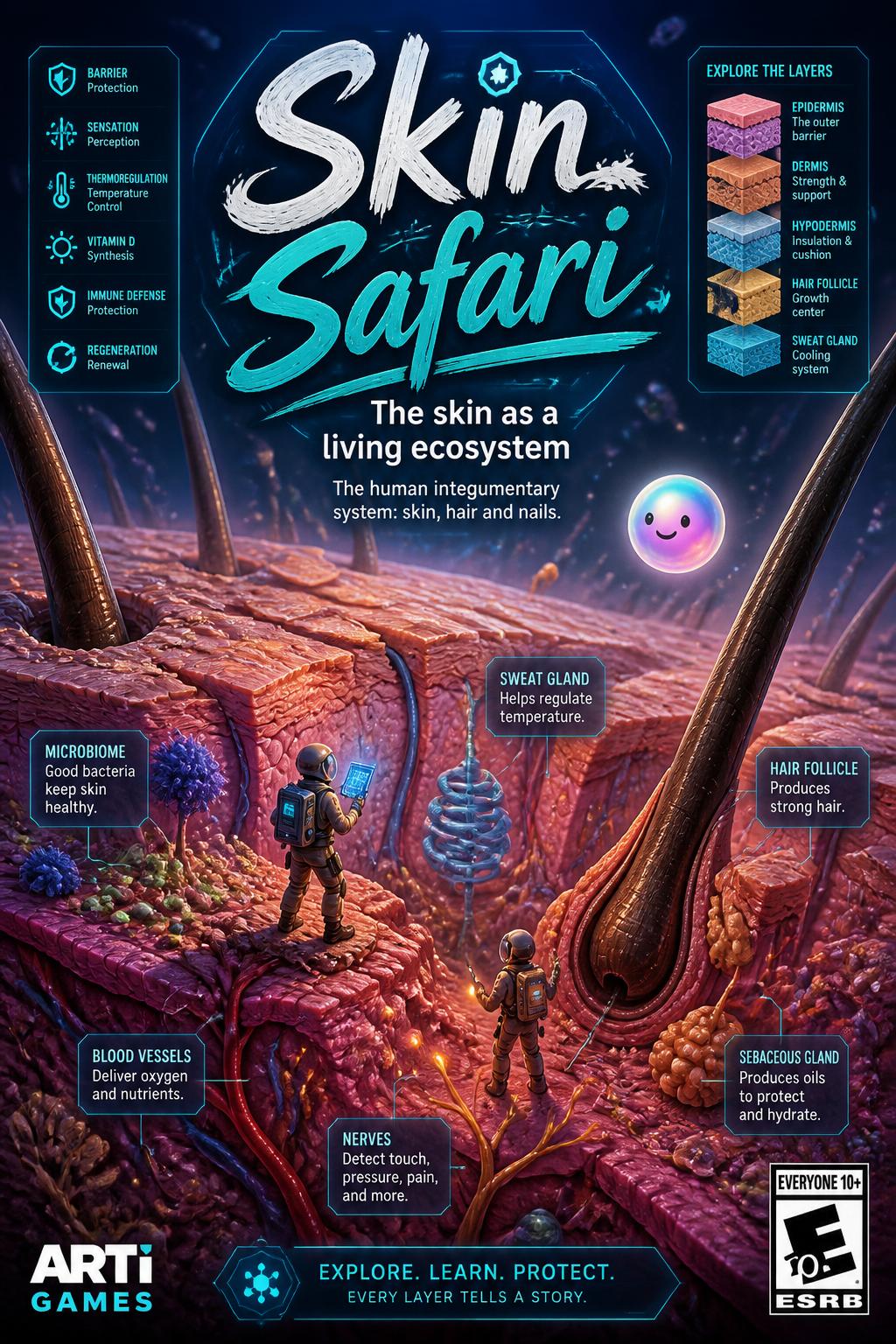
The skin as a living ecosystem
YOUR GOAL
Master of The human integumentary system

artiteacher Skin microbiome
Trillions of microbes / Living on your skin / Keeping you so safe!
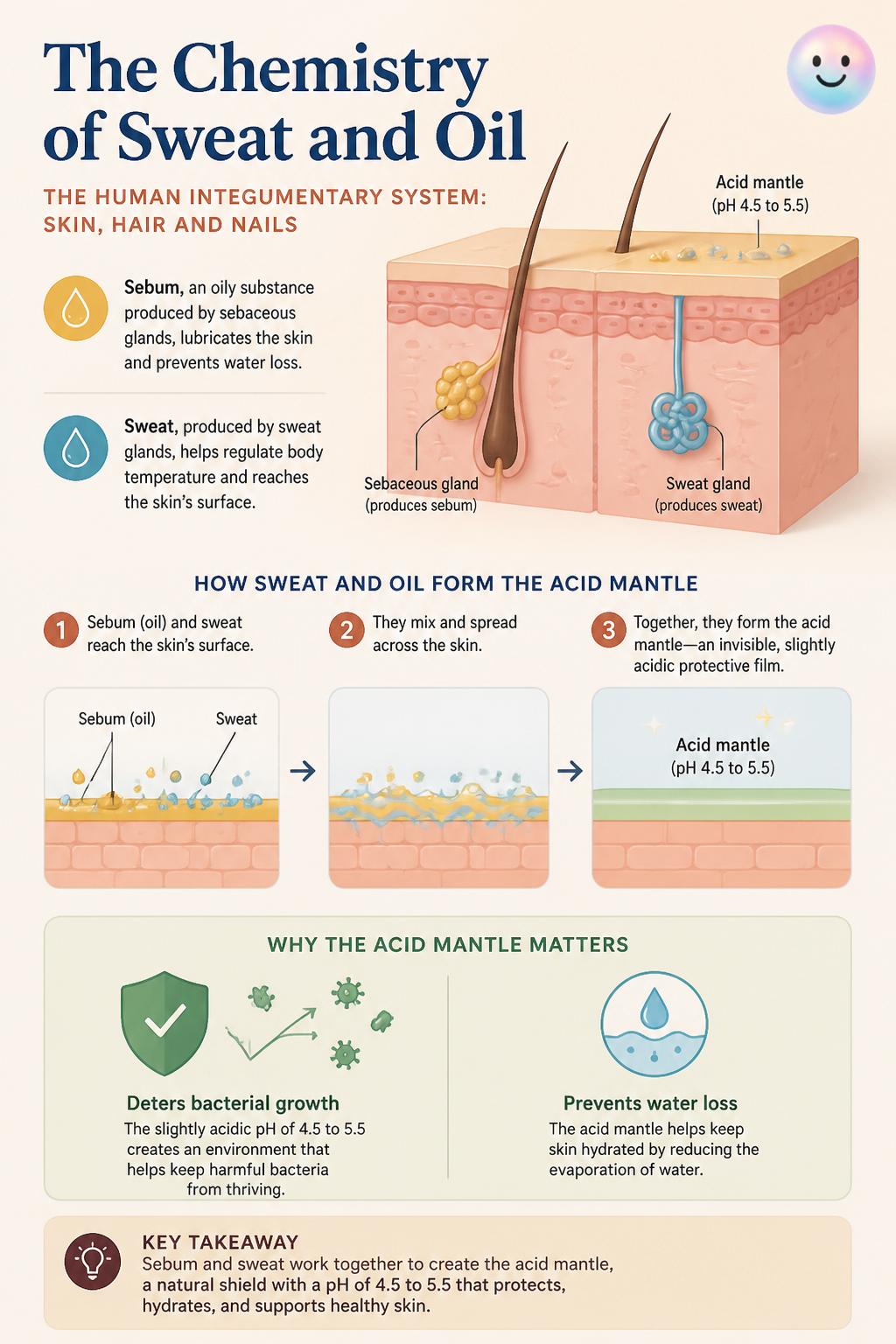
artiteacher Sweat and sebum work together to create an acidic barrier that keeps skin hydrated and germ-free.
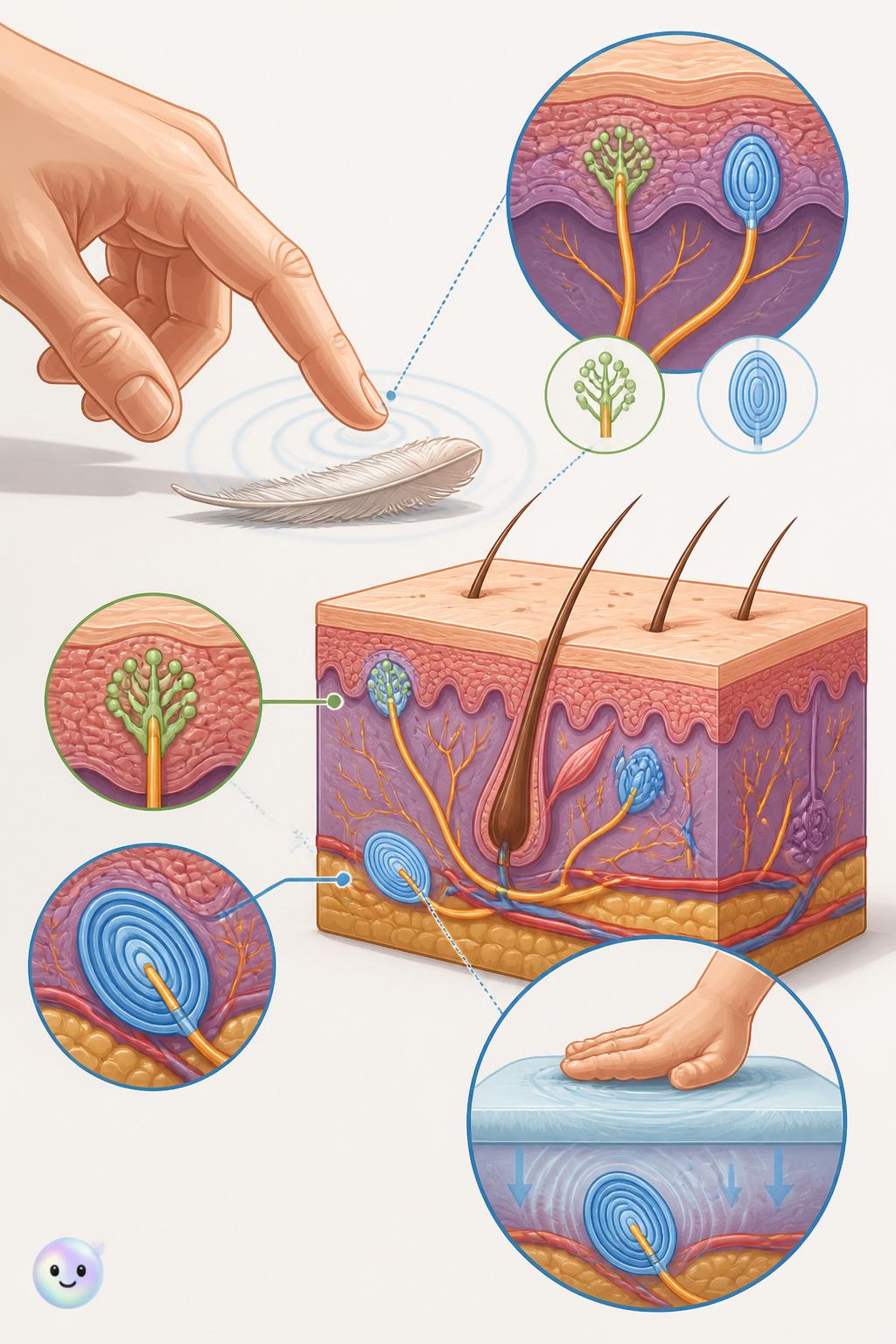
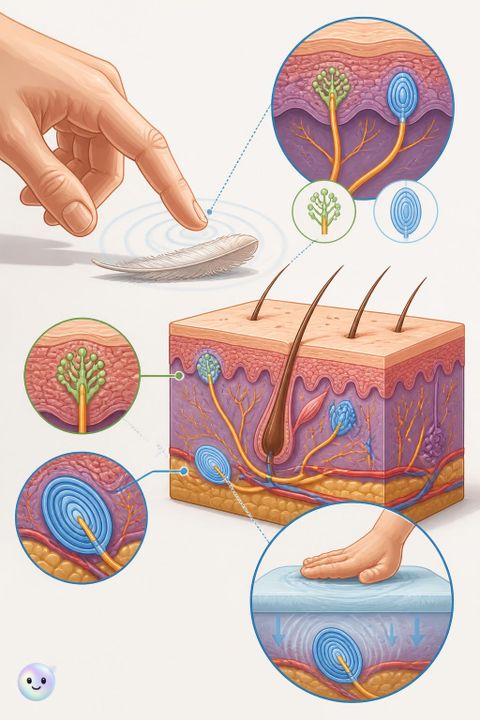
artiteacher Millions of specialized sensory receptors in the dermis translate physical contact into electrical brain signals.
Acid mantle: Your skin is naturally acidic, with a pH similar to coffee, which helps stop harmful bacteria from growing.
The community of microorganisms, such as bacteria, fungi, and viruses, that inhabit a particular environment. In 2007, researchers began mapping these diverse microbial communities living across different areas of human skin.
What is the first stage of the skin's wound healing process, which stops active bleeding?
What is the oily substance produced by glands to lubricate and waterproof human skin?
Approximately how many sensory receptors are found in one square centimeter of human fingertips?
Which gland is responsible for producing the sebum that forms the skin's protective lipid barrier?
What is the normal, slightly acidic pH range of the skin's protective acid mantle?
Why do healed skin scars look different and feel less functional than original skin?
Approximately how many microbes live on a single square centimeter of healthy adult skin?
Which specialized sensory receptor in the skin is responsible for detecting deep pressure and vibrations?