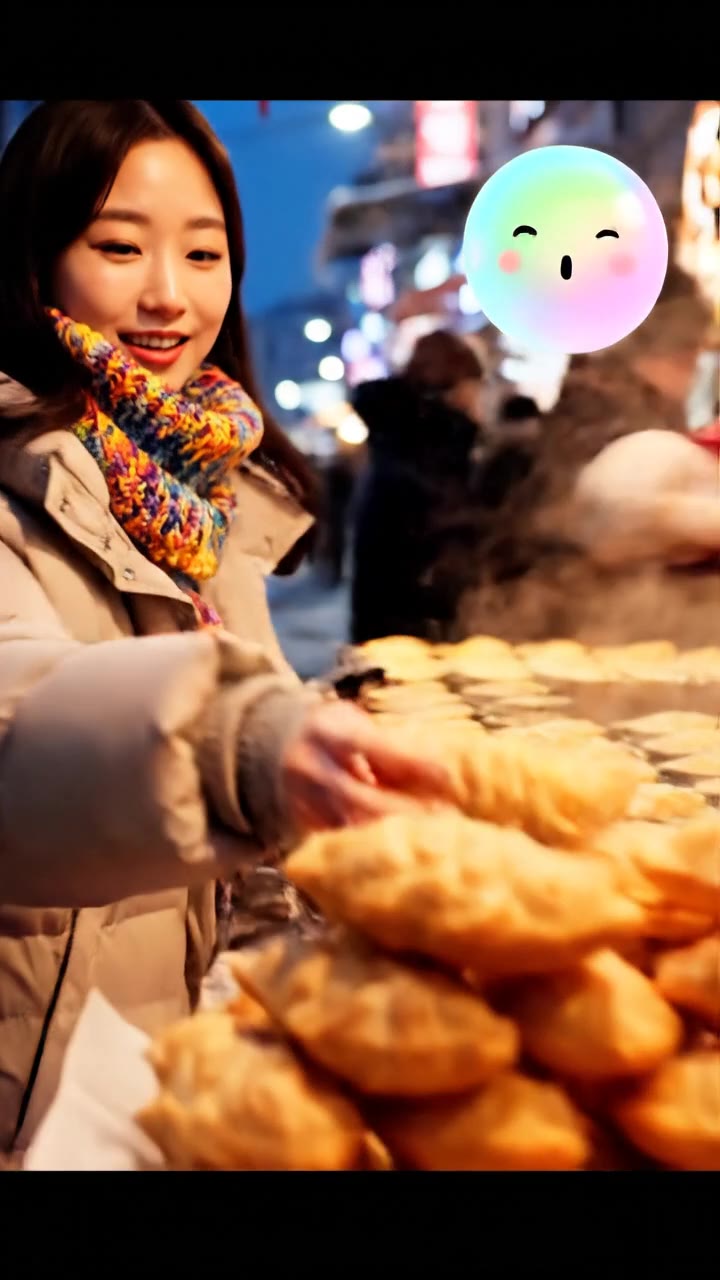
스마트폰 시대의 붕세권 문화
현대인들은 '가슴속 3천원' 같은 위치 공유 앱을 통해 꼭 현금을 품고 다니며 길거리 노점을 찾습니다. 집 근처에 붕어빵 가게가 있는 편리한 주거 지역을 뜻하는 '붕세권'이라는 신조어는 겨울철 놀이 문화로 자리 잡았습니다.
붕어빵의 탄생과 역사적 유래
반죽과 팥소에 숨겨진 과학
모양과 디자인의 시각적 차이
겨울철 길거리 간식의 따뜻한 세계
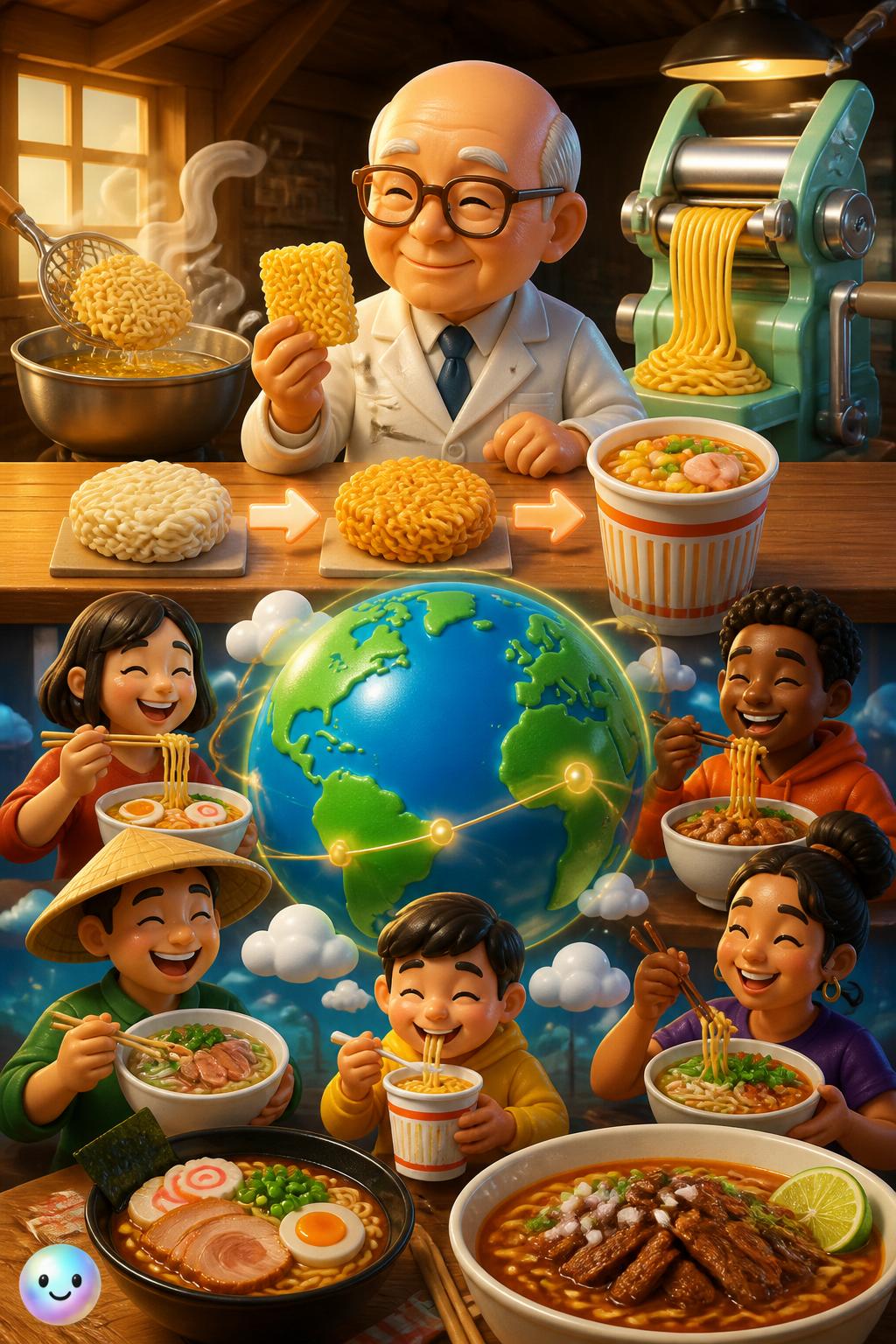
renato Chinese merchants brought these dough pockets to Korea during the 1882 Imo Incident. Locals added brown sugar, honey, and nuts to create today's chewy, sweet winter snack
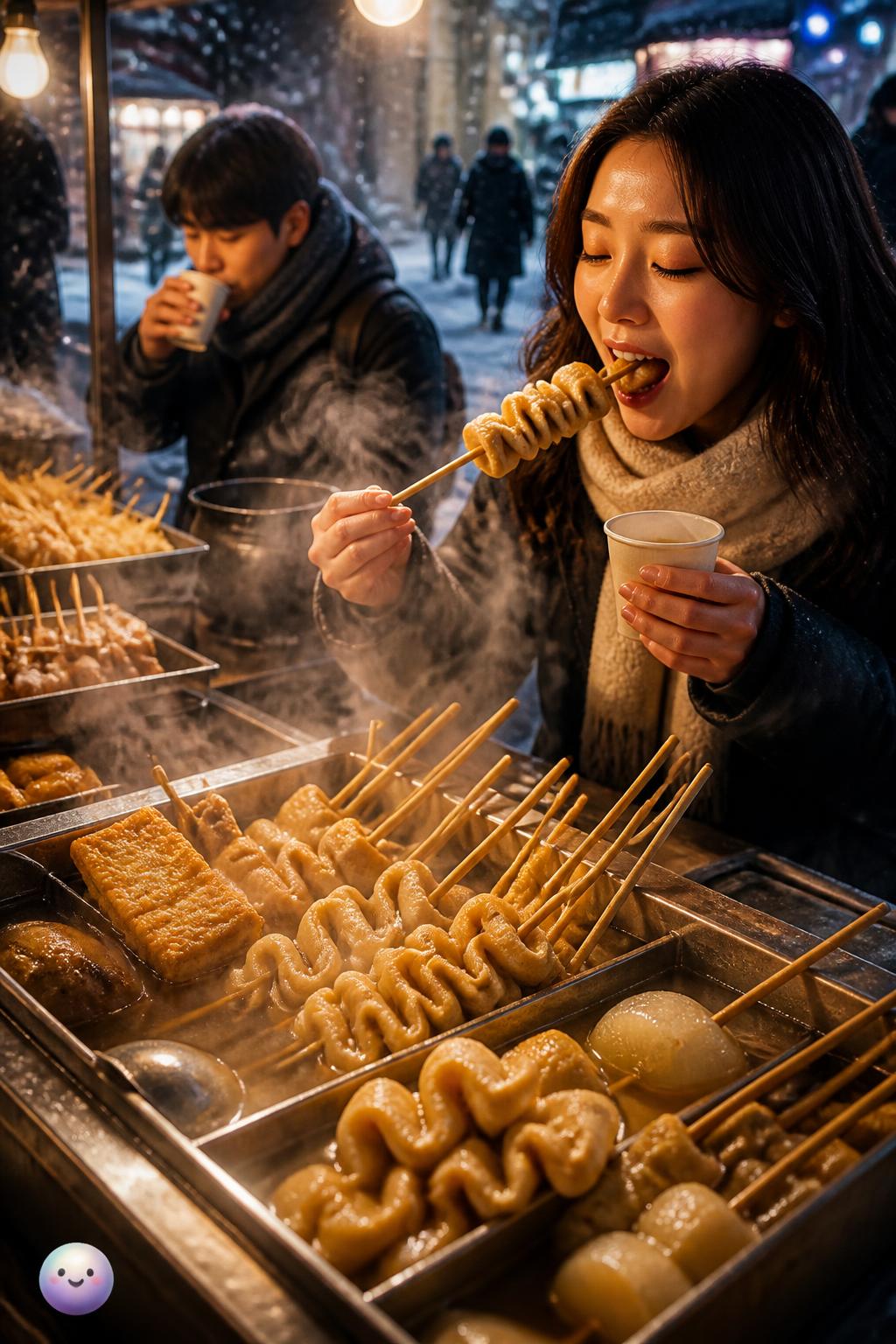
renato Koreans adapted Japanese oden during the colonial period by brewing a unique broth with anchovies and radish. Now, these steaming street-side treats warm hungry crowds on freezing winter days.
renato In 1984, a street stall at Incheon's Inha University baked a whole egg inside sweet batter. This cheap snack became a popular breakfast for students on a budget.
renato Winter snack lovers use the 3000 Won in My Pocket app to locate fish-shaped pastry stalls. This digital search creates popular residential zones called Bungse-gwon.
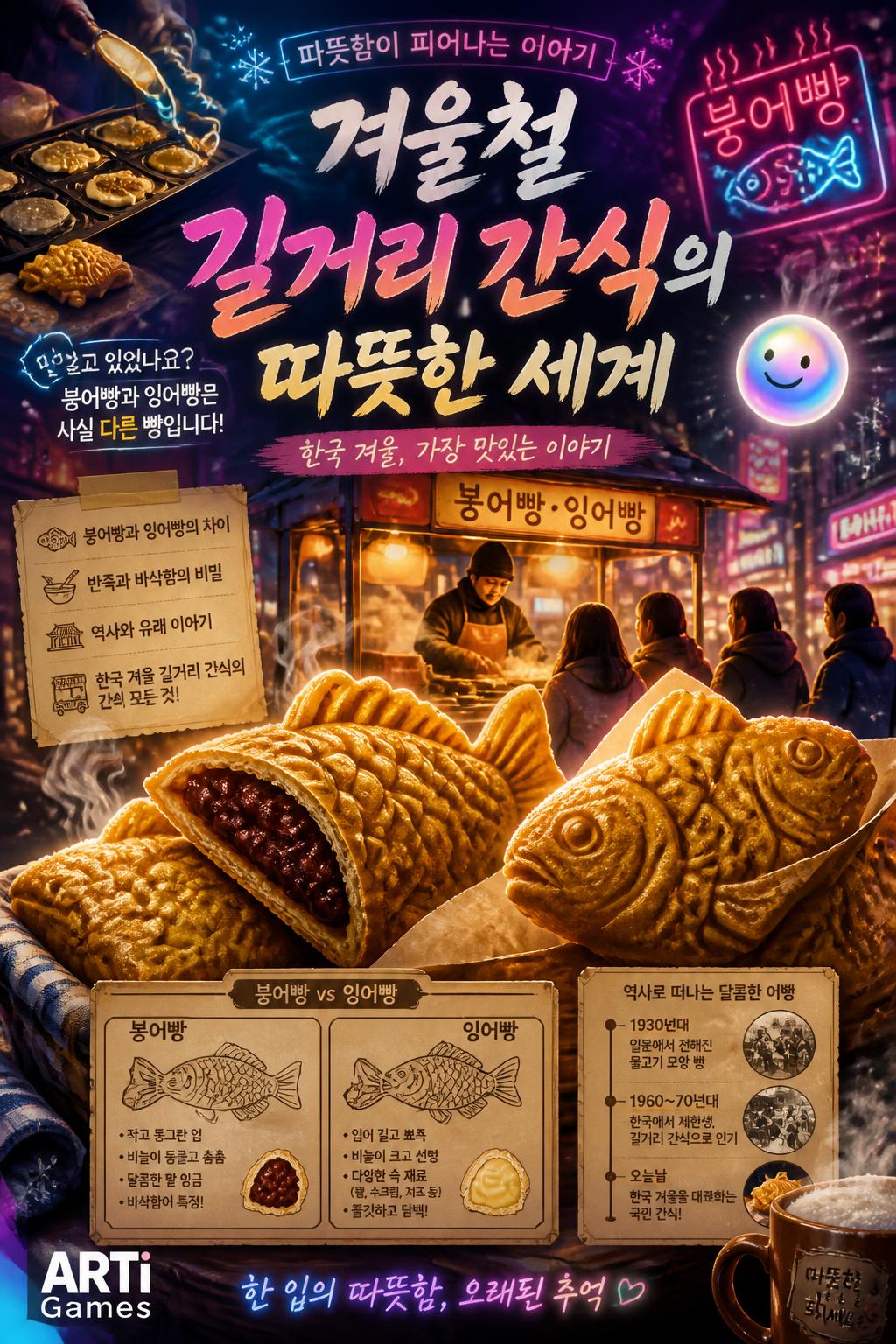
renato Sort winter treats by their batter to discover what makes Bungeoppang and Ingeoppang different.
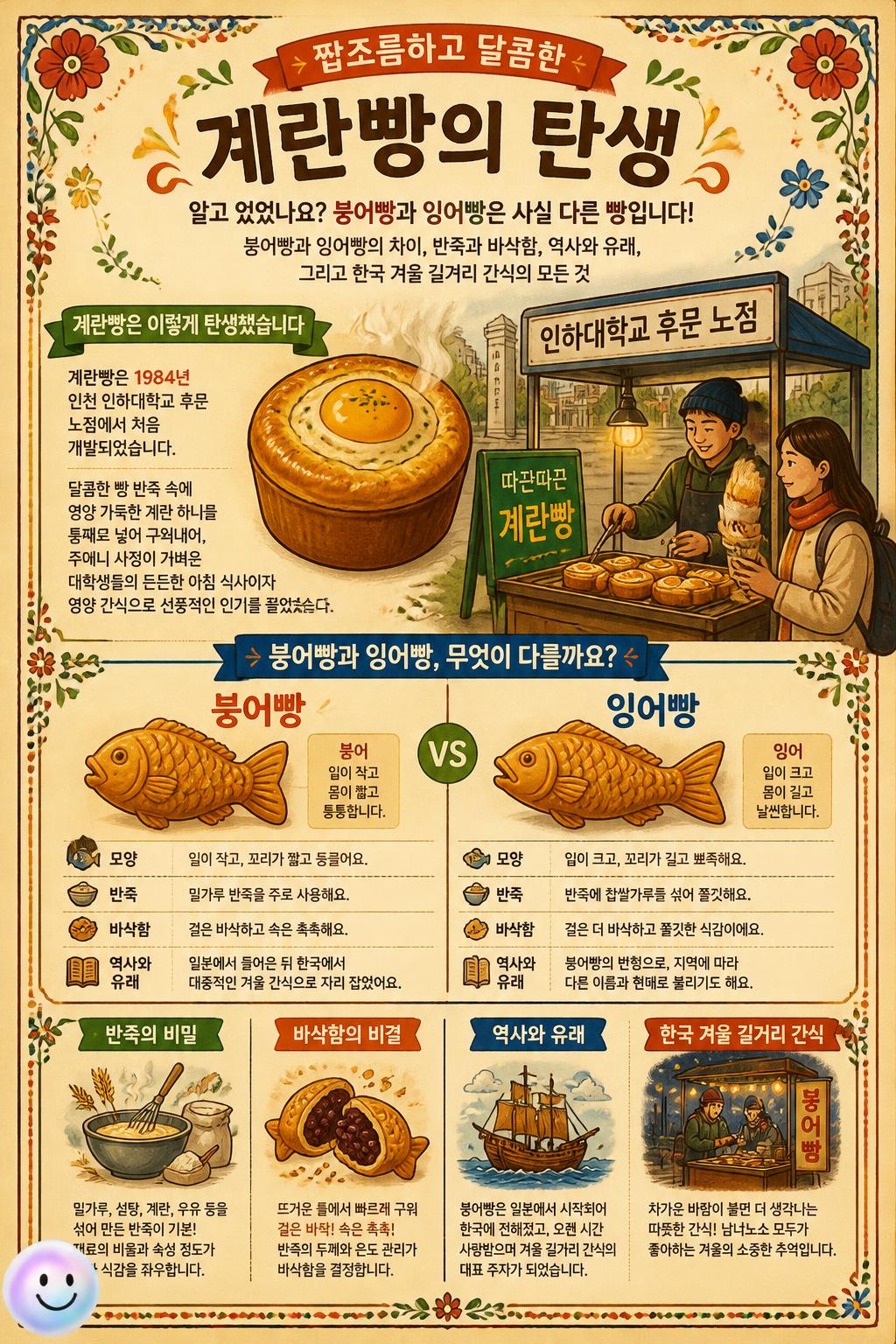
밀가루 반죽에 팥소를 넣고 물고기 모양 틀에 구워 만든 한국의 대중적인 간식. 이 음식은 1930년대 전래된 이후 팥소 외에도 슈크림 등 다양한 소를 활용하며 진화해 왔다.