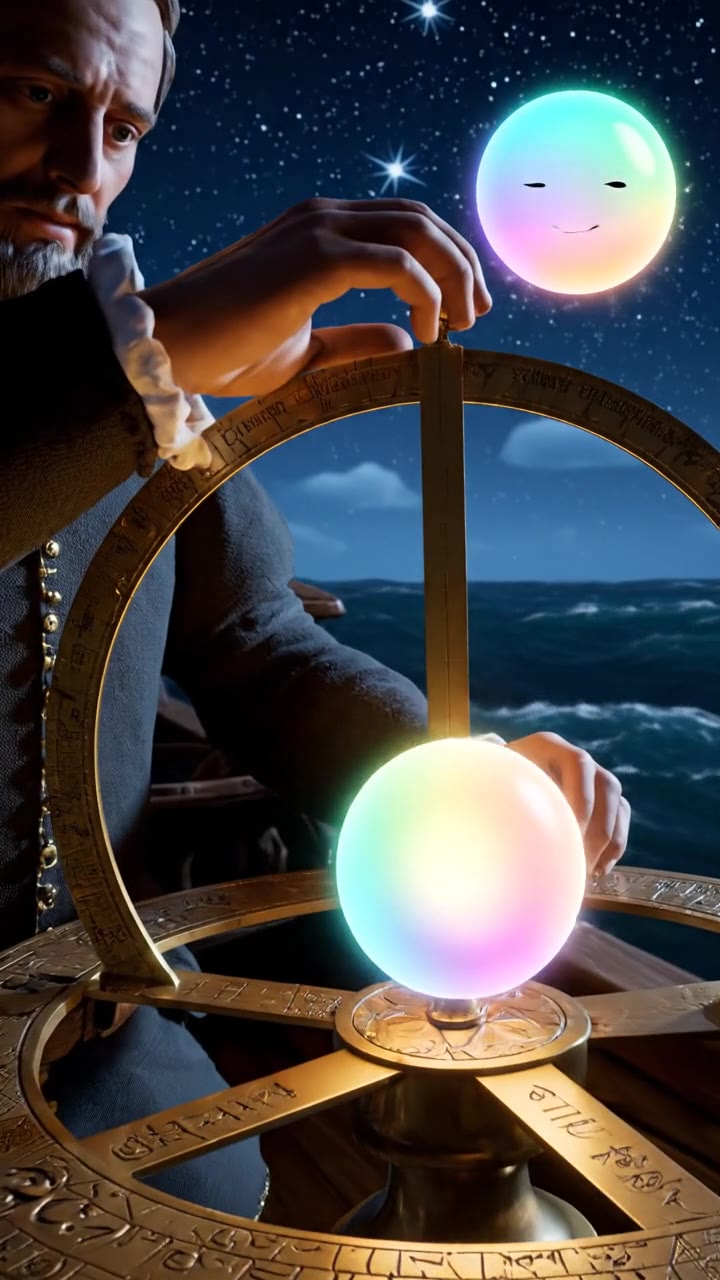
The mapmakers' monsters
The mystery of scurvy
Indigenous knowledge and survival
The technology of lost sailors
YOUR GOAL
Master of Scurvy and sea monsters
misslily The technology of lost sailors
Is that a monster on the ocean map? (No way, no way!) Just a giant walrus taking a nap! (Oh yeah, oh yeah!)
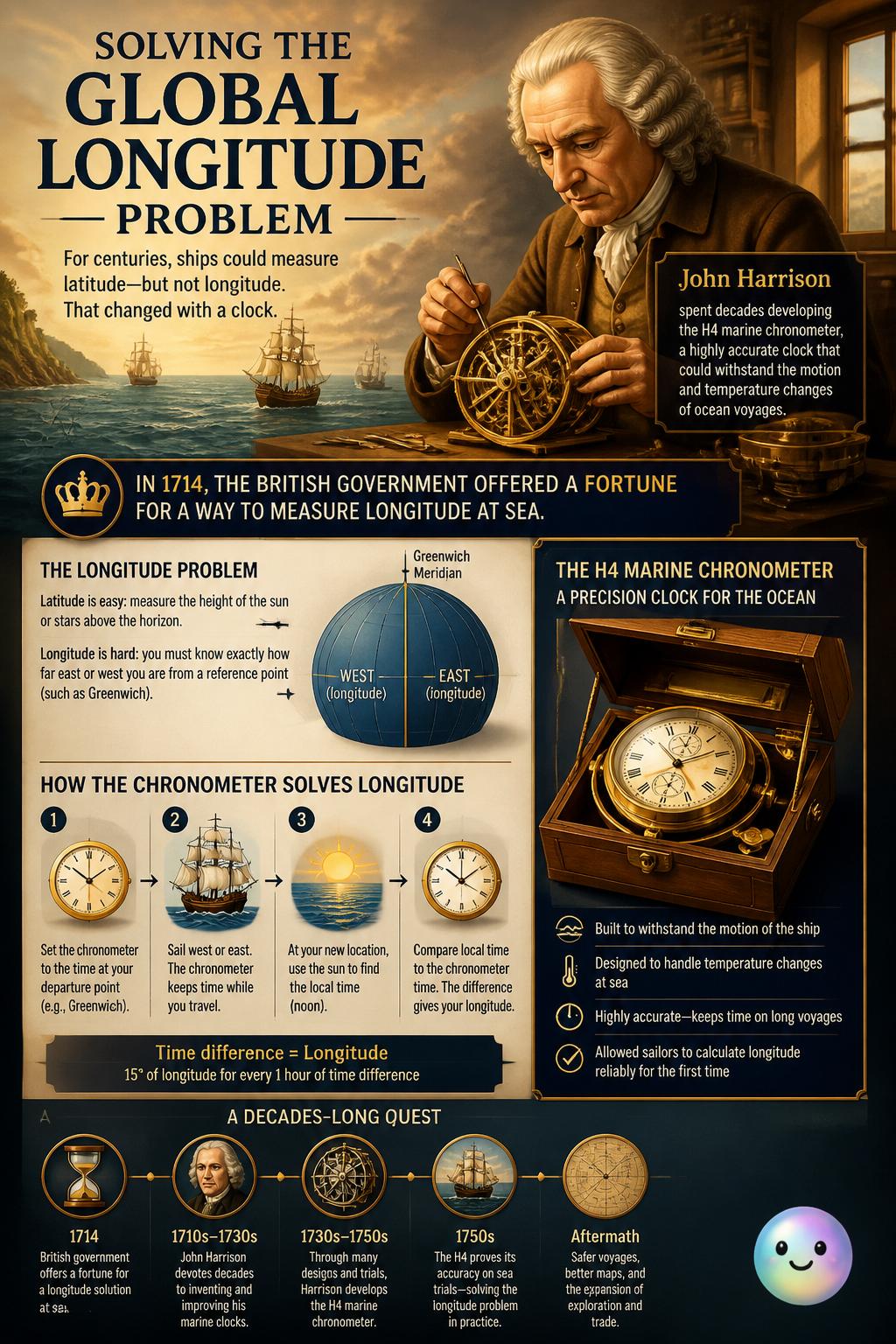
misslily Determining a ship's east-west position was impossible until a self-taught clockmaker built a seaworthy watch.
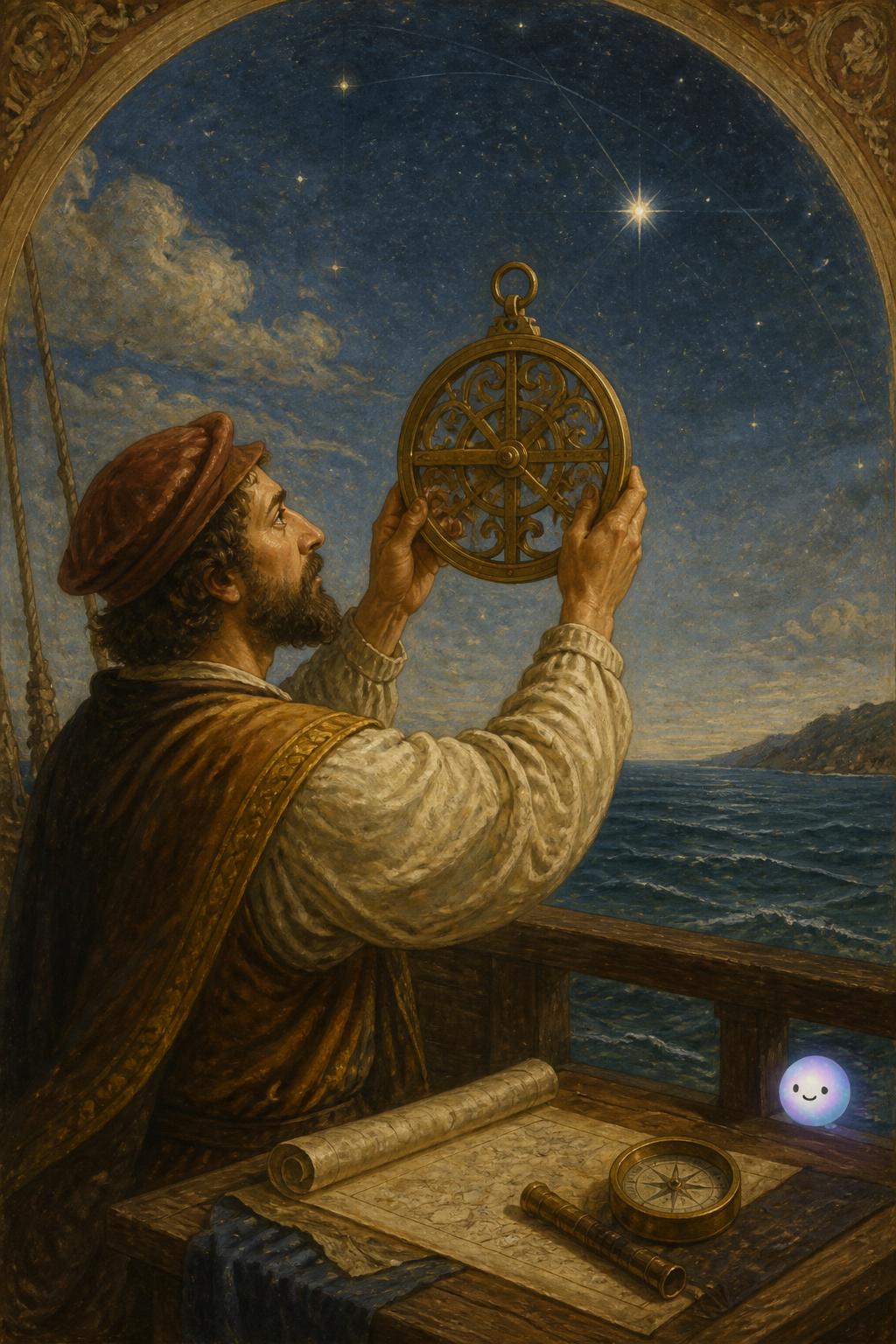
misslily Sailors used the marine astrolabe to determine their latitude by measuring the angle of the sun or stars.
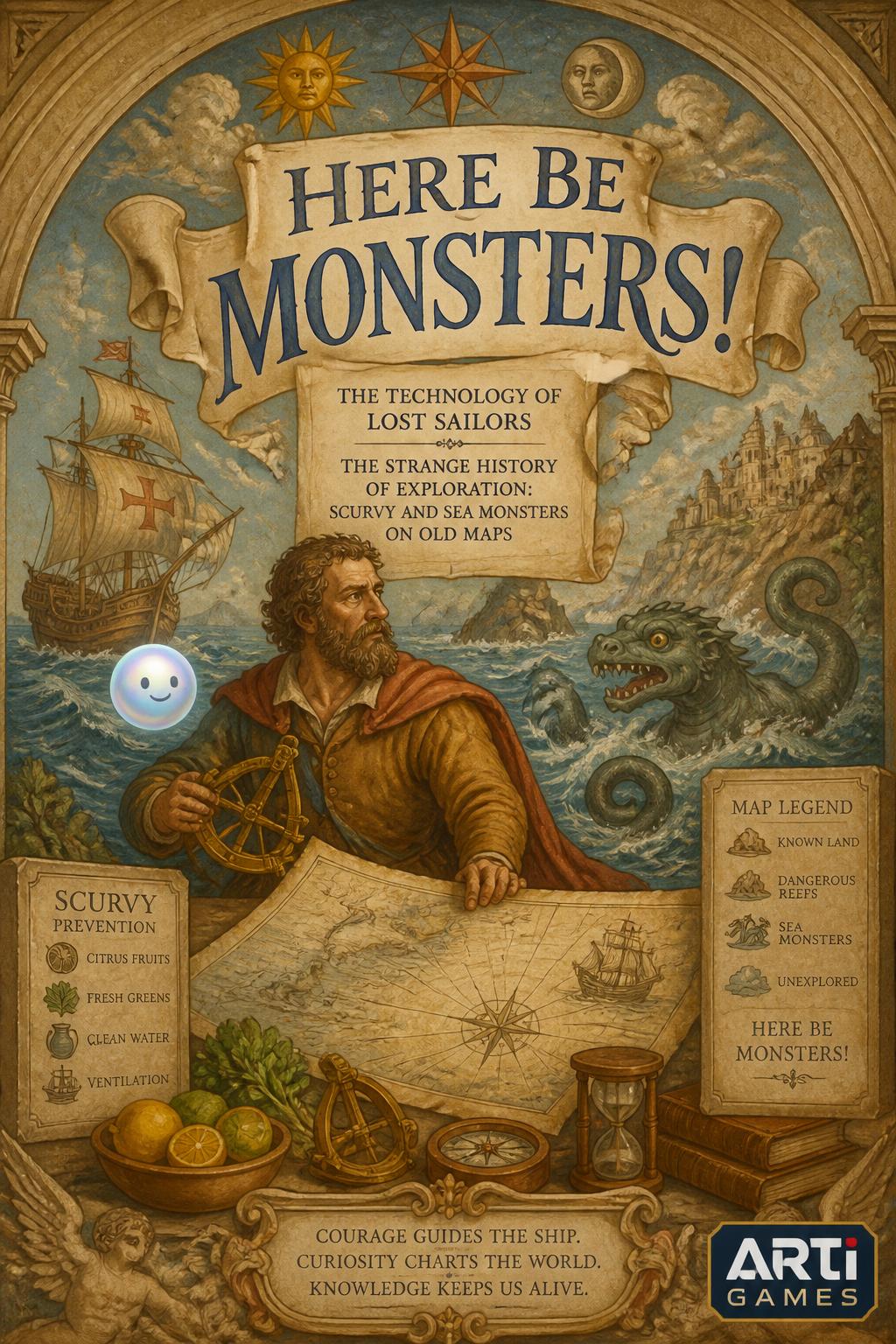
misslily Navigate uncharted oceans to learn how early sailors survived scurvy and mapped mythical monsters.
Origin of knots: The unit 'knots' comes from sailors counting actual knots on a rope to measure ship speed in the 16th century.
An ancient instrument used to measure the altitude of celestial bodies for navigation. Portuguese mariners adapted this tool in 1481 to guide their caravels through uncharted Atlantic waters.
Who invented the highly accurate marine chronometer in the 18th century, solving the global longitude problem?
What unit of speed, still used today, originated from sailors counting knots on a rope thrown into the sea?
From which golden age of science and culture was the marine astrolabe adapted for European exploration?
What does a lead sounding line primarily measure for a ship approaching shallow waters?
Why was a standard pendulum clock useless for keeping time and measuring longitude on a ship?
Which celestial body did northern hemisphere sailors align with their astrolabes to calculate latitude?