
BETA
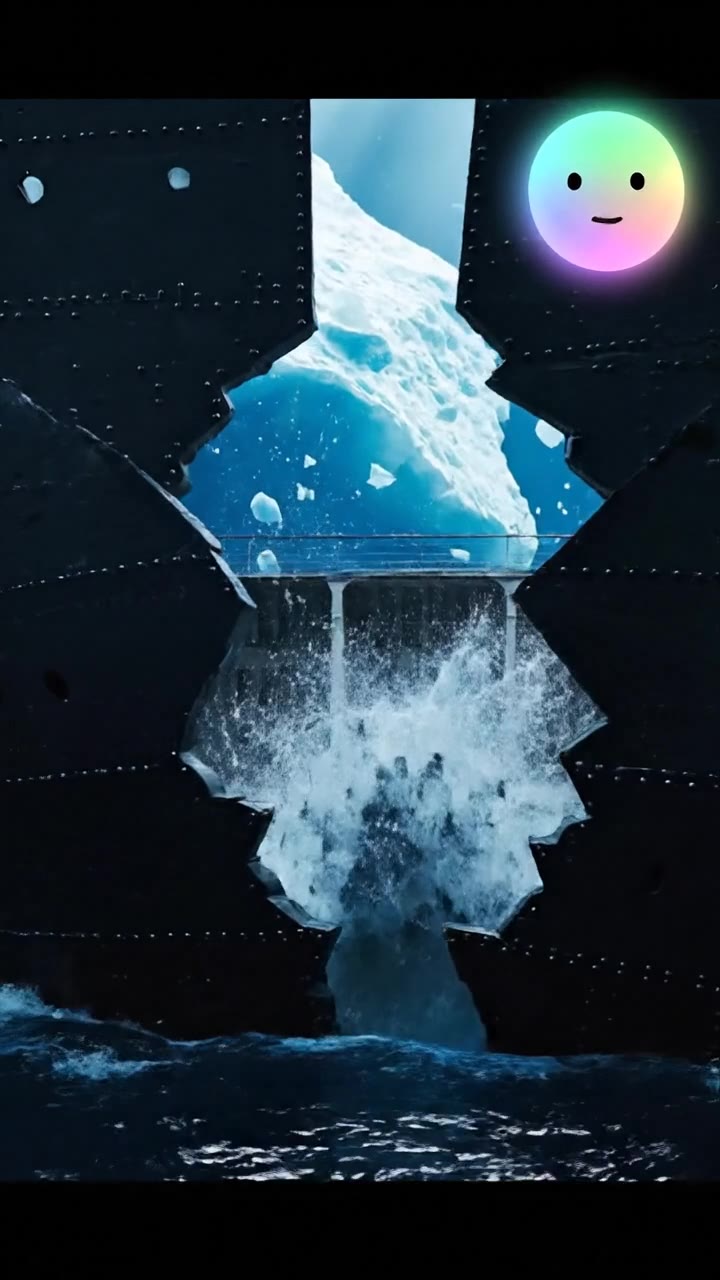
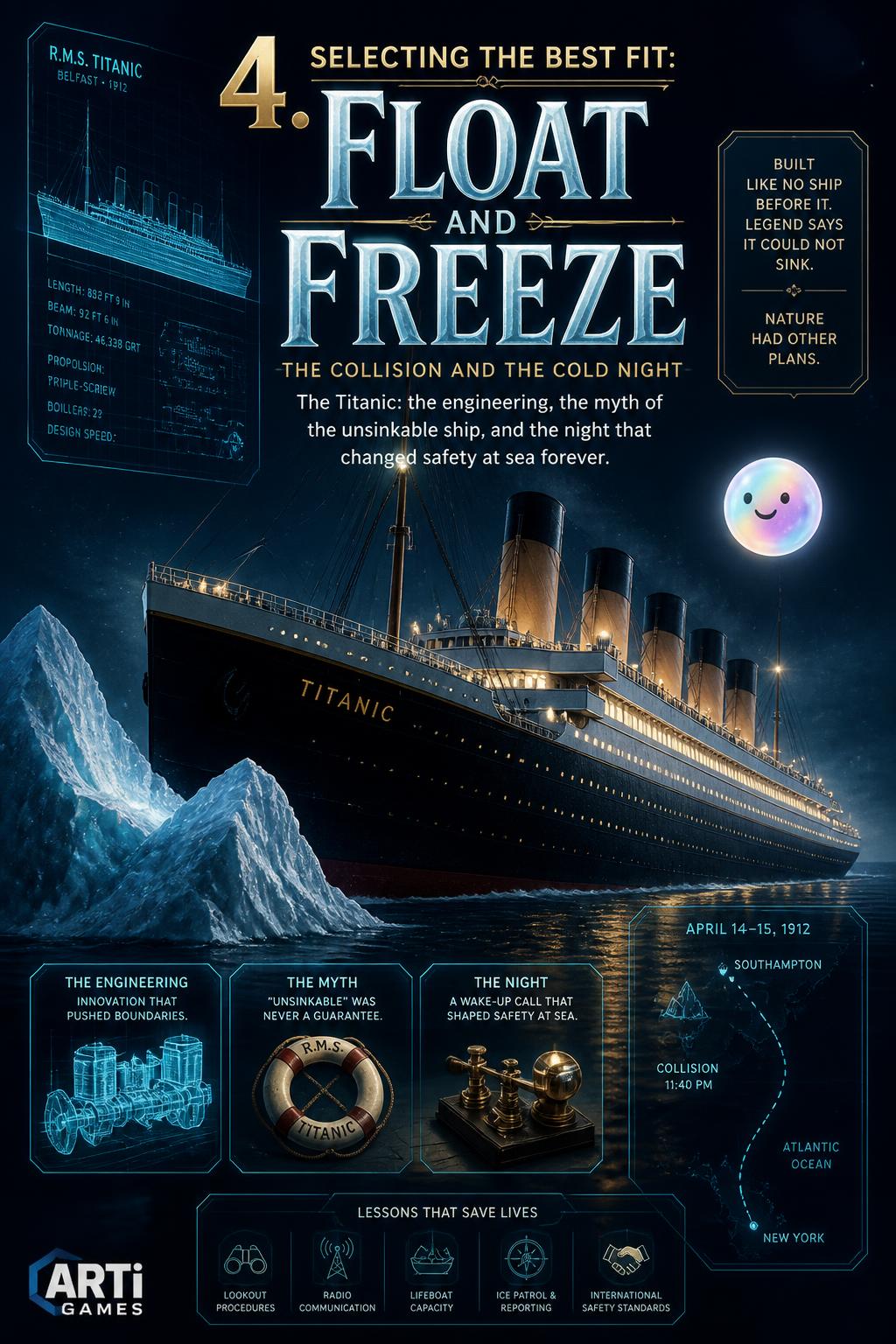
At 11:40 PM, the Titanic struck the iceberg, which exerted immense pressure on the hull. Rather than a clean cut, the impact popped rivets and separated steel seams over a 300-foot stretch. This allowed water to flood five of the front compartments simultaneously.
artiteacher Test your Titanic survival and engineering knowledge. Choose the best fit between float and freeze in this interactive historical game.
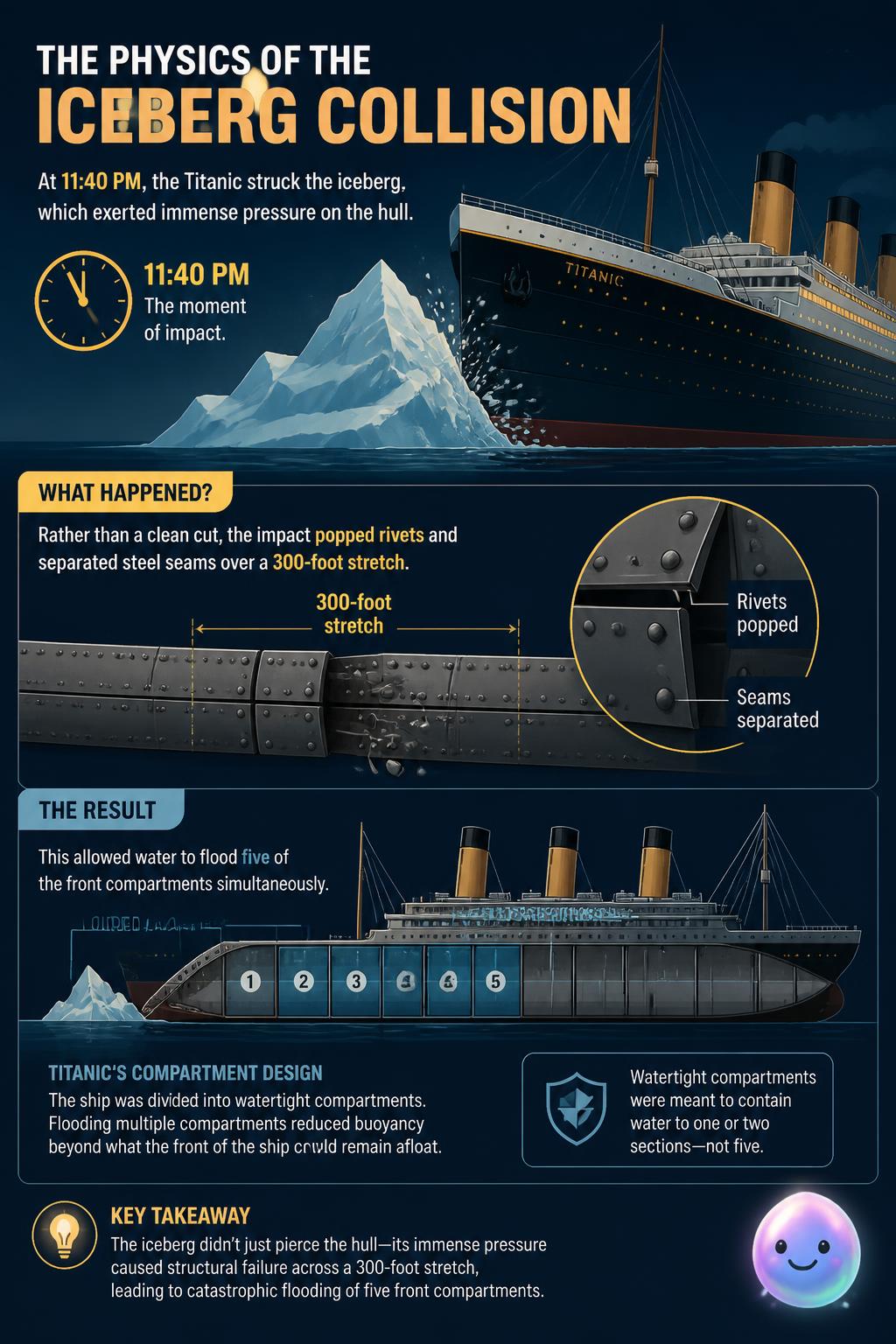
artiteacher The iceberg did not slice the ship open, but buckled the steel plates along the bow.
Iceberg's ancient origin: The iceberg that struck the Titanic likely broke off from Greenland about three thousand years before the collision.
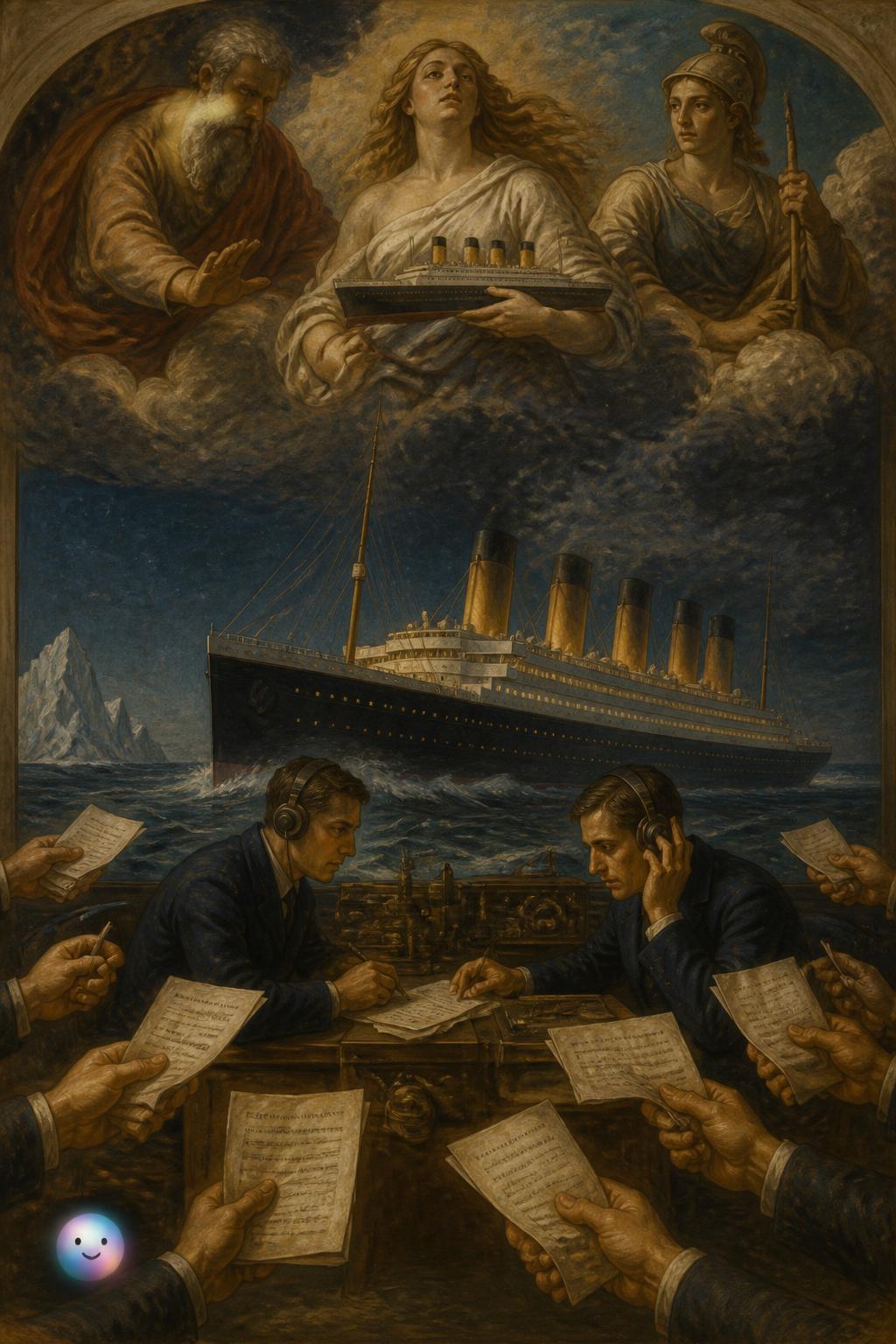
artiteacher The Titanic received multiple wireless iceberg warnings from other vessels on the day of the collision.