
The art of river crossings and grids
View / Create
Answer
Ancient riddles and philosophical paradoxes
View / Create
Answer
Lateral thinking and creative loopholes
View / Create
Answer
Game theory and probability traps
View / Create
Answer
YOUR GOAL
Master of Famous logic puzzles
schopenhauer Game Theory Probability Traps
If you switch your door, your odds will jump up to two-thirds.
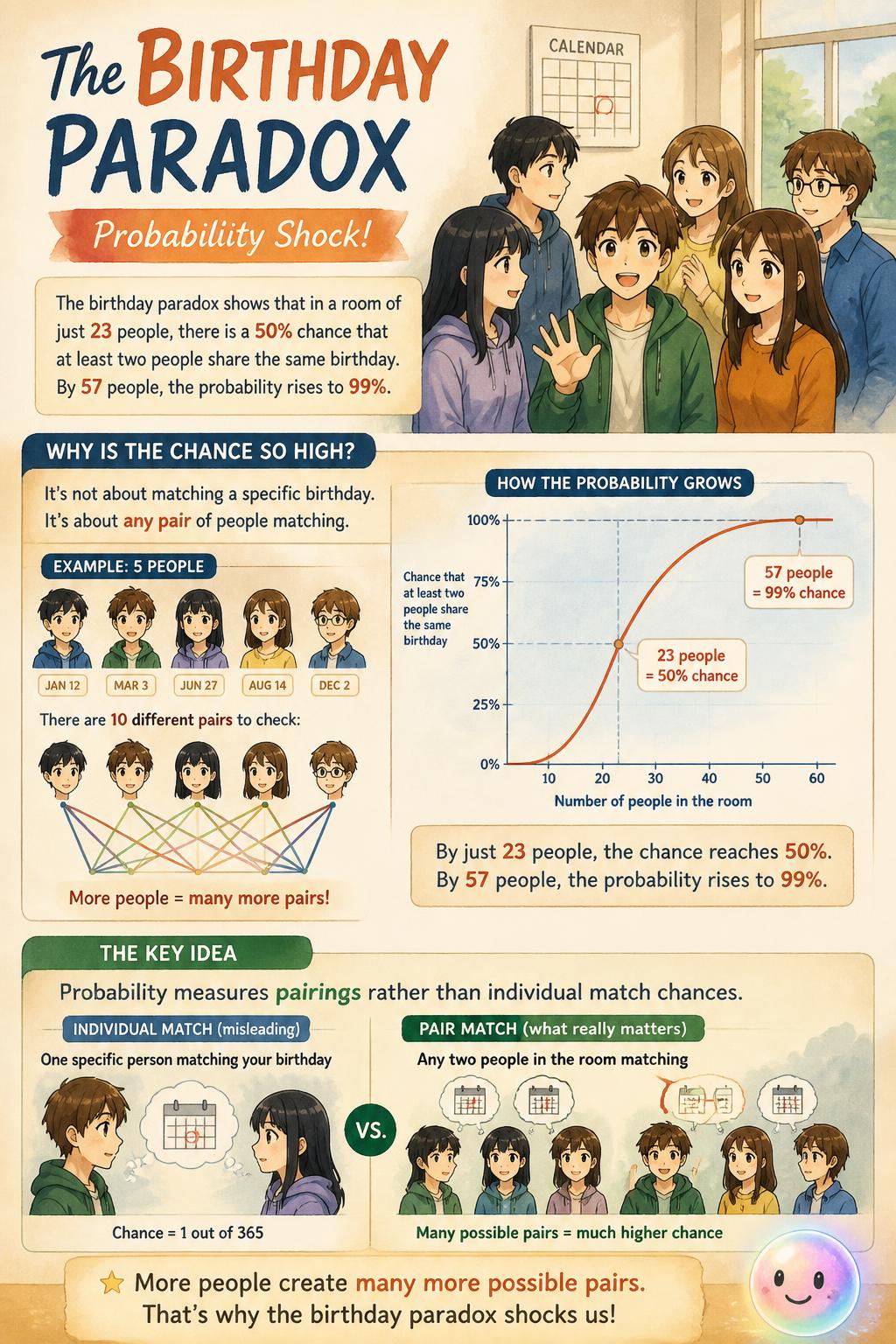
schopenhauer This mathematical phenomenon shows that shared birthdays are far more common in small groups than we instinctively believe.

schopenhauer This core game theory scenario shows why two rational individuals might not cooperate, even if it is in their best interest.
Monty Hall: When Marilyn vos Savant published the correct solution to the Monty Hall problem in 1990, thousands of PhD mathematicians wrote in arguing she was wrong.
A probability puzzle in which a contestant chooses one of three doors, attempting to select the one hiding a prize. Marilyn vos Savant sparked intense debate in 1990 by publishing the correct, counterintuitive solution in Parade magazine.
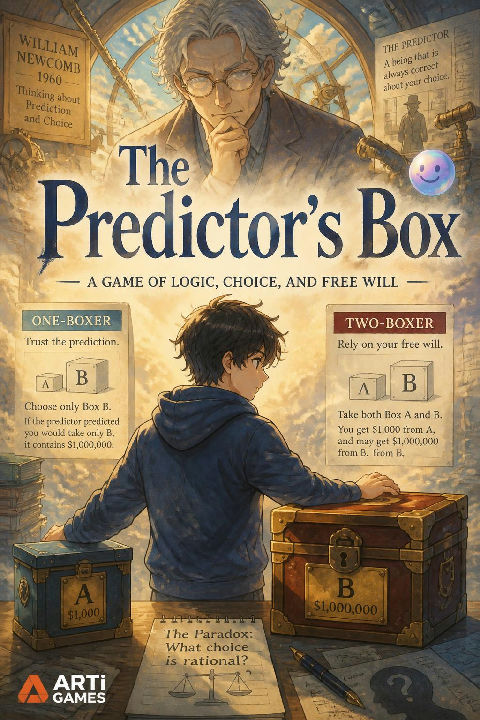
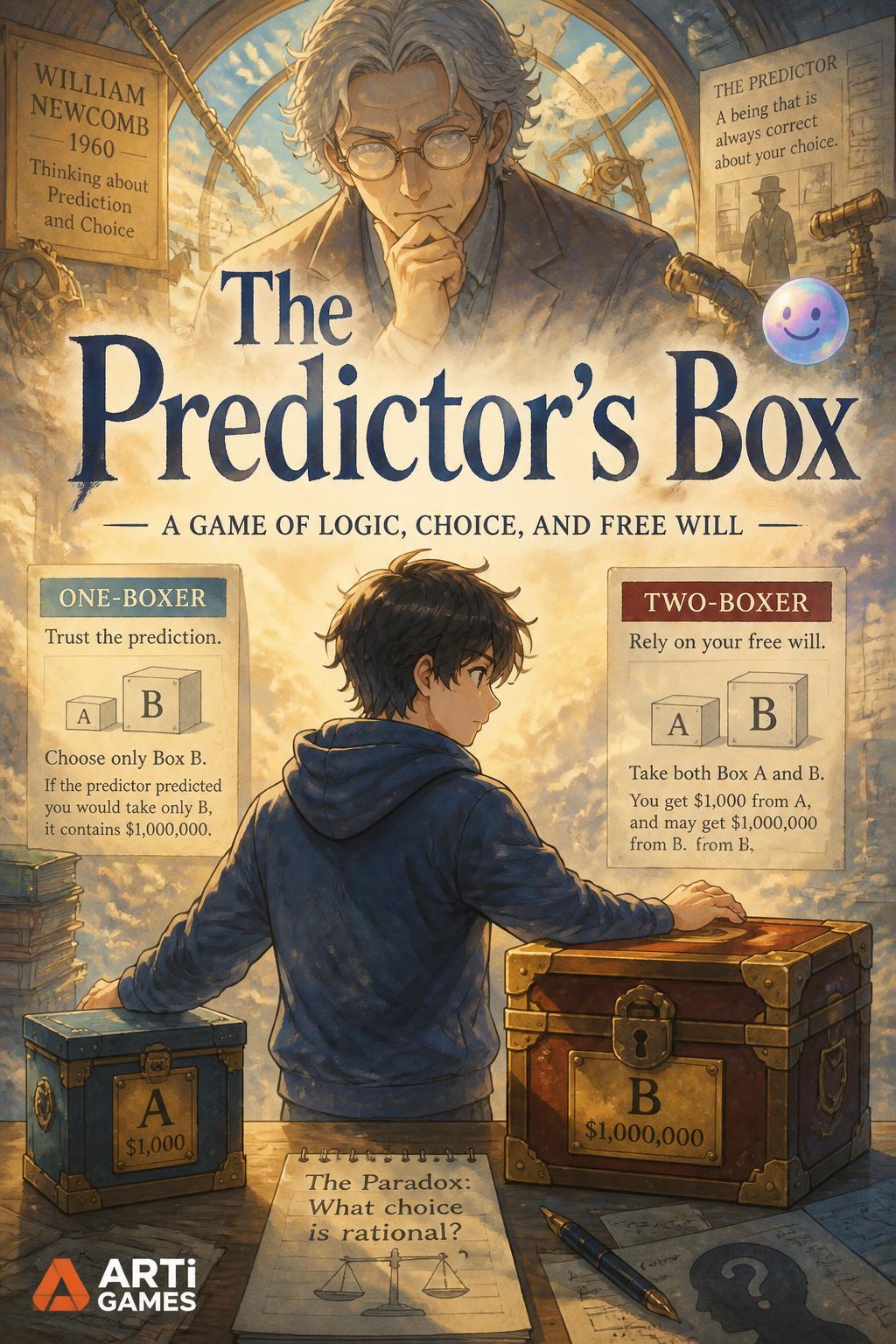
In Newcomb's paradox, a highly accurate predictor offers you two boxes. What is the term for someone who chooses to take only Box B?
In the 'St. Petersburg paradox,' a casino game offers an infinite expected payoff, yet people are only willing to pay a small entry fee. Why?
How many people must be in a room to reach a 50% probability that at least two share the exact same birthday?
Which game theory scenario involves two players who must decide whether to cooperate or defect, leading to a suboptimal outcome if both defect?
In the Sleeping Beauty problem, what are the two competing philosophical schools of thought regarding her probability estimate?
In the Monty Hall problem, what is the mathematical probability of winning the car if you choose to switch doors?
Who formulated the mathematical concept of 'equilibrium' in game theory, famously illustrated by the Prisoner's Dilemma?
What is the name of the probability trap where people believe past independent events affect the likelihood of future random outcomes?