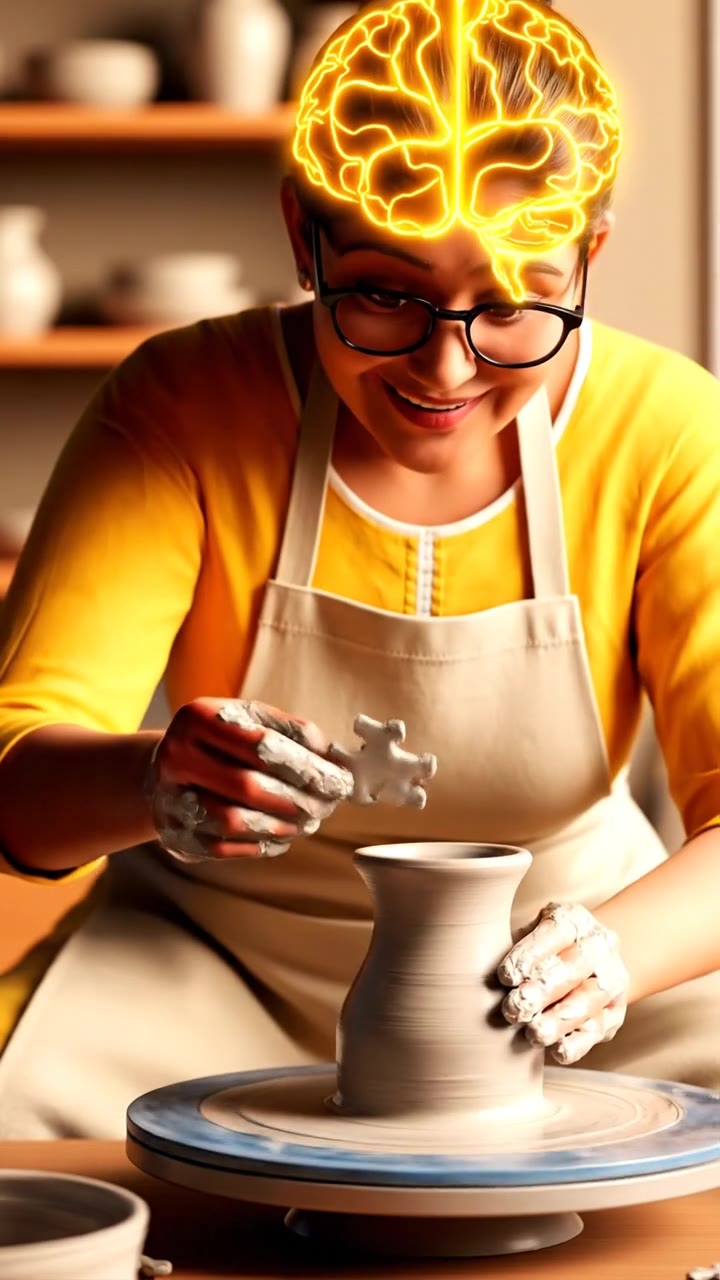
The shape-shifting power of neuroplasticity
For decades, scientists believed the adult brain was fixed. We now know that learning a new skill, like juggling or a language, physically alters brain anatomy by strengthening active pathways and pruning unused ones. This adaptability continues throughout our entire lives.
The physical landscape of the brain
How the brain builds reality
The changing brain of memory and learning
The chemistry of mood and choices

artiteacher During sleep, shrinking brain cells allow fluid to flush out waste while the brain stores memories.
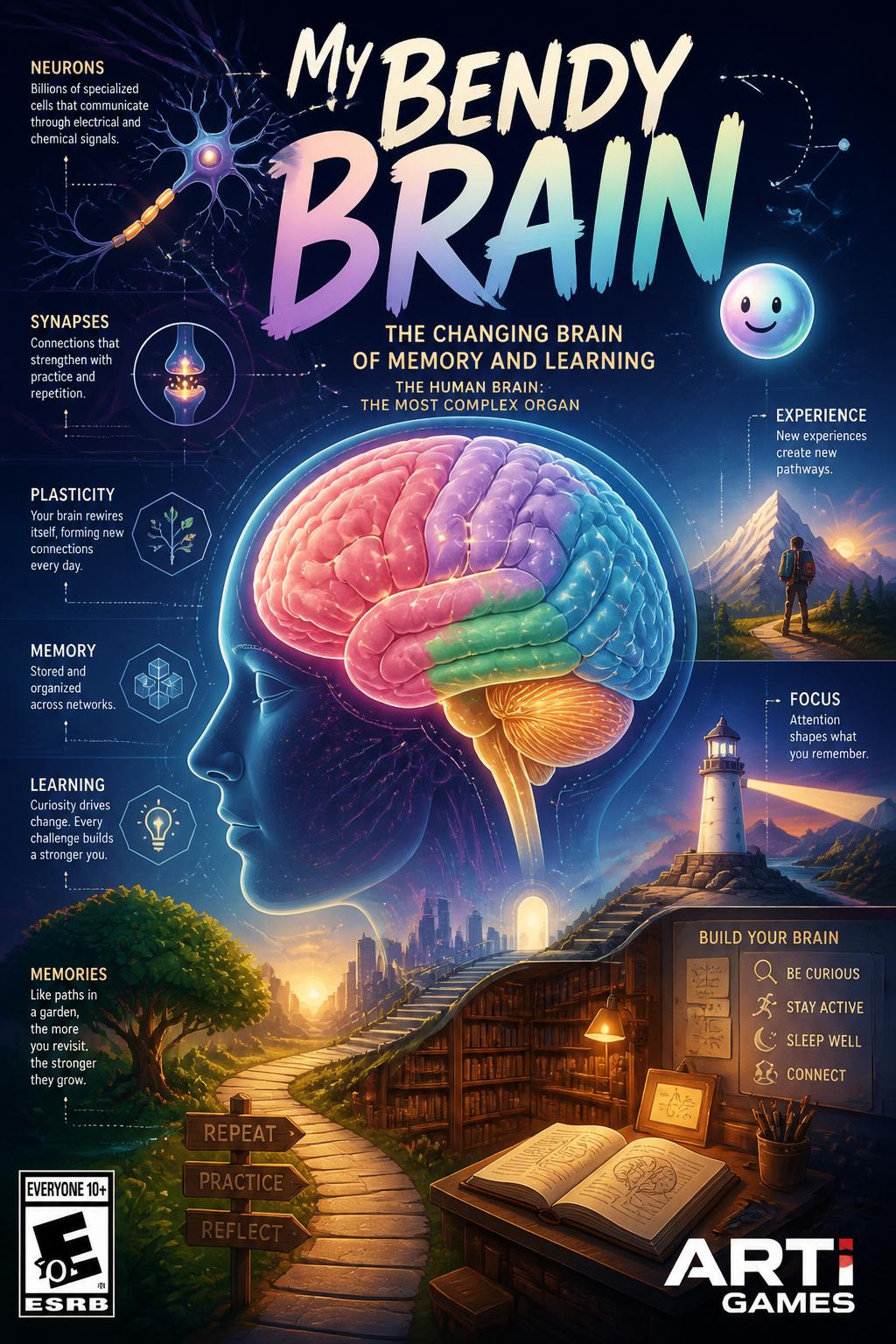
artiteacher Connect neural pathways to discover how your brain adapts and grows when you learn.
artiteacher Neuroplasticity
Mapping twenty-five thousand winding streets, your brain just grows to hold it all.
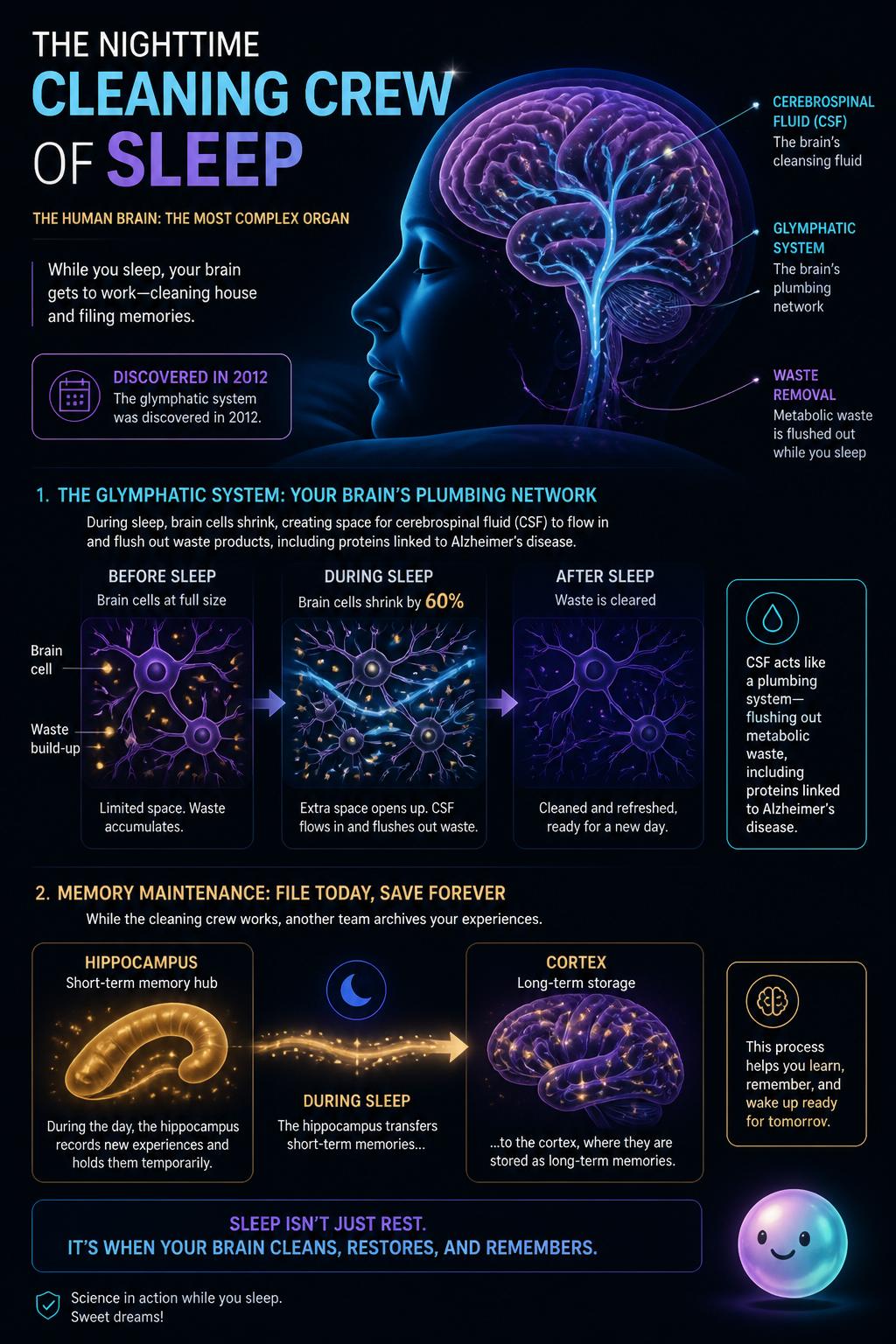
artiteacher During deep sleep, the brain washes away waste products and solidifies memories.
Brain growth: London taxi drivers physically grow their memory centers just by memorizing the city's complex street map.

artiteacher Intensive spatial training physically expands the memory centers of the human brain.
The growth and development of nervous tissue, especially the creation of new neurons. In 1992, scientists Perry Bartlett and Linda Richards discovered adult neural stem cells, proving lifelong neuron generation.
What famous test must London taxi drivers pass that alters their brain anatomy?